

Benoît Brotte explains that Maison Brotte is focused on creating wines that express the natural elegance of Laudun. Credit: Maison Brotte.
Think of the Southern Rhône, and the region’s signature red blends of Grenache, Syrah and Mourvèdre usually come to mind – especially those from its largest and best-known appellation, Châteauneuf-du-Pape. Maison Brotte has an established reputation for excellent reds here, but now the family-owned winery wants to focus international attention on the region’s whites.
The Rhône’s new cru
After an 11-year wait, the appellation of Laudun in the Southern Rhône was elevated to cru status last year. It has soils well-suited to the region’s key white grapes, Grenache Blanc, Clairette, Roussanne and Viognier; in fact, white wines account for nearly a third of its production.
Maison Brotte recognised the opportunity offered by this unique and promising terroir in the early 1990s, and acquired a 22ha estate in Laudun. L’Ardoise boasts sandy-clay soils, south-facing terraces and the potential to create wines of great finesse, freshness and depth.
Now with fifth-generation Thibault and Benoît Brotte at the helm, Maison Brotte is focused on crafting balanced, fresh wines in this cooler region. This goal naturally aligns with current consumer trends, but crucially also highlights the personality of the terroir. Some hope Laudun could one day become the Southern Rhône’s answer to Condrieu, bolstering the valley’s western bank’s existing reputation for bright and elegant whites.

A renowned producer in the Southern Rhône, Maison Brotte makes outstanding red and white wines.
Winemaking pedigree
Yet the vineyards in Laudun are only part of the Brotte family’s 90ha estate, which also encompasses outstanding vineyards in Châteauneuf-du-Pape and Cairanne. The family’s winemaking history in the area dates back to 1880 – and is chronicled in its immersive wine museum – so there’s plenty of know-how when it comes to dealing with the region’s climate challenges and winemaking requirements.
Sustainable cultivation and organic conversion are well underway and harvests are carried out by hand. Small tanks are used for fermentation and white wines are aged in concrete or amphorae, which helps preserve the varieties’ subtle flavours and aromas; excessive oak and extraction are avoided. Think lively, aromatic yet well-balanced and complex white wines – Maison Brotte has created some of the finest examples of terroir-driven wines in this recently promoted cru.
Discover more about Maison Brotte
Connect on
Facebook | Instagram | LinkedIn | YouTube


-
 Sergio Mottura: Excellence in Tuscia
Sponsored A renowned figure in Lazio...
-
 Florio: Winning new fans while respecting Marsala’s history
Sponsored An important milestone in Marsala...
-
 Sensi Vini: The gateway to your Italian wine exploration
Sponsored Chianti and beyond...
-
 Celebrating European diversity
Sponsored Introducing the ‘Celebrate the Diversity’ project...
-
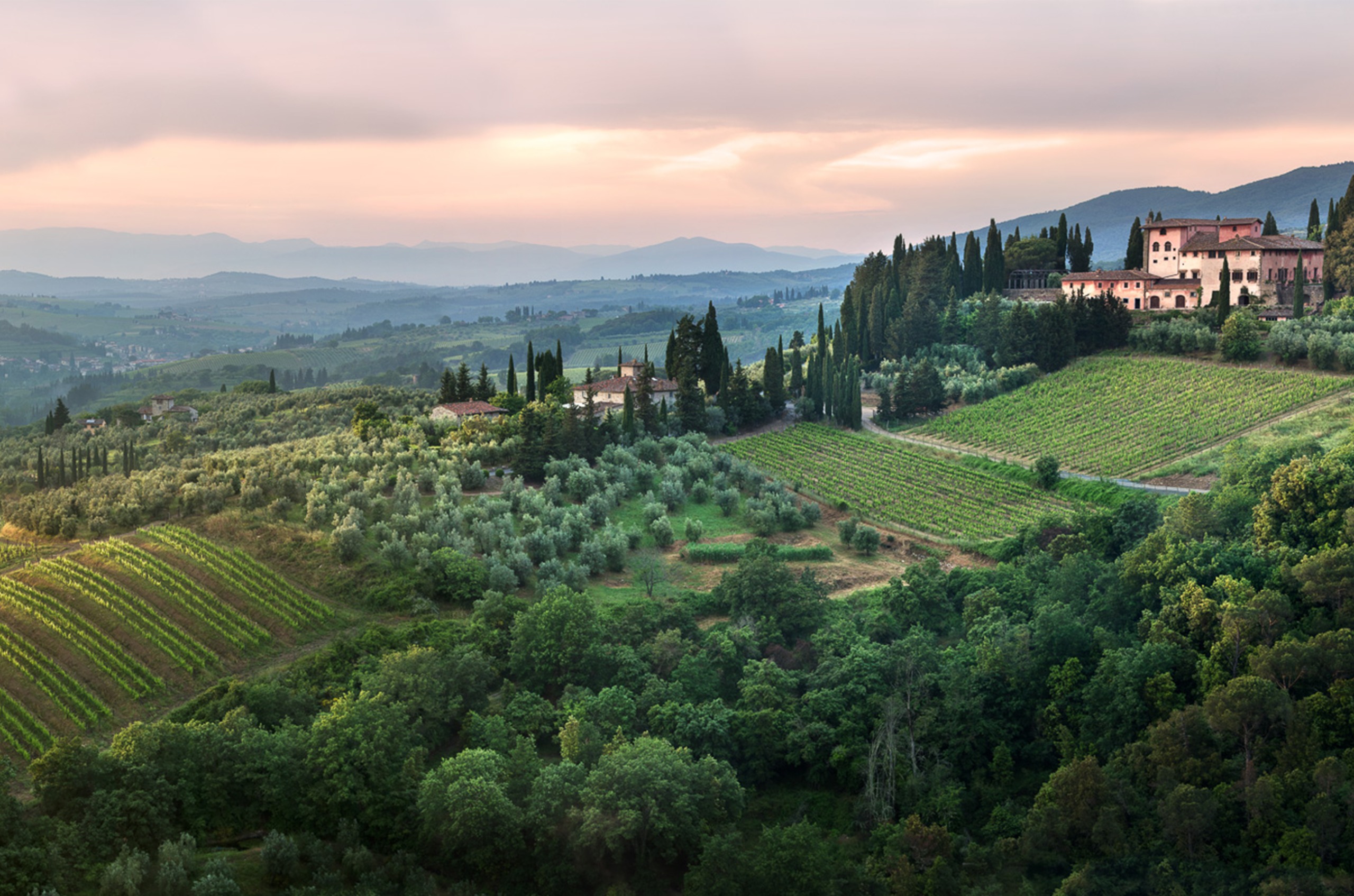 Reinterpreting Tuscan tradition with Vignamaggio
Sponsored An idyllic traditional farm...
-
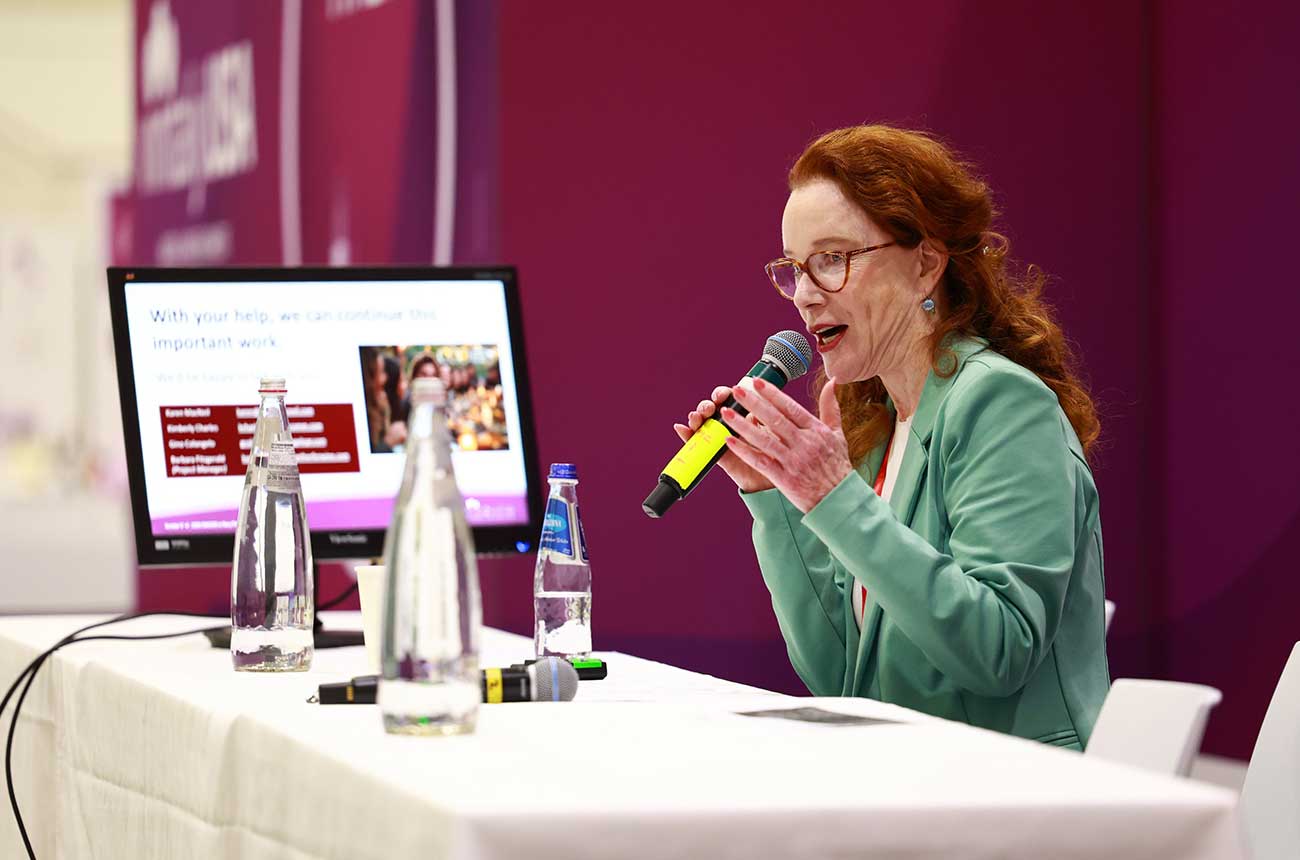 Vinitaly.USA: Where Italian wine meets the US market
Sponsored Bringing opportunities and encounters to New York...
-
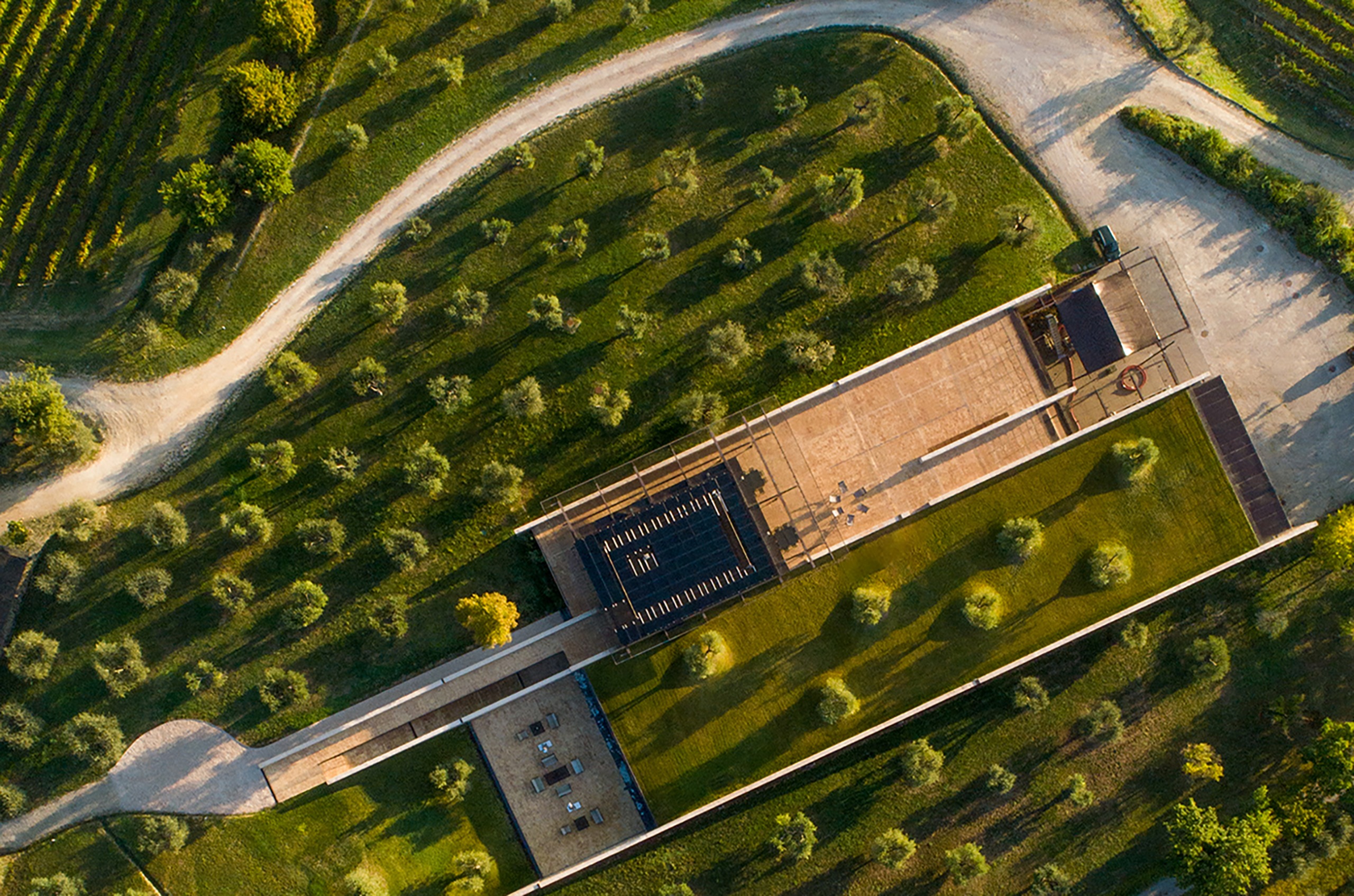 PoderNuovo a Palazzone: Where Cabernet Franc finds its Tuscan voice
Sponsored Distinguished Tuscany...
-
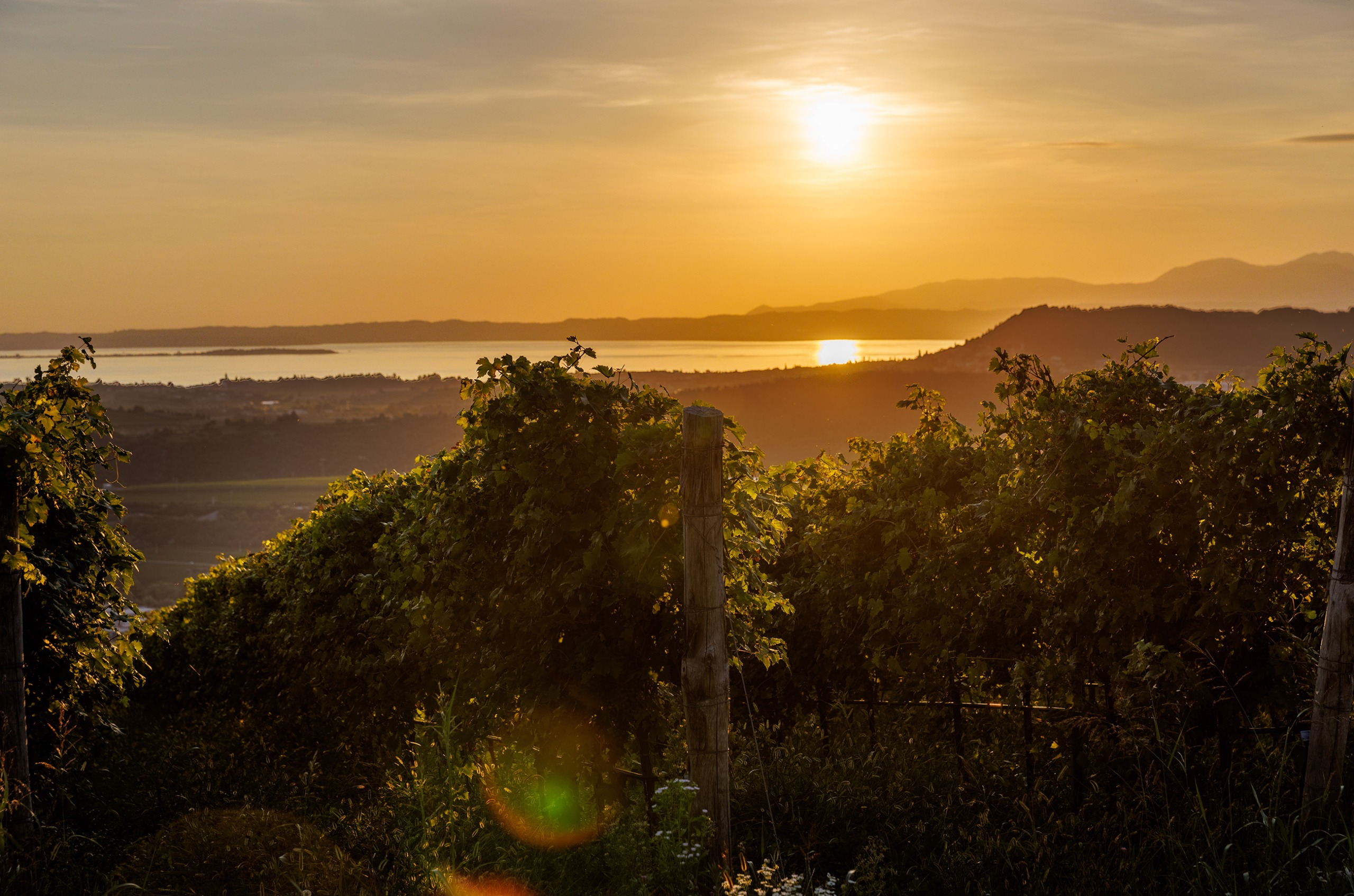 From Garda with love
Sponsored The spirit of the lake...


