

Not so long ago, if you talked about a winery having ‘undergone big changes,’ it would usually mean that they had removed ancient equipment, replaced it with gleaming stainless steel and a tonne of new barrels and, in all probability, hired a Rolexed consultant to advise on both winemaking and viticulture; it would mean they had gone full-on modern.
But Avondale are pursuing the twin paths of ancient and modern at the same time.
Jonathan Grieve’s family bought the (then quite rundown) farm in Paarl in 1996, and by the millennium were fully engaged in making big, powerful, oaky wines. But it was an experiment that only lasted a few years.
‘To me, it didn’t fit in with what we were trying to achieve,’ says Grieve, a trained artist who is rarely seen without his cowboy hat. They switched to organic viticulture in the early 2000s and by 2004 began to farm biodynamically in what Grieve describes as a ‘soil-up approach.’

The transformation has been dramatic. When the family first arrived the vineyards were, as Grieve puts it, ‘amazingly quiet’, with very little life. Now the rows between the vines are planted with soil-enriching cover crops for 95% of the year, a crack squad of ducks patrol the vine rows looking for snails and a herd of Angus cattle provides manure. There is, in short, life everywhere.
Learn more about what unites the participating members in PIWOSA
The manure – while not exactly glamorous – is key to the estate’s biodynamic preparations. Combined with other natural ingredients such as crushed eggshells and basalt dust it’s mixed into barrels, covered and half-buried in the earth to mature. Months later, this results in entirely natural but carefully controlled biodynamic fertiliser.
‘Balance is achieved through everything,’ says Grieve. ‘Microbes, micro-nutrients, cover crops, predators…’
It’s all designed to keep the vineyard in sync with the rhythms of the seasons and the day.
So far, so timeless. So the winery itself, super-modern and spotlessly clean, is something of a shock – in a good way. As well as multiple small tanks (to ferment in small batches) there are barriques, 600-litre casks ‘for the Rhone varietals’, amphorae and 24 qvevris buried into the floor.
The combination of timeless vineyard practices and modern winemaking kit is clearly working. The wines – particularly the multi-varietal blends, which are consistently excellent, both reds and whites – are textural, complex and multi-layered without ever being particularly big or showy.
There is quiet ambition and real cohesion here – it’s definitely an estate to watch.

Avondale – Four wines to try:
Cyclus, Paarl, 2019
There aren’t many Roussanne-driven blends in the Cape, but this five-way blend (Viognier, Chenin, Chardonnay and Semillon are the others) suggests there maybe should be. An elliptical wine that starts with a bright point of citrus, broadens through flowers, greengage and kaffir lime, then tightens once more to a mineral, pebbly finish.
96 points
Drink 2023-2035 | Alcohol 13.5%
Anima Chenin Blanc, Paarl, 2020
From 25-35 year old vineyards, there’s a 15% orange wine (skin contact in qvevri) component to this Chenin, plus 12 months in very old barrels. The result is a textural, multi-layered wine with creamy Mirabelle plum and pineapple flavours, underpinned by a salty minerality.
94 points
Drink 2023-2030 | Alcohol 13.5%
La Luna, Paarl, 2016
A Cabernet-dominant five-way Bordeaux blend, there’s plenty of trademark Paarl plum and cassis fruit in here. But coming as it does from ‘under the mountain’, there’s also more acid lift behind the plush fruit than you’d expect. Silky but with a graphite seam, it’s drinking nicely now, but still tastes younger than its years and has a long life ahead of it.
94 points
Drink 2023-2040 | Alcohol 14%

Qvevri, Paarl, 2021
Despite being fermented and aged totally in amphorae (qvevri), there’s an element of cru Beaujolais to this Grenache-focused red. It begins with juicy red fruits – redcurrants and strawberries – before taking a bit of a sideways turn into something darker and more structured on the palate, with a chalky finish. Attractive mid-weight wine with real personality.
93 points
Drink 2023-2027 | Alcohol 12%
Discover more about Avondale
Connect on Instagram | Facebook | X
Read more about PIWOSA
Sustainability: A fundamental principle and a future to preserve
Social uplift: It takes a village

-
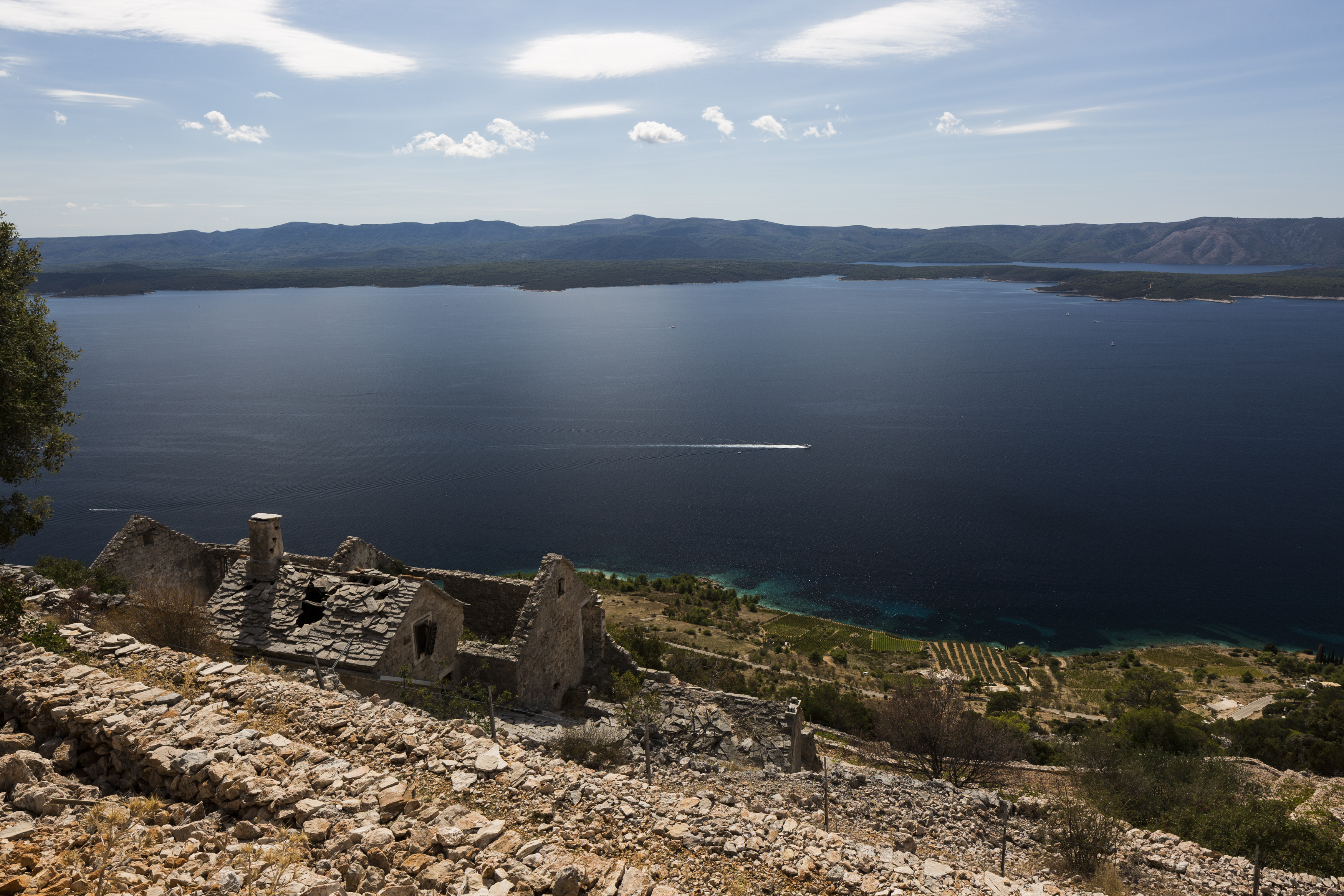 Dalmatia: Where to enjoy the stillness of fjaka
Sponsored Content When Dalmatia slows down in the early afternoon, here are some perfect places to enjoy a little dreaminess.
-
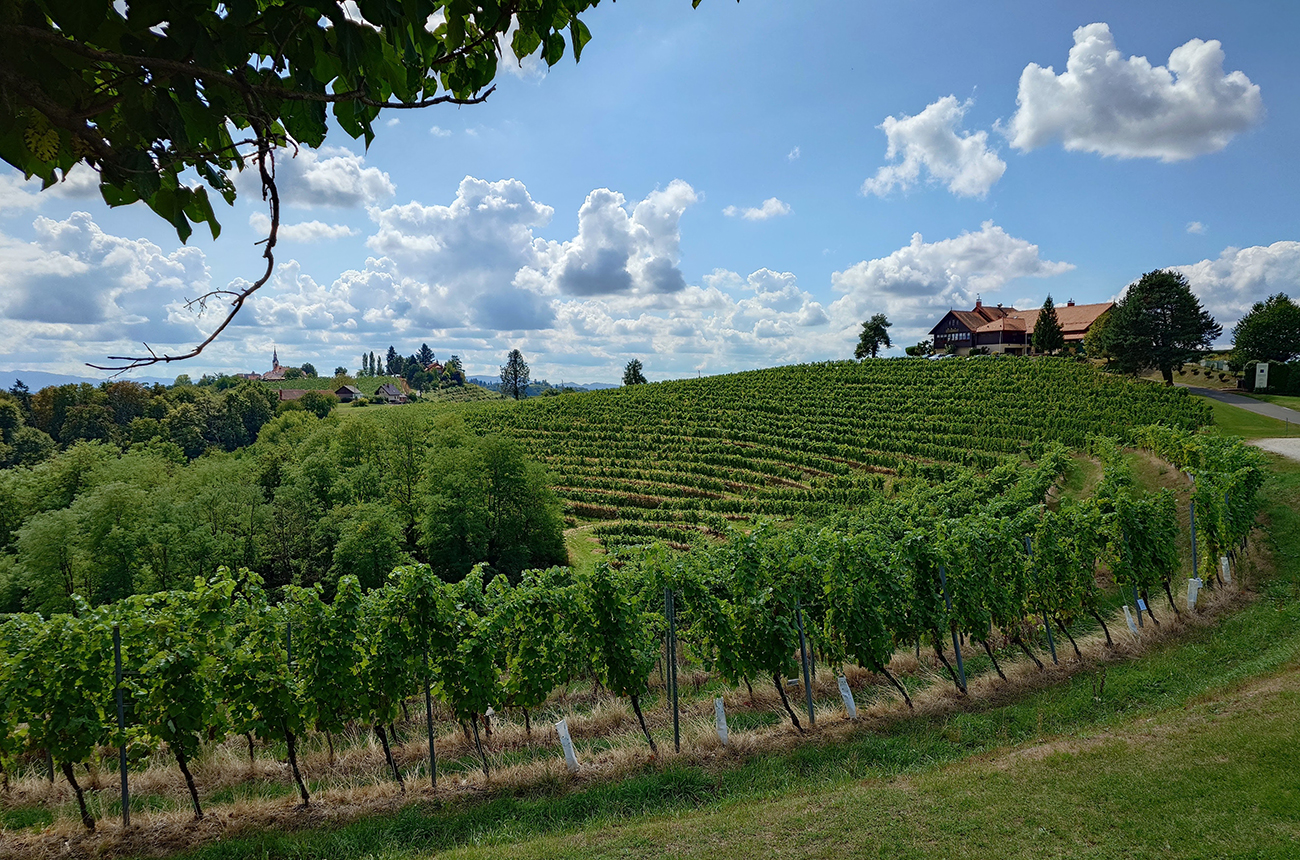 Why Eastern Slovenia is one of Central Europe's great unsung wine regions
Crisp whites and sensational sparkling from the heart of Central Europe...


-
Dalmatia: Where to enjoy the stillness of fjaka
Sponsored Content When Dalmatia slows down in the early afternoon, here are some perfect places to enjoy a little dreaminess.
-
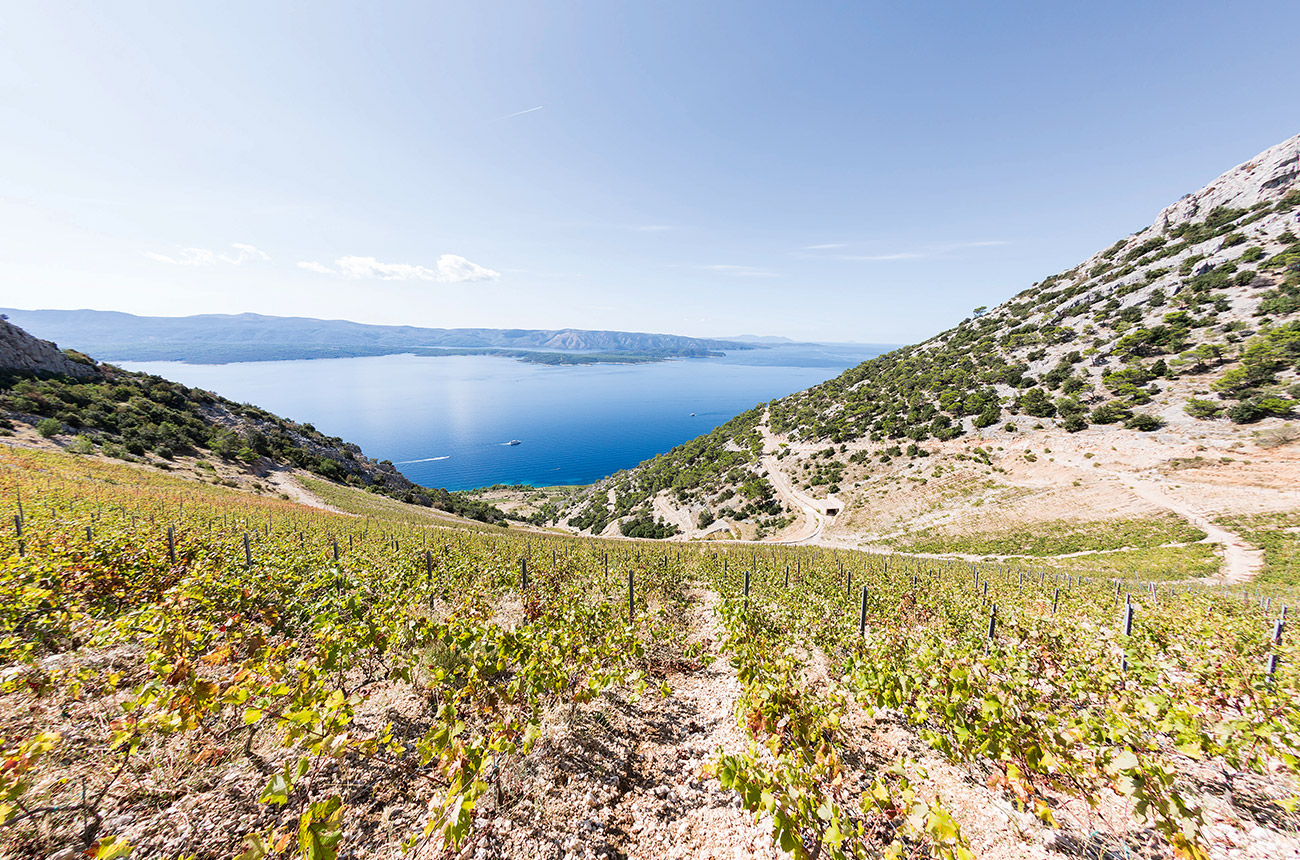 Dalmatia: The crimson coast
Sponsored Content Sun-kissed by the shores of the Adriatic, Dalmatia’s vineyards are home to bold and inviting red wines with plenty of potential.
-
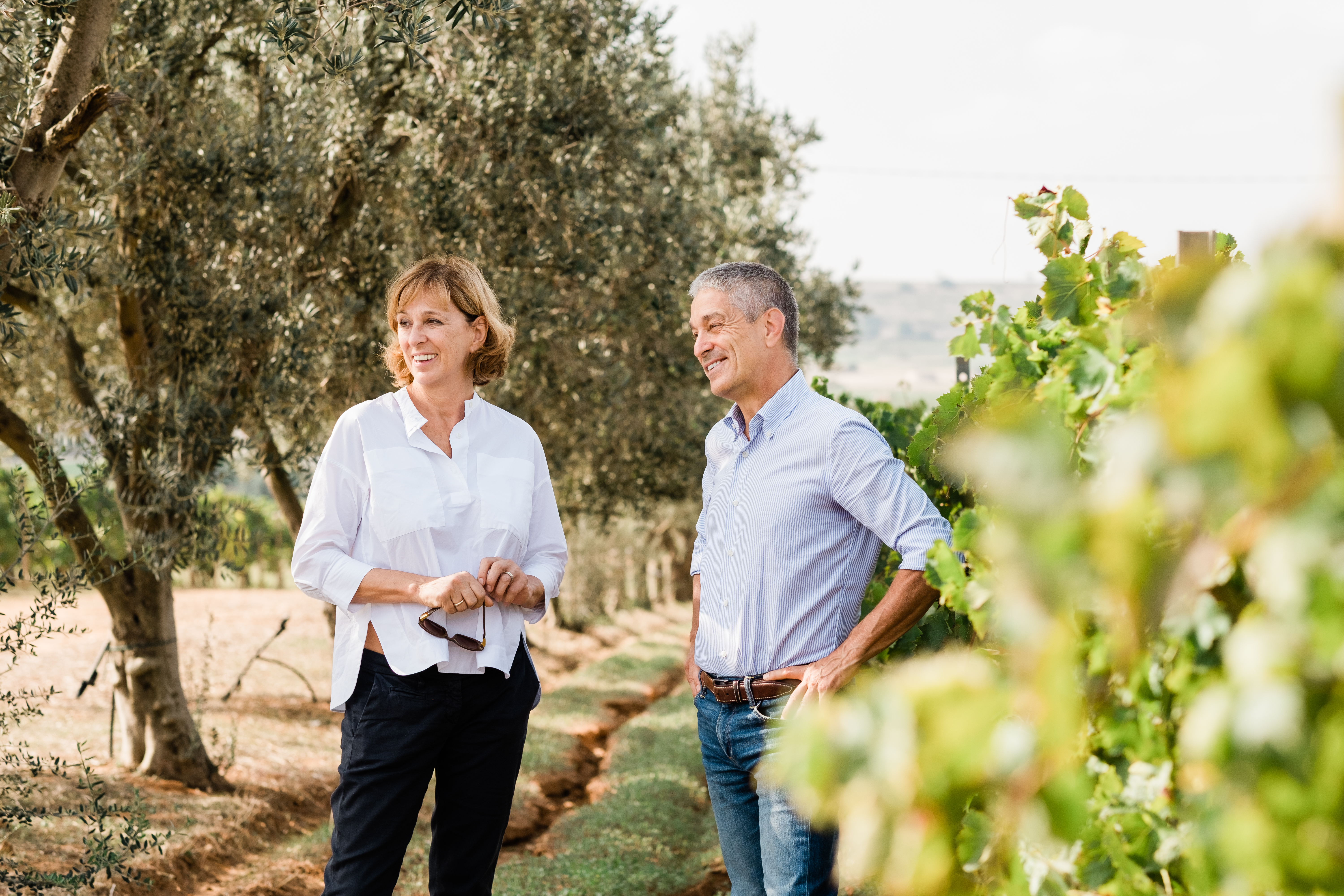 Azienda Agricola Cortese: Championing sustainability in the heart of Sicily
Sponsored Content Meet the winemakers using ancient techniques and sustainable practices to create fresh, modern interpretations of Sicilian varieties
-
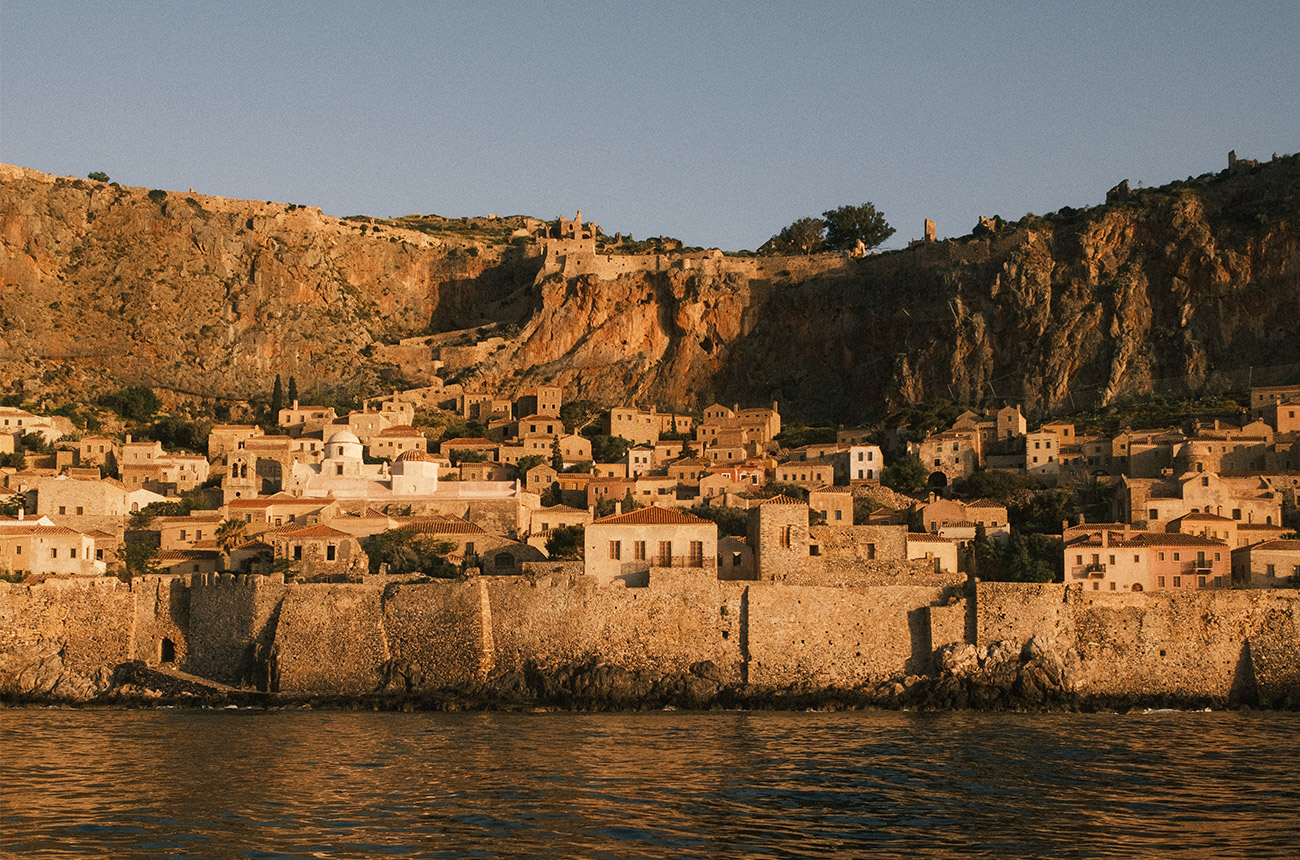 Monemvasia Winery – Tsimbidi: Bringing an ancient wine into the modern age
Sponsored Content George and Elli Tsimbidi’s winery not only revived one of history's most famous wines but is now breathing fresh life into other native Greek varieties.
-
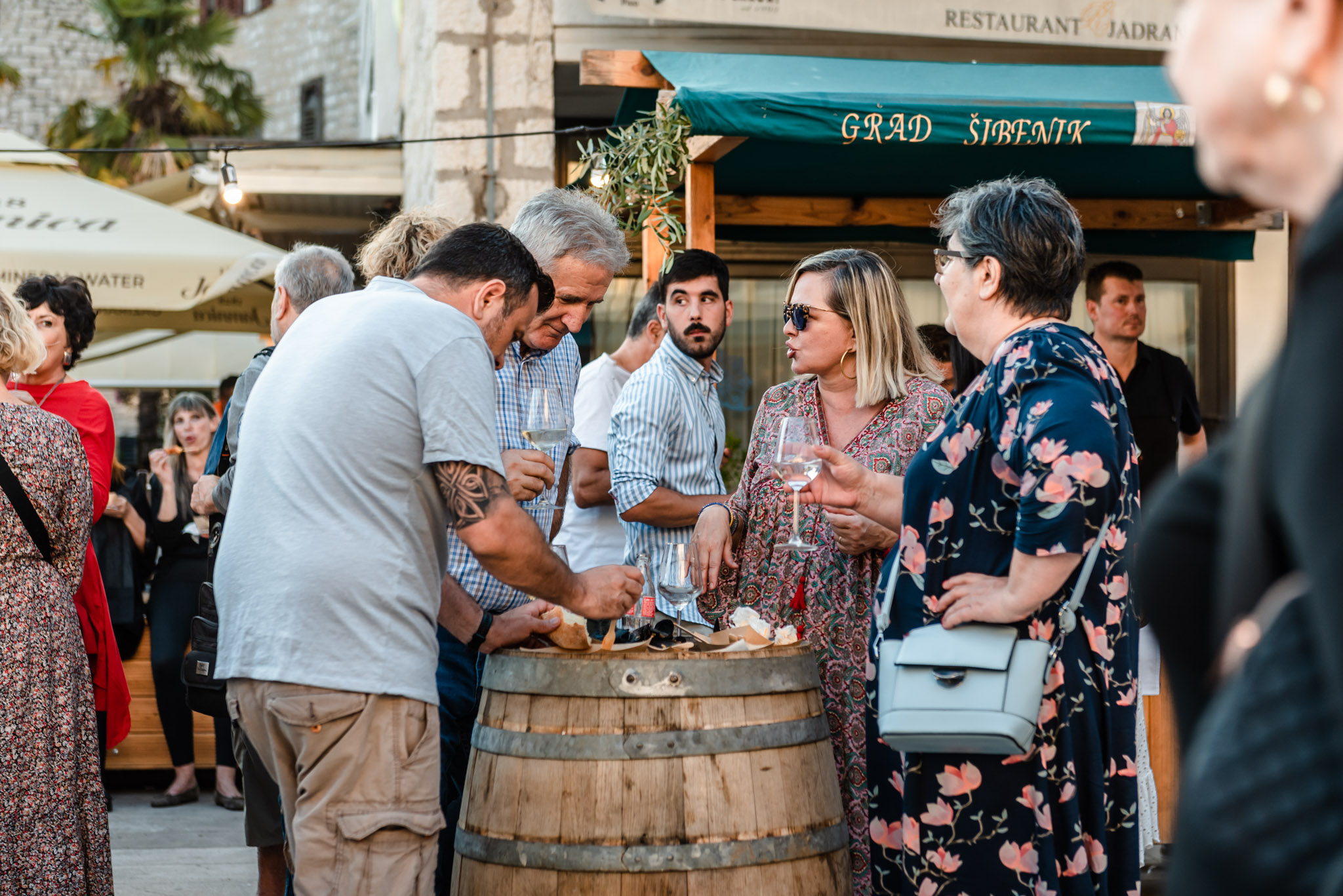 Marenda – A Dalmatian ritual
Sponsored Content What started as a work break has become a well-observed tradition in Dalmatia – one that pairs perfectly with local wine.
-
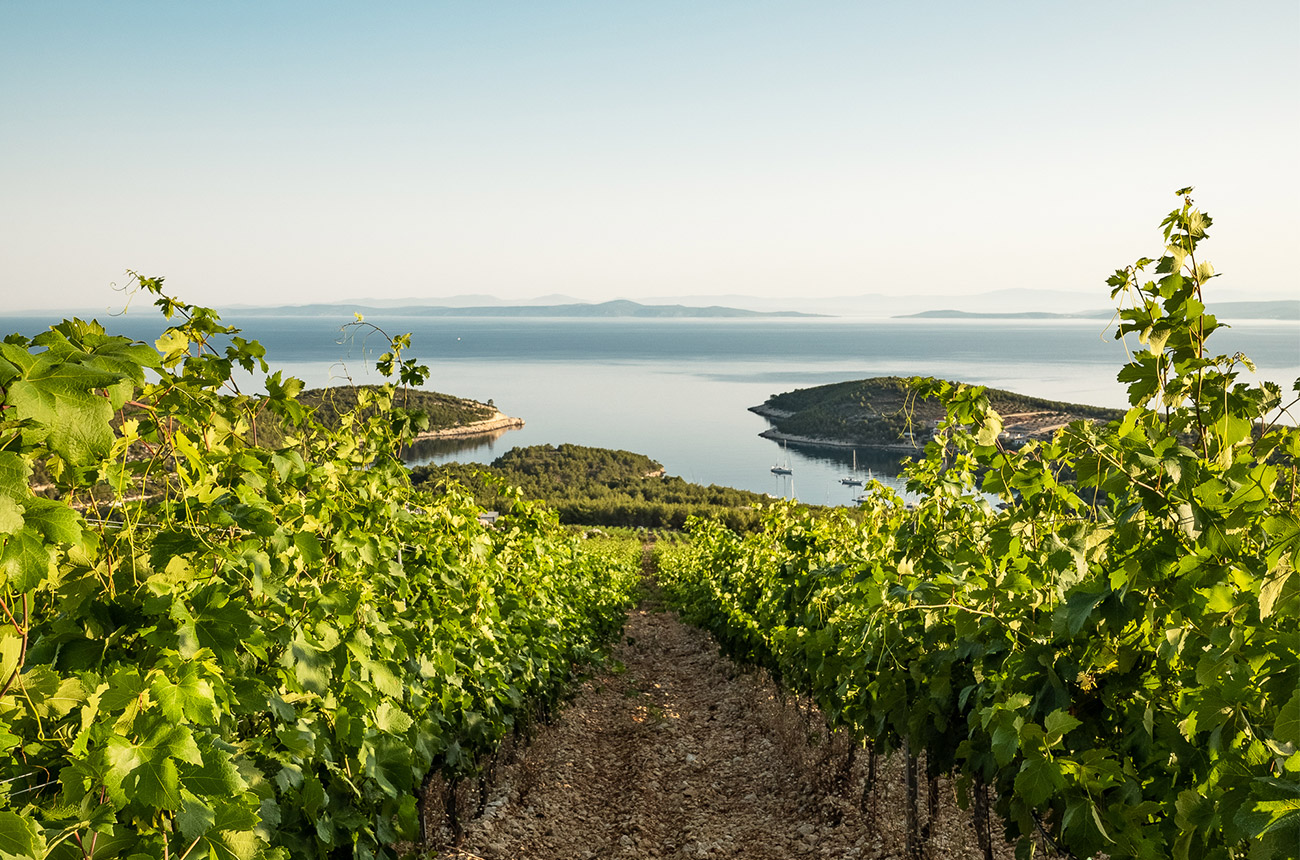 Dalmatia's hall of fame: DWWA winners
Sponsored Content Discover a selection of medal-winning Dalmatian wines from the Decanter World Wine Awards.
-
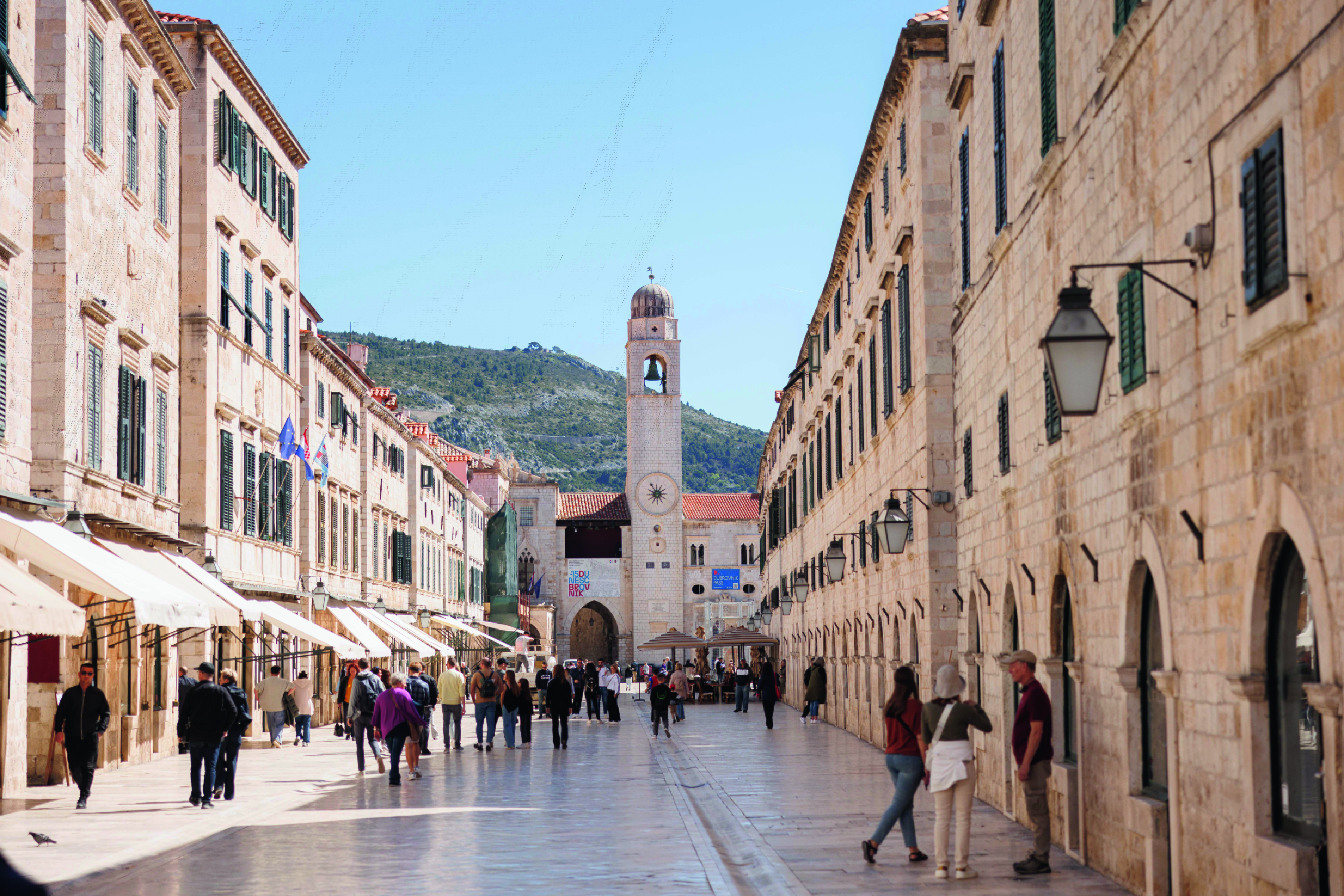 Pomalo: Dalmatia's answer to hustle culture
Sponsored Content A state of mind in Dalmatia, pomalo, which roughly translates as ‘take it easy’, sets the pace of life in this scenic region of Croatia.
-
 A Maldives paradise for wine lovers
Sponsored Content The unique wine culture at OZEN RESERVE BOLIFUSHI extends well beyond its carefully curated list with expert tastings, creative pairings and unexpected discoveries to make lasting holiday memories.


