

Lunchtimes at wineries are usually about neat restaurants, white tablecloths and elegantly chinking stemware. Yet here I am, standing next to a giant vat of stew while the formidable ‘Auntie Joycie’ corrals sick and hungry people into line.
This is one of the soup kitchens for the township of Sir Lowry’s Pass, and it is funded by Journey’s End Vineyards, about a five-minute walk – and a whole world – away.
Auntie Joycie has been running the kitchen on a smaller scale since the 1990s. But Covid saw funding dwindle and demand soar, and the winery – which was already making sizable donations to the local school – stepped in.
Feeding an estimated 6,000 people a day, and cooking 30,000 meals a week, the soup kitchens are an enormous commitment, but one that Journey’s End CEO Rollo Gabb feels is essential.
‘It’s all very nice having a good house and vineyard and making nice wine for people to drink,’ he muses. ‘But what’s driving us to work hard? It’s being a force for good and using the business to help the whole community. Business has to have a point to it. Asking ‘what more can we do?’’
Coming soon: Get to know all PIWOSA producers with our in-depth profiles
Social uplift – for obvious reasons – has been a much-discussed topic in the Cape wine scene since the country’s first post-apartheid, democratic national elections in 1994. In the early stages, wineries built houses for their workers and gave them the title deeds, freeing them from dependence on the farm.

But the most common form of social uplift is education. For most wineries, this is relatively new, but the Paul Cluver winery in Elgin set up its first school for local children in the 1950s; they had to do so on their own land because during apartheid it was forbidden to build a ‘black’ school in a ‘white’ area.
The school has gone from 20-odd pupils to 1,200, from primary to secondary school – and is now an academy offering apprenticeships in agriculture.
Many of the local township schools are very over-stretched – class sizes of 45 are not uncommon – so many wineries offer to pay for their workers’ children to go to private schools. Gifted children are frequently also supported throughout tertiary education, whether they are interested in working in the wine world or not.
As Jacques de Klerk, director of viticulture and winemaking at Radford Dale puts it, ‘Education has the potential to take someone from a bleak background into a totally different life in one generation.’
Learn more about what unites the participating members in PIWOSA
The Cape Winemakers’ Guild Protégé Programme runs a three-year programme in oenology and viticulture that involves rolling internships with established winemakers such as de Grendel’s Charles Hopkins. ‘I’m so proud of these youngsters we’ve had come through the scheme,’ he says, ‘but I’m a realistic dreamer. There are 900 winemakers or assistant winemakers. Only 54 are people of colour.’
It’s obvious that the ills of 48 years of apartheid are not being reversed as quickly or easily as anyone would have liked. But the industry is nevertheless keen to avoid tokenism. ‘If you want upliftment it’s important that standards are maintained,’ says De Villiers Graaff, owner of de Grendel. ‘You can’t compromise on expertise. That’s why it’s so important to get underprivileged people up to [that] educational level.’
There is still a long way to go, but the multiple charities, bursaries and donations ensure that the number of villagers in positions of influence is growing every year, and that benefits everyone. As Rollo Gabb puts it, ‘You can’t be sitting in a nice house surrounded by poverty and sleep well at night, unless you are doing all you can to help support the community around you.’
Discover more about PIWOSA
Connect on Instagram | Facebook | X


-
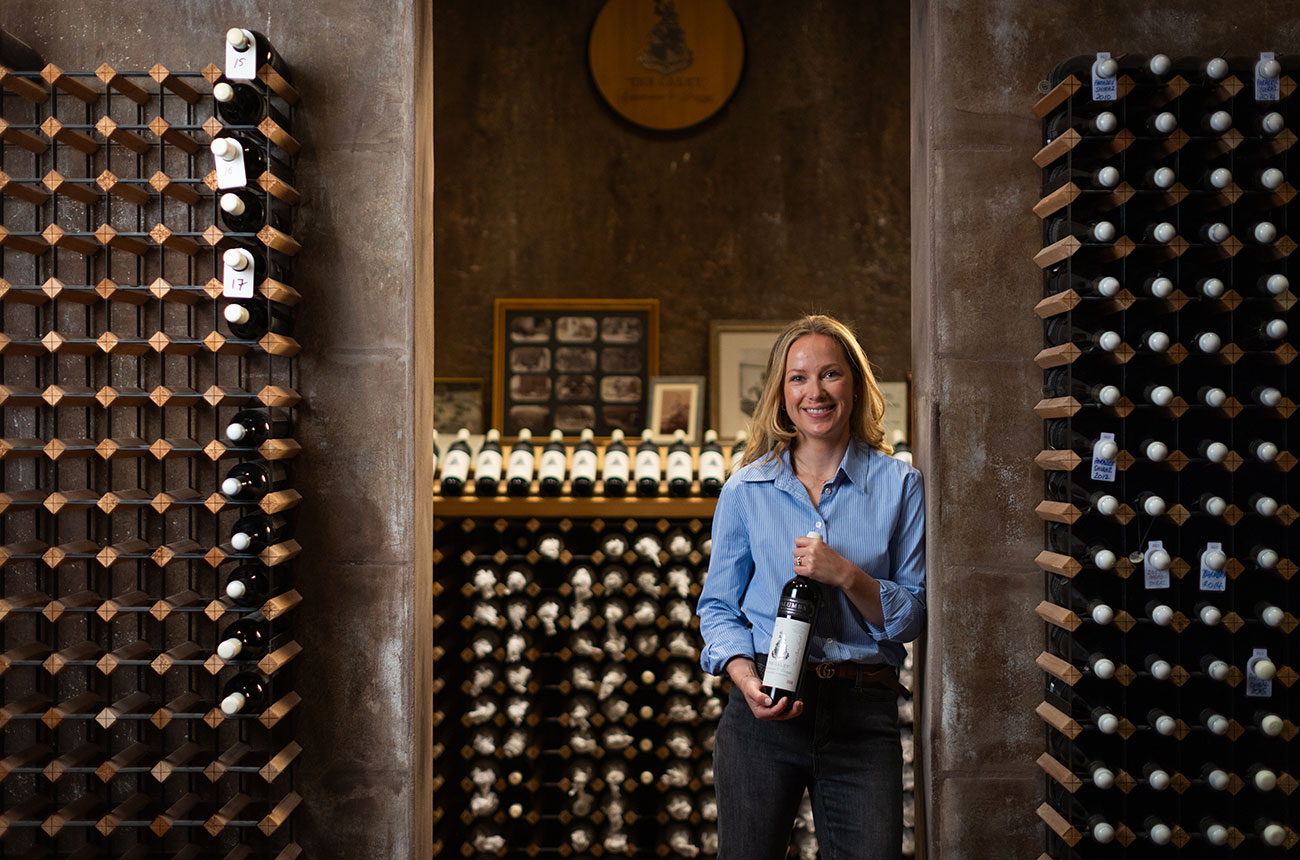 At the table with Yalumba's Lucy Hill-Smith: Top Barossa wine 'can age almost indefinitely'
Ahead of hosting a lunch at Decanter's Fine Wine Encounter London, Lucy Hill-Smith, sixth-generation family member at leading Australian winery Yalumba, offers insider tips to Barossa's wine scene, names her top dinner pairings and recalls the sophisticated palates of her grandma's kangaroos...
-
 Bringing the spirit of Rioja to the UK
Sponsored Spain's leading wine region...


-
Bringing the spirit of Rioja to the UK
Sponsored Spain's leading wine region...
-
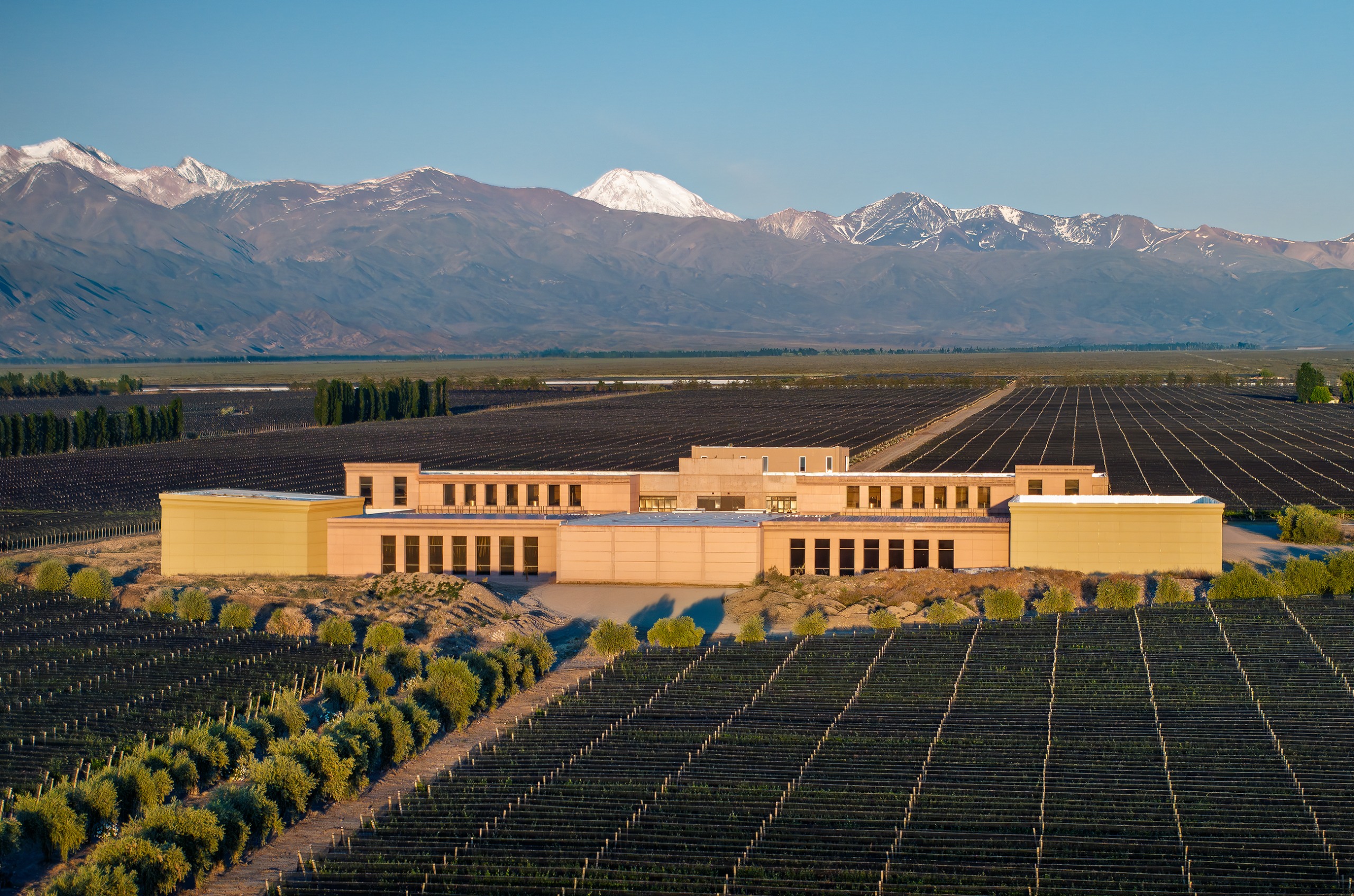 Apartado: Elegant interpretations of the Uco Valley from Rutini Wines
Sponsored The essence of the Uco Valley...
-
 Award-winning wines from Austria
Sponsored Quality and diversity...
-
 Gen V: The new face of Istria
Sponsored Taking Istria into the future...
-
 Bordeaux: One region, many voices
Sponsored Bordeaux reds in all shades...
-
 Poggio alle Mura: The Brunello that defines Banfi
Sponsored More than Brunello...
-
 Committed to its craft: Pellegrino’s Sicilian legacy
Sponsored A legacy of quality...
-
 Bouvet Ladubay: 175 years of sparkling know-how
Sponsored One of the Loire's oldest producers...


