

De Grendel is currently owned by De Villiers Graaff, who has the distinction of being the only hereditary (British) title holder in South Africa, his family having acquired his title by a combination of ancestral opportunity and chance.
In 1911, for reasons possibly not unrelated to South Africa’s recent independence, George V sent three baronet titles out to the Cape to be awarded to whoever the country’s rulers saw fit. The new government, by all accounts, didn’t hold much truck with inherited titles but were anxious not to offend the Brits, so decided to award them to older, unmarried bastions of society with the intention that the title would die with them.
Graaff first bought the De Grendel estate outside Cape Town in 1890. On a (rare) traffic-free run it’s still only 20 minutes from the city, with spectacular views of Table Mountain, Cape Town and False Bay. It’s well worth a visit, not least for its excellent restaurant.

Learn more about what unites the participating members in PIWOSA
It’s a big estate – 420 hectares – though only around a fifth of it is planted to vines. The first were planted in 2000, mainly because De Villiers’ grandfather was concerned that vineyards would detract from what he saw as prime cattle-grazing land!
While biodiversity-friendly farming is practised across the 420ha farm, there is also a 100ha conservation area set aside for the protection of indigenous flora and fauna, including the highly endangered Renosterveld; De Grendel was granted WWF (World Wide Fund for Nature) Conservation Champion status in 2023.
Sustainability is not a new concept or a one-off project at De Grendel. The Graaff family motto, justis favet creator (‘the creator favours the just’), underpins the De Grendel philosophy of a shared history, shared responsibility and shared future for all those who live and work on the farm.
The main varieties are now Sauvignon Blanc, which does particularly well, Merlot, Shiraz/Syrah, Petit Verdot and Pinotage.
De Grendel isn’t only about its estate wines, however. They buy in grapes from near Elim, along the coast to the east, and also have vineyards on the Ceres plateau, 200km north-east of Cape Town, which are justifiably generating a lot of excitement. The Shiraz wines from these two areas are fascinatingly different, yet united in their excellence, and there’s surely more to come from both spots.
‘We began with 1,800 cases, now we’re at 80,000 cases,’ says cellarmaster Charles Hopkins. ‘It’s a fairytale that’s taken ten years.’

De Grendel – Four wines to try:

Op die Berg Syrah, Ceres Plateau, 2021
This wine from the Ceres Plateau has turned heads since it was first produced, and it’s easy to see why. Like their Elim Shiraz, there’s no noticeable oak here, it’s all about the fruit character: tightly packed cherry and mulberry flavours interwoven with lavender and a dusting of dry spice. Powdery tannins with a finely integrated acid line, it is a yogic wine: loose-limbed and flexible, but strong and poised at the same time.
96 points
Drink 2024-2030 | Alcohol 13%
Sir David Graaff, Coastal Region, 2015
With an aristocratic name and an aristocratic (and genuine) crest on the bottle, it’s just as well that this wine delivers. From one of the best vintages of the last 10 years, even with some good bottle age (it’s a ‘blast of tannin’ when younger), it’s only now starting to show its potential. Darkly powerful black plum and cedar unfurl into spices, tobacco and griottes on the palate. Opulent and rich, it’s a kind of Cape Grange. One to put down for 20 years, if possible.
95 points
Drink 2030-2050 | Alcohol 14.5%
Elim Shiraz, Elim, 2020
From Elim, the windy southern tip of Africa, this Shiraz (only ever in magnum) defies its light ruby colour to pack in a lot of complexity. Black cherries and blackberries mingle with thyme and oregano, with a frisson of black pepper. The tannins are very fine, and there’s an attractive natural lift to it as well, which suggests real longevity.
93 points
Drink 2023-2032 | Alcohol 13%
Sauvignon Blanc, Cape Town, 2023
De Grendel’s biggest-production wine, this is a good example of affordable, approachable Cape Sauvignon. Tropical fruit flavours of guava and pineapple are countered by citrus and blackcurrant bush, while a smattering of Semillon adds further limey punch. A good match for spicy prawns or a Thai salad.
89 points
Drink 2023-2025 | Alcohol 13.5%
Discover more about De Grendel
Connect on Instagram | Facebook | X
Read more about PIWOSA
Sustainability: A fundamental principle and a future to preserve
Social uplift: It takes a village


-
 Mission DRC? The Yquem affair? A look at the most exciting wine heists of the last five years
Not Hollywood scripts but rather very real cases of brash robbery and deceit. Some of which remain unresolved.
-
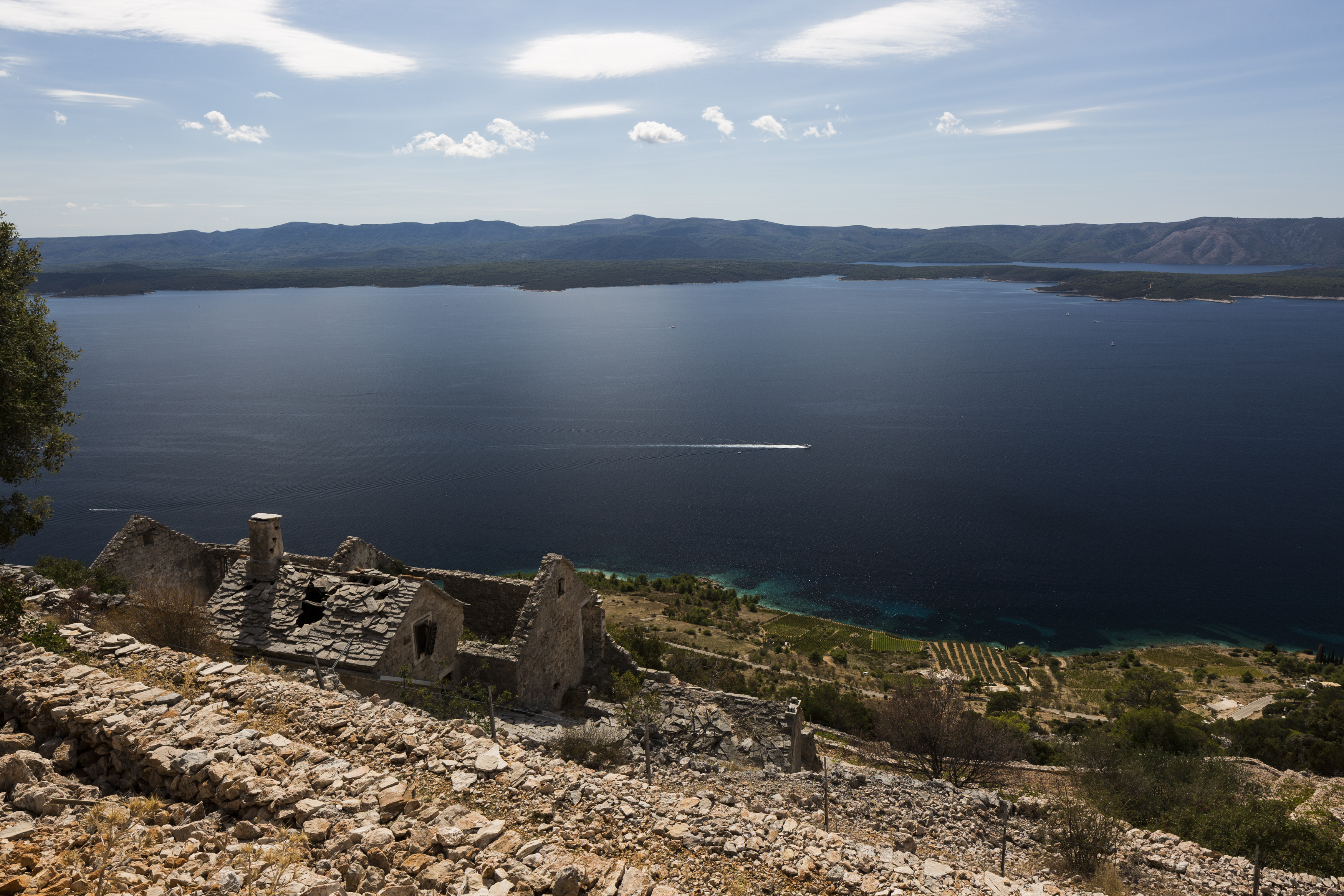 Dalmatia: Where to enjoy the stillness of fjaka
Sponsored Content When Dalmatia slows down in the early afternoon, here are some perfect places to enjoy a little dreaminess.


-
Dalmatia: Where to enjoy the stillness of fjaka
Sponsored Content When Dalmatia slows down in the early afternoon, here are some perfect places to enjoy a little dreaminess.
-
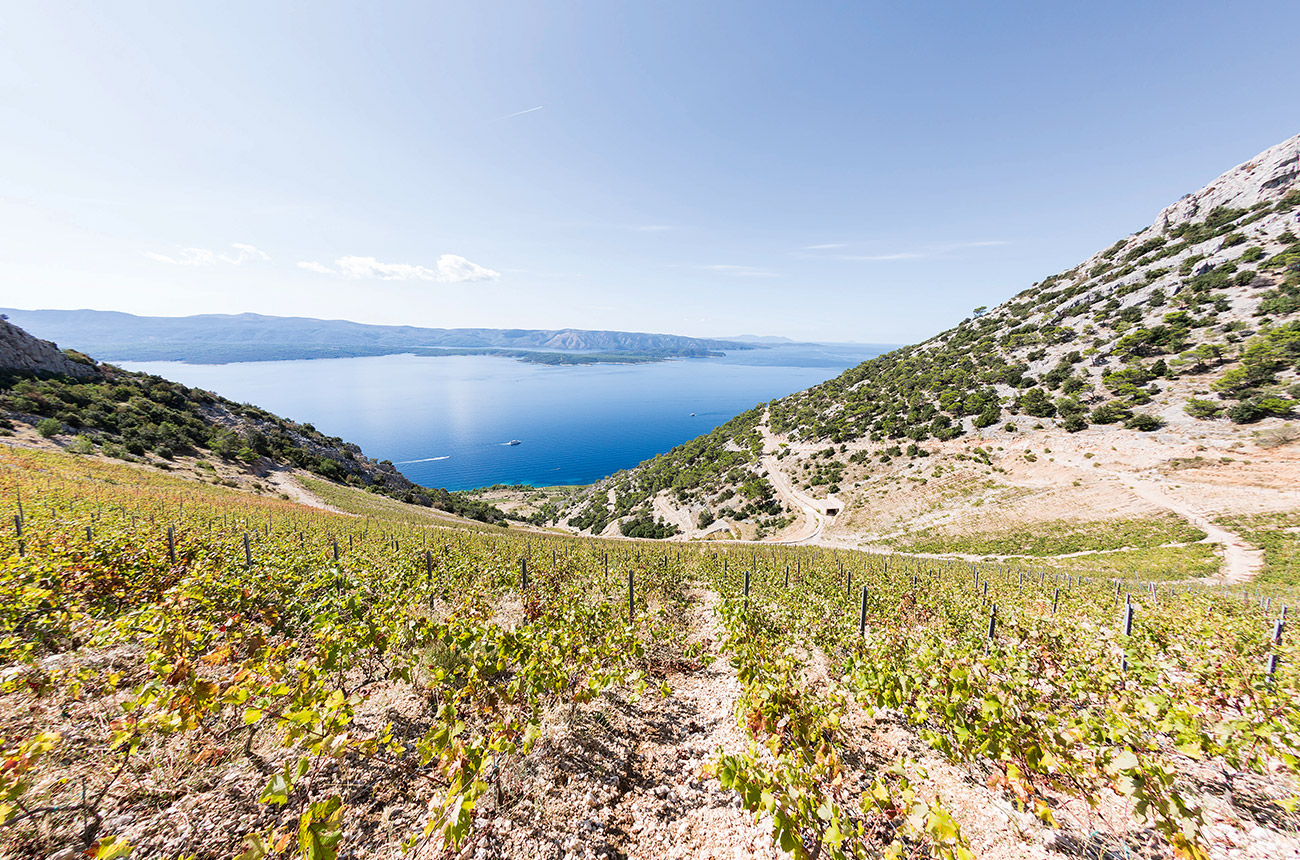 Dalmatia: The crimson coast
Sponsored Content Sun-kissed by the shores of the Adriatic, Dalmatia’s vineyards are home to bold and inviting red wines with plenty of potential.
-
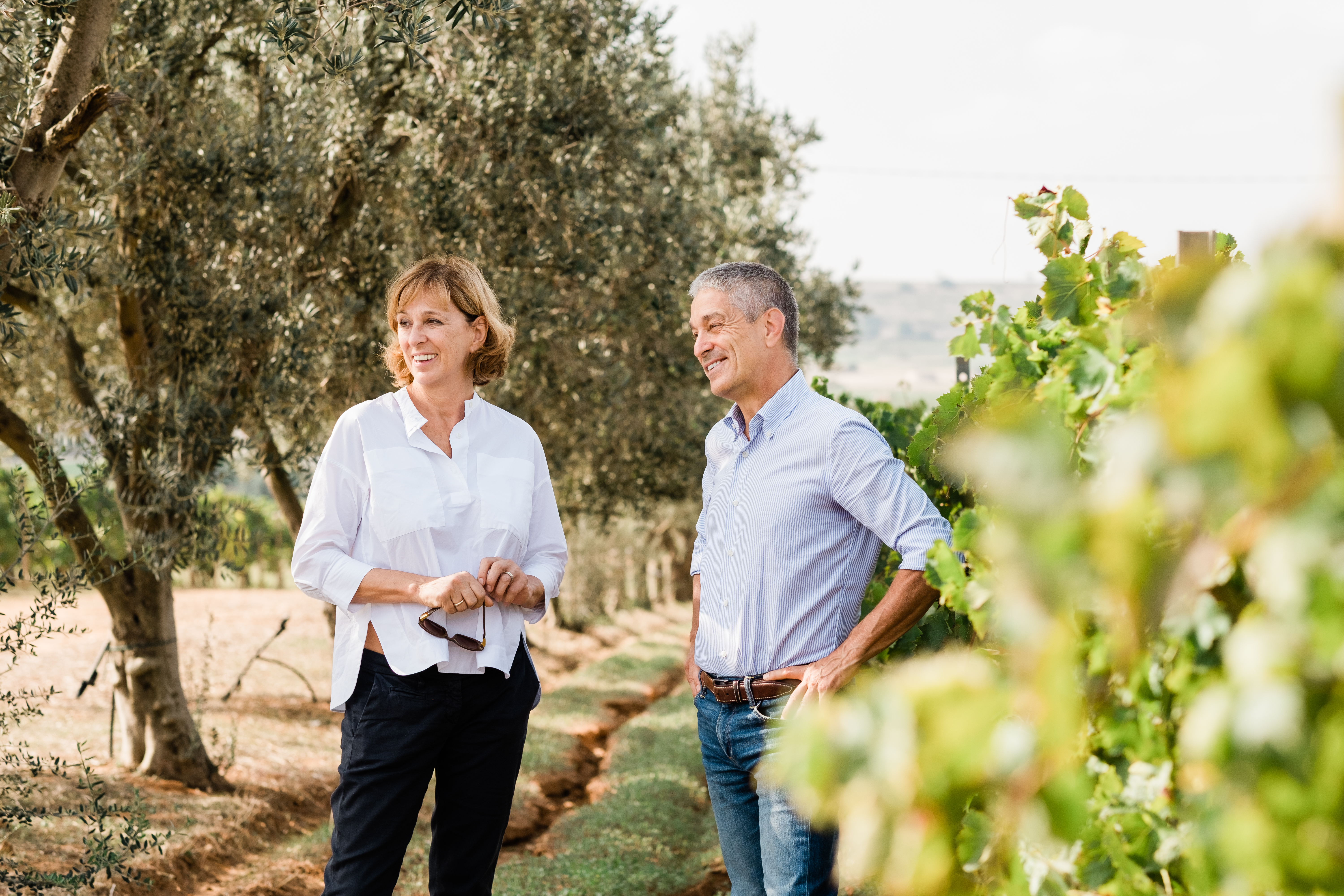 Azienda Agricola Cortese: Championing sustainability in the heart of Sicily
Sponsored Content Meet the winemakers using ancient techniques and sustainable practices to create fresh, modern interpretations of Sicilian varieties
-
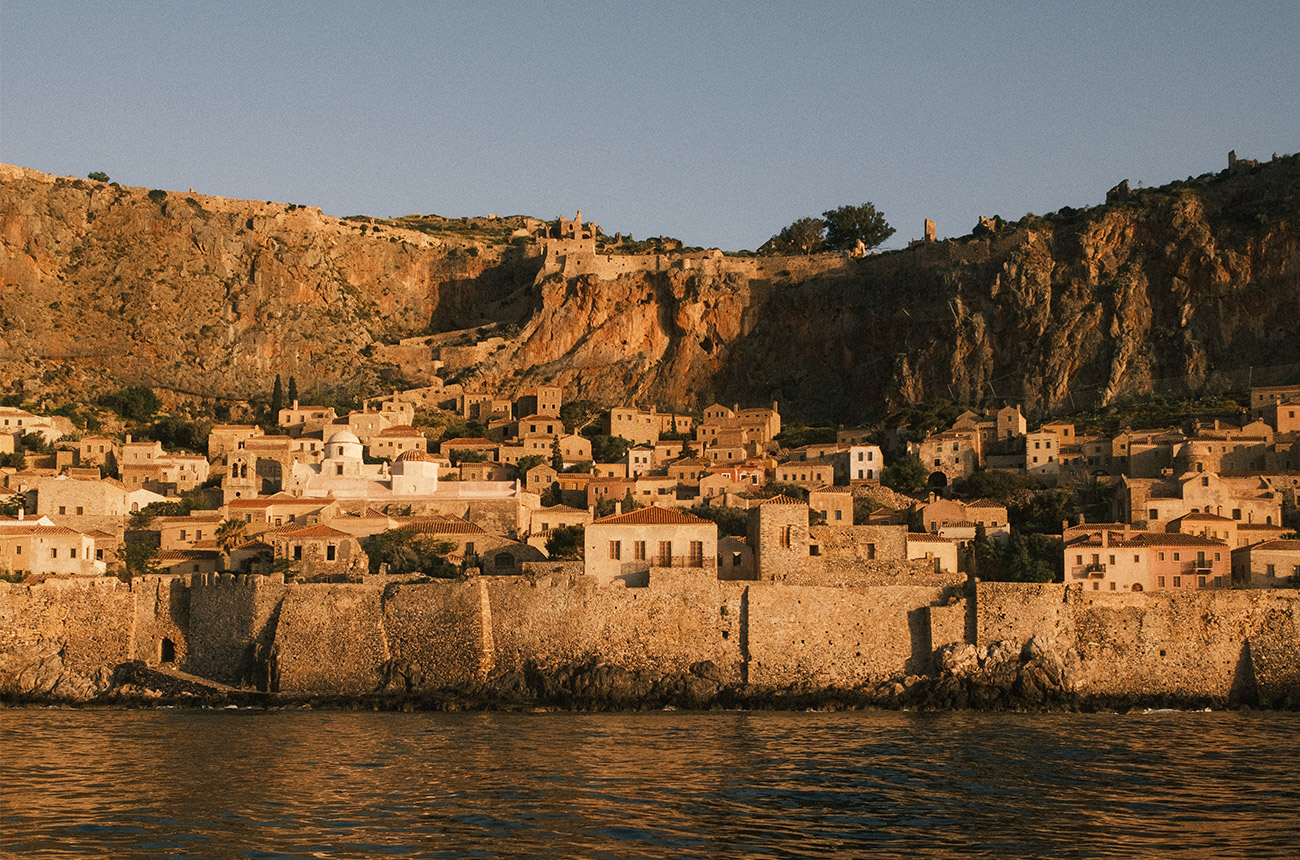 Monemvasia Winery – Tsimbidi: Bringing an ancient wine into the modern age
Sponsored Content George and Elli Tsimbidi’s winery not only revived one of history's most famous wines but is now breathing fresh life into other native Greek varieties.
-
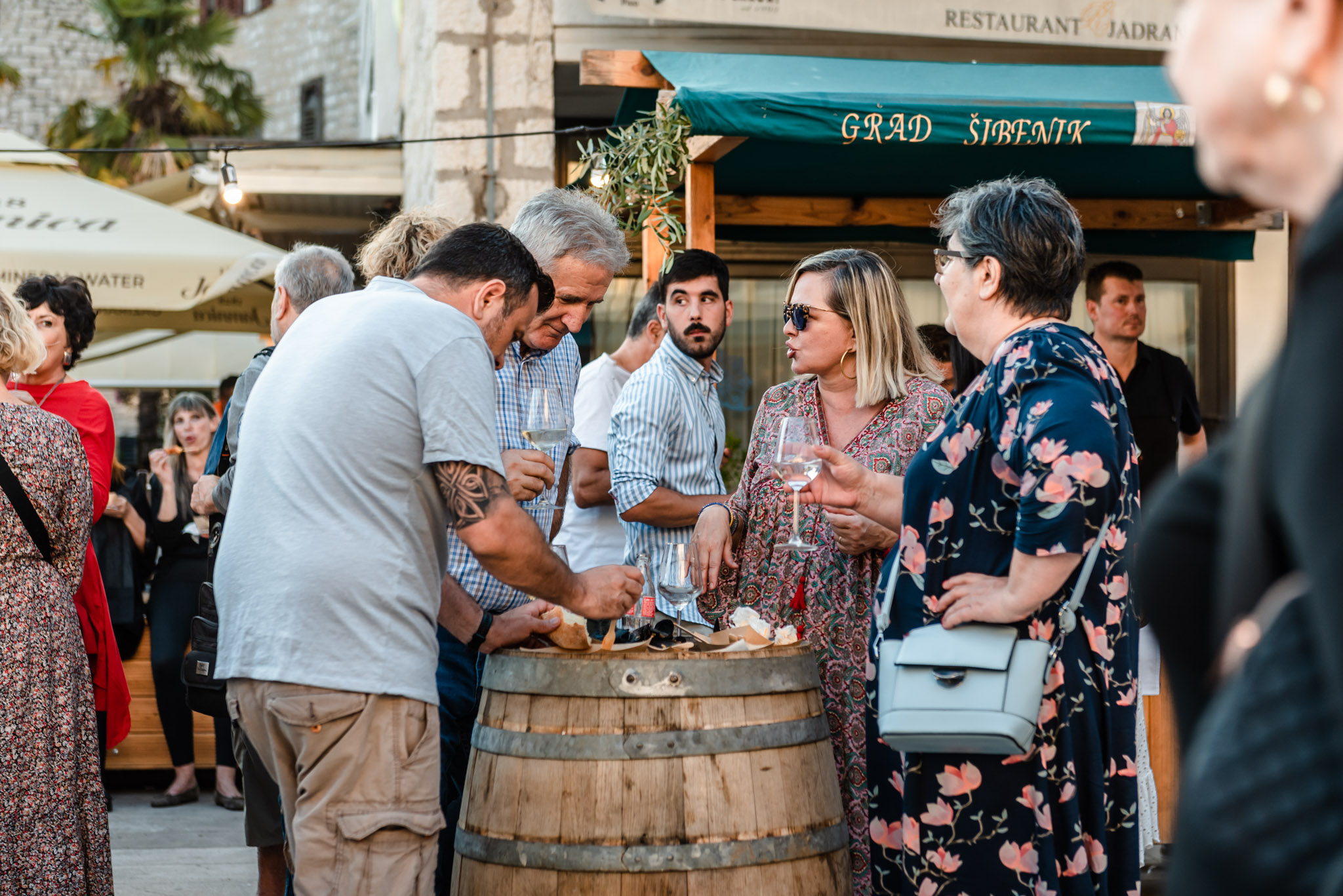 Marenda – A Dalmatian ritual
Sponsored Content What started as a work break has become a well-observed tradition in Dalmatia – one that pairs perfectly with local wine.
-
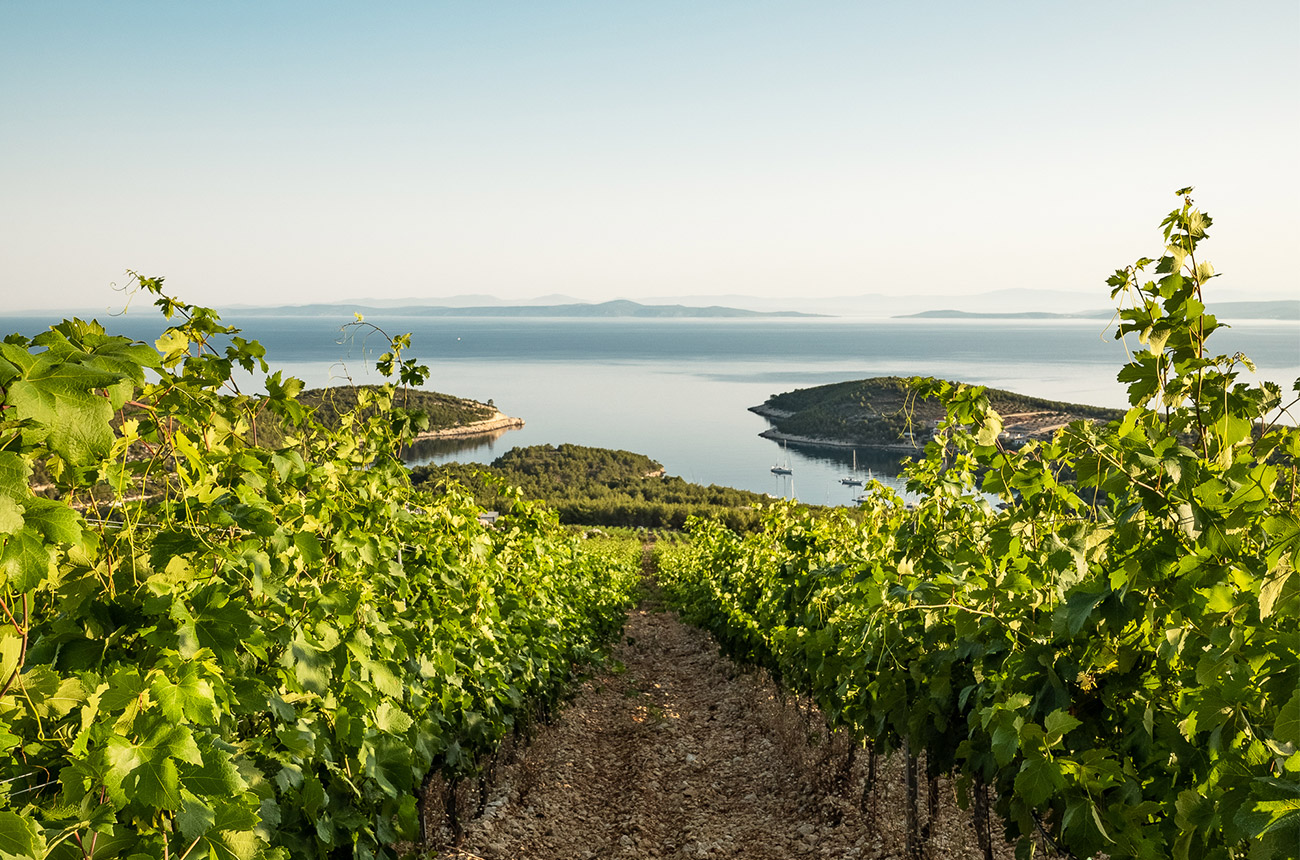 Dalmatia's hall of fame: DWWA winners
Sponsored Content Discover a selection of medal-winning Dalmatian wines from the Decanter World Wine Awards.
-
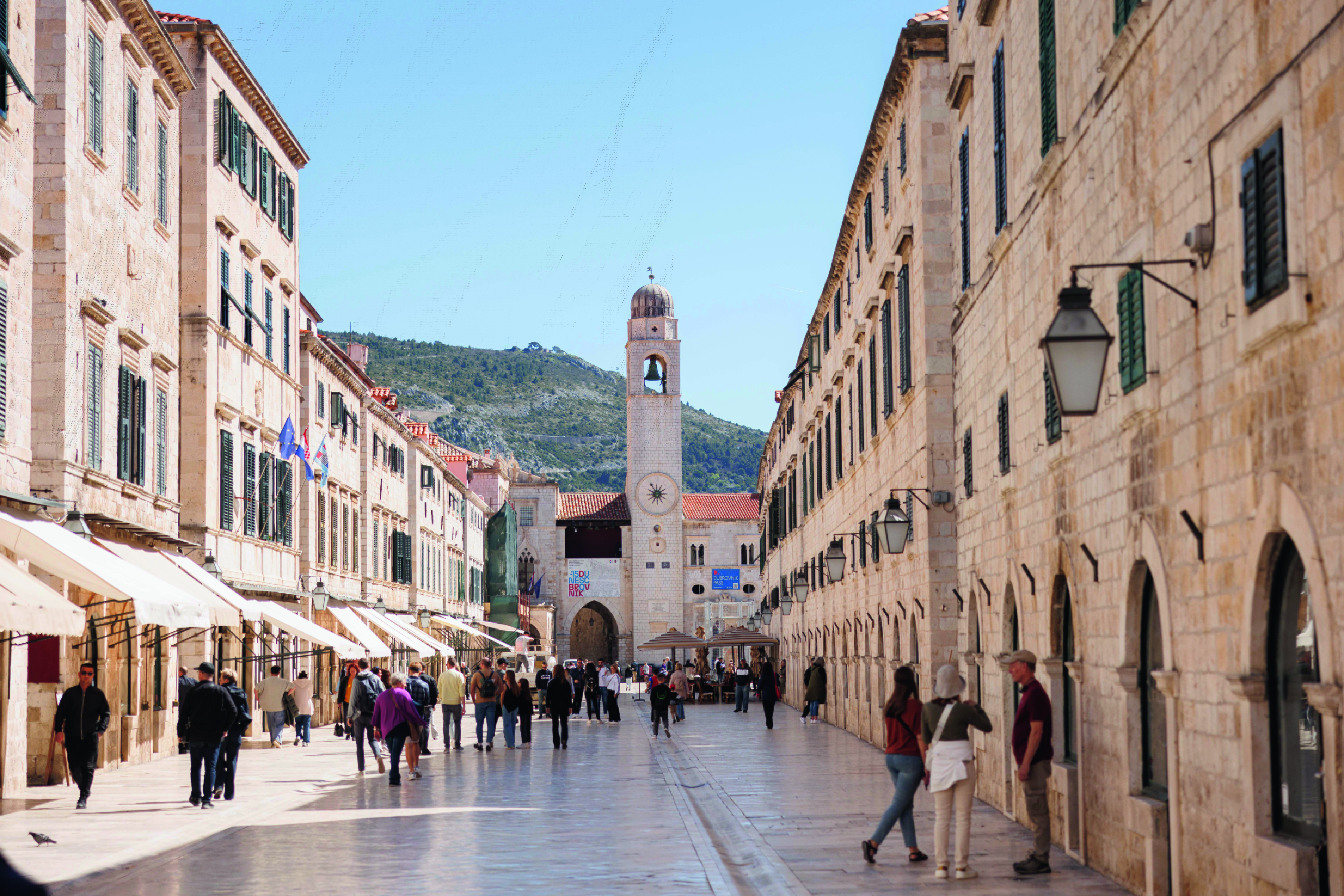 Pomalo: Dalmatia's answer to hustle culture
Sponsored Content A state of mind in Dalmatia, pomalo, which roughly translates as ‘take it easy’, sets the pace of life in this scenic region of Croatia.
-
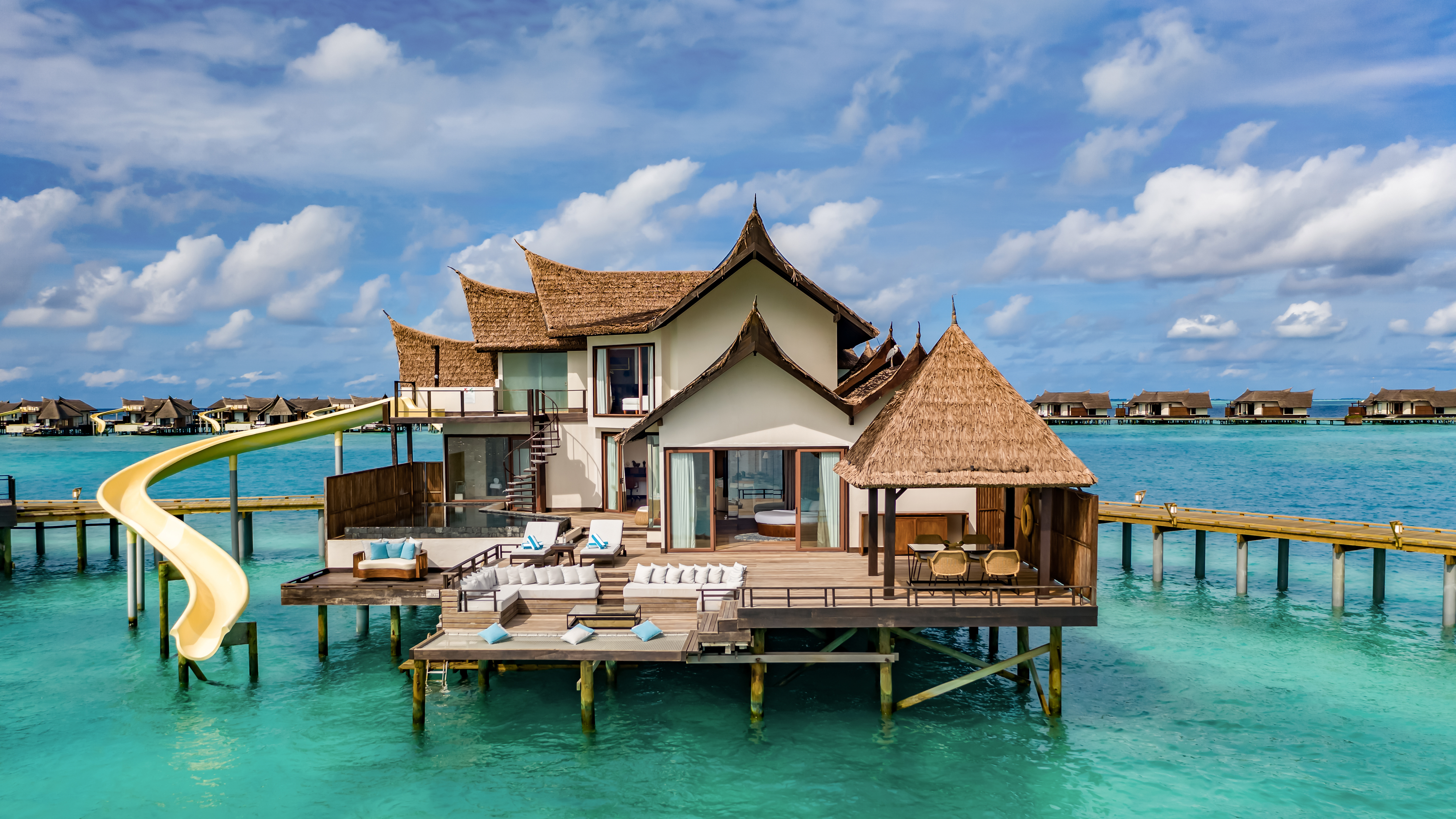 A Maldives paradise for wine lovers
Sponsored Content The unique wine culture at OZEN RESERVE BOLIFUSHI extends well beyond its carefully curated list with expert tastings, creative pairings and unexpected discoveries to make lasting holiday memories.


