

Investing in a sustainable future – waste reduction, recycling, energy efficiency, water management and lower greenhouse gas emissions – means that Spain’s Ramón Bilbao is already well on the way to meeting its target of a 20% reduction in all areas by 2020.
For Chief Winemaker Rodolfo Bastida, precision viticulture has become central to his mission to maximise the potential of the Ramón Bilbao vineyards in producing fresh, elegant, modern wines with balanced structure.
‘Using technology such as drone flights, we can manage our vineyards efficiently all year round,’ Rodolfo explains. ‘Monitoring areas with excessive vigour or higher yields, we can control leaf canopy as required and still achieve optimal ripeness without the excessive use of water.’
Rodolfo also uses detailed data from local weather stations to schedule work in the vineyards, such as increasing irrigation in a heatwave, or applying treatments in disease-bearing winds. ‘This information will be invaluable to the next generation of winemakers.’

Aiming higher
In 2018, Ramón Bilbao became the first first winery in Spain to have its vineyards certified by the Wineries for Climate Protection organisation. ‘We’re harvesting 20 days earlier than we used to in Rioja, and that speaks volumes,’ explains Rodolfo.
‘Vineyards planted at higher altitudes benefit from lower temperatures and better ventilation, helping us avoid the need for pesticides and herbicides. We can pre-empt disease issues and treat only when necessary.’
Minimising the use of pesticides, herbicides and fertilisers allows the soil to maintain its natural biodiversity, helping the terroir to express itself fully in the wine.
Pheromones are sprayed in the Ramón Bilbao vineyards to deter the grape berry Bilbao vineyards to deter the grape berry at harvest time. Organic sheep fertiliser is also used to improve biological activity in the soil, and therefore its capacity to provide nutrients to the vines.

For the future
Current focus areas for research and development – central to Ramón Bilbao’s philosophy – include wood diseases (notably a fungus that can get into the vine at pruning), models to predict the development of mildew and oidium, and monitoring soil micro-organisms to better understand the overall health of a vine.
‘For a long time we’ve carefully managed our vineyards, soils and winemaking techniques to help us minimise our impact on the environment, but it doesn’t stop there,’ says Rodolfo. ‘Our work now is geared to informing our future development. Whether it’s new clones or even varieties in regions that are new to us, or further adapting our current viticultural areas, our aim is to ensure that the generations to come can continue the Ramón Bilbao name, sustainably.’


-
 Shaping the future of wine & spirits: What’s new at ProWein Düsseldorf?
Sponsored content Returning on 15 – 17 March in Düsseldorf – discover what's new at ProWein in 2026...
-
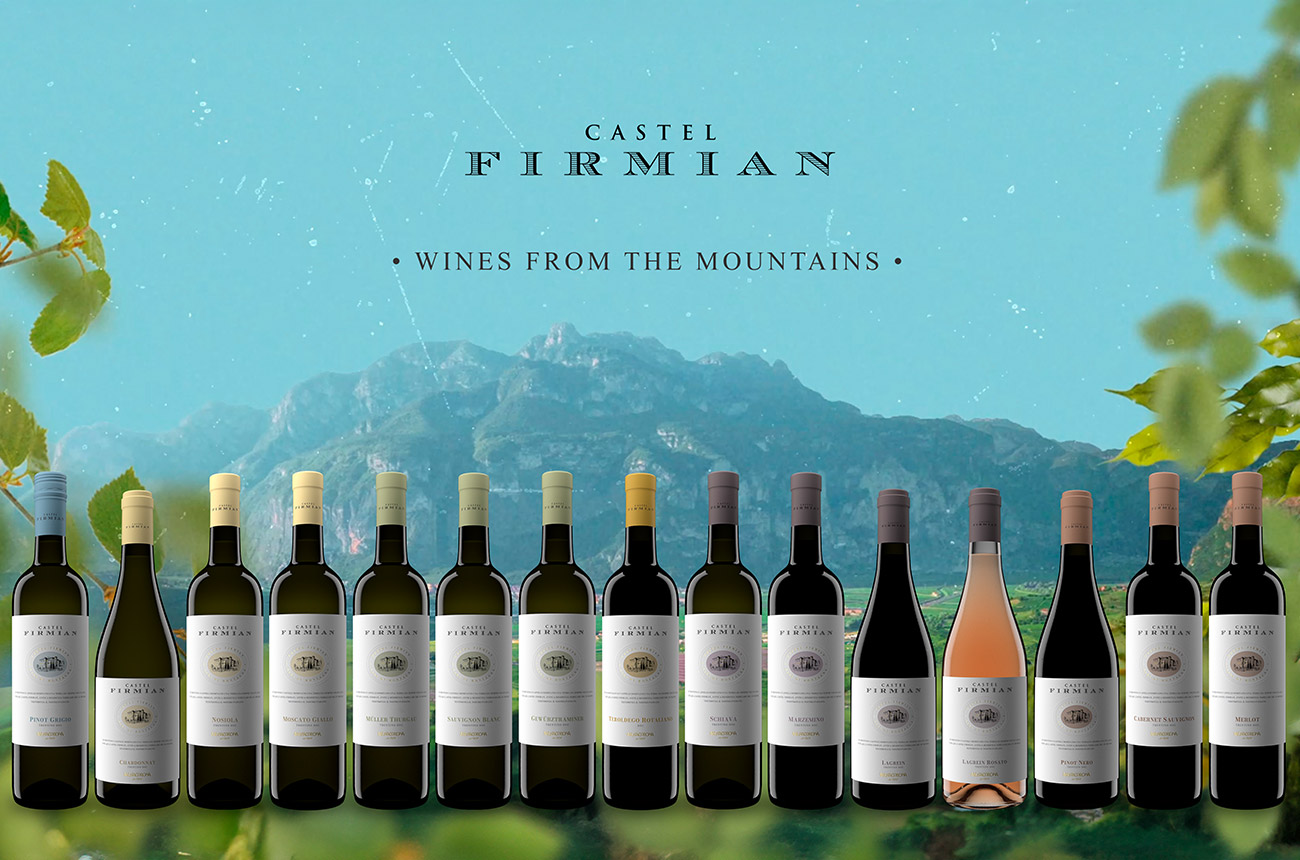 Castel Firmian presents a fresh new look with Wines from the Mountains
The Trentino winery telling its story with a fresh rebrand...
-
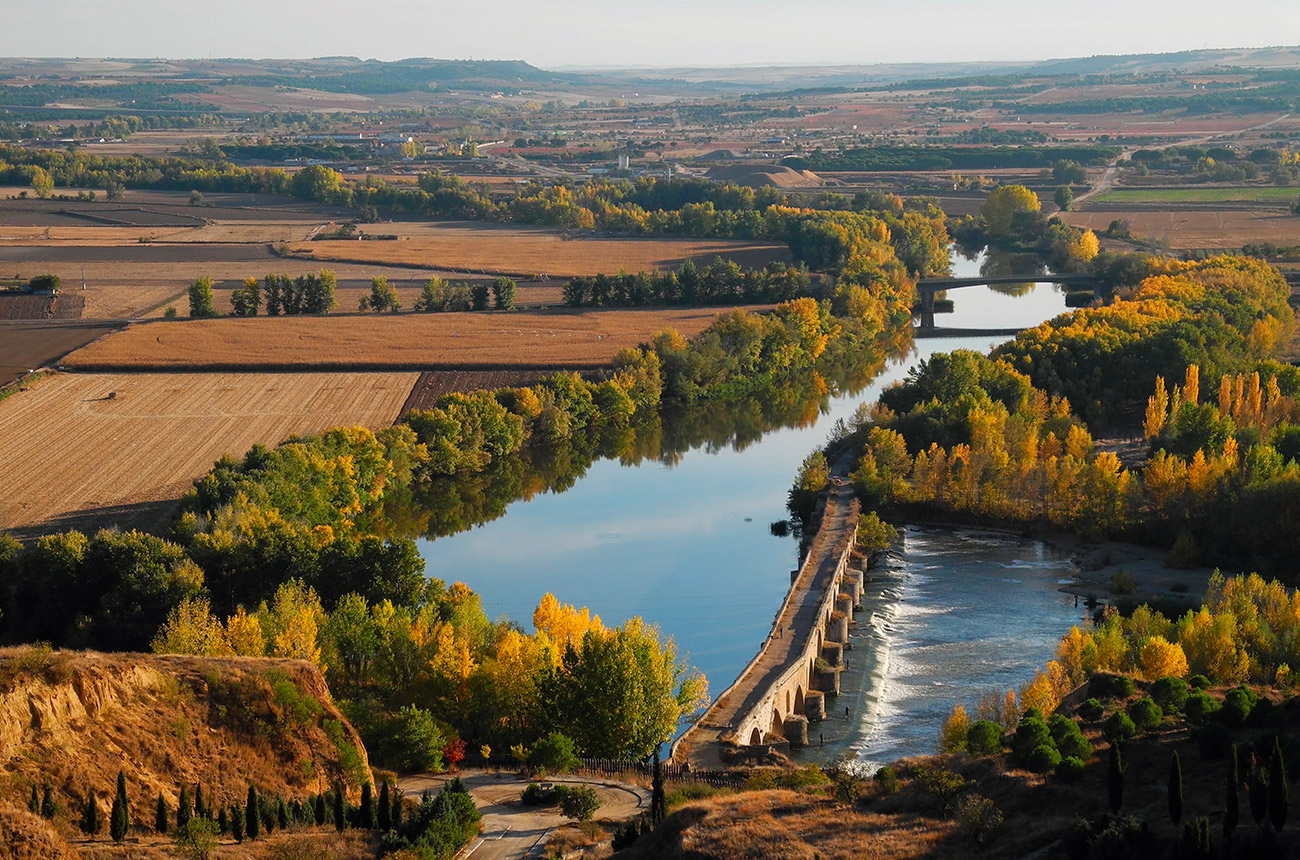 Toro: A tale of resilience, evolution and commitment
This region’s past offers important clues on how to face present challenges...
-
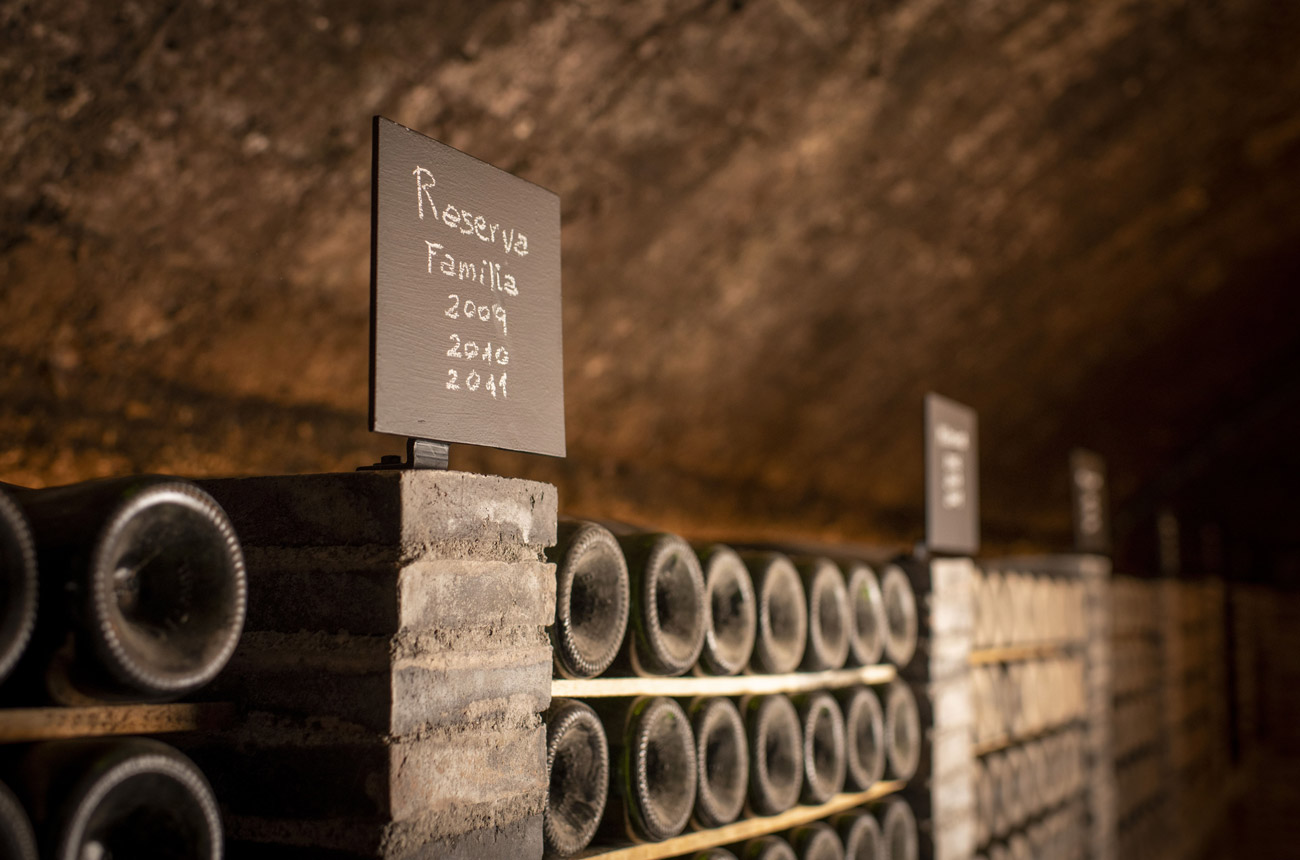 Juvé & Camps: Taking long-aged sparkling wines to new heights
Sponsored content Long-aged sparkling wines that express the craft of the winemakers...
-
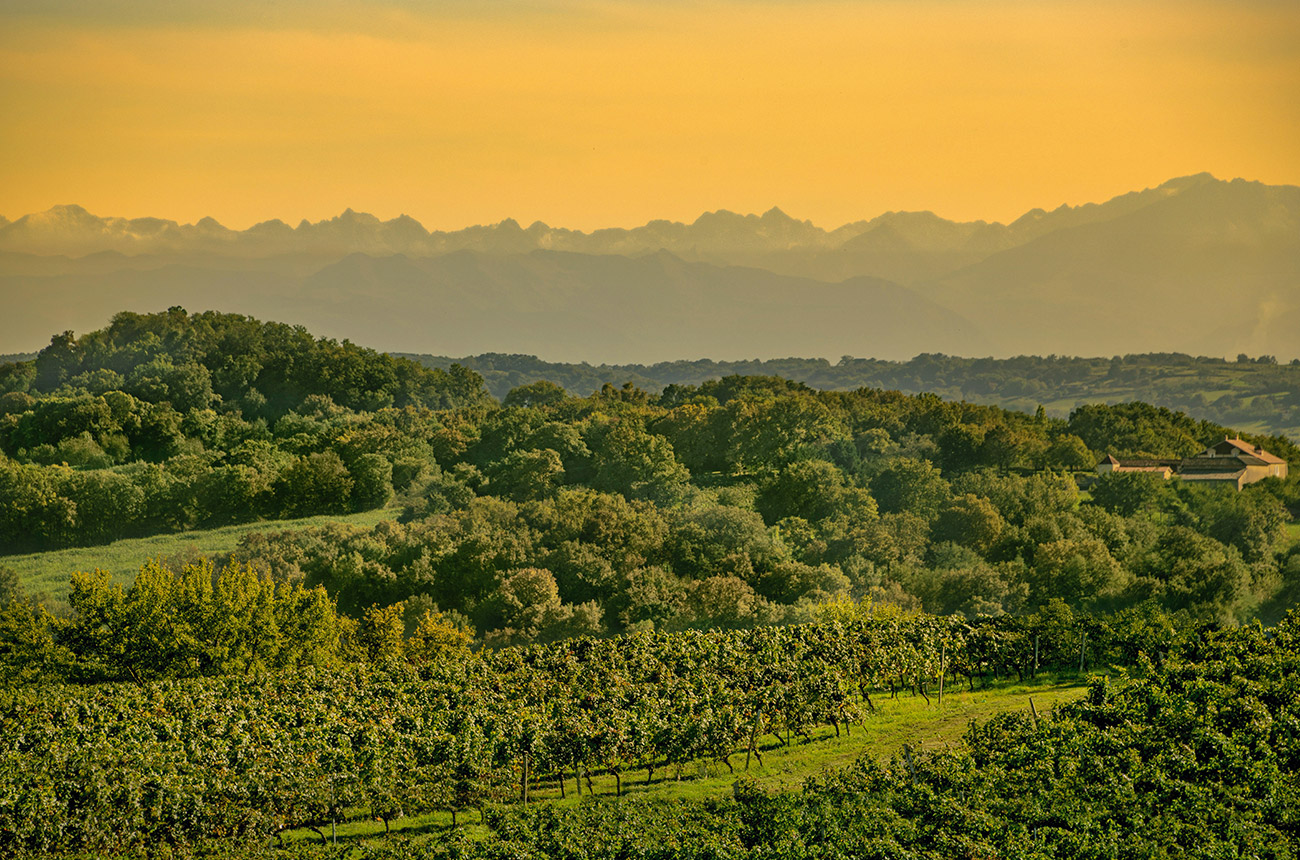 Plaimont: Building the future of Saint Mont
Sponsored content A 'super cooperative' leading on sustainability in the Pyrenean foothills...
-
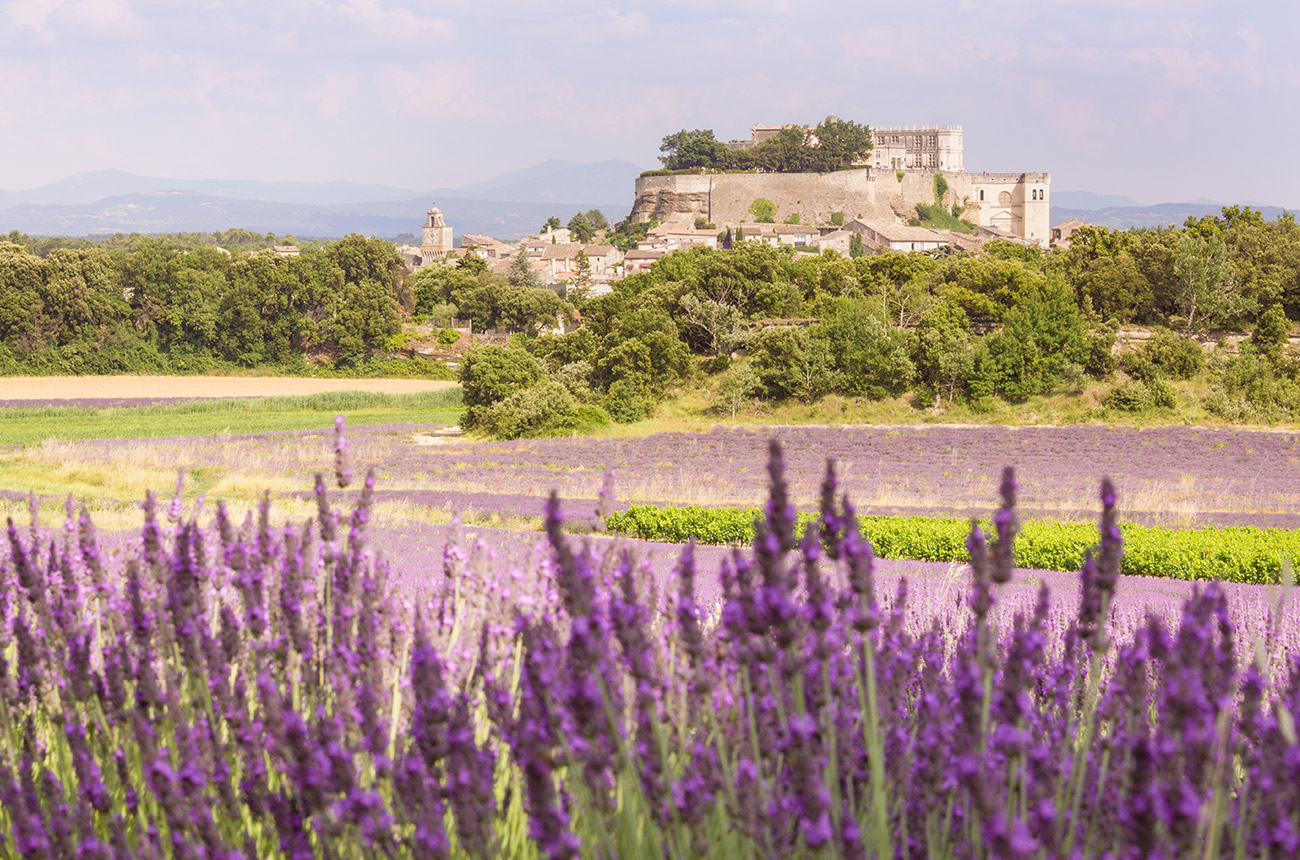 Grignan-les-Adhémar AOC: At the head of the Southern Rhône
Sponsored content Discovering the diversity of the Southern Rhône’s most northerly appellation...
-
 Wine Paris 2026: A new era for the global drinks industry
Returning from 9-11 February in Paris, discover what's new in 2026...
-
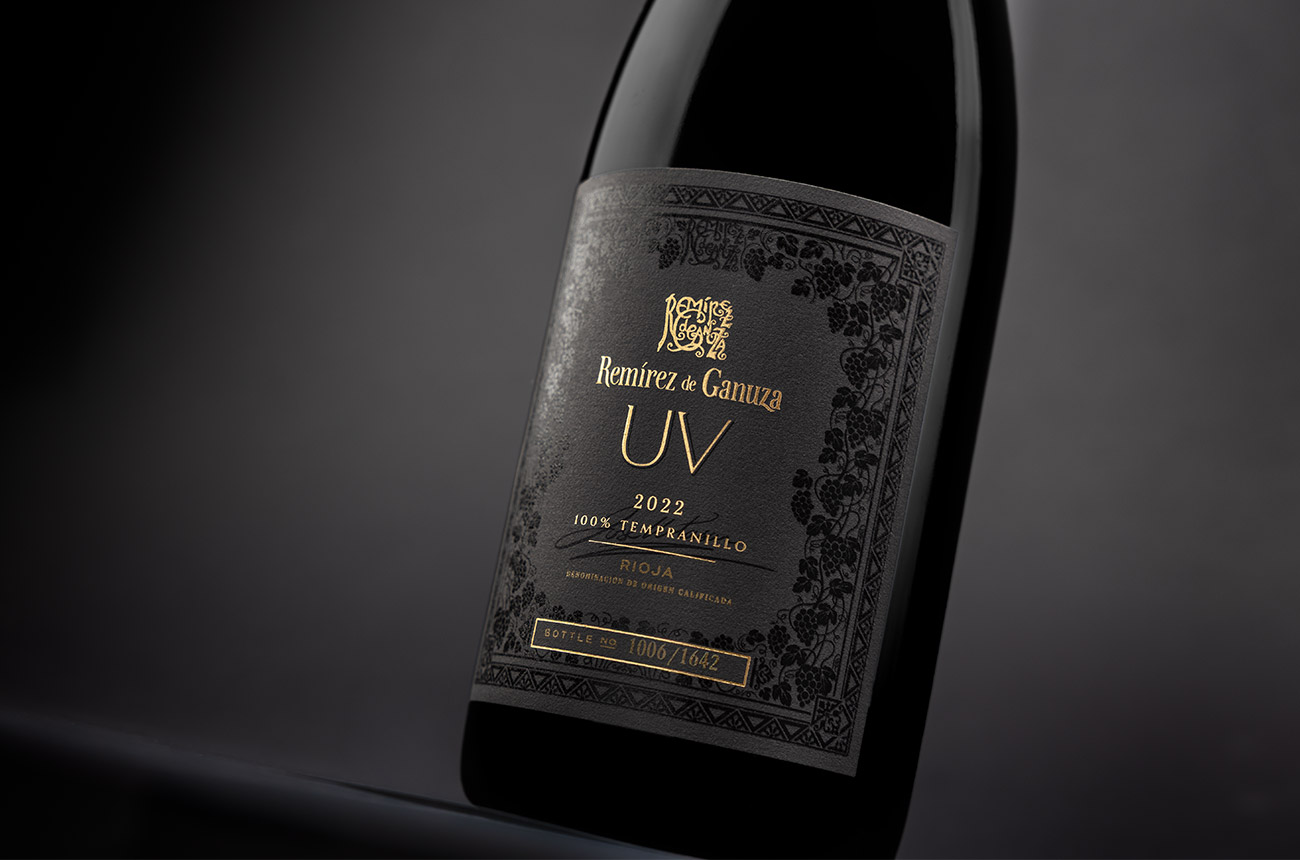 Remírez de Ganuza: Looking to the future
Decanter sits down with Jose Ramón Urtasun...


