

From history, geography and climate, to the characteristics of its iconic grape variety, there are many aspects that make Rías Baixas such an exciting appellation. Roman Sosnovskiy, Ramón Bilbao’s brand ambassador in Russia and one of the highest regarded European sommeliers, lists the ten essential facts about Green Spain’s most prominent region.
1. Location
Rías Baixas is a picturesque region located in Galicia, in northwestern Spain. Galicia’s capital, Santiago de Compostela, is the final stop of the Camino de Santiago pilgrimage route and the alleged burial site of the Biblical apostle St. James.
2. Meaning behind the name
Rías Baixas translates as “lower estuaries”. The landscape is dominated by a dramatic coastline, with rocky fjords, green hills and forests. Its granite soils provide good drainage for vineyards.
3. Maritime climate
Directly influenced by the Atlantic Ocean, Rías Baixas is one of the wettest wine-growing regions with an annual rainfall of up to 1,700 mm. Global warming is, however, becoming noticeable: 2017 was marked by forest fires and 2020 was one of the hottest vintages on record.
4. One region, thousands of growers
One of Spain’s smallest regions and incredibly fragmented: with an area of 4,000 hectares, it is divided into 21,800 plots belonging to 5,500 growers.
5. Sub-regions
Rías Baixas is divided into five official sub-regions, different in size, soil type, distance from the ocean, altitude, and wine style: Ribeira del Ulla, Val do Salnés, Soutomaior, O Rosal and Condado de Tea. The most important is Val do Salnés, which covers 2700 hectares and is home to almost 50% of all of the region’s wineries.

6. Myth and reality
The local ancient winemaking history is deeply associated with the Albariño grape. According to the legend, Middle Age pilgrims brought Riesling vines which adapted to the local climate and mutated to Albariño. The variety’s name indeed means ‘the white from Rhine’. But modern genetic studies confirmed that Albariño is indigenous to the banks of the Umia River and not related to the German variety.
7. Star grape
Before the phylloxera blight, Albariño was an inconspicuous variety. However, by the 1950s it had spread throughout the region and began to prevail. In 1980 the region was granted the Denominación Específica Albariño which in 1988 was changed to DO Rías Baixas. Nowadays, Albariño accounts for 85% of all grapes harvested in Rías Baixas and, due to high demand, is one of the most expensive varieties in Spain.
8. Albariño profile
Albariño is a moderately productive variety with compact clusters and small, thick-skinned berries. It produces wines with medium to rich aromas of citrus, peach, apple, honeysuckle and acacia. Albariño wines are famous for their minerality and subtle salinity. Their high and zesty acidity is comparable to Riesling and its pH level almost identical to the German grape, which gives its wines great potential to age.
9. Pergola
A traditional vine training system, also called parral, in which vines are trained overhead in high trellises, providing good ventilation in a humid climate alongside optimal sun exposure. Studies show that grapes grown on pergola have higher acidity and lower pH levels. But this system only allows hand picking therefore making the wine more expensive.
10. Pioneers
When Rías Baixas obtained its DO status there were only 14 wineries in the region and Bodega Mar de Frades (founded in 1987) was one of them. Today, the winery is managed by the talented oenologist Paula Fandiño. Her latest innovation is Finca Monteveiga — a single vineyard bottling from Ribeira del Ulla.

More from the Spanish Wine Academy

-
 Why California's Mediterranean varieties are about to have their moment in the sun
There's much more to California than Cabernet and Chardonnay...
-
 Mission DRC? The Yquem affair? A look at some of the most exciting wine heists
Not Hollywood scripts but rather very real cases of brash robbery and deceit. Some of which remain unresolved.


-
 Dalmatia: Where to enjoy the stillness of fjaka
Sponsored Content When Dalmatia slows down in the early afternoon, here are some perfect places to enjoy a little dreaminess.
-
 Dalmatia: The crimson coast
Sponsored Content Sun-kissed by the shores of the Adriatic, Dalmatia’s vineyards are home to bold and inviting red wines with plenty of potential.
-
 Azienda Agricola Cortese: Championing sustainability in the heart of Sicily
Sponsored Content Meet the winemakers using ancient techniques and sustainable practices to create fresh, modern interpretations of Sicilian varieties
-
 Monemvasia Winery – Tsimbidi: Bringing an ancient wine into the modern age
Sponsored Content George and Elli Tsimbidi’s winery not only revived one of history's most famous wines but is now breathing fresh life into other native Greek varieties.
-
 Marenda – A Dalmatian ritual
Sponsored Content What started as a work break has become a well-observed tradition in Dalmatia – one that pairs perfectly with local wine.
-
 Dalmatia's hall of fame: DWWA winners
Sponsored Content Discover a selection of medal-winning Dalmatian wines from the Decanter World Wine Awards.
-
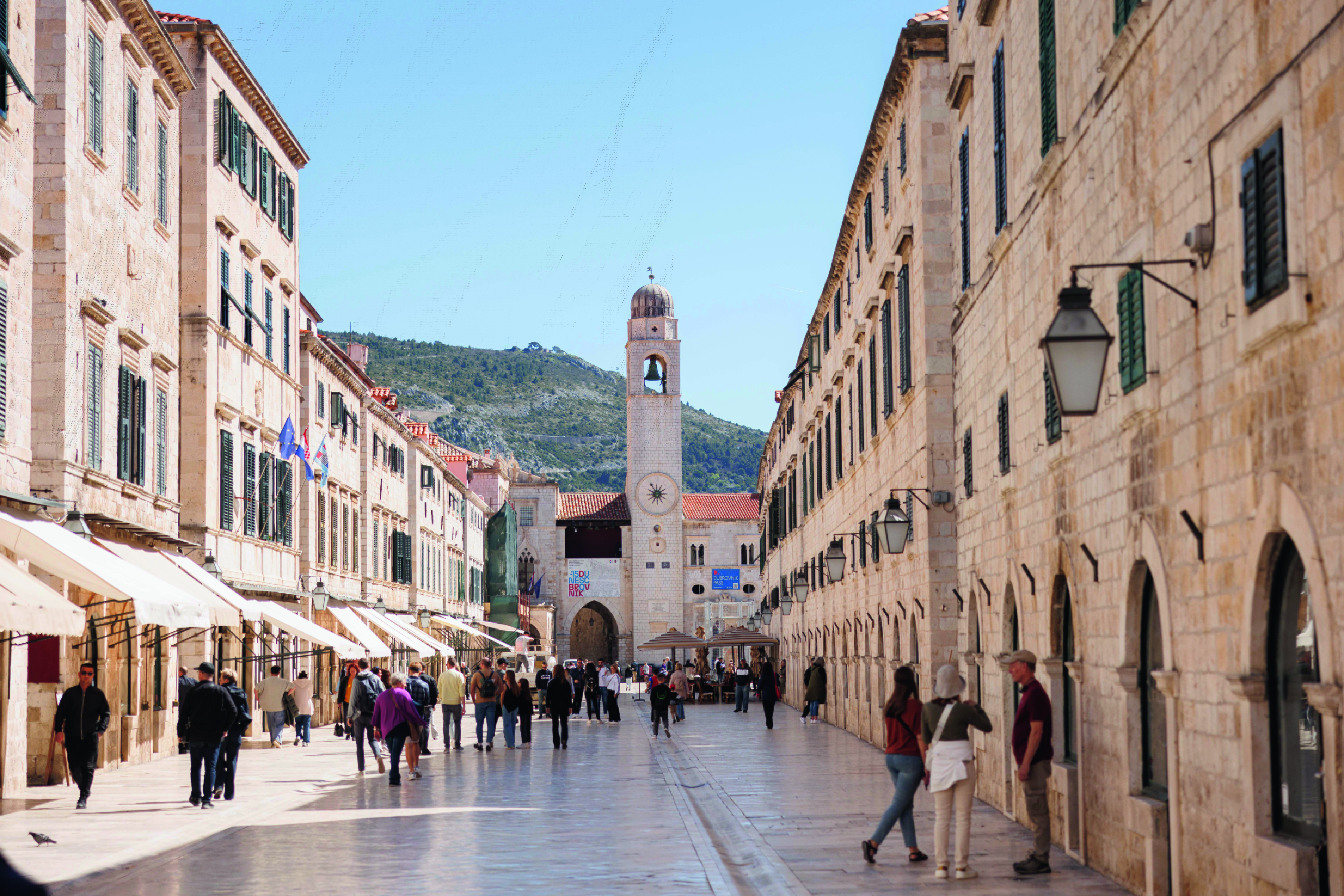 Pomalo: Dalmatia's answer to hustle culture
Sponsored Content A state of mind in Dalmatia, pomalo, which roughly translates as ‘take it easy’, sets the pace of life in this scenic region of Croatia.
-
 A Maldives paradise for wine lovers
Sponsored Content The unique wine culture at OZEN RESERVE BOLIFUSHI extends well beyond its carefully curated list with expert tastings, creative pairings and unexpected discoveries to make lasting holiday memories.


