

As Spain’s most renowned wine region, Rioja has a firm place in all wine lists around the world. It remains a place of exciting creativity and transformation, home to some of the most talented winemakers. Discover all about the region’s geography, history, climate and grape varieties, as well as its diversity and the innovation happening alongside the long established approaches and styles.
1. Location
Located in north-eastern Spain, Rioja DOCa covers most of the autonomous region of La Rioja but also extends to neighbouring Basque Country, Navarra and Castilla Y León. With the city of Logroño as its epicentre and the river Ebro as its axis, Rioja stretches for about 100 km along the river’s banks, from the towns of Haro, on the western edge, to Alfaro, east.
2. Climate
Rioja sits on a plateau with an altitude of between 300 and 800 metres, sheltered from the Atlantic by the Sierra Cantabria to the north and west, and from the Mediterranean by the Sierras de la Demanda and de Cameros, to the south. This results in a predominantly continental climate, although depressions in the mountain ranges allow for cool Atlantic and/or warm Mediterranean winds to influence sub-regional and vintage-specific conditions.
3. History
Viticulture in Rioja goes back more than 2000 years, thanks both to Iberian tribes and Roman settlers. Rioja played an important role in the development of Spanish language, culture and historiography: the first Castilian words were written in the 11th century A.D. within the estate of the Yuso monastery (near San Milán de la Cogalla, southwest of Logroño); monk Gonzalo de Berceo wrote the first poems in Castilian in the neighbouring monastery of Suso. Many of the poems written at the time referenced local wines and viticulture.
4. French influence
The fast development of Rioja’s modern winemaking era began when, in the second half of the 19th century, France sought alternatives to domestic wine after seeing its vineyards devastated by phylloxera. Merchants from Bordeaux swarmed to Rioja and the city of Haro soon became a trading hub where trains loaded with wine containers left for the port of Bilbao to then be shipped to France. This brought significant wealth to the region in a very short period of time, while also bringing in foreign expertise, knowledge and trends.
Perhaps the most important and lasting influence of this ‘French invasion’ was the use of oak. The French market demanded oak-aged wines, which Riojan winemakers hardly produced but quickly introduced to meet demand. And thus the modern Rioja wines, with clear wood influence and ageing classifications, was born. When the region received its DO (Denominación de Origen) status in 1925, the ageing categories (Crianza, Reserva and Gran Reserva) were legally defined.
5. Red varieties
Rioja is best known for its red wines, with Tempranillo as the flagship and most planted grape. Graciano, Mazuelo and Maturana Tinta are grown in small quantities and mostly used as blending companions to Tempranillo. Garnacha Tinta, the second most planted variety, is experiencing a real renaissance, namely through a renewed interest in the incredible stock of old Garnacha vines.
6. White varieties
Viura remains Rioja’s main white grape, although other indigenous white varieties are being rediscovered with great success. Tempranillo Blanco (a natural mutation of the red Tempranillo) and Maturana Blanca, whose presence in the region was first recorded in the 17th century, are performing particularly well. A good example of wine made from these two grapes is Límite Norte by Ramón Bilbao.

7. Terroir diversity
Rioja has 66,200 ha under vine, divided into 113,700 plots tended to by 14,800 passionate growers who supply the region’s 600 wineries. There are three larger subregions with distinct altitude, climate and soils – although there’s also great intraregional diversity thanks to different mesoclimates and microterroirs. West to east along the river Ebro the three main regions are: Rioja Alta, with strong Atlantic influence and limestone, clay and alluvial soils; Rioja Alavesa, with a climate similar to Rioja Alta and predominantly limestone-clay soils; Rioja Oriental, the warmest, with Mediterranean influence, known for its iron-rich clay red soils with round cobblestones.

8. Altitude
Due to global warming, altitude is becoming an increasingly important factor to produce the best grapes and most balanced wines. Rioja’s highest vineyards are located at 750 metres above sea level – lower temperatures and wider day-night temperature amplitudes extend the vegetative cycle and allow grapes to retain acidity while developing more aromatic complexity at lower alcohol.
9. Classic vs experimental
For decades, Rioja wines have been associated with long oak-ageing and deep fruit concentration. A new generation of winemakers is, however, exploring other approaches to produce fresher, brighter styles. Less time in oak, alternative fermentation and ageing vessels such as concrete eggs and clay tinajas, and gentler extractions are among the techniques winemakers are experimenting with.
10. New classification
In 2019, Rioja’s classification system was revised in order to introduce more terroir-led (rather than simply oak ageing-led) considerations. A four-tiered geographical classification has since been used and now particular villages can be indicated on the label. The pinnacle of this pyramid is the Viñedos Singulares (single vineyard) category. Furthermore, a new category for traditional method sparkling wines under the Rioja DOCa was also approved.

More from the Spanish Wine Academy

-
 Why California's Mediterranean varieties are about to have their moment in the sun
There's much more to California than Cabernet and Chardonnay...
-
 Mission DRC? The Yquem affair? A look at some of the most exciting wine heists
Not Hollywood scripts but rather very real cases of brash robbery and deceit. Some of which remain unresolved.


-
 Dalmatia: Where to enjoy the stillness of fjaka
Sponsored Content When Dalmatia slows down in the early afternoon, here are some perfect places to enjoy a little dreaminess.
-
 Dalmatia: The crimson coast
Sponsored Content Sun-kissed by the shores of the Adriatic, Dalmatia’s vineyards are home to bold and inviting red wines with plenty of potential.
-
 Azienda Agricola Cortese: Championing sustainability in the heart of Sicily
Sponsored Content Meet the winemakers using ancient techniques and sustainable practices to create fresh, modern interpretations of Sicilian varieties
-
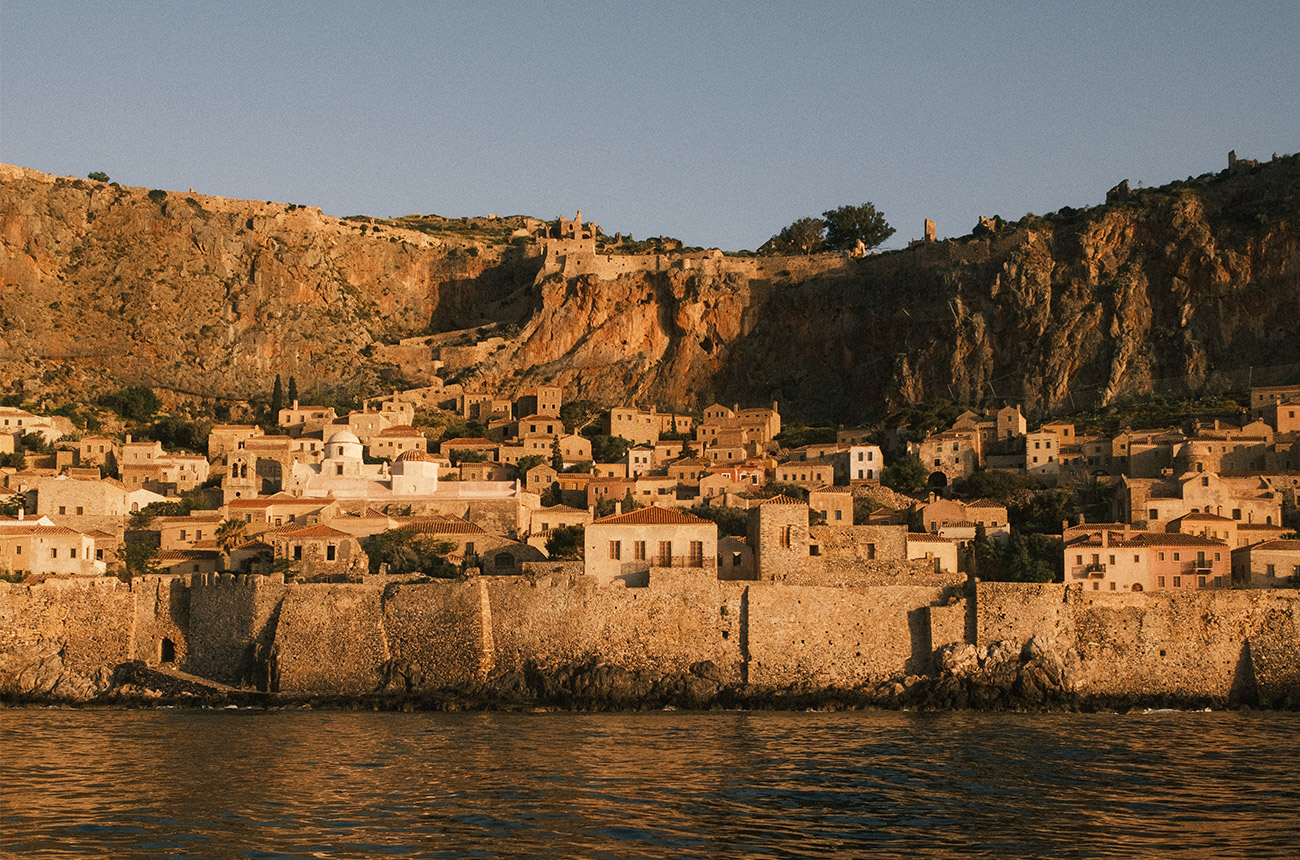 Monemvasia Winery – Tsimbidi: Bringing an ancient wine into the modern age
Sponsored Content George and Elli Tsimbidi’s winery not only revived one of history's most famous wines but is now breathing fresh life into other native Greek varieties.
-
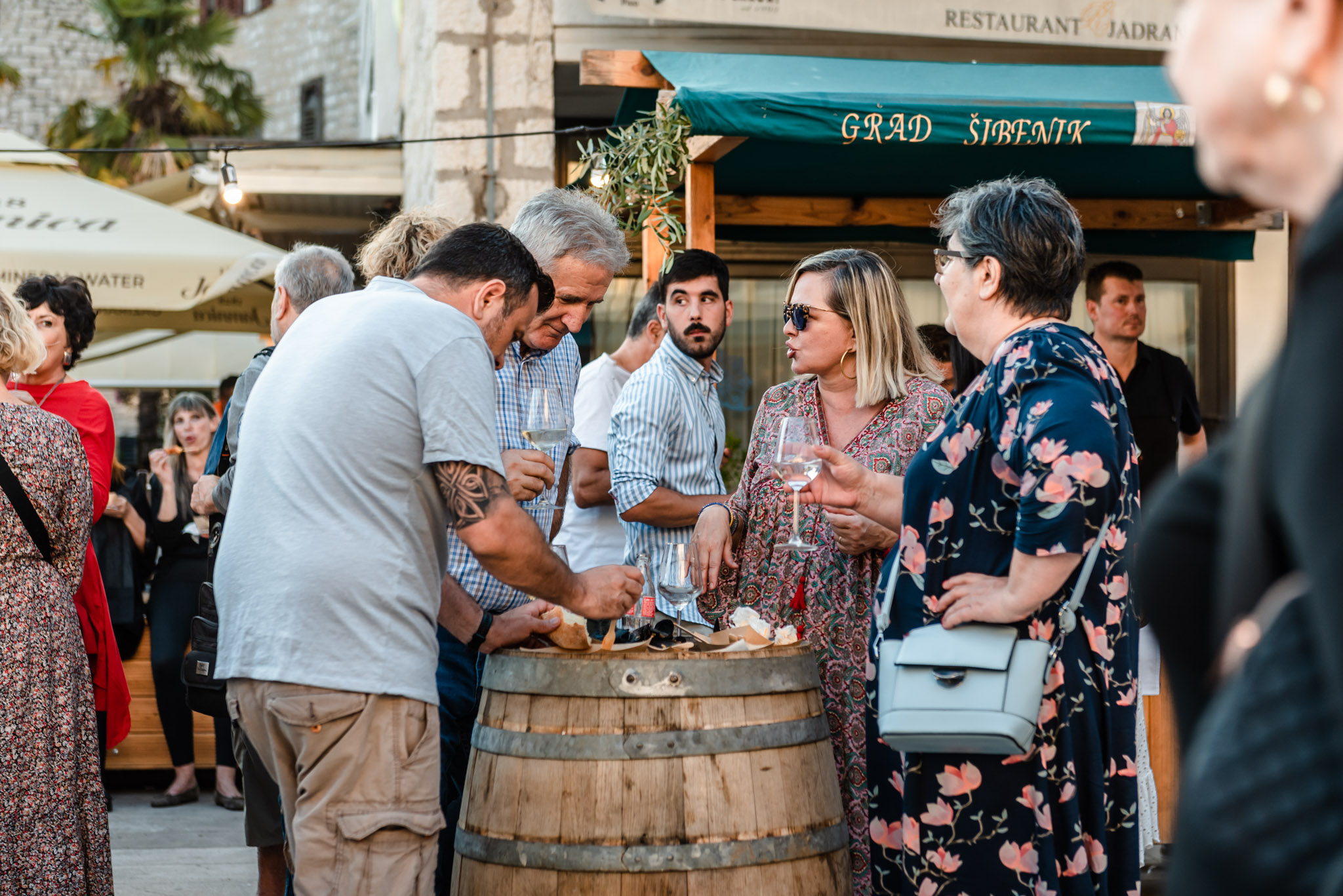 Marenda – A Dalmatian ritual
Sponsored Content What started as a work break has become a well-observed tradition in Dalmatia – one that pairs perfectly with local wine.
-
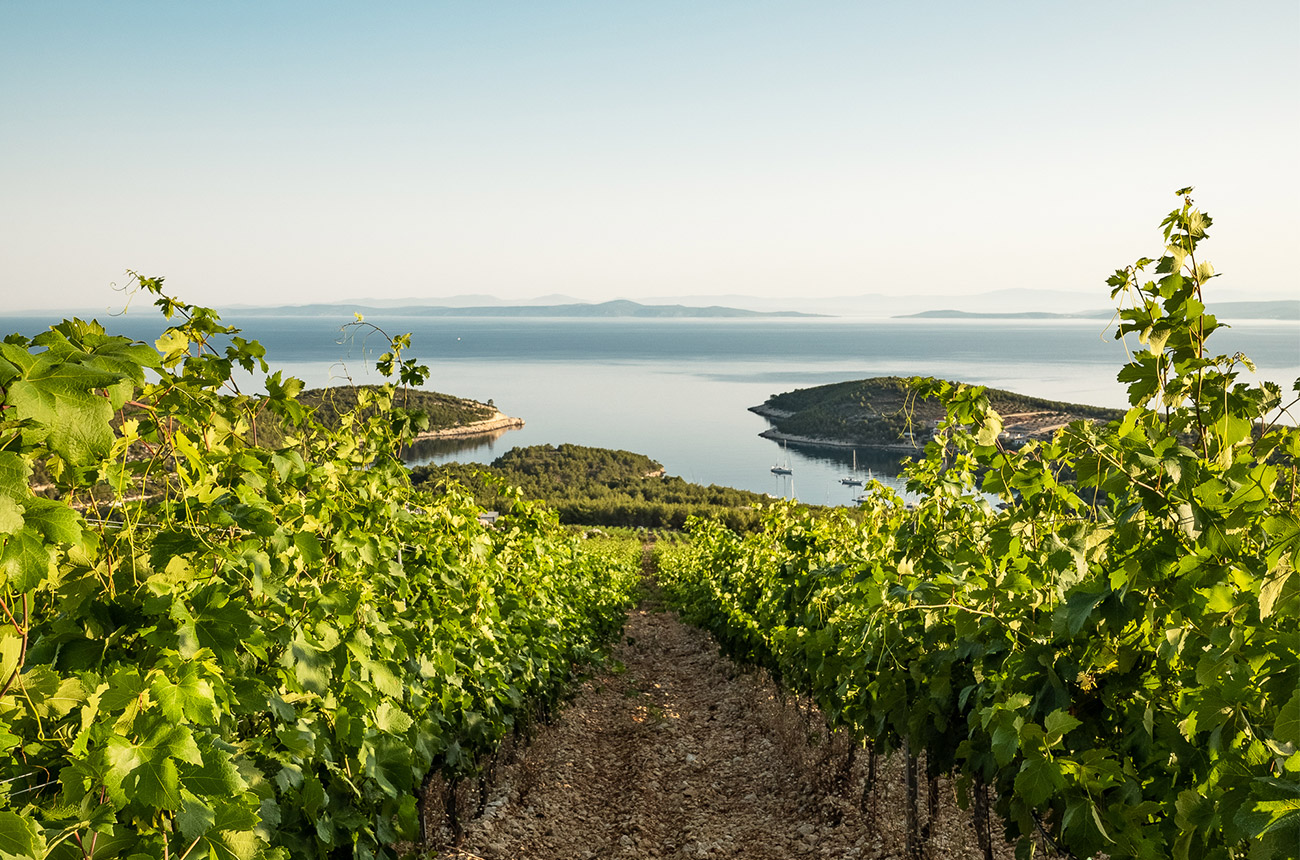 Dalmatia's hall of fame: DWWA winners
Sponsored Content Discover a selection of medal-winning Dalmatian wines from the Decanter World Wine Awards.
-
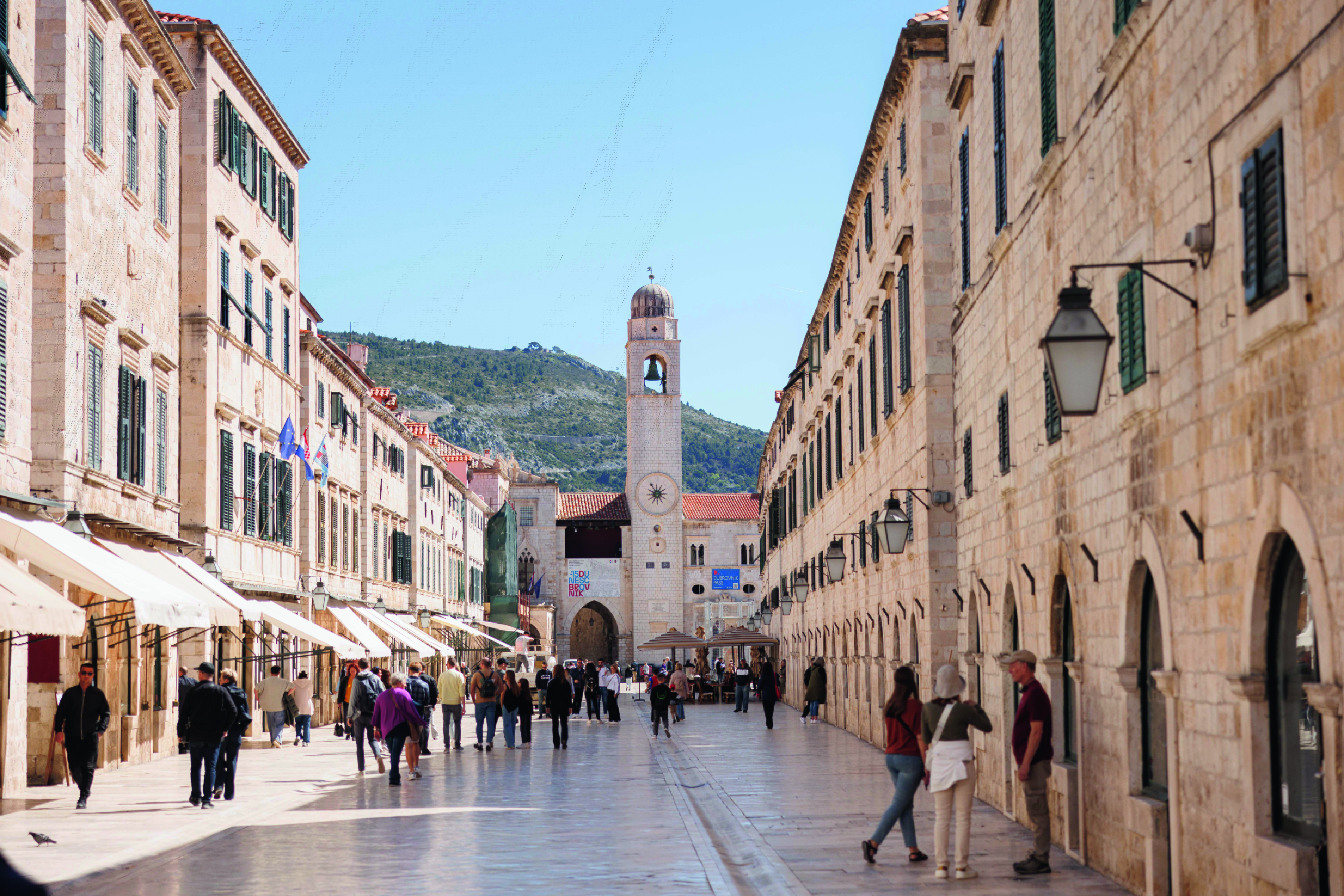 Pomalo: Dalmatia's answer to hustle culture
Sponsored Content A state of mind in Dalmatia, pomalo, which roughly translates as ‘take it easy’, sets the pace of life in this scenic region of Croatia.
-
 A Maldives paradise for wine lovers
Sponsored Content The unique wine culture at OZEN RESERVE BOLIFUSHI extends well beyond its carefully curated list with expert tastings, creative pairings and unexpected discoveries to make lasting holiday memories.


