

Having been granted DO status in 1980, Rueda has since become one of the go-to Spanish appellations for white wines. Nestled in a territory of great reds, it’s worth exploring what has shaped the region’s vocation, both historical and viticultural, for white wine production.
1. Location
Rueda is located in the heart of Castilla y Léon, east of Toro and south of the Duero river. It spans across 12,853 hectares.
2. Castilian paradox
Neighbouring the iconic appellations of Toro, Ribera del Duero and Cigales, known for their clones and expressions of the red Tempranillo variety, Rueda stands as a stronghold of white wine production in Castilla y León. Red and rosé wines are also produced and, since 2008, can bear the DO stamp, but quantities are tiny.
3. History
The hegemony of white wines in Rueda has deep historical roots. The legend says that when the area was reclaimed by the Spanish in the late 11th century, they found an unknown white variety planted by the Moors. It produced wines of great character, which in the 15th century became known as ‘vinos de Tierra de Medina’, sold and drunk across Spain thanks to the important fair of Medina Del Campo and the power of its patron, Queen Isabella I of Castile.
4. Topography and climate
The appellation sits at between 600 and 800 metres above sea level, at the core of the Meseta Central. The climate is continental with dry, hot summers, bitterly cold winters and a wide diurnal range, essential to preserve the trademark freshness of Rueda’s wines. 2600 sun-hours per year facilitate the development of a high level of polyphenols in the grapes, in turn translated into texture and aromatic complexity in the wines.
5. Soils
Rueda is famous for its gravelly soils, a result of alluvial deposits brought by the Duero river millions of years ago. The mineral-rich subsoil, with a high concentration of calcium and magnesium, provides ideal aeration, drainage and easy root penetration to the vines. There are important limestone outcrops on the highest altitude sites.
6. Flagship grape
Verdejo, Rueda’s star grape, accounts for more than 85% of all vineyard area in the region. Genetic research revealed its ancient origins and presence in Rueda, possibly brought from northern Africa by the Moors. Some theories suggest it might even be an ancient indigenous variety cultivated in the area in pre-moorish times.
7. Verdejo’s profile
The grape owes its name to the green (‘verde’ in Spanish) hue of its berries, although it also describes the key aromas of the wines it produces, such as freshly cut grass, fennel and lime zest. It has medium acidity and a pleasant bitter twist in the finish.

8. Historical specialties
Although often overlooked, Rueda is home to two very special historical specialties: Rueda Dorado and Rueda Pálido. Both with a minimum abv of 15% and produced from Palomino and/or Verdejo, the styles differ in ageing processes: Dorado ages oxidatively for a minimum of two years, while Pálido ages under flor for three or more years.
9. Modern styles
In 2020 the appellation introduced new styles and categories. Rueda Espumoso refers to Verdejo and/or Sauvignon Blanc sparkling wines with a minimum of nine months ageing on the lees. Vino de Pueblo, a ‘Village’ category, was also introduced. Gran Vino de Rueda, on the other hand, identifies wines made from vineyards with a minimum age of 30 years and a maximum yield of 6200 kg/ha.

10. Novel approaches
Although the region is mostly famous for its steel fermented, aromatic Verdejos, different expressions of the grape are being explored. In 2016, Rámon Bilbao released the first vintage of its Edición Limitada Lías, a concrete-fermented Verdejo aged for eight months in French and Hungarian oak with regular batonnage, with complexity and richness of texture alongside the trademark acidity and herbal florality of the grape.

More from the Spanish Wine Academy

-
 Meet the new technical manager of Château-Grillet on its 90th anniversary
One appellation, one estate, one grape variety, 3.5ha. Matt Walls checks in on this legendary Rhône white, 90 years after it gained appellation status.
-
 Gen Z Wine Challenge: Amelia, 21
In a new Decanter series, 18- to 29-year olds around the world give their honest opinion about a wine they've splashed out on – and if it was worth the cash.


-
 Dalmatia: The crimson coast
Sponsored Content Sun-kissed by the shores of the Adriatic, Dalmatia’s vineyards are home to bold and inviting red wines with plenty of potential.
-
 Azienda Agricola Cortese: Championing sustainability in the heart of Sicily
Sponsored Content Meet the winemakers using ancient techniques and sustainable practices to create fresh, modern interpretations of Sicilian varieties
-
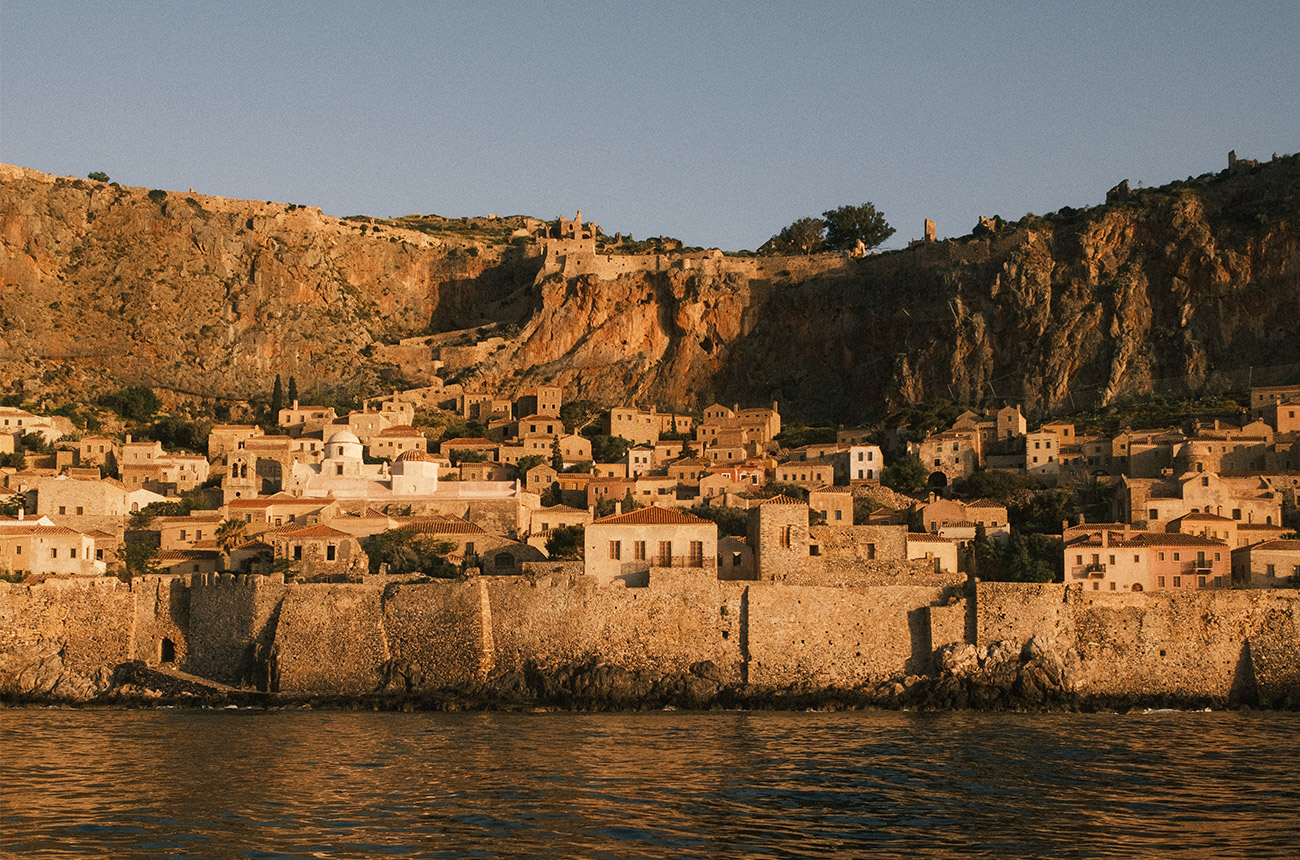 Monemvasia Winery – Tsimbidi: Bringing an ancient wine into the modern age
Sponsored Content George and Elli Tsimbidi’s winery not only revived one of history's most famous wines but is now breathing fresh life into other native Greek varieties.
-
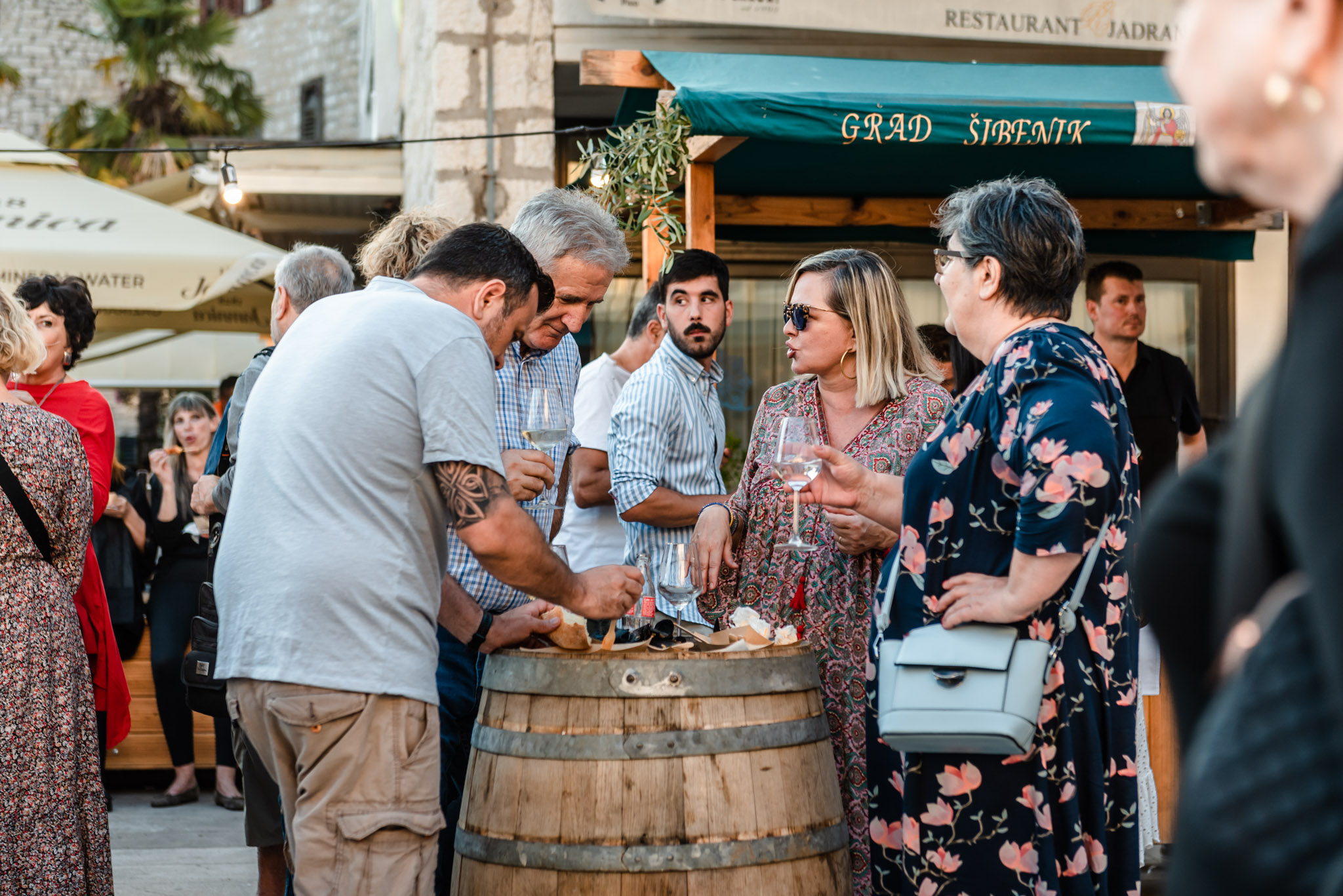 Marenda – A Dalmatian ritual
Sponsored Content What started as a work break has become a well-observed tradition in Dalmatia – one that pairs perfectly with local wine.
-
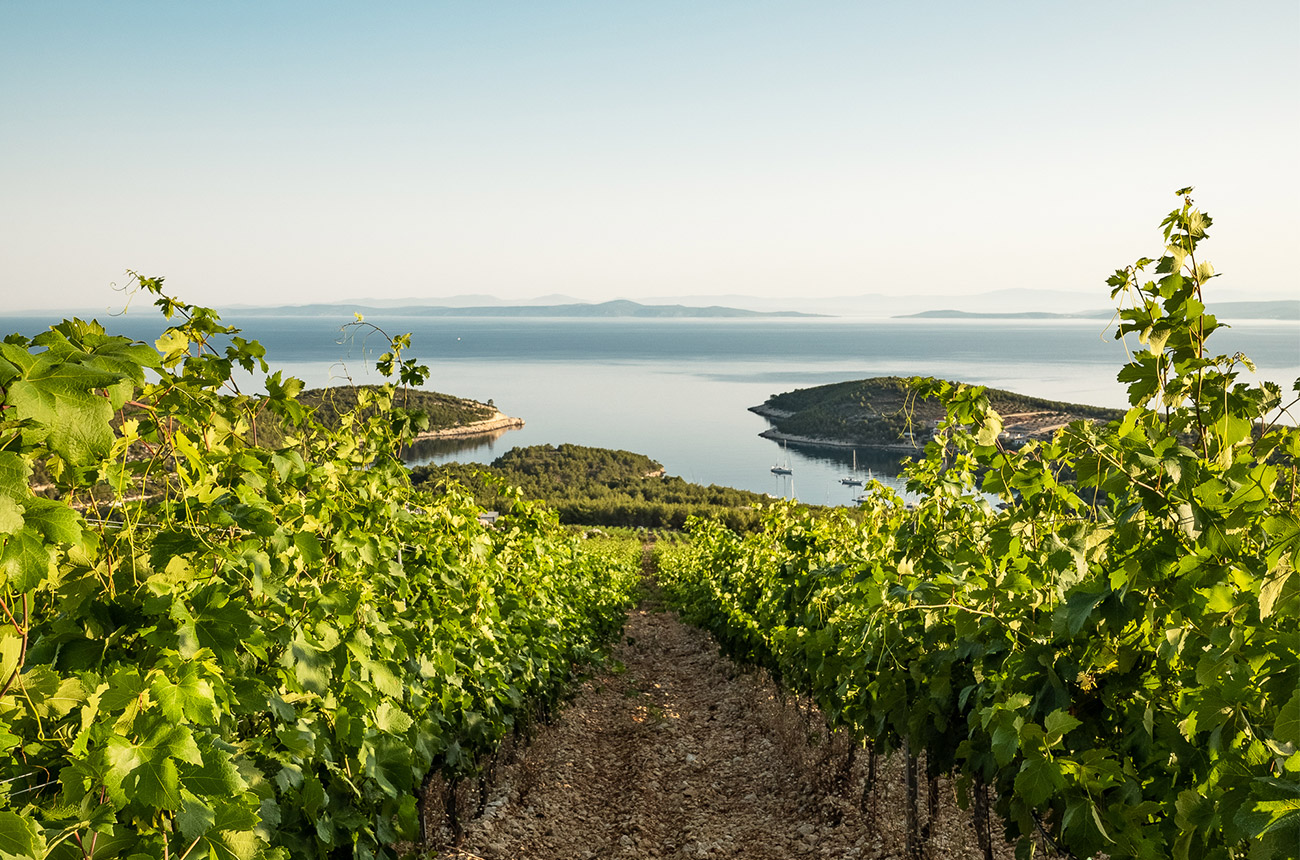 Dalmatia's hall of fame: DWWA winners
Sponsored Content Discover a selection of medal-winning Dalmatian wines from the Decanter World Wine Awards.
-
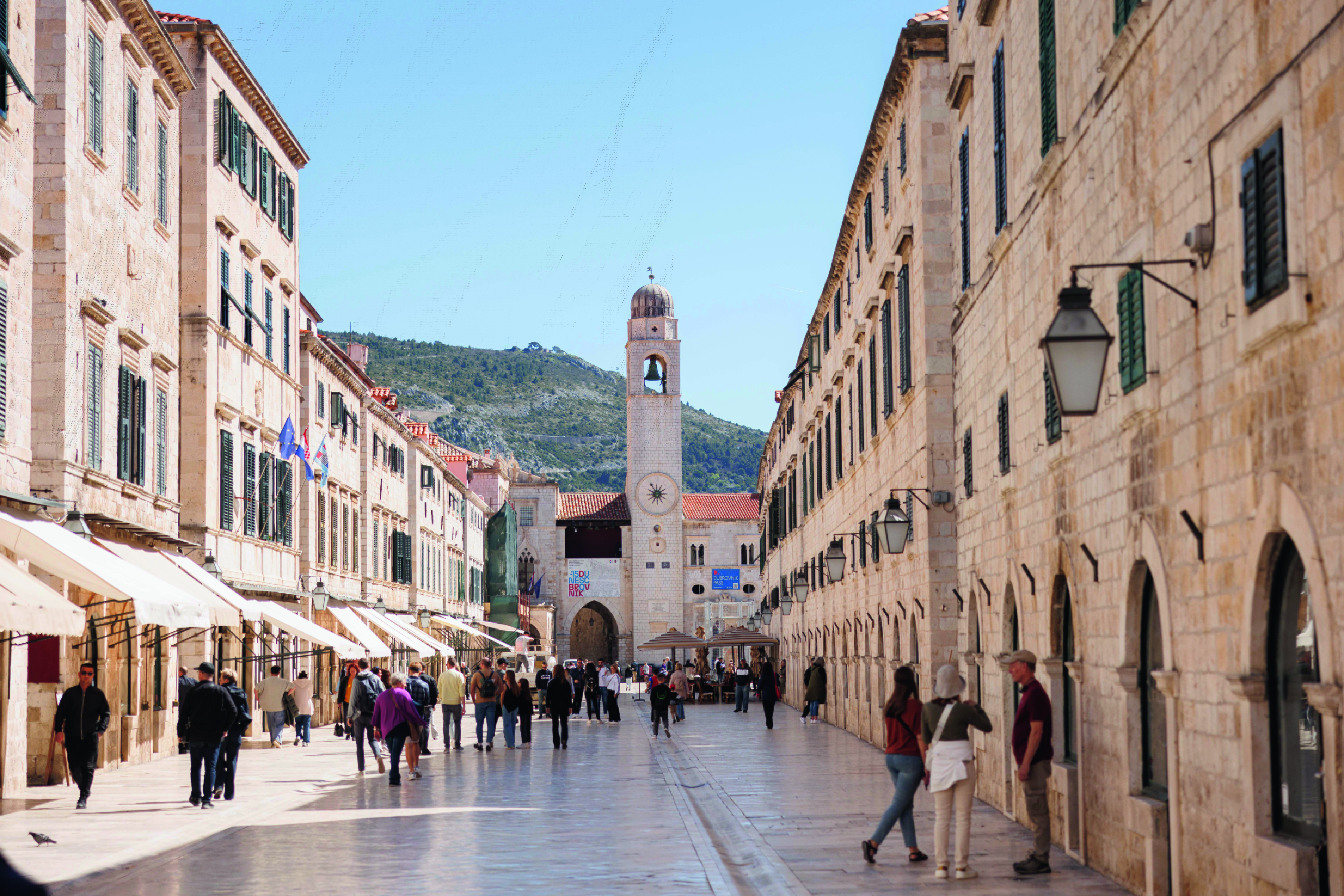 Pomalo: Dalmatia's answer to hustle culture
Sponsored Content A state of mind in Dalmatia, pomalo, which roughly translates as ‘take it easy’, sets the pace of life in this scenic region of Croatia.
-
 A Maldives paradise for wine lovers
Sponsored Content The unique wine culture at OZEN RESERVE BOLIFUSHI extends well beyond its carefully curated list with expert tastings, creative pairings and unexpected discoveries to make lasting holiday memories.
-
 Shaping the future of wine & spirits: What’s new at ProWein Düsseldorf?
Sponsored content Returning on 15 – 17 March in Düsseldorf – discover what's new at ProWein in 2026...


