

Located south of Lisbon, on the other side of the Tagus estuary, the Setúbal district’s abundance of sunshine, sea and sand make it not only a popular holiday destination but a region where Castelão, a native Portuguese red grape variety thrives. It has famously done so since the middle of the 19th century, when José Maria da Fonseca produced Periquita, Portugal’s first bottled table wine brand. Made predominantly from the eponymous grape, the wine brought newfound recognition to both the variety and the region.
Palmela, the pinnacle
Still called Periquita by locals, Castelão is the Setúbal district’s most planted grape. Hardy and adaptable, it has long been popular with growers. For wine lovers, Castelão’s charm resides in an abundance of sweet-scented, soft, fleshy fruit, which reaches its apogee in Palmela DOC, on the Setúbal peninsula itself. Here, in the variety’s heartland, Palmela’s heat-retentive sandy soils intensify Castelão’s perfumed, emphatically red berried, plummy fruit, with black and blue berry fruit in riper, fuller-bodied examples.
Setúbal’s treasure
Low in tannins, young Castelão is typically supple and approachable. Nonetheless, wines are well-balanced thanks to the grape’s natural acidity, encouraged by the pervasive Atlantic influence which tempers Península de Setúbal’s warm, dry Mediterranean climate. Deliciously mellow with bottle-age, Castelão develops tertiary notes of liquorice spice, dried plums, chocolate and soft leather. The best examples of each vintage can age comfortably for decades.
Palmela DOC’s red wines often comprise 100% Castelão, or thereabouts – however, blends must always include at least 67% of Castelão. Red wines from Península de Setúbal VR can be made from many varieties, and in any proportion, however Castelão remains a firm favourite in this much larger area. It covers the Setúbal peninsula and extends well south, encompassing a long corridor of land, between the Atlantic coastline and Alentejo.

Ample potential
With over forty producers, varied soils and micro-climates (notably the calcareous slopes of the Serra da Arrábida, and continental influence for areas further inland), Península de Setúbal is the place to explore the Castelão’s full range of expression. Expect powerful, top tier examples to hail from older vineyards, planted to traditional clones, with a smattering of other local grapes, notably Tintinha at Pegos Claros. At the other end of the spectrum, Castelão’s smooth, fruity charm makes for excellent entry-point wines.
More recent developments include blending Castelão with leading grapes from elsewhere in Portugal or France, such as Touriga Nacional, Cabernet Sauvignon or Tannat. Earlier-picked, lighter single-varietal Castelãos and Castelão blends with crunchy acidity and lower alcohol are emerging as the region’s young guns reflect current drinking trends. Meanwhile, elegant, perfumed examples are winning Castelão a new moniker, ‘warm climate Pinot Noir,’ highlighting producers’ renewed ambition and regard for Península de Setúbal’s signature red grape variety.

Castelão – eight wines to try:

Herdade Pegos Claros, Grande Escolha , Palmela, Portugal 2017
Century-old bush vines deep-rooted in sand, produce intense waves of fleshy plum and strawberry, with lingering black tea, saline, coffee and mushroom notes. Ripe tannins and harmonious acidity make for a seamless flow. Foot-trodden with 40% whole bunches in lagares, it is aged in 50% new French oak 500l barrels.
Drink 2023-2037 Alc 13.8%
95 points

José Maria da Fonseca, Periquita Superyor, Peninsula de Setúbal, Portugal 2017
Imported by M Imports (USA)
Well-defined, with concentrated, supple blackcurrant, red and black cherry, berry fruit and smoky chalk/iodine, catering chocolate and black tea nuances. Fine-grained, ripe tannins support the lithe, long palate, with pronounced minerality to the finish. Sourced from 40-year-old vines on clay/lime soils and aged in 100% new French oak.
Drink 2023-2037 Alc 14.4%
95 points

Trois, Castelão, Palmela, Portugal 2018
An elegant, slow burn Castelão from calcareous and sandy soils, with inky floral, orange peel, nutmeg, cinnamon and black tea riffs to the blood plum and red cherry fruit. Released after lengthy ageing in extra fine grain French oak, mille-feuille-like tannins make for a lingering, gently ruffled finish.
Drink 2023-2030 Alc 14%
94 points

Quinta de Piloto, Coleção de Família Tinto, Palmela, Portugal 2017
Imported by Raymond Reynolds (UK) and Brands of Portugal (USA)
Powerfully concentrated best barrels’ selection from old Castelão vines on sandy soils, peppered with Alfrocheiro, Moreto, Espadeiro and Alicante Bouschet. Well-structured and brooding – built to age – it was fermented in amphora and spent 24 months in French oak, then 12 months in bottle, buffing the tannins and muscular, dark, ripe fruit.
Drink 2024-2034 Alc 15.5%
94 points

Horácio Simões, Tradição Castelão Tinto, Palmela 2021
Lovely purity and definition of fresh blackberry, mulberry and plum fruit, with ripe but present sooty tannins and a lick of salt. Bright acidity sustains the elegant finish. From a two acre parcel on sandy soil, 4,000 bottles produced.
Drink 2023-2028 Alc 13.5%
93 points

Herdade do Cebolal, Tinto, Peninsula de Setúbal, Portugal 2021
An early-picked blend with taut black and redcurrant fruit. Fresh, perfumed fig fleshes out the mouth-watering backbone of acidity. Virtually unoaked, 10% of the wine aged in used barrels. Located inland by a small river and forests, regenerative agriculture helps the southerly vineyard’s schist and clay soils conserve moisture.
Drink 2023-2027 Alc 12%
92 points

Adega Fernão Pó, ASF Tinto, Palmela, Portugal 2019
Castelão’s sweet, spicy, chocolate-edged red berry fruits take the lead, Touriga Nacional brings perfume and accentuates richness, whilst Tannat (planted in 2006) lends extra backbone and intensity to this innovative blend from sandy soils. Ripe with good structure and well-balanced acidity, the French oak (100% new) is well-integrated.
Drink 2023-2028 Alc 14.5%
92 points

Casa Ermelinda Freitas, Baía deTróia, Peninsula de Setúbal, Portugal 2021
Imported by Laithwaites (UK)
A sweet, supple, fruit-forward Castelão with upfront appeal from the sandy soils of Fernando Pó. Matured in French and American oak, and with 12g/l of residual sugar, it reveals jammy red berry fruit, a herbal edge and creamy mocha oak.
Drink 2023-2026 Alc 14.5%
89 points
Discover more about Vinhos da Península de Setúball
Connect onFacebook | Instagram | YouTube


-
 Meet the new technical manager of Château-Grillet on its 90th anniversary
One appellation, one estate, one grape variety, 3.5ha. Matt Walls checks in on this legendary Rhône white, 90 years after it gained appellation status.
-
 Gen Z Wine Challenge: Amelia, 21
In a new Decanter series, 18- to 29-year olds around the world give their honest opinion about a wine they've splashed out on – and if it was worth the cash.


-
 Dalmatia: The crimson coast
Sponsored Content Sun-kissed by the shores of the Adriatic, Dalmatia’s vineyards are home to bold and inviting red wines with plenty of potential.
-
 Azienda Agricola Cortese: Championing sustainability in the heart of Sicily
Sponsored Content Meet the winemakers using ancient techniques and sustainable practices to create fresh, modern interpretations of Sicilian varieties
-
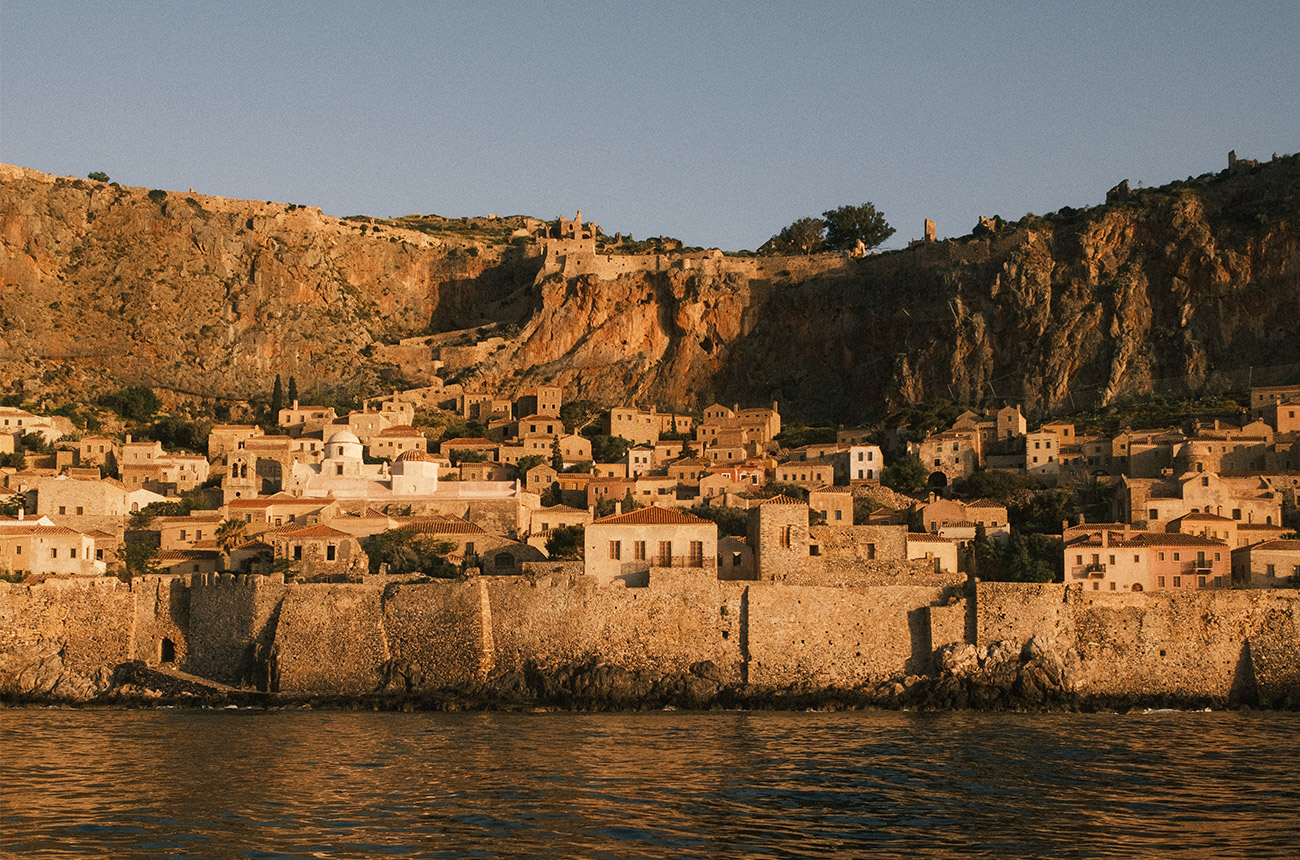 Monemvasia Winery – Tsimbidi: Bringing an ancient wine into the modern age
Sponsored Content George and Elli Tsimbidi’s winery not only revived one of history's most famous wines but is now breathing fresh life into other native Greek varieties.
-
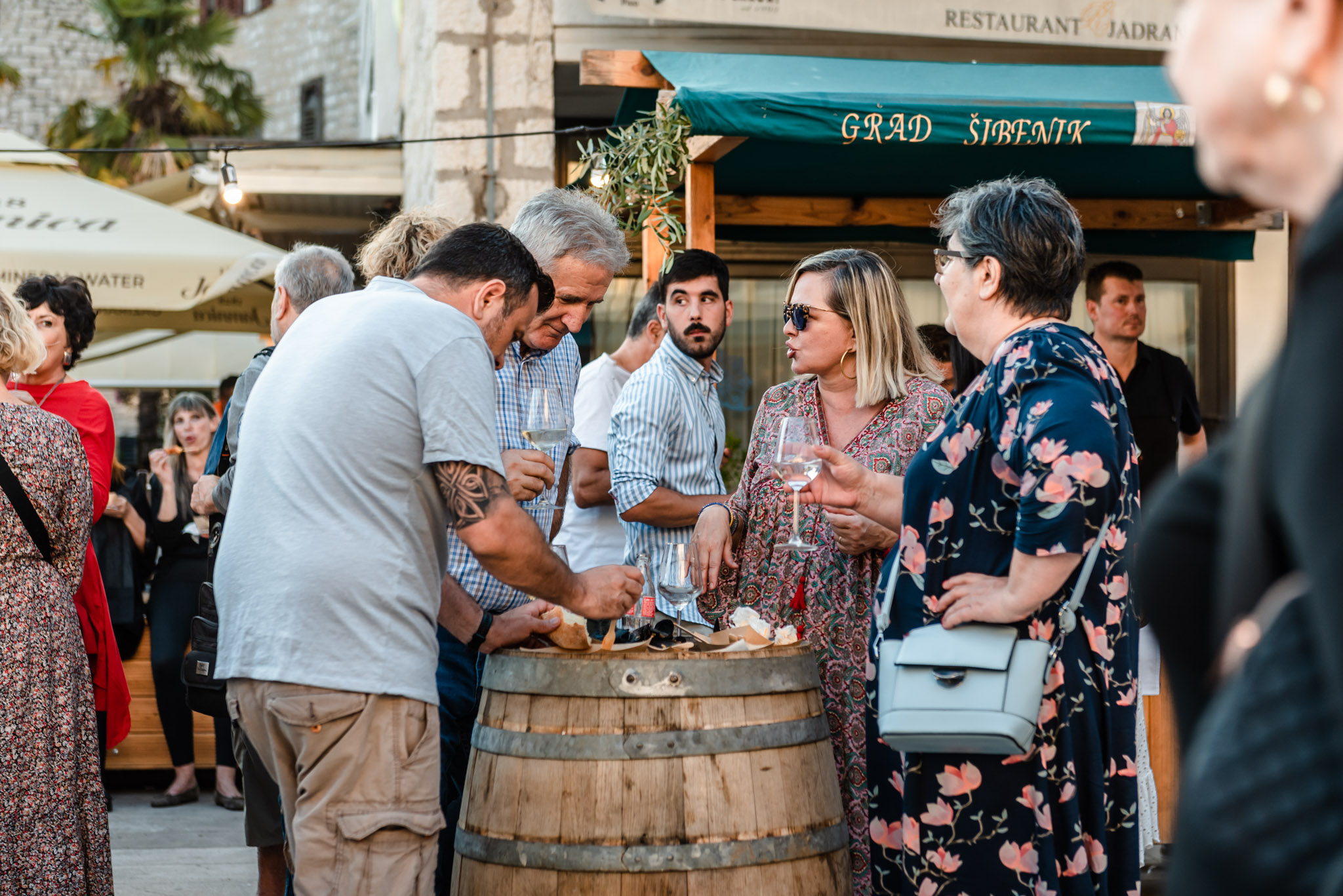 Marenda – A Dalmatian ritual
Sponsored Content What started as a work break has become a well-observed tradition in Dalmatia – one that pairs perfectly with local wine.
-
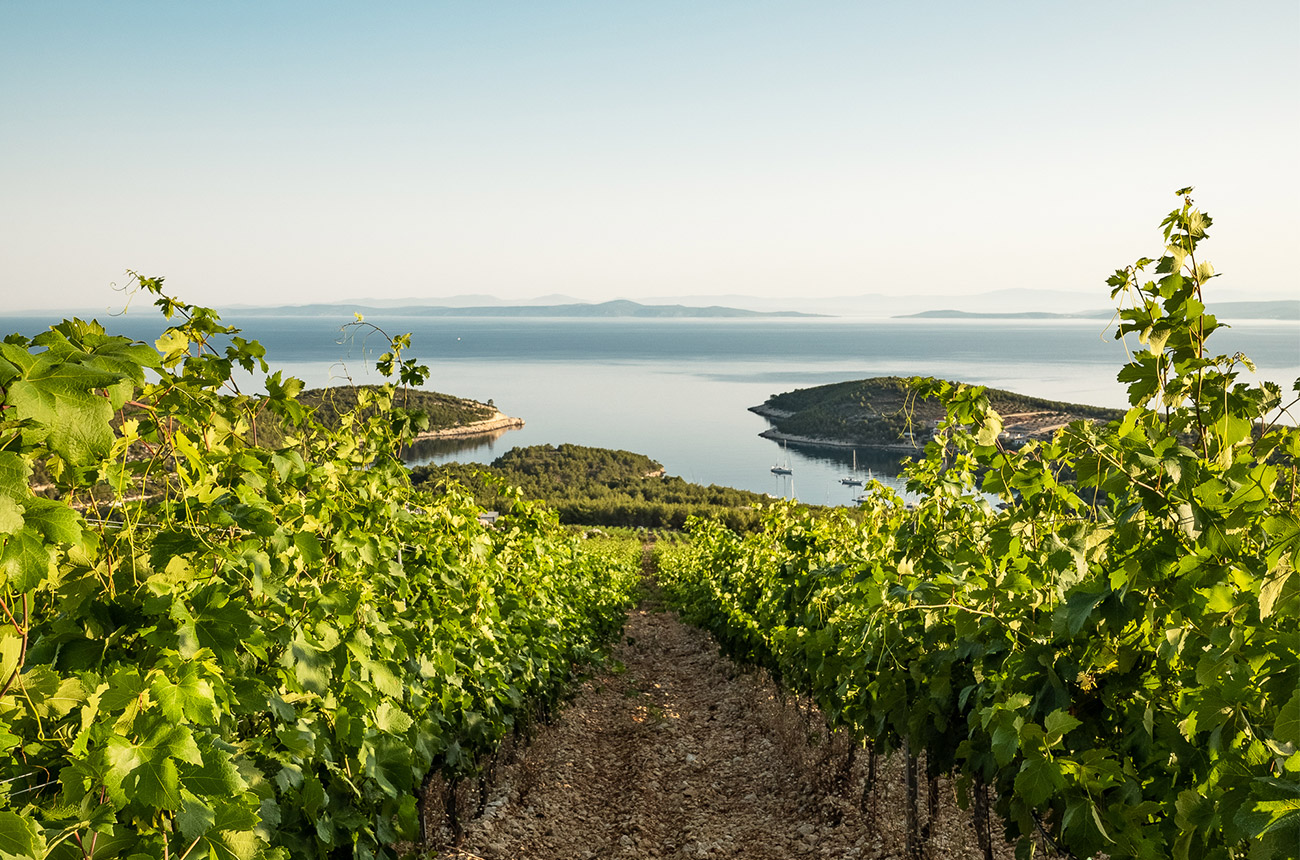 Dalmatia's hall of fame: DWWA winners
Sponsored Content Discover a selection of medal-winning Dalmatian wines from the Decanter World Wine Awards.
-
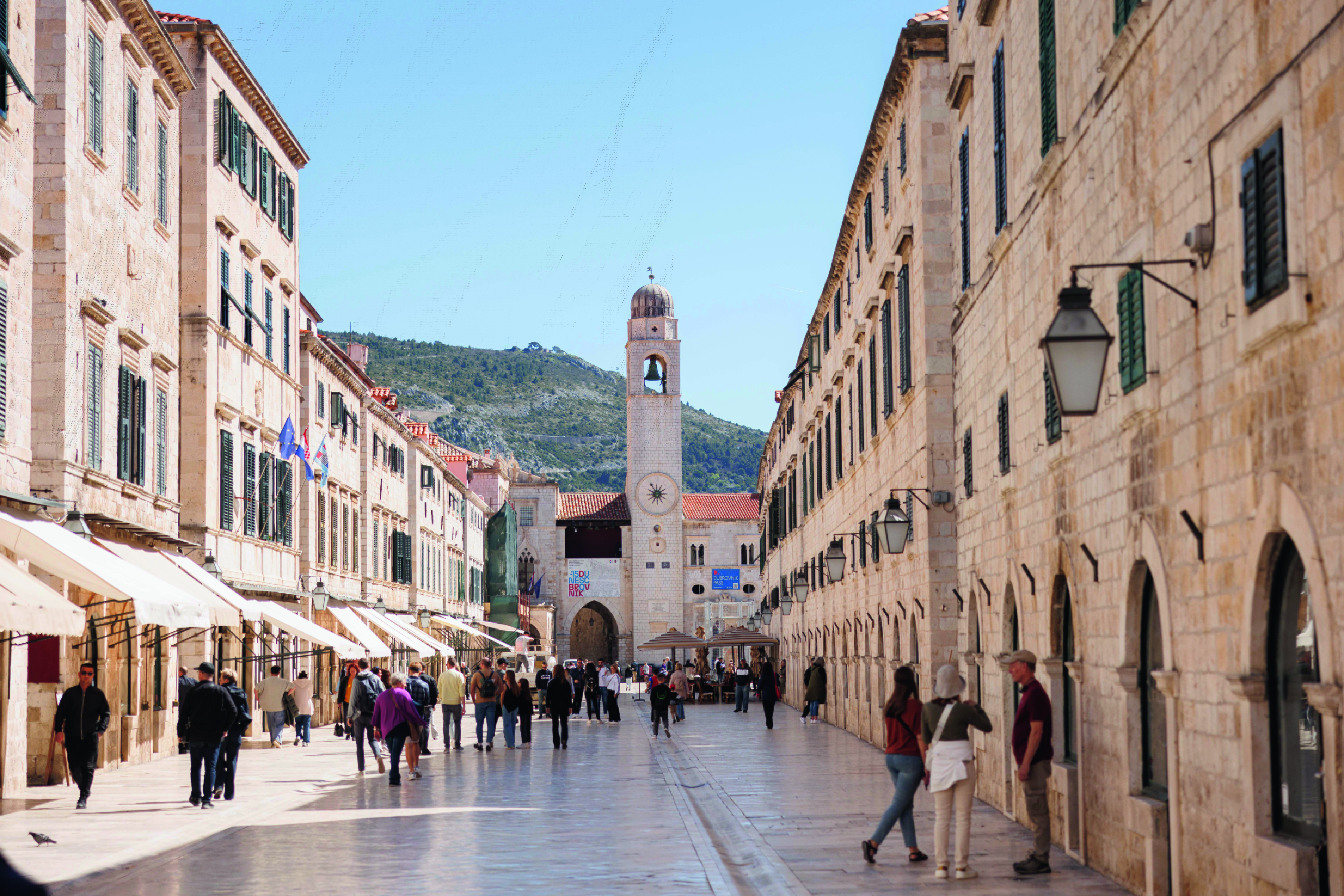 Pomalo: Dalmatia's answer to hustle culture
Sponsored Content A state of mind in Dalmatia, pomalo, which roughly translates as ‘take it easy’, sets the pace of life in this scenic region of Croatia.
-
 A Maldives paradise for wine lovers
Sponsored Content The unique wine culture at OZEN RESERVE BOLIFUSHI extends well beyond its carefully curated list with expert tastings, creative pairings and unexpected discoveries to make lasting holiday memories.
-
 Shaping the future of wine & spirits: What’s new at ProWein Düsseldorf?
Sponsored content Returning on 15 – 17 March in Düsseldorf – discover what's new at ProWein in 2026...


