
Sponsored Content
Languedoc has long been a vinous treasure trove, but new winemaking styles and vineyard work means that the future is looking even more exciting, says James Lawther MW.
Languedoc at a glance:
- 223,000 hectares of vineyard
- 70,000ha of Appellation Contrôlée (AC)
- 136,000ha of Indication Géographique Protégée (IGP)
- Producing the equivalent of 1.8 billion bottles of wine a year.
Languedoc produces more wine than Chile, Australia or South Africa produce individually and a reminder that the Languedoc is a serious player.
Given the vast quantity of wine produced here, there is an inevitable variation in quality. But the Languedoc has matured over the past 15 years, and has become an Aladdin’s cave for savvy wine consumers and professionals alike.
‘The Languedoc is a great hunting ground for sommeliers, as you can find hidden treasures and good-value wines. One of my favourite appellations is Fitou,’ says Maxime Walkowiak, head sommelier at three Michelin-starred restaurant The Waterside Inn at Bray.
Styles continue to veer away from the heavy and over-extracted, and diversity is the region’s strongest card. Within myriad appellations you can find red, white, rosé and sparkling wines, made from varied grapes, and the notion of terroir clearly displayed.
In terms of the organisation of appellations, the lines are being steadily, if slowly, redrawn. IGP d’Oc essentially caters for varietal wines. Next up, the departmental and local IGPs – the latter with an allusion to heritage sites and scenic areas – bring into focus some potentially remarkable terroirs.
IGP Cévennes is a great example.
They also permit diversity and innovation via the extensive choice of grapes that can be cultivated. In IGP Cévennes I came across a Chardonnay made from a clone of Mâcon by Domaine Chêne; a suave Roussanne- based white made by Mas Seren; and a surprising blend of Riesling, Rolle (aka Vermentino) and Pinot Gris made by Mas Bres. Be ready for these local IGPs to figure more prominently.
Appellations and crus
For full AC classification, AC Languedoc is the base of the pyramid with Coteaux du Languedoc to be finally phased out in 2017. Wines can be made from grapes grown in designated areas throughout the Languedoc and Roussillon. Further up the scale are the sub-regional appellations or Grands Vins du Languedoc; and finally, at the peak, the crus, which have a unique terroir. These presently number six: Corbières-Boutenac, Faugères, Minervois La Livinière, St-Chinian Berlou, St-Chinian Roquebrun with La Clape added in 2015.
The system mirrors that of the Rhône: Côtes du Rhone, Côtes du Rhône-Villages and finally cru status with a gradually more specific geographical delimitation and tighter rules of production.
Recent changes have seen Picpoul de Pinet (2013) and Terrasses du Larzac (2014) obtain full appellation grade. Others in the pipeline include Pic-St-Loup, Pézenas and Grès de Montpellier, with Montpeyroux knocking on the door of cru status. The rapidity depends on the cohesion and dynamism of the producers, as Terrasses du Larzac demonstrated.
The Languedoc’s warm, dry Mediterranean climate favours organic wine production and it is clear that this market is set to grow further. The region already leads the field in France with 20,571ha of organic/biodynamic vineyards, including 4,574ha under conversion. This represents around 10% of the Languedoc’s vineyards and the figure is sure to climb.
Certain ACs are already racing ahead, with 65% of Terrasses du Larzac now organic or biodynamic, and 30% of Faugères.
Varietal palette
Stylistically, the top cuvées within the AC system are a varying blend of Syrah, Grenache and Mourvèdre for reds, and Roussanne, Grenache Blanc and Marsanne for whites. But there is a growing interest in preserving local Mediterranean varieties – the consequence of global warming and a desire to impart and protect regional flavour and tradition.
Carignan used to be frowned upon, but has now been rehabilitated to the point that subsidies are given for replanting. Cinsault appears regularly in blends, and more obscure grape varieties such as Carignan Blanc, Ribeyrenc and Terret are being looked upon favourably. Piquepoul Blanc has made its mark in Picpoul de Pinet and with rainfall down to 350mm/year in La Clape, Bourboulenc more than ever satisfies the climatic conditions. These varieties are all likely to figure more prominently in future.
As mentioned, the winemaking trend has moved away from overripeness and heavy extraction towards finer wines with a purer, balanced expression of fruit. A better grasp of matching grape variety to terroir has helped. The stamp of new oak has also abated, with larger foudres, demi-muids (600 litres) and even concrete eggs replacing small new oak barrels for fermentation and ageing.
Most buyers have responded positively to this new approach, attracted by the finer style. ‘I’m particularly keen on reds made with finesse, rather than just power, in Faugères and Minervois La Livinière,’ says wine merchant Jamie Hutchinson of The Sampler in London.
Availability and value of land in the Languedoc ensures a steady trickle of new investors and consequently additional domaines to discover. Most of these new domaines are small, with success contained within a limited horizon.
Spreading the word to a global market fits neatly with the structure of bigger companies. Négociants like Gérard Bertrand and Jean-Claude Mas, and enterprising new houses like Calmel & Joseph and Hecht & Bannier, are well placed to expand and promote the Languedoc brand further. Otherwise, there is a need for more ‘locomotives’ in the form of Prieuré St Jean de Bébian, Mas Jullien or Mas de Daumas Gassac to help reinforce the region’s reputation. The future will tell us if they exist.
When all is said and done, it’s the diversity and character of the Languedoc that appeals. There’s something for everyone, and that situation looks set to run for a while.
This content originally appeared in the free Languedoc supplement with Decanter magazine’s June issue. This content was sponsored by the Conseil Interprofessionel des Vins AOC du Languedoc (CIVL) and the IGP wines of Sud de France.
Back to the sponsored Languedoc wine page

-
 Meet the new technical manager of Château-Grillet on its 90th anniversary
One appellation, one estate, one grape variety, 3.5ha. Matt Walls checks in on this legendary Rhône white, 90 years after it gained appellation status.
-
 Gen Z Wine Challenge: Amelia, 21
In a new Decanter series, 18- to 29-year olds around the world give their honest opinion about a wine they've splashed out on – and if it was worth the cash.


-
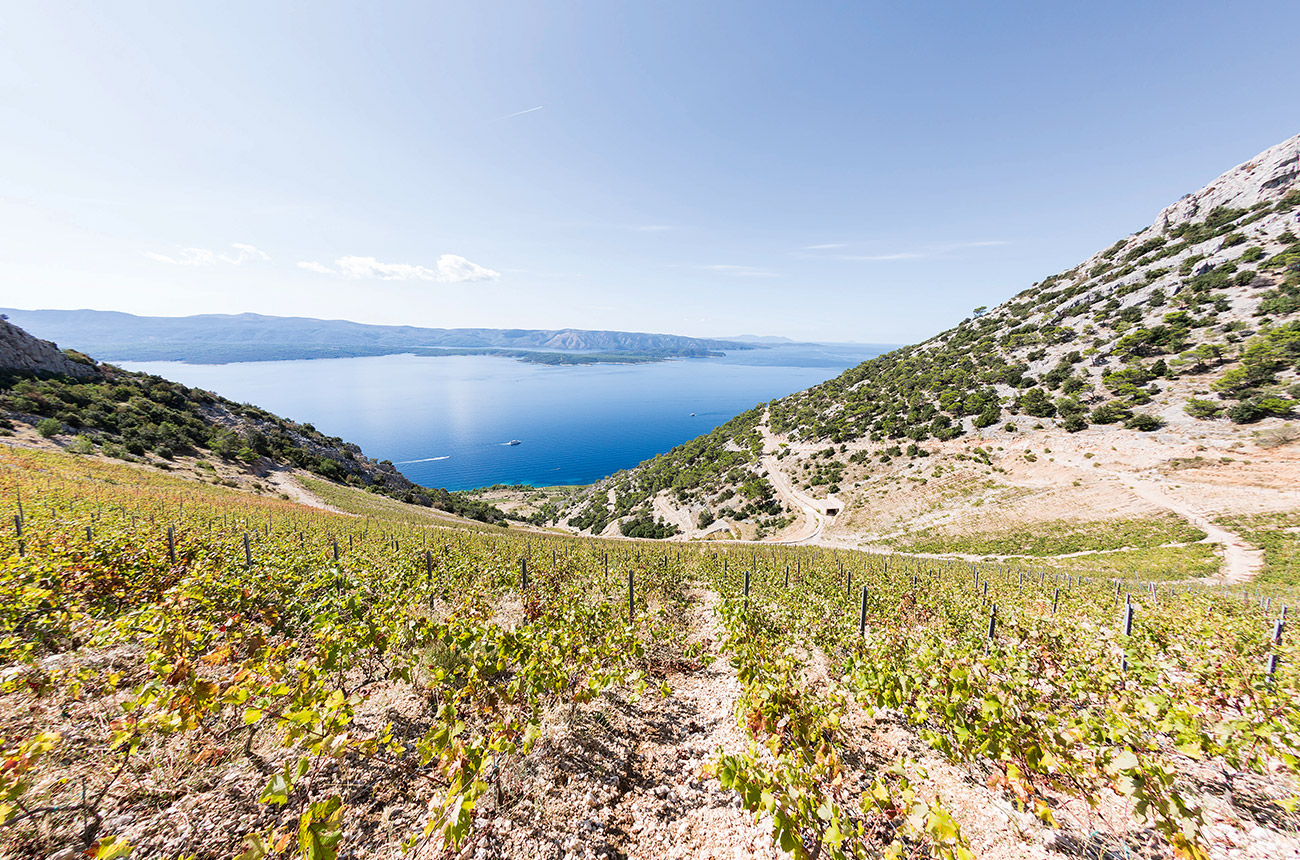 Dalmatia: The crimson coast
Sponsored Content Sun-kissed by the shores of the Adriatic, Dalmatia’s vineyards are home to bold and inviting red wines with plenty of potential.
-
 Azienda Agricola Cortese: Championing sustainability in the heart of Sicily
Sponsored Content Meet the winemakers using ancient techniques and sustainable practices to create fresh, modern interpretations of Sicilian varieties
-
 Monemvasia Winery – Tsimbidi: Bringing an ancient wine into the modern age
Sponsored Content George and Elli Tsimbidi’s winery not only revived one of history's most famous wines but is now breathing fresh life into other native Greek varieties.
-
 Marenda – A Dalmatian ritual
Sponsored Content What started as a work break has become a well-observed tradition in Dalmatia – one that pairs perfectly with local wine.
-
 Dalmatia's hall of fame: DWWA winners
Sponsored Content Discover a selection of medal-winning Dalmatian wines from the Decanter World Wine Awards.
-
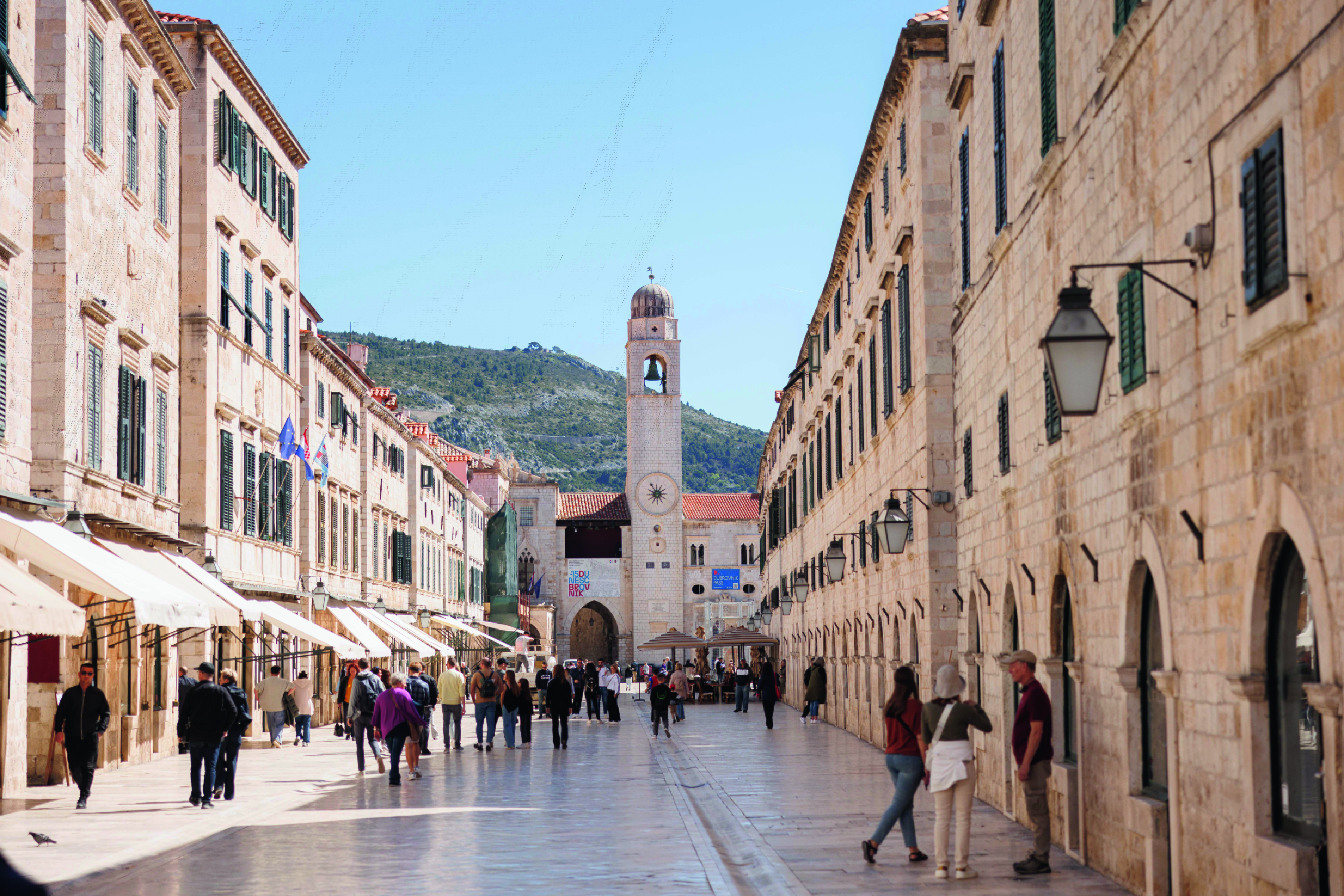 Pomalo: Dalmatia's answer to hustle culture
Sponsored Content A state of mind in Dalmatia, pomalo, which roughly translates as ‘take it easy’, sets the pace of life in this scenic region of Croatia.
-
 A Maldives paradise for wine lovers
Sponsored Content The unique wine culture at OZEN RESERVE BOLIFUSHI extends well beyond its carefully curated list with expert tastings, creative pairings and unexpected discoveries to make lasting holiday memories.
-
 Shaping the future of wine & spirits: What’s new at ProWein Düsseldorf?
Sponsored content Returning on 15 – 17 March in Düsseldorf – discover what's new at ProWein in 2026...


