

Chile’s incredible landscapes and wealth of diverse flora and fauna are some of its greatest assets. In recent years, retaining that biodiversity has become a key pillar of Chile’s sustainability initiatives, also in the wine industry.
This mission is the driver behind Viña Tarapacá’sradical Master Plan to reforest its wine estate and encourage a thriving ecosystem of wildlife. The ultimate goal is to preserve and promote the natural biodiversity of the land.

Recovering an ecosystem in the heart of Maipo
Set in the very heart of Maipo valley, the Tarapacá estate is within one of the world’s 35 hotspots for diversity, where a significant number of endemic vegetal species are under threat. It was to protect these native species that Tarapacá started its seven-year Master Plan to ecologically re-connect over 2000 hectares of the estate.
By creating a network of biological corridors, reserved for native flora and fauna, Tarapacá has been able to reestablish a living connection between the River Maipo and the Altos de Cantillana mountain chain which protect the estate, formed in a natural ‘clos’. 110 hectares of native plants have been planted to date, including over 11,000 trees and some 134 plant species. There are also 58 animal species living in these corridors and habitats.

Exploring terroir to achieve age-worthy complexity
“We’re putting a new model of agricultural management in place that will allow us to keep ecosystems in balance,” says Sebastián Ruiz, Viña Tarapacá’s Head Winemaker. “By reincorporating native vegetation into the soil, we are boosting the nutrition cycles, bringing more life to the soil and enhancing the terroir expression of the wine in the long term. This also means that the vines will live longer, thereby sustaining the long-term quality of production, and triggering a paradigm shift in the processes in the vineyard, whereby everything we eventually do in the winery has a positive impact and allows the wine to express the terroir.”
Terroir studies have also been part of the Master Plan, and the 611 hectares of vineyards within the 2,600-hectare estate have been rigorously studied. In one of the most extensive terroir researches in Maipo, 373 soil pits were dug (one every two hectares) in order to map out the soils and better understand the potential of each plot.
Through the study, Viña Tarapacá discovered that they have seven different soil profiles of volcanic origin. It is through this acknowledgement and further winemaking experiments that Ruiz and his team have now incorporated five of the distinct soil types into the Gran Reserva Tarapacá wines.

Viña Tarapacá might boast 147 years of winemaking history in Maipo, but it is very much taking strides into the future with its visionary conservation plan and new terroir focus.
Discover more about Viña Tarapacá here
Connect on Facebook | Instagram



-
 Shaping the future of wine & spirits: What’s new at ProWein Düsseldorf?
Sponsored content Returning on 15 – 17 March in Düsseldorf – discover what's new at ProWein in 2026...
-
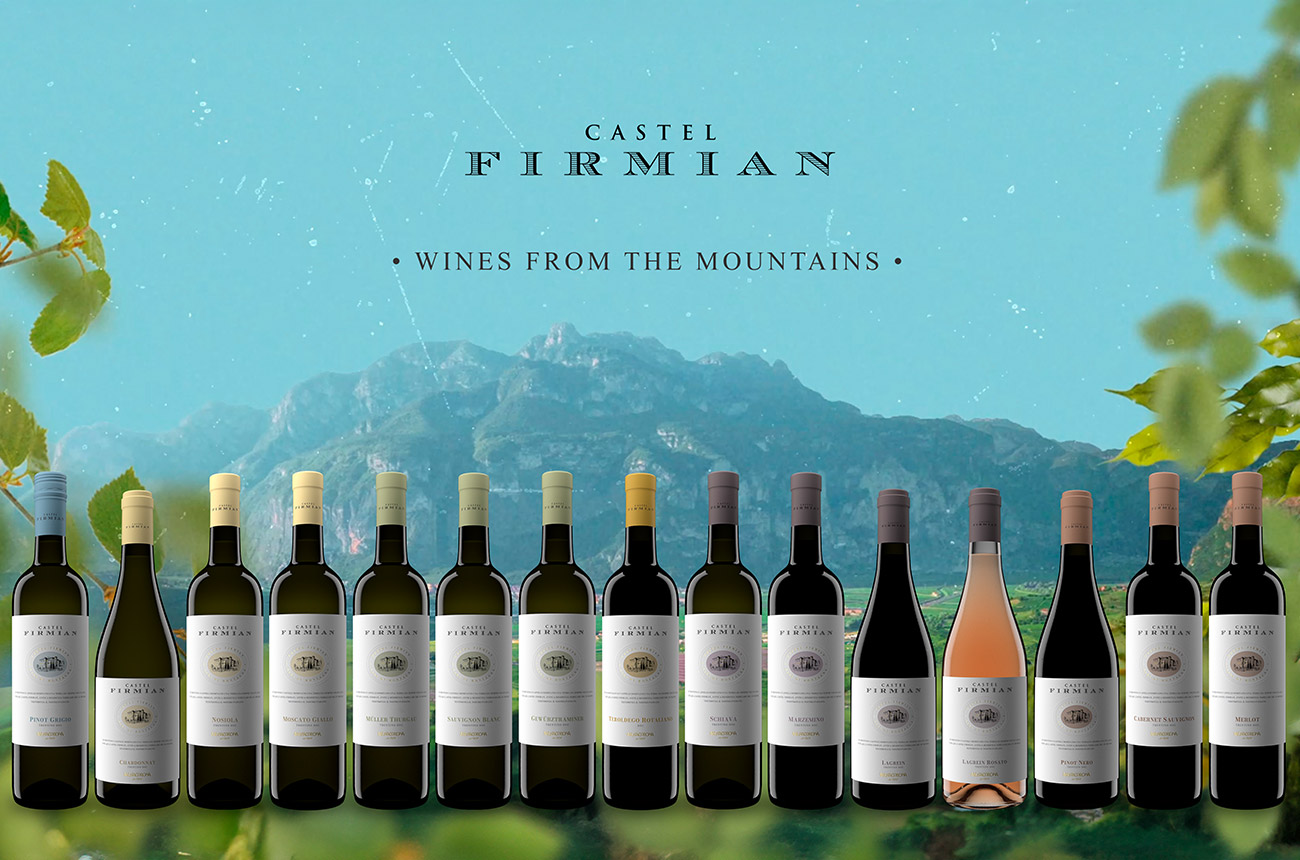 Castel Firmian presents a fresh new look with Wines from the Mountains
The Trentino winery telling its story with a fresh rebrand...
-
 Toro: A tale of resilience, evolution and commitment
This region’s past offers important clues on how to face present challenges...
-
 Juvé & Camps: Taking long-aged sparkling wines to new heights
Sponsored content Long-aged sparkling wines that express the craft of the winemakers...
-
 Plaimont: Building the future of Saint Mont
Sponsored content A 'super cooperative' leading on sustainability in the Pyrenean foothills...
-
 Grignan-les-Adhémar AOC: At the head of the Southern Rhône
Sponsored content Discovering the diversity of the Southern Rhône’s most northerly appellation...
-
 Wine Paris 2026: A new era for the global drinks industry
Returning from 9-11 February in Paris, discover what's new in 2026...
-
 Remírez de Ganuza: Looking to the future
Decanter sits down with Jose Ramón Urtasun...


