

Close to the heart of Europe, Hungary is a nation that is proud of its long and noble history of wine, stretching back to Celtic times.
Today’s new generation of producers is keen to build on these traditions, while taking this legacy forward into the 21st century.
Hungary was once Europe’s third biggest wine producer. The modern industry is considerably smaller at close to 62,000ha under vine, yet it is still seventh in Europe and bigger than better- known countries such as Greece, Austria and even New Zealand. Vines grow in every corner
of the landscape, which is divided into 22 wine regions with 38 protected areas (33 PDOs and five PGIs), each with its own distinctive character.
Complex Tapestry
Hungary is underlaid by more volcanic bedrock than any other country in Europe. Its fiery history came to an end just 2 million years ago, though hundreds of natural hot springs offer bubbling reminders of this past. The ancient Pannonian sea covered much of Hungary until 5.5 million years ago, leaving behind marine sediments, so the result is a complex tapestry of volcanic bedrock interleaved with outcrops of limestone, schist, clay and sand. Volcanic soils are increasingly being recognised for the firm, long-lived, mineral wines they produce, while ancient slate and schist, limestone and even well-drained sands can also host deep-rooted vines and offer the potential for quality. There’s endless fascination when you combine these complex terroirs with 178 different grapes, many uniquely Hungarian.
Decanter’s sepcial guide will look closely at two of Hungary’s emblematic grape varieties and recommend wines that can be found in the UK and beyond. Furmint is its great white grape – the signature variety of Tokaj, but also grown in several other wine regions, most notably volcanic areas such as Somló and the northern shore of Lake Balaton. It will also take a deep dive into Kékfrankos (better known as Blaufränkisch) – the iconic red grape variety that defines Central Europe.
Unlike much of western Europe, Hungary had a good harvest in 2021, so now is a good time to discover Hungary through the lens of its bottles. They are becoming easier to find, increasingly available through a growing number of importers and retailers. And when travel becomes easier again, a trip to explore the vineyards, and Hungary’s exciting food scene, is highly recommended.
Related articles
Furmint: the journey continues
Kékfrankos – The blue of the Danube

-
 Meet the new technical manager of Château-Grillet on its 90th anniversary
One appellation, one estate, one grape variety, 3.5ha. Matt Walls checks in on this legendary Rhône white, 90 years after it gained appellation status.
-
 Gen Z Wine Challenge: Amelia, 21
In a new Decanter series, 18- to 29-year olds around the world give their honest opinion about a wine they've splashed out on – and if it was worth the cash.


-
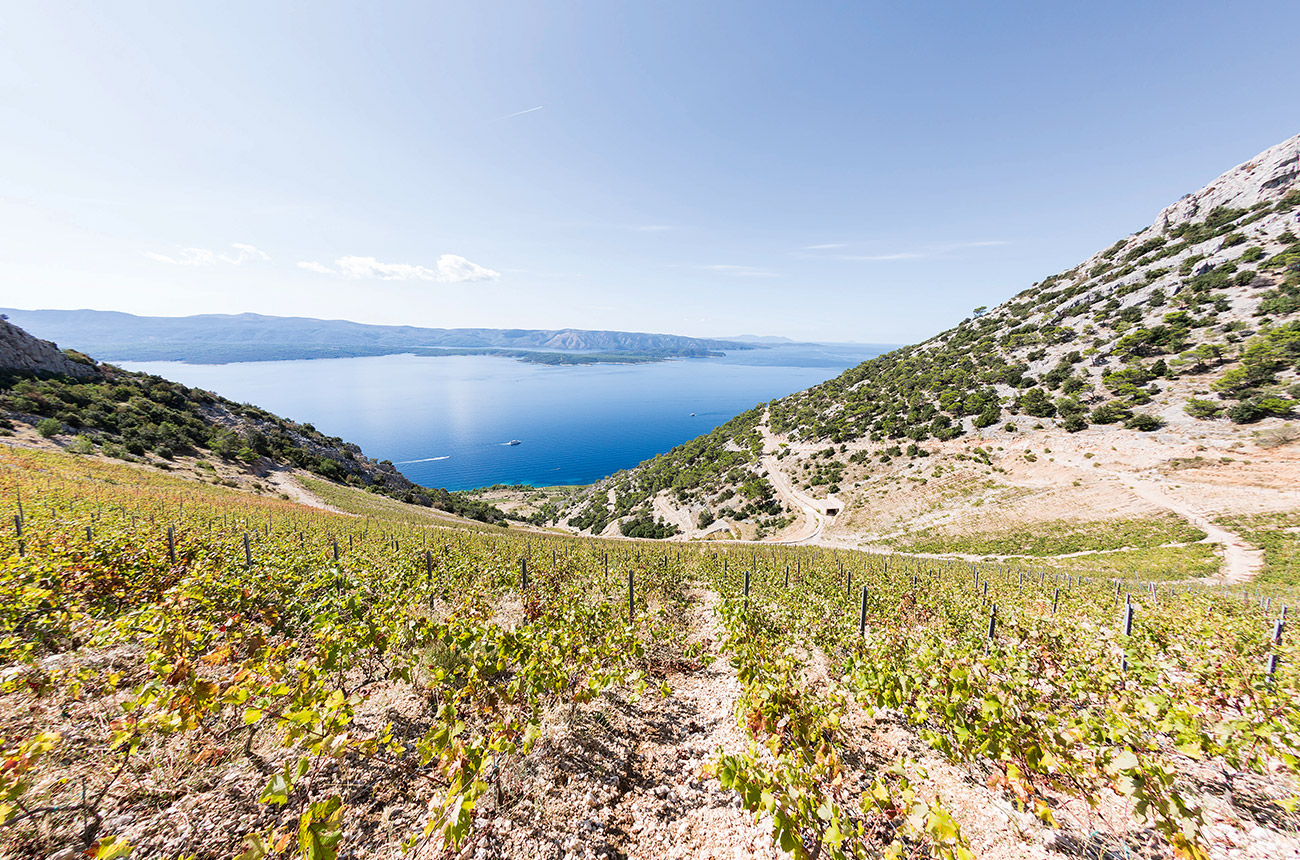 Dalmatia: The crimson coast
Sponsored Content Sun-kissed by the shores of the Adriatic, Dalmatia’s vineyards are home to bold and inviting red wines with plenty of potential.
-
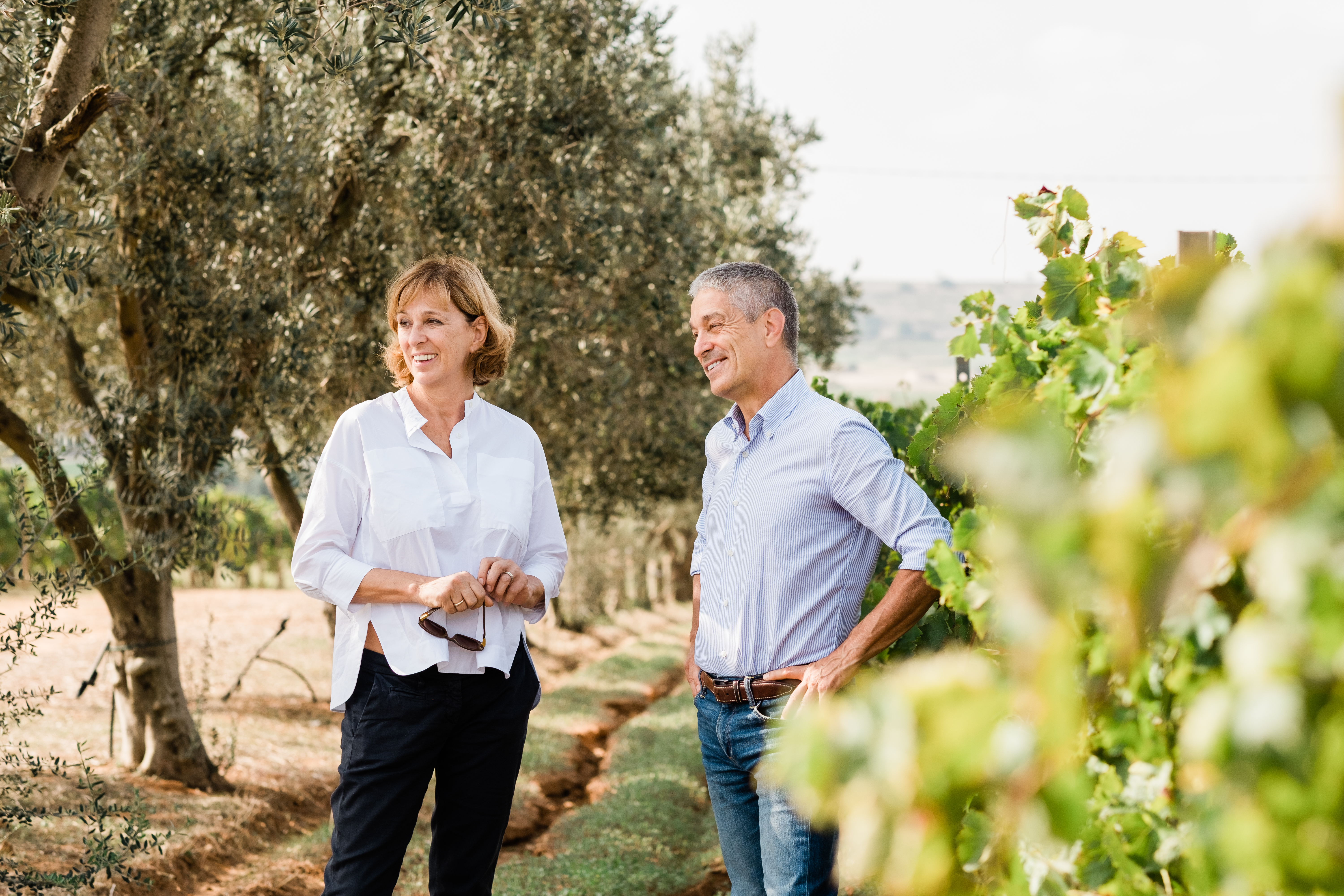 Azienda Agricola Cortese: Championing sustainability in the heart of Sicily
Sponsored Content Meet the winemakers using ancient techniques and sustainable practices to create fresh, modern interpretations of Sicilian varieties
-
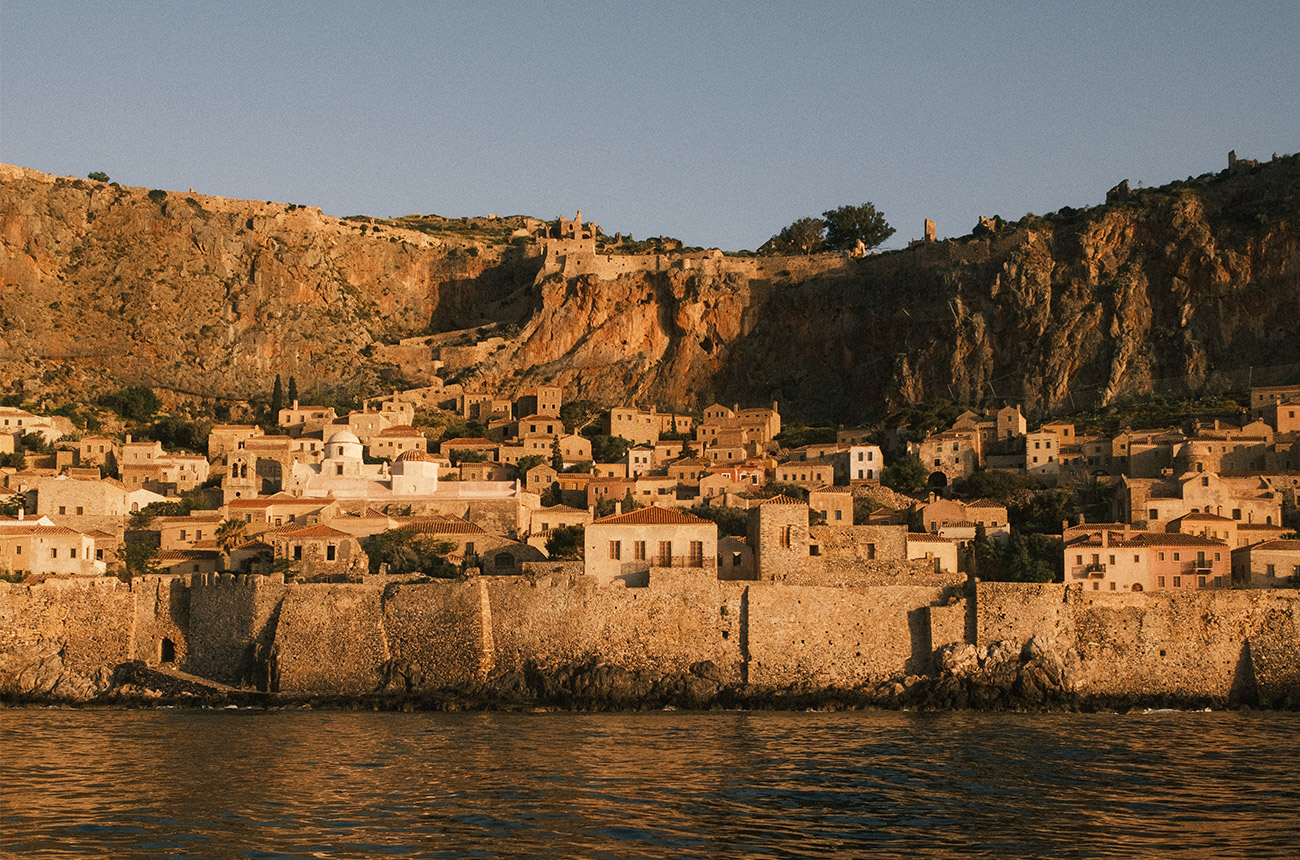 Monemvasia Winery – Tsimbidi: Bringing an ancient wine into the modern age
Sponsored Content George and Elli Tsimbidi’s winery not only revived one of history's most famous wines but is now breathing fresh life into other native Greek varieties.
-
 Marenda – A Dalmatian ritual
Sponsored Content What started as a work break has become a well-observed tradition in Dalmatia – one that pairs perfectly with local wine.
-
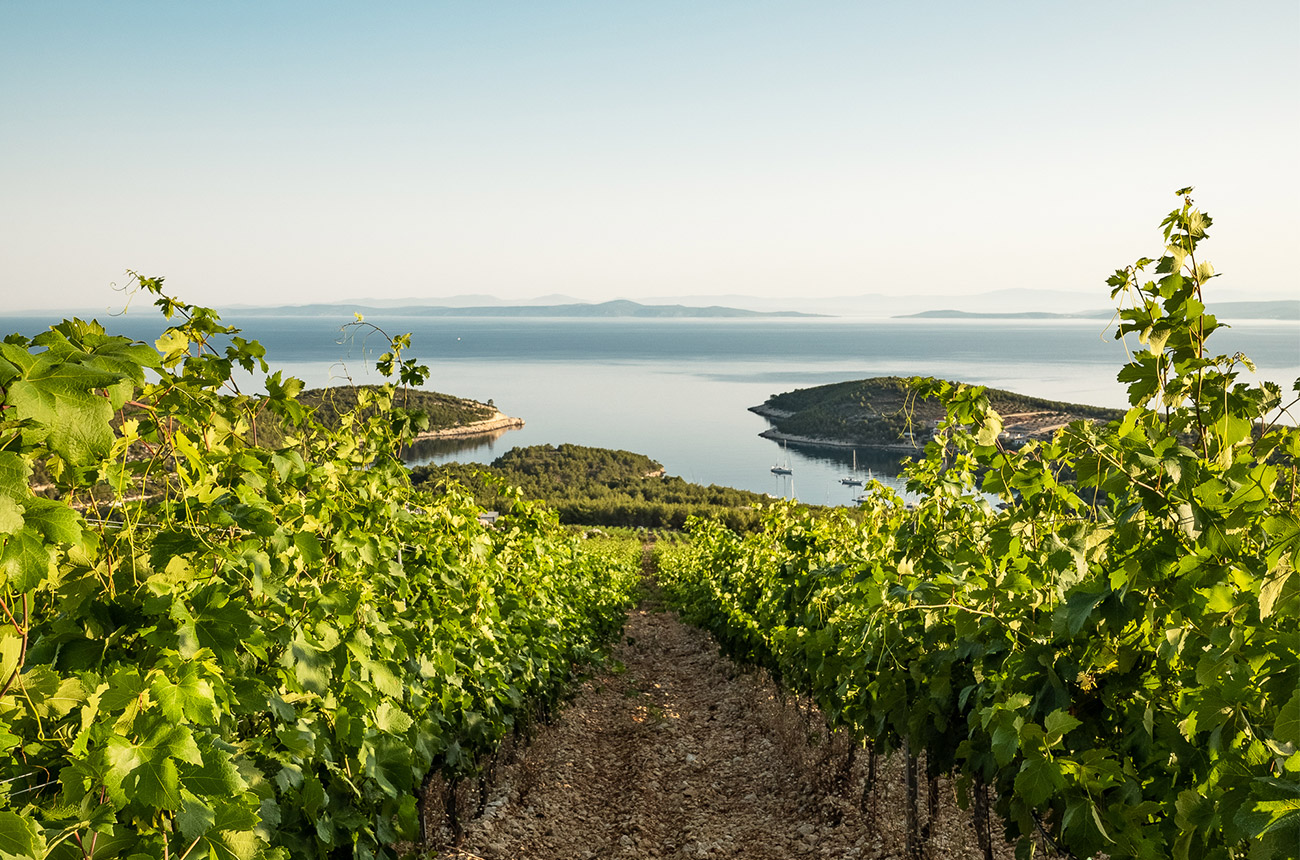 Dalmatia's hall of fame: DWWA winners
Sponsored Content Discover a selection of medal-winning Dalmatian wines from the Decanter World Wine Awards.
-
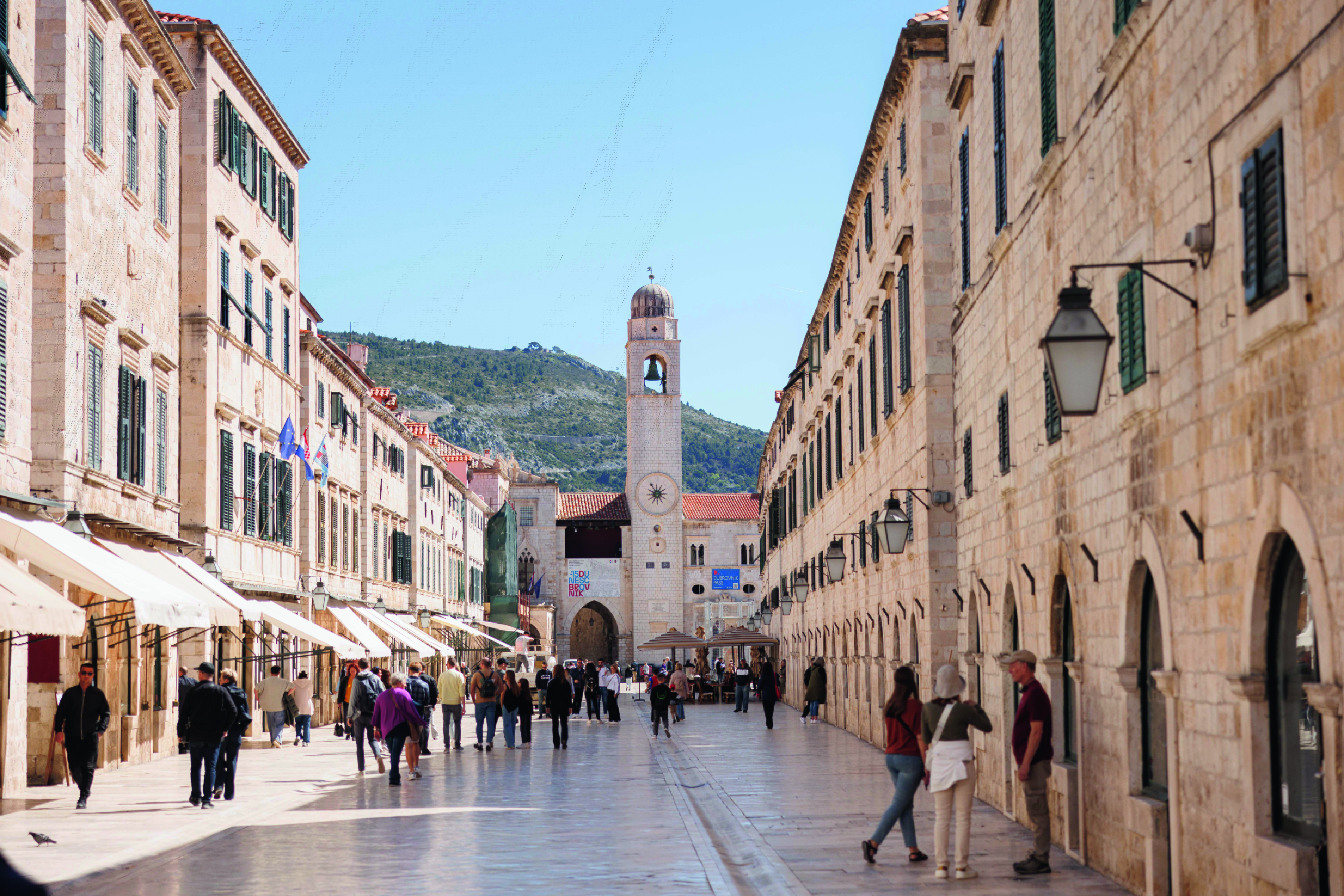 Pomalo: Dalmatia's answer to hustle culture
Sponsored Content A state of mind in Dalmatia, pomalo, which roughly translates as ‘take it easy’, sets the pace of life in this scenic region of Croatia.
-
 A Maldives paradise for wine lovers
Sponsored Content The unique wine culture at OZEN RESERVE BOLIFUSHI extends well beyond its carefully curated list with expert tastings, creative pairings and unexpected discoveries to make lasting holiday memories.
-
 Shaping the future of wine & spirits: What’s new at ProWein Düsseldorf?
Sponsored content Returning on 15 – 17 March in Düsseldorf – discover what's new at ProWein in 2026...


