
New Zealand sparkling wine – the fizz to follow
New Zealand sparkling wine production is boutique, but over the past 25 years quality – and exports – have increased. Emma Jenkins MW charts the rise of traditional-method bubbly across the country and reveals the wines that fizz fans need to try.

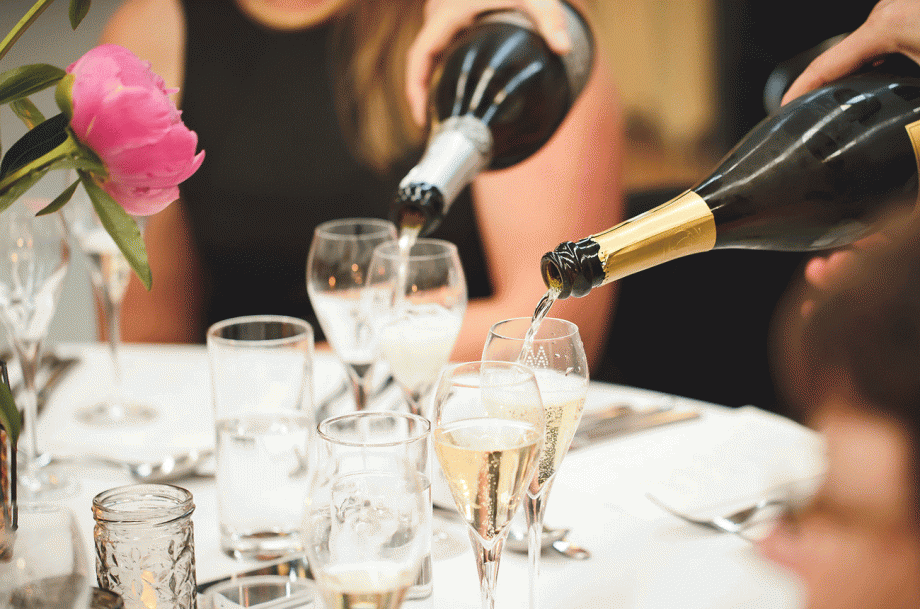
As you enjoy a glass of festive fizz, take yourself back to the start of 2000 and consider this commentary on the state of New Zealand sparkling wine:
‘If you can imagine an oloroso Sherry with bubbles, you will understand why we did not linger… They were made from poor-quality fruit and showed a lack of sparkling wine technique… The Blanc de Blancs was the worst of all, with thin, unripe fruit, which lacked acidity because, ironically, it had been deacidified.’
So wrote Champagne and sparkling wine writer Tom Stevenson about the New Zealand fizz scene some 23 years ago. Mercifully, there were glimmers of hope in his scathing criticism – he also commented that ‘the potential of Marlborough for sparkling wine is, so far, beyond dispute’.
Today, not only Marlborough but many other New Zealand wine regions have fulfilled that potential, producing sparkling wines that are very good indeed.
Scroll down for tasting notes and scores of 19 top New Zealand sparkling wines to try
New Zealand’s sparkling wine history extends quite a bit further back than 2000, however. The first traditional-method fizz was made by Hawke’s Bay’s Mission Estate in 1963 – though while the method of its sparkling pink Fontanella may have been traditional, its use of Pinot Gris was decidedly less so.
Selak’s Champelle followed in the 1970s, but it was the 1980s when things really started to ramp up. This was the era of Champagne Deutz’s Marlborough investment, Cloudy Bay’s Pelorus and Daniel Le Brun transferring his 12 generations of Champagne roots to Marlborough.
Further south, Rudi Bauer (now of Quartz Reef) and partner Clotilde Chauvet (who was also making Champagne in Rilly-la-Montagne) were making strides in Central Otago.
Daniel Le Brun remembers his amazement at encountering Marlborough vineyards for the first time in 1978. ‘It was perfect conditions that summer, there wasn’t a clump of grass anywhere… just a small amount of topsoil then nothing but gravel – fantastic! I thought, this has to be the place.’
The generosity of spirit of pioneers such as Bauer, Chauvet and Le Brun helped other producers gain knowledge and confidence, and alongside the burgeoning local production was increasing investment from France, not only with Deutz but also in time from Chandon, Mumm and LVMH (who purchased Cloudy Bay outright), which provided technical finesse and international attention.
Charms and challenges
What was always clear was New Zealand’s excellent raw material for high-quality sparkling wine. The country’s wine regions (with the exception of the slightly more temperate far northern climes) are classical cool-climate viticultural environments. Allied with high UV/sunshine hours and significant diurnal shifts these deliver good phenolic ripeness without high sugar (alcohol) and retain decent natural acidity.
For sparkling wine, this translates to precise fruit expression, laser-like acidity and rich palate fruit weight. Producers benefit from these benevolent growing conditions which allow the focus to be on getting things right in the winery.
That part, however, is easier said than done. The challenge for New Zealand sparkling wine producers in a young industry already operating within a high capital-cost environment is the significant investment required for specialist sparkling winemaking equipment, and the luxury of capital and space to hold back stock for reserve wines.
For many, the latter is simply not an option and vintage wines are common as a result. But collaborations are a frequent solution to the former problem. It is quite common for producers to share in or make their sparkling wines at another winery with the gear. For example, a number of Marlborough producers use No.1 Family Estate as a processing facility. Soljans is an Auckland home for others.
Boutique industry
Sparkling wine is produced the length and breadth of New Zealand. Distinctive regional expressions range from the weightier fruit of Hawke’s Bay and Gisborne to the rapier precision of Central Otago.
The majority are made in the traditional method, aided by widespread planting of Chardonnay and Pinot Noir plantings (Pinot Meunier is the rarity). There is also a solid range of Charmat (tank-method) wines and an increasing number of quirky pétillants naturels.
As might be expected, Marlborough’s produces the lion’s share. It’s nearly 3.5 times that of Hawke’s Bay, which in turn is about twice as much as Gisborne and three times as large as Central Otago.
In 2023, total New Zealand sparkling production was 1.7% of the national harvest and 2.7% of exports. While exports have steadily crept up over the past decade, production share has been in steady decline, down from 5% in 2005 and 3% in 2011.
Labour of love
This seemingly downwards slide is not quite what it seems. Instead, it reflects the ever-increasing dominance of Sauvignon Blanc, now 78% of the total harvest. And fortunately, sparkling producers remain undeterred.
Johanneshof Cellars’ Edel Everling says: ‘It’s definitely labour of love; a passion. It’s hard to get a return due to the hand labour involved but it’s a point of difference for us. It satisfies our curiosity for what our vineyards can do.’
‘We have only done it for 33 years so we are still learning,’ she laughs.
For Daniel Le Brun’s daughter Virginie, being asked ‘Can it ever really be as good as the real thing?’ generates a look of polite disdain.
For her, there is no longer any need for comparison. The better question is, how good can New Zealand sparkling wine be? And when will its reputation catch up with what is being delivered in the glass?
Perhaps now’s the time for more consumers to find out.
Méthode Marlborough
Méthode Marlborough is a society of 12 like-minded Marlborough sparkling wine producers. Established in 2013, it aims to promote the benchmarking, understanding and enjoyment of quality Marlborough sparkling wine.
All Méthode Marlborough wines are grown, bottled, matured and disgorged in Marlborough, and made in the traditional method from one or a blend of Chardonnay, Pinot Noir and Pinot Meunier. Wines must be aged for a minimum of 18 months on lees from the first disgorgement but, in practice, members’ wines average 36 months on lees.
Member producers – whose wines can be identified with a back-label emblem – celebrate Méthode Marlborough Day with consumers each March and provide one another with collaboration and support.
New Zealand sparkling wine: 19 exciting wines to try
Related articles
- Australia, New Zealand & South Africa Pinot Noir: Panel tasting results
- Champagne alternatives: 25 great bottles to stock up on
- Marlborough Sauvignon Blanc 2022: 15 wines under £20
No1 Family Estate, No 1 Reserve, Marlborough, New Zealand

Daniel Le Brun’s experience and skill makes it easy to choose from the No1 Family Estate’s range – they are all excellent. There’s a core...
No1 Family Estate

Quartz Reef, Methode Traditionnelle Blanc de Blancs, Bendigo, Central Otago, New Zealand, 2017
Biodynamic Central Otago producer Quartz Reef has a stellar reputation for sparkling (and still) wines. Delicate and precise, its flagship Vintage displays beautifully integrated aromas...
2017
Quartz ReefBendigo
Johanneshof Cellars, New Dawn Méthode Traditionnelle Rosé, Marlborough, New Zealand, 2011
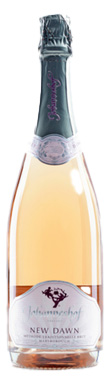
Newly released, this is a sophisticated textural rosé made from 100% Pinot Noir. Johanneshof Cellars – whose underground cellars are located on the road to...
2011
Johanneshof Cellars
Nautilus, Cuvée Brut, Marlborough, New Zealand
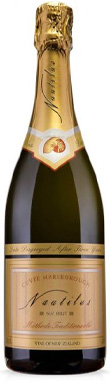
In production since 1989, the NV Marlborough Cuvée is a stylish and reliable favourite. Late disgorged after three years on lees, it’s Pinot Noir dominant...
Nautilus
Esses Estate, Coeur de Cuvée Blanc de Blanc, Marlborough, New Zealand, 2015
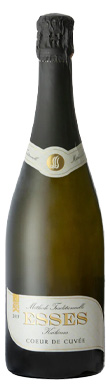
Esses is specialist sparkling producer in the coastal town of Kaikoura, about 150km south of Marlborough, where its 1.5ha of Chardonnay and Pinot Noir is...
2015
Esses Estate
Hunter's, MiruMiru Reserve, Marlborough, New Zealand, 2018
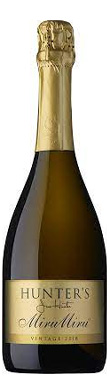
Produced by Hunter’s since 1997, MiruMiru means bubbles in Mãori. A blend of 60% Pinot Noir, 35% Chardonnay and 5% Pinot Meunier that spends at...
2018
Hunter's
LV Wines, Méthode Traditionnelle, Marlborough, New Zealand
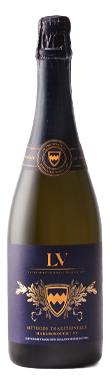
From Louis Vavasour, this is a roughly 60:40 blend of Pinot Noir and Chardonnay, which benefits from the use of reserve wines and about 36...
LV Wines
Cloudy Bay, Pelorus, Marlborough, New Zealand
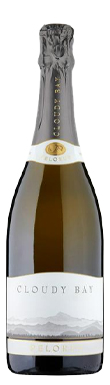
92
One of the original Marlborough sparkling wines, Pelorus was first produced in 1987 and named for a famous local dolphin, Pelorus Jack, who used to visit boats in the late 19th century. A blend of 70% Chardonnay and 30% Pinot Noir, it spends 24 months on lees. Fresh apples and savoury biscuitty autolysis mingle with lemon zest and almond. There’s a touch of berry fruit on the palate, which is generous and easy drinking. Elegant with a crisp finish, this is a great aperitif style.
Cloudy Bay
Kumeu River, Crémant, Kumeu, New Zealand
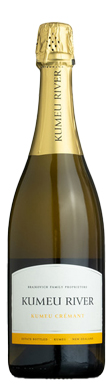
Readers will likely be familiar with Kumeu River’s stable of exemplary Chardonnays but possibly less so the three smart Crémants: a NV, Rosé and Blanc...
Kumeu River
Alpha Domus, Cumulus Methode Traditionnelle Blanc de Blanc, Bridge Pa, Hawke's Bay, New Zealand
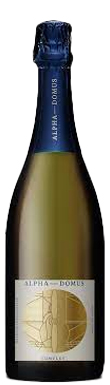
A tightly wound, mineral zero dosage style which nevertheless showcases Hawke’s Bay’s weightier, riper fruit expression. Apple skin, lemon-lime seltzer with an oatmeal undertow, this...
Alpha DomusBridge Pa
Deutz, Limited Edition Prestige Cuvée, Marlborough, New Zealand, 2017
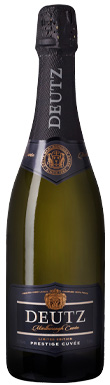
Champagne Deutz was an early pioneer of Marlborough sparkling wine, and its experience shines through in this confident, mouthfilling autolytic style. Plenty of flavour and...
2017
Deutz
Palliser Estate, The Griffin Methode, Martinborough, Wairarapa, New Zealand, 2020
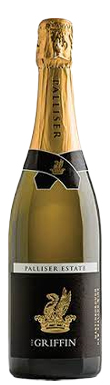
Palliser Estate is one of Martinborough’s oldest and well-regarded wineries. The Griffin is a 50:50 blend of Pinot Noir and Chardonnay with a subtle nose...
2020
Palliser EstateMartinborough
Spy Valley, Echelon, Waihopai Valley, Marlborough, New Zealand, 2020
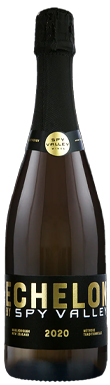
Waihopai Valley producer Spy Valley is celebrating 30 years of vines and 20 years of its label with this wine. A blend of 52% Pinot...
2020
Spy ValleyWaihopai Valley
Tohu Wines, Rewa Methode Traditionnelle Blanc de Blancs, Wairau Valley, Marlborough, New Zealand, 2016
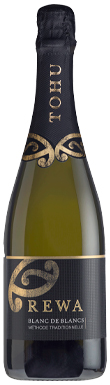
Tohu Wines was NZ’s first Mãori-owned wine company, and it remains focused on estate-grown, single-vineyard wines. Named for NZ’s native honeysuckle plant, the Rewa Blanc...
2016
Tohu WinesWairau Valley
Whitehaven Wines, Three Daughters Méthode Traditionnelle Pinot Noir Rosé, Omaka Valley, Marlborough, New Zealand, 2019
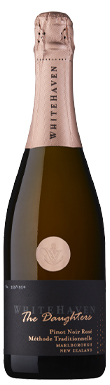
A pretty pale salmon pink, this is a lively, fine-bodied rosé made from old-vine Abel clone Pinot Noir from the Omaka Valley. Lovely strawberry and...
2019
Whitehaven WinesOmaka Valley
Amisfield, Méthode Traditionnelle, Central Otago, New Zealand, 2021
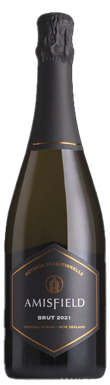
Made from 100% Pinot Noir, this Central Otago sparkler has a pretty nose of red apple, nectarine and toasted brioche. While there’s plenty of brisk...
2021
Amisfield
Greystone, Organic Pétillant Naturel, North Canterbury, Canterbury, New Zealand, 2022
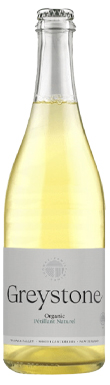
Greystone is a well-regarded, innovative North Canterbury producer. Its Pét Nat is fun and frothy, showing a fresh nose of peach and strawberry yogurt, a...
2022
GreystoneNorth Canterbury
Saint Clair, Dawn Méthode Traditionnelle, Marlborough, New Zealand
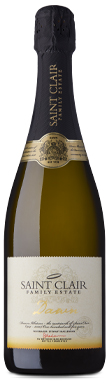
Named for Saint Clair’s matriarch, in honour of her 100th birthday. Fine and bready with subtle cashew and apple notes, a touch of smoke and...
Saint Clair
Daniel Le Brun, Blanc de Blancs, Marlborough, New Zealand, 2016
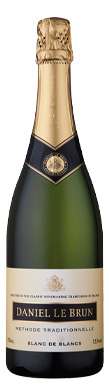
The original brand established by Daniel Le Brun, subsequently purchased by Australiasian drinks giant Lion, which now makes a solid, well-priced range of sparkling wines....
2016
Daniel Le Brun
