
Bordeaux 2013: 10 years on & 30 wines tasted
Unlucky 13? Well, it’s hard to argue in the case of the 2013 vintage in Bordeaux. Expert insight and guidance is clearly essential to find the pick of this crop – and we have just that for you here.

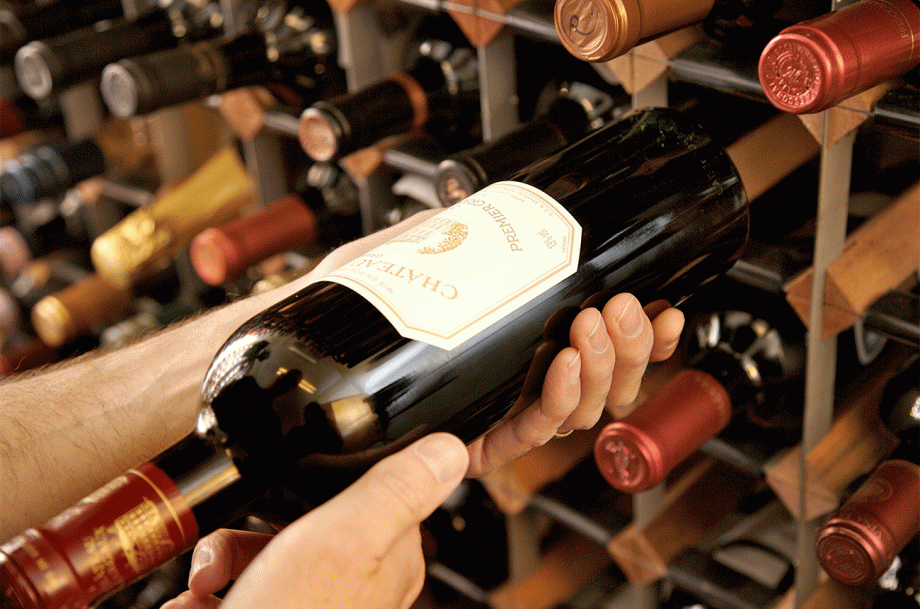
We have become accustomed to the notion that Bordeaux’s current major problem is global warming, sometimes bringing in its wake high ripeness and sugar levels, dizzying alcohols and poorly balanced wines with little acidity. 2013 was the grand exception, more reminiscent of some of the dimmer vintages of the 1950s and 1960s.
A soggy spring led to a delayed flowering and uneven ripening. July was hot and stormy, and August problematic, requiring intense vineyard management. September began cool, with rain increasing as the month went by and continuing into October.
Scroll down to see updated notes and scores for 30 Bordeaux wines from the 2013 vintage
Challenging season


Quaffable clarets

Bordeaux 2013 revisited: See Stephen Brook’s notes and scores for 30 of the vintage’s finest
Related articles
Why do we keep coming back to Bordeaux
Five must-visit cellars in Bordeaux
St-Emilion GCC 2016: Panel tasting results
Petrus, Pomerol, Bordeaux, France 2013

The difficulties of the vintage are hardly evident here. Very deep in colour, the wine is dense and opulent on the nose, with black cherry...
2013
PetrusPomerol

Château Calon Ségur, St-Estèphe, 3ème Cru Classé, Bordeaux, France 2013
More aromatic than most, with lush, smoky, leafy aromas, suggesting it's just beginning its evolution. Concentrated and velvety, it displays fine balance and no overt...
2013
Château Calon SégurSt-Estèphe
Château Lafleur, Pomerol, Bordeaux, France 2013
The reticent blackberry nose has lift and charm, and the palate is medium-bodied rather than intense and powerful. It's graceful and stylish, yet doesn't lack...
2013
Château LafleurPomerol
Château Latour, Pauillac, 1er Cru Classé, Bordeaux, France 2013
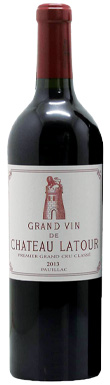
Very deep in colour, this is muted on the nose, though with black fruits lurking in the background. A compact wine with firm tannins, this...
2013
Château LatourPauillac
Château Smith Haut Lafitte, Pessac-Léognan, Cru Classé de Graves, Bordeaux, France 2013
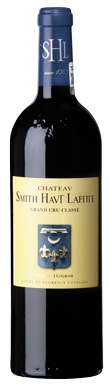
94
The blackcurrant-scented nose is subdued and quite oaky, while the palate is rich and succulent. The tannins are ripe and chocolatey, and the wine has unusual vigour and energy. It's robust but not too extracted and there are no rough edges. Structured and long, this still has ageing potential. Tasted from magnum.
2013
Château Smith Haut LafittePessac-Léognan
Château Ausone, St-Émilion, 1er Grand Cru Classé A, Bordeaux, France 2013
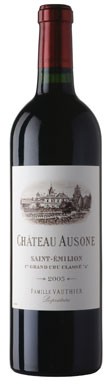
93
Muted raspberry coulis aromas, but the palate is rich and sleek, with polished tannins and no excessive extraction. It's lightly structured and accessible, but also stylish and balanced, with good if not accessible length. Not for long cellaring. A scarce wine as only 8,000 bottles were released.
2013
Château AusoneSt-Emilion
Château Bélair-Monange, St-Émilion, 1er Grand Cru Classé, Bordeaux, France 2013
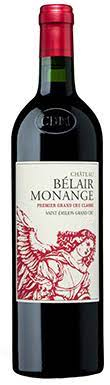
There's brooding blackberry fruit on the nose, but not very expressive on the day of tasting. In the mouth the wine is svelte and more...
2013
Château Bélair-MonangeSt-Emilion
Château L'Eglise-Clinet, Pomerol, Bordeaux, France 2013
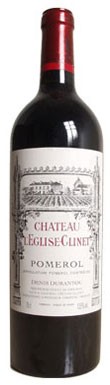
This was an excellent Pomerol seven years ago, and it still is. The nose is closed, but there are lurking aromas of black cherries and...
2013
Château L'Eglise-ClinetPomerol
Château La Mission Haut-Brion, Pessac-Léognan, Cru Classé de Graves, Bordeaux, France 2013
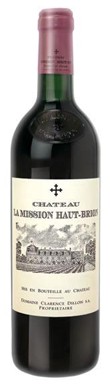
A sweet oakiness marks the red-fruited nose, and there's welcome purity and aromatic intensity. Rich and juicy, it's quite full-bodied and concentrated. The tannins are...
2013
Château La Mission Haut-BrionPessac-Léognan
Château Lafite Rothschild, Pauillac, 1er Cru Classé, Bordeaux, France 2013
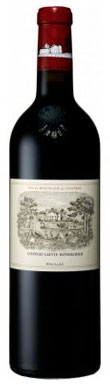
Aromatically restrained at present, with lurking blackcurrant fruit but moderate lift and zest. More weight and concentration on the palate, which shows both juiciness and...
2013
Château Lafite RothschildPauillac
Château Le Gay, Pomerol, Bordeaux, France 2013
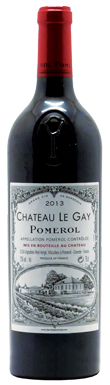
93
Le Gay took care not to extract more than the vintage could deliver, and the result is a suave wine with excellent balance. There's intensity and charm on the nose with cherry and raspberry fruit. The succulence of the palate is supported by ripe tannins that give texture and spice. This stylish Pomerol has better length than most of its peers.
2013
Château Le GayPomerol
Château Léoville Barton, St-Julien, 2ème Cru Classé, Bordeaux, France 2013
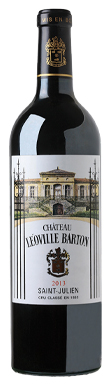
Over the years, this has taken on more weight. The colour is deep and there's no lack of rich, ripe blackcurrant fruit on the nose....
2013
Château Léoville BartonSt-Julien
Château Mouton Rothschild, Pauillac, 1er Cru Classé, Bordeaux, France 2013
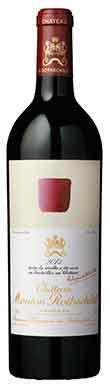
When tasted en primeur, this was a lightweight Mouton, but it too has gained weight over the years. There's solid fruit and integrated oak...
2013
Château Mouton RothschildPauillac
Château Palmer, Margaux, 3ème Cru Classé, Bordeaux, France 2013
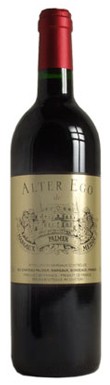
Palmer's hallmark elegance is still present in this wine, despite the problems of the vintage. The nose is poised and lifted, with refined blackcurrant and...
2013
Château PalmerMargaux
Château Rauzan-Ségla, Margaux, 2ème Cru Classé, Bordeaux, France 2013
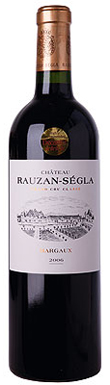
Tasted twice before, Rauzan-Segla has always shown high quality. The nose is oaky and vibrant, with firm blackcurrant aromas. There's ample upfront fruit as well...
2013
Château Rauzan-SéglaMargaux
Domaine de Chevalier, Pessac-Léognan, Cru Classé de Graves, Bordeaux, France 2013
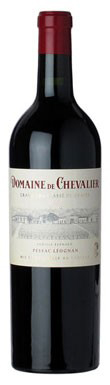
There's unexpected opulence on the nose, with its robustly fruity blackcurrant aromas, although the wine's density was apparent from the start of its life. Rich...
2013
Domaine de ChevalierPessac-Léognan
Château Haut-Brion, Pessac-Léognan, 1er Cru Classé, Bordeaux, France 2013
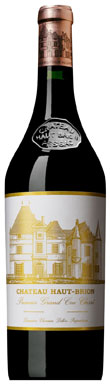
Haut-Brion wisely aimed to produce a wine of charm and finesse rather than power. The nose is reticent and less open than that of...
2013
Château Haut-BrionPessac-Léognan
Château La Violette, Pomerol, Bordeaux, France 2013
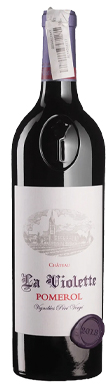
In its youth this wine, under the same ownership as Le Gay and Montviel, was one of the most impressive Right Bank wines of the...
2013
Château La ViolettePomerol
Château Langoa Barton, St-Julien, 3ème Cru Classé, Bordeaux, France 2013
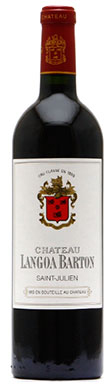
92
Nicely balanced and quite similar to its neighbour, Leoville-Barton, with the same blackcurrant aromas, but with a bit more charm and a bit less density. The fruit is upfront and juicy, and the texture is luminous rather than dense. It finishes long, with succulence and spiciness.
2013
Château Langoa BartonSt-Julien
Château Léoville Las Cases, St-Julien, 2ème Cru Classé, Bordeaux, France 2013
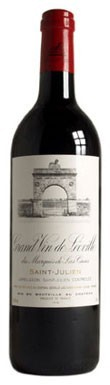
This gloriously located estate always delivers full-bodied and powerful wines, and despite a more slender frame in 2013, the same is true in this vintage....
2013
Château Léoville Las CasesSt-Julien
Château Léoville Poyferré, St-Julien, 2ème Cru Classé, Bordeaux, France 2013
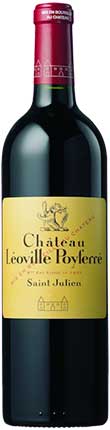
Even in this vintage, Poyferre is a big, opulent wine, and it has now shed its youthful austerity. It remains dense and oaky on the...
2013
Château Léoville PoyferréSt-Julien
Château Lynch-Bages, Pauillac, 5ème Cru Classé, Bordeaux, France 2013
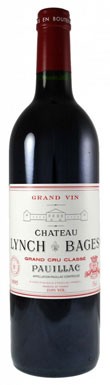
Very dark, rich in oaky blackcurrant aromas and robustly fruity, this certainly has Pauillac typicity. It's velvety as well as concentrated and weighty, and the...
2013
Château Lynch-BagesPauillac
Château Pichon Baron, Pauillac, 2ème Cru Classé, Bordeaux, France 2013
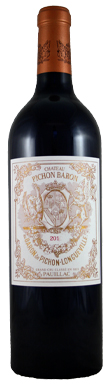
92
Pichon-Baron is never shy and retiring, and this is no exception. The nose has developed a savoury tone alongside its blackcurrant and liquorice aromas. It's compact, dense and imposing, with no sign of evolution. Robust and even chunky, it does lack some finesse but it's a typically assertive Pauillac with considerable staying power and length.
2013
Château Pichon BaronPauillac
Vieux Château Certan, Pomerol, Bordeaux, France 2013
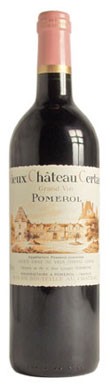
Alexandre Thienpont is proud of the 'cashmere' quality of his Cabernet Franc, but it scarcely entered the blend in 2013. Instead the Merlot supplies solid...
2013
Vieux Château CertanPomerol
Château Canon, St-Émilion, 1er Grand Cru Classé, Bordeaux, France 2013
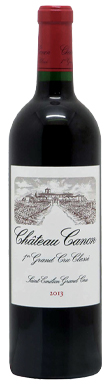
Canon did not show well at first, but since 2017 has made a better impression. There's reticent black cherry fruit on the nose, while the...
2013
Château CanonSt-Emilion
Château Cheval Blanc, St-Émilion, 1er Grand Cru Classé A, Bordeaux, France 2013
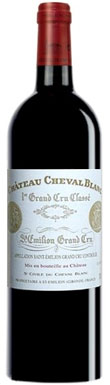
91
This has always been a modest wine, conscious of the risks of over-extracting and trying to find a weight of fruit that simply wasn't present in the vintage. There are delicate raspberry aromas of considerable charm and an immediately accessible palate, fluid and upfront, with delicacy and flair rather than structure or depth. It's well balanced, quite long, but not for much more cellaring.
2013
Château Cheval BlancSt-Emilion
Château La Fleur-Pétrus, Pomerol, Bordeaux, France 2013
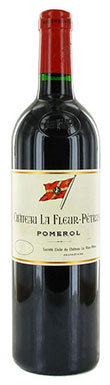
91
A relatively lightweight expression of this superb property, but it's attractive nonetheless. The cherry-scented nose is bright and lifted, while the palate is upfront with ample fruit and decent concentration. It's easygoing and lacks depth, but still lively and balanced, and the light tannins and moderate length suggest it should be drunk fairly soon.
2013
Château La Fleur-PétrusPomerol
Château Clinet, Pomerol, Bordeaux, France 2013
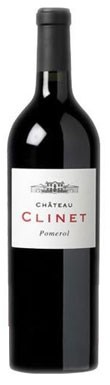
90
Tasted many times, this lightly plummy Clinet has always been among the best Pomerols in 2013. It retains much of its original opulence and finesse, but is now losing some force and drive. Finely crafted, but its essential modesty has come to the fore.
2013
Château ClinetPomerol
Château Cos d'Estournel, St-Estèphe, 2ème Cru Classé, Bordeaux, France 2013
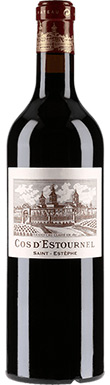
There's attractive upfront fruit here, with light tannins that avoid excessive extraction. The nose is subdued, and the palate also lacks some vigour and flair....
2013
Château Cos d'EstournelSt-Estèphe
Clos du Marquis, St-Julien, Bordeaux, France 2013
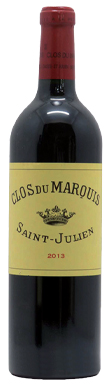
This has the solidity one would expect from this wine, but it's far less assertive than usual. The black-fruited nose is subdued, and the palate,...
2013
Clos du MarquisSt-Julien
