Best Michigan Riesling: Top bottles to try
Riesling, the most planted vinifera grape in Michigan, comes in a wide range of styles and offers a number of great food pairing options. Decanter explores Rieslings from the Great Lakes state in America's Midwest.


Lake Michigan, the fifth largest lake in the world, is an integral part of quality grape growing in the state. The Michigan coastline is extensive and full of peninsulas formed thousands of years ago due to glaciation. Arctic glaciers pushed south during the ice ages and carved out the major Great Lakes basin. The lake accumulates heat during the growing season and retains it through the autumn when temperatures drop, thus extending the growing season and giving the ‘lake effect’ necessary to produce quality wine.
‘Our vineyards hug the shores of one of the largest freshwater inland seas in the world, in a land once carved out by glaciers – and this unique terroir creates some real magic in any bottle of Michigan wine,’ says Patrick Brys, president & CEO of Brys Estate Vineyard & Winery.
Riesling: Michigan’s great grape
The latest figures show that Riesling is the most widely planted vinifera grape in Michigan, with 29% of plantings. Over 930ha of vinifera grapes are grown in the state, 270 of them Riesling.
Considered one of the great white grapes of the world, Riesling is lauded by experts for its purity and versatility. Despite this, many consumers believe that all Riesling is sweet, when in fact, the grape can be vinified from a bone-dry wine to the stickiest botrytised style. Riesling is known for its prominent aromatics and high acidity. The naturally high acidity from the grape can be balanced with residual sugar, usually from a halted fermentation. Alcohol levels are generally low, sometimes even in the single digits.
The best regions for Michigan Riesling
For quality grape-growing regions in Michigan, we look to Traverse Wine Coast and Lake Michigan Shore, located in the northwest and southwest corners of the state, respectively. Michigan, shaped like a mitten (or mitt) has 5,200 kilometres of the nation’s largest freshwater coastlines. ‘We have a range of Riesling styles in Michigan. Including more commonly recognised late harvest or sweeter Rieslings, but also dry in style and similar to the highest class Trocken and Alsatian producers,’ says Emily Dockery, executive director of the Michigan Wine Collaborative.

Home to nearly 40 wineries, the Traverse Wine Coast in the north includes two peninsulas moderated by the massive waters of Lake Michigan. The Leelanau and Old Mission Peninsula wine trails both provide optimal expressions of winemaking. They showcase the influence of the lake with very fruit-forward wines. These two peninsulas, north on either side of Traverse City, are responsible for 55% of the state’s production.
In the southwest corner of the state, with 130km of coastline is the Lake Michigan Shore AVA. With 15 winery members, it accounts for approximately 40% of the state’s production. This region is home to the oldest and longest-running winery in the state, St. Julian, founded in 1921. The area is slightly warmer than in the north, giving it an extra two to three weeks for the growing season.
Says Adam McBride, president of the Lake Michigan Shore Wine Trail and owner/winemaker at Hickory Creek Winery: ‘While refreshing acidity is constant across Michigan Rieslings, the wines in the Lake Michigan Shore seem to have a bit more texture and deeper fruit notes. We’re getting more peach, pear, apple and orange phenolics here compared to lighter citrus like lemon and lime in the northern AVAs.’
How Michigan Riesling tastes
The cool-climate wines wines of Michigan have a strong backbone of acidity and fruit-forward aromas and flavours, specifically with Riesling. As is common with the variety, it is vinified from dry to sweet, including botrytised and ice wine styles. McBride says: ‘The constant characteristics across Michigan Rieslings are bright acidity, lower alcohol and aromatic stone fruit and citrus notes. Michigan Rieslings are refreshing, easy to drink and meant to be paired with food.’
Pairing Riesling with food
With the proximity of Lake Michigan, local freshwater fish is a plentiful and a natural pairing with Michigan Riesling. Simple grilled fish from the lake, including salmon and trout, works well with a dry Riesling with a small hint of residual sugar. For a more flavour-packed fish dish such as honey garlic salmon, an off-dry Riesling gives a nice interplay of sweetness and acidity to cut through the sweetness of the sauce.
The most common pairing with Riesling is any mention of ‘spicy Asian food’. More specifically, the high acidity and slight residual sugar in a Michigan Riesling can counteract and balance the spice from dishes such as gochujang noodles, Thai coconut curry, or a spicier curry vindaloo.
Cherries, as an agricultural crop, reign in Michigan. It is the number one state for cherry production in the country. Spiced cherry chutney over roasted pork tenderloin pairs well with a dry Michigan Riesling. On the sweeter side of things, a sweet Riesling or ice wine paired with a fresh-baked cherry cobbler shows how the tartness in the cherries plus the acidity in the Riesling can match each other.

Best Michigan Rieslings to try
This selection of bottles covers the styles and regions mentioned above. In general, the Rieslings from Michigan are affordable and approachable.
Related articles
- International Riesling Day: American style
- A global discovery of Riesling with 15 top-scoring wines
- Joh. Jos. Prüm: Producer profile & 10 wines tasted
Chateau Grand Traverse, Whole Cluster Riesling, Old Mission Peninsula, Michigan, USA, 2021
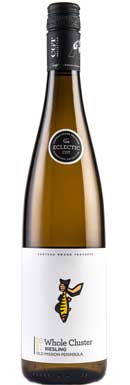
93
A quintessential well-balanced and food-friendly Riesling. Bright citrus white flower and straw notes on the nose. The bracing acid character is balanced by fruit concentration, primarily citrus (grapefruit) and stone fruits, which permeate the mid-palate.
2021
Chateau Grand TraverseOld Mission Peninsula
Black Star Farms, Arcturos Dry Riesling, Michigan, USA, 2021
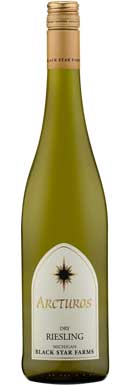
92
Taking home the 'Best in Show' in the Canberra International Riesling Competition in 2018, the current vintage still delivers. A slight spice character on the nose (star anise and cardamom) gives way to citrus and stone fruit notes on the palate – a balanced, quality wine with a long finish and varietal typicity.
2021
Black Star Farms
Rove Estate, Select Harvest Riesling, Leelanau Peninsula, Michigan, USA, 2021
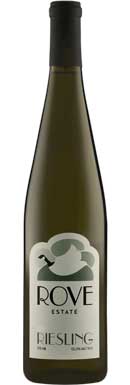
92
Aromas of orange peel, honeysuckle and stone fruit on the palate. The acidity lifts the palate to keep the wine refreshing and cleansing. A perfect companion to grilled shellfish, chicken satay, or an Asian-inspired cold noodle salad.
2021
Rove EstateLeelanau Peninsula
Verterra Winery, Dry Riesling, Leelanau Peninsula, Michigan, USA, 2021
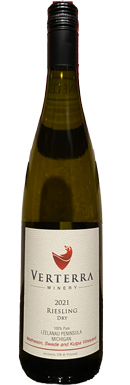
92
All things lime (lime peel and key lime) on the nose, green fruit and a hint of stone fruits. The palate gives abundant white flowers (jasmine), honeysuckle, and peaches/apricots. The strong acidity aids in food-friendliness. Enjoy with spring rolls, pad thai, or grilled peaches & burrata.
2021
Verterra WineryLeelanau Peninsula
Brys Estate, Riesling Reserve, Old Mission Peninsula, Michigan, USA, 2021
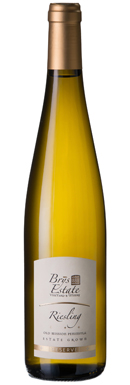
91
With acidity and sweetness dancing in unison, this off-dry Riesling delivers precisely what it should. Poached pears and stone fruit (peach preserves) on the nose, plus a spiced apple and stone fruit character on the nose – an in-between Riesling to satisfy the dry and sweet wine drinker.
2021
Brys EstateOld Mission Peninsula
Cody Kresta Vineyard & Winery, Dry Riesling, Lake Michigan Shore, Michigan, USA, 2020
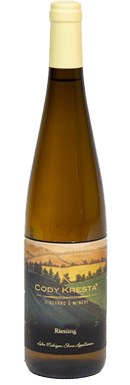
91
Mouthwatering acid, but delivering more complexity than austerity. Rocks and fruit: wet stone, green apple and pear notes on the nose and palate. A slightly honeyed character with spice notes of saffron and ginger. This Riesling punches well over its price point. Great value.
2020
Cody Kresta Vineyard & WineryLake Michigan Shore
Shady Lane Cellars, Reserve Riesling, Leelanau Peninsula, Michigan, USA, 2020
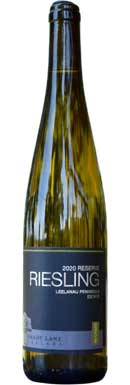
91
Racing and vibrant, this wine showcases generous stone fruit on the nose, with a whisper of white flowers, contrasting the austere, steely palate with a strong acid backbone. The Riesling-like tension of rocks (wet stone minerality) plus fruit gives a zippy character to this wine.
2020
Shady Lane CellarsLeelanau Peninsula
Golden Muse Winery, Jósephine Baker Dry Riesling, Lake Michigan Shore, Michigan, USA, 2020
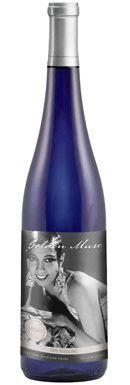
90
This female-owned winery shows us what Riesling in Michigan can do. There is slight petrol on the nose moving into green fruit plus stone fruit notes. The palate showcases bracing high acid, confirms the aroma notes, plus jasmine flowers – an all-purpose, varietally correct Riesling to enjoy on its own or with a light meal.
2020
Golden Muse WineryLake Michigan Shore
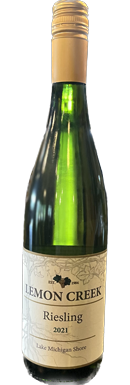
Lemon Creek Winery, Riesling, Lake Michigan Shore, Michigan, USA, 2021
90
This wine is driven by primary aromas and flavours, with the acidity taking centre stage. The aromas of lemon peel, moving into lemon curd, green apple, and pear, are all confirmed on the palate – a hint of white flower aromas in the nose, signalling that it’s Riesling in the glass.
2021
Lemon Creek WineryLake Michigan Shore
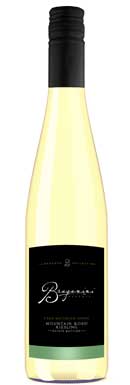
St Julian Winery, Braganini Reserve Mountain Road Riesling, Lake Michigan Shore, Michigan, USA, 2022
90
There is a precise balance of acid and sugar in this off-dry Riesling. The character of the fruit is slightly ripe, with the acid framing it all nicely. A perfumed, fruit-forward nose is confirmed on the palate. Enjoy with fresh spring rolls, thai mango salad, gochujang noodles, or any dish with a hint of spice that needs tempering.
2022
St Julian WineryLake Michigan Shore
