Cerasuolo d’Abruzzo: Italy’s serious rosé
While we consume swathes of lightly coloured rosé every year, it would be a shame to overlook Cerasuolo d'Abruzzo, Italy's cherry-coloured alternative...


The rosé wine of Abruzzo – the region east of Rome on the Adriatic coast – is made from the red Montepulciano grape, the area’s flagship variety and one of Italy’s most extensively planted. Known as Cerasuolo d’Abruzzo, the DOC has only existed since 2010; these wines previously fell under the Montepulciano d’Abruzzo DOC.
Cerasuolo translates as ‘pale cherry red’, and these wines get their distinctive deep hue from a short maceration of 24 hours or less. The high level of anthocyanins in the skin of the Montepulciano grape imbues the must with both colour and tannin in a short timeframe. This is in contrast to the fashionable lighter style of rosé, which is typically made by running the juice off from the skins immediately after pressing.
Often matured in stainless steel for several months before bottling, Cerasuolo d’Abruzzo has a fruity profile with zippy acidity from a combination of sun, altitude and cool mountain breezes. The best examples are structured more like red wines, showcasing tannins and intense red fruit flavours yet astonishing freshness at the same time. Unlike many rosés, this makeup makes these wines able to age for a few years.
Carasuolo d’Abruzzo is for wine lovers who are bored of the endless Provence-style rosés, or who enjoy lighter reds such as Beaujolais Villages (or its crus), Schiava, or Etna Rosso. Thanks to its intense, tannic character with good acidity, this rosé is a great companion for food: from lobster bisque to a Serrano ham and pomegranate salad, and even dim sum.
Cerasuolo d’Abruzzo: Factbox
Just 970 hectares of vines are devoted to production of Abruzzo’s pink wine, significantly down on both the Montepulciano and Trebbiano d’Abruzzo DOCs (9,600ha and 5,400ha respectively).
Cerasuolo d’Abruzzo must contain a minimum of 85% Montepulciano, with other locally permitted varieties allowed for the remaining 15%. In practice, many are 100% Montepulciano.
The wines are eligible for release on 1 January the year after harvest.
Cerasuolo d’Abruzzo Superiore demands a higher minimum ABV (12.5% vs 12%) and longer minimum maturation (around four months vs two months)
Cherry-picking Cerasuolo:
You may also like:
Italy’s top rosés: 16 rosato wines to try
Best Provence rosés for under £20/$30
What makes a premium rosé?
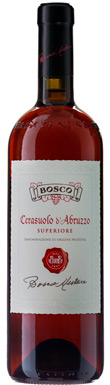
Bosco, Cerasuolo d'Abruzzo, Superiore, Abruzzo, Italy, 2019
92
If you're looking for a picnic rosé then look elsewhere - at 14.5% this is not exactly a light lunchtime treat! From vineyards at 450m above sea level in Civitaquana, Pescara, it is, however, a delicious wine in its own right. Aromas of raspberry, plum, strawberry and a lifted note of rose petal draw you into the palate, which is dense and intense. Flavours of strawberry, raspberry, plum, white pepper, herb and saline hints all neatly fall into place, with a steely finish which lightens the mood. Impressively balanced, this is a fantastic example of what Montepulciano in Abruzzo can achieve in its pink guise.
2019
BoscoCerasuolo d'Abruzzo
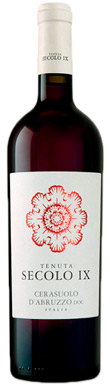
Tenuta Secolo IX, Cerasuolo d'Abruzzo, Abruzzo, Italy, 2019
91
From 10-year-old vines in Castiglione a Casauria, Pescara at 220m above sea level, this wine is fermented and matured in stainless steel, with 10% matured in barriques for six months. It has a deep cherry hue with aromas of summer berries, cherry and herbs. The palate has some delicate tannic structure and beautifully fresh, clean acidity. Intense flavours of spicy cherry, raspberry and plum are accompanied by breezy herbs and the slightest lick of salinity on the long, super-fresh finish.
2019
Tenuta Secolo IXCerasuolo d'Abruzzo
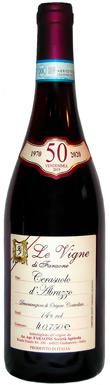
Faraone, Le Vigne di Faraone, Cerasuolo d'Abruzzo, Abruzzo, Italy, 2019
91
Made from a portion of free-run juice drawn from what will become the estate's Montepulciano d'Abruzzo, this rosé is decidedly red-wine coloured. In the mouth it has sweet, ripe tannins which sit behind bold, intense hedgerow fruits and some spice and herbs. This is more like a dialled-down red and deserves to be enjoyed with salumi or other antipasti.
2019
FaraoneCerasuolo d'Abruzzo
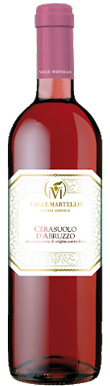
Valle Martello, Cerasuolo d'Abruzzo, Abruzzo, Italy, 2019
90
Sourced from vineyards in Villamagna, the must spends 24 hours in contact with the grape skins before pressing. This gives it plenty of cherry-hued colour, and it gives off a red-apple note along with aromas of cherry and raspberry. The tannins are subtle and fine, giving the impression of a juicy palate where you might expect more grip given the colour and aroma. The intense red fruit flavours are focussed by the chiselled acidity - this is a very sculpted wine which is well balanced and delicious. It will be at its best paired with food; try it with a Serrano ham and pomegranate salad.
2019
Valle MartelloCerasuolo d'Abruzzo
Paride D'Angelo, Cerasuolo d'Abruzzo, Abruzzo, Italy, 2019
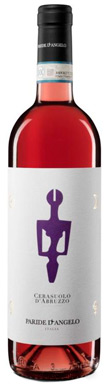
90
Intensely cherry red in appearance, this wine - from vines with an average age of 45 years - smells more like a red wine with its notes of cherry, raspberry and spice. In the mouth, bright acidity punctuates the full body and subtle veil of tannins. Bitter cherry, peppery spice and raspberry coulis flavours abound.
2019
Paride D'AngeloCerasuolo d'Abruzzo
La Quercia, Primamadre, Cerasuolo d'Abruzzo, Abruzzo, Italy, 2019
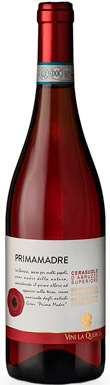
90
From vines in Morro d’Oro in Teramo at 210m above sea level, the must spends eight to 12 hours in contact with the grape skins before pressing. It's a leesy, musty wine on the nose, but in the mouth simple cherry fruit emerges along with some bright strawberry and raspberry. There's a touch of leesiness, some subtle tannins and a sprinkle of pepper too. Well balanced, with good intensity and fresh acidity.
2019
La QuerciaCerasuolo d'Abruzzo
The Vinum, Il Rosè, Cerasuolo d'Abruzzo, Abruzzo, Italy, 2019
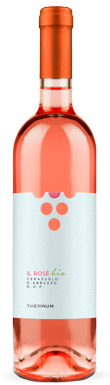
89
From vineyards in Nocciano, the grapes are macerated for eight hours before pressing. After fermentation, the wine is aged in stainless steel for around six months then in bottle for two months. It has a fragrant nose of strawberries, cream and herbs. This is on the darker side of the colour spectrum and there are some subtle tannins which provide structure to the cherry, blackberry, strawberry and raspberry fruits.
2019
The VinumCerasuolo d'Abruzzo
Cantina Tollo, Hedòs, Cerasuolo d'Abruzzo, Abruzzo, Italy, 2019
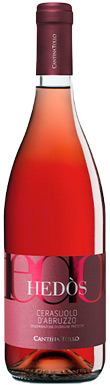
89
From vines in Tollo at a relatively low 130m, the grapes for this wines are macerated for 24 hours before fermentation and maturation in stainless steel. There's a copper tinge to the cherry colour. It's clear and bright and has a hint of leesy creaminess on the nose, alongside fresh, ripe cherry, strawberry and raspberry fruits. In the mouth it's deliciously clean and fresh too, the red fruits showing good intensity. There's just a hint of spice on the mid-palate and a delightful pillowy leesiness in the background. Simple, yes, but effective too. Well balanced.
2019
Cantina TolloCerasuolo d'Abruzzo
Mastrangelo, Angelo Rosa, Cerasuolo d'Abruzzo, Abruzzo, Italy, 2019
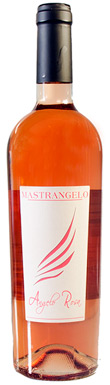
89
From a vineyard in Loreto Aprutino, Pescara, the grapes for this wine are macerated for 12 hours then fermented and aged in stainless steel for three to four months. It then spends one month in the bottle before release. A relatively light colour for Cerasuolo d'Abruzzo, it has a fresh cherry nose with a hint of cream and herbs. Zingy and clean in the mouth, this displays simple cherry charm and a bright finish, with a touch of grippiness.
2019
MastrangeloCerasuolo d'Abruzzo
Menicucci, Ginesia, Cerasuolo d'Abruzzo, Abruzzo, Italy, 2019
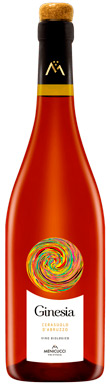
89
An intense aroma of red fruits and a waft of herbs leads to an equally intense palate of juicy cherry, raspberry jam and gentle spice. There's a lick of bitter herbs alongside jammy red fruits on the long, refreshing finish.
2019
MenicucciCerasuolo d'Abruzzo
Barone di Valforte, Valforte Rosè, Cerasuolo d'Abruzzo, Abruzzo, Italy, 2019
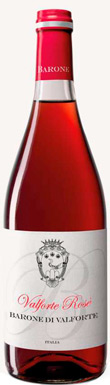
88
Sourced from vineyards between 150 and 350m above sea level in Casale Piomba. Firmly 'cherry' in colour, this displays aromas of red fruits with a touch of spiciness. It's also quite spicy on the palate, which subsides to reveal clean, fresh cherry and strawberry fruits. A simple example that will be at its best served with lobster bisque.
2019
Barone di ValforteCerasuolo d'Abruzzo
Fattoria Nicodemi, Le Murate, Cerasuolo d'Abruzzo, Abruzzo, Italy, 2019
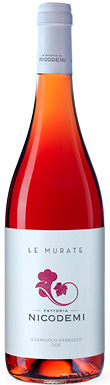
88
East-facing vineyards at 250-300m above sea level in Notaresco have produced this cherry coloured rosè. It has a slightly plummy, almost earthy nose, with some dried red fruit notes. There's some tannic structure and fresh acidity, but these play second fiddle to the red fruits, although it's difficult to pick out any specific flavours - it's slightly muddled and lacks definition.
2019
Fattoria NicodemiCerasuolo d'Abruzzo
Feuduccio, Cerasuolo d'Abruzzo, Abruzzo, Italy, 2019
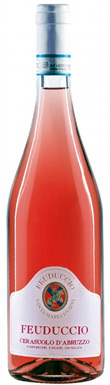
88
From vines at a lofty 432m above sea level, this wine is matured in stainless steel for three months before release. The nose is a bit reduced, with slightly dusty, earthy notes of red fruits. The palate has some light tannic grip and reasonable intensity, with balancing acidity. Cherry and floral notes lack some precision but are fresh and ripe.
2019
FeuduccioCerasuolo d'Abruzzo
Chiusa Grande, VinoSophia, Cerasuolo d'Abruzzo, Abruzzo, Italy, 2019
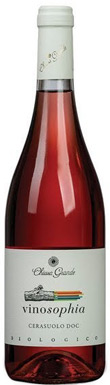
87
With skin contact of 10-12 hours, this wine has absorbed plenty of colour from the Montepulciano grapes. It's a simple but tasty expression of soft cherry and raspberry, with a sprinkle of white pepper and herbs on the mid-palate.
2019
Chiusa GrandeCerasuolo d'Abruzzo
