Dark rosé wines for late summer drinking – 15 to try
Darker coloured rosés are the perfect wines to bridge late summer and early autumn. Intense yet refreshing, they still evoke a sense of laidback enjoyment but can also handle heavier meals and chillier evenings.


With the autumn equinox on the horizon on 22 September, days are getting shorter and late summer nostalgia weaves into the appeal of longer evenings and richer meals. Darker rosés are some of the best transitional wines for this period.
As we enjoy the last of the season’s barbecues and garden parties, these deep-hued pours are best enjoyed alongside some nibbles and served slightly less chilled than their paler counterparts.
Regions and appellations producing dark rosé wines:
Cerasuolo d’Abbruzzo – Abruzzo, Italy
Chiaretto di Bardolino – Verona, Italy
Cigales and Ribera del Duero – Spain (namely Clarete styles)
Nemea – Peloponnese, Greece
Tavel – Rhône, France
What makes the colour of a rosé more or less intense?
Two main factors contribute to the colour of a rosé wine: winemaking method and grape variety.
Wine gets its colour from the grape skins. The longer the grape juice is in contact (or macerated) with the skins, the more colour, aroma, flavour and tannin will be extracted.
Pale Provence-style rosés are mostly produced using the direct press method without extended maceration.
Whereas Tavel winemakers typically macerate for up to 48 hours, for wines comparatively more intense and deeper-hued. For context, in red wine production the juice macerates on the grape skins for anything from a week to over a month.
Grapes with thicker skins will produce more colour in the wine than thin-skinned varieties. Hence why a rosé made from Garnacha is generally more intense than one produced from Pinot Noir, if macerated for a similar number of hours.
A traditional style, revived
Pale rosé wines are in fact a relatively modern trend, dating back to the 1980s, only made possible by technological advancements in refrigeration, cold stabilisation and sterile filtration.
Previously, rosé wines were more akin to light reds in both colour and structure. They were either a product of short, but not insignificant, macerations or co-fermentation of red and white grapes. Generally produced as a cheaper wine for local consumption, they were often seen as ‘farmer’s wines’ which in turn led to the perception of light rosés as a more sophisticated alternative.
There is, however, renewed interest in these more traditional styles of rosé, fuelled by a growing movement towards terroir specificity, historical research, varietal expression and low-intervention winemaking.
The revival of Clarete in Spain and Palhete in Portugal is an example of this new trend.
Perfect food companions
It’s not by chance that the French call these deeper hued wines ‘rosés d’assiette’ – in other words, rosés to eat with. Dark rosés are ideal food companions and versatile when it comes to pairings.
Whether you are planning the season’s last barbecues or looking for a dry alternative to serve alongside fruit-based desserts, an intense rosé will not let you down. Their textural richness, aromatic intensity and subtle tannins are the ideal combination to handle a wide range of foods, and therefore often favoured by sommeliers.
Dark rosé wines for late summer drinking:
Wines shown in score order
Related content:
Welcome to the dark side: Champagne’s Rosé de Saignée
Best rosé wines beyond Provence
Best rosé wines: 30 to try this summer
Château de Pibarnon, Nuances, Bandol, Provence, France, 2020
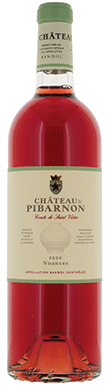

Producing different expressions of Mourvèdre (including reds) from different terroirs, Eric de Saint Victor felt that consumers were drinking his Pibarnon rosé too young and...
2020
Château de PibarnonBandol

Iliana Malíhin, Liatiko Rosé, Rethymno, Crete, Greece, 2022
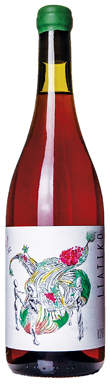
A deeply coloured wild-ferment rosé with herbal spice and botanical brilliance. The aromas are steeped in Cretan charisma with dried herbs aplenty and the palate...
2022
Iliana MalíhinRethymno
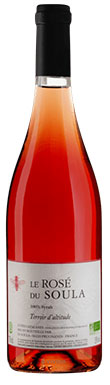
Le Soula, Rosé, Côtes Catalanes, Languedoc-Roussillon, France, 2022
93
A beautiful deep pink colour in the glass, this is such a zesty, fun wine, offering lots of refreshment but also of substance. So many rosés have zero impact and this is the exact opposite; it's an impactful, compelling, alluring wine that will reward glass after glass.
2022
Le SoulaCôtes Catalanes
Quinta da Conceição da Lapa, Clarete, Tejo, Portugal, 2020
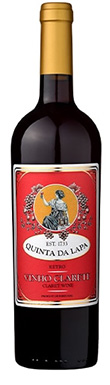
From the days before the world thought pale rosé was only gently pressed red grapes, rosés were also a blend of red and white grapes....
2020
Quinta da Conceição da Lapa
Thymiopoulos, Rosé de Xinomavro, Naoussa, Macedonia, Greece, 2022
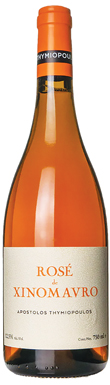
93
In its dark bottle, this serious rosé is built to age and looks forward to an era of Greek wine production where rosé rivals reds and whites for flagship status. Lovely flecks of bronze in the glass, and the aromas reward decanting with savoury framing around some exotic splendour along the lines of gingery spice and papaya. A few months in oak bolster depth and savoury resonance alongside fresher notes that pop like dots of red apple and tiny raspberry pips. After an hour it opens into orange peel and rose nuances underpinned by lavish intensity, which makes it a fabulous choice for the finest banquet of crab or lobster. Farmed organically, using biodynamic practices.
2022
ThymiopoulosNaoussa
Boundary Breaks Vineyard, Dry Rosé, Finger Lakes, New York State, USA, 2023
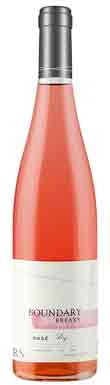
A silver lining to New York’s challenging 2023 growing season is the incredible depth of flavour found in the wines. The 2023 Boundary Breaks Dry...
2023
Boundary Breaks VineyardFinger Lakes
Domaine de la Rectorie, Coté Mer, Collioure, Languedoc-Roussillon, France, 2023
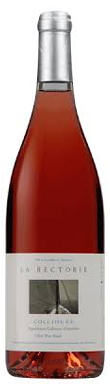
From coastal vineyards close to the border with Spain, where sweet fortified wines and big reds dominate, this rosé expresses local character and beautiful freshness....
2023
Domaine de la RectorieCollioure
Portal del Priorat, El Mas de l'A Tot-ú, Priorat, Catalonia, Spain, 2021
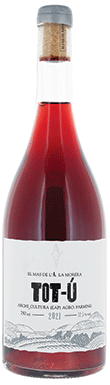
Clarete. Youthful red wine with crunchy berries, currants, and keen rose hip acidity. Plum skin grip and a bittersweet finish. Deep rose, violets, Morello cherry,...
2021
Portal del PrioratPriorat
Señorío de Sarría, Rosado, Navarra, Spain, 2023
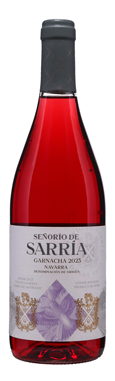
92
I adore this rosé: who says rosé has to be pale, and / or complex? It's a joy to drink, perfect for a summer barbecue in the garden. A deep blush bright pink in the glass, it pops with ripe strawberry fruit and a hint of bubblegum – but it's not at all sickly, fruit sweet but fresh, and bone dry. I seek out this style every year on my annual summer weekend in Spain, and love it with prawns pil pil. Voted a 2024 Wine Champion by the Society's buying team.
2023
Señorío de Sarría
Syfany, Just Rosé, Moravia, Czech Republic, 2018

92
Dark coppery pink in the glass, this has an incredible creamed strawberry nose, followed by cherries and violets, and something that reminds me of baked cheesecake. There's gorgeous fruit intensity here, and a rich, sumptuous texture. At 2018 it's really holding its own, still plumped up with fresh fruit and freshness.
2018
Syfany
Cume do Avia, Rosete Ni Rosado Ni Clarete, Ribeiro, Galicia, Spain, 2021
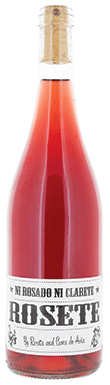
Complex floral-herbal nose with a red plum background. Lively palate with febrile acidity. Funky, fresh, floral, with cranberry, pomegranate, and tea leaf notes. Concentrated sweet...
2021
Cume do AviaRibeiro
Les Vignerons de Tavel & Lirac, Cuvée Royale, Tavel, Rhône, France, 2023
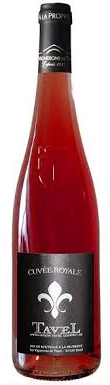
The cooperative in Tavel offers a range of three Tavels which illustrate three different terroirs and this one from the hotter sites with rolled river...
2023
Les Vignerons de Tavel & LiracTavel
Marco De Bartoli, DBE, Etna, Sicily, Italy, 2022
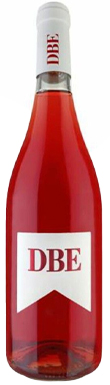
At a time when pale colour is chosen over flavour, the de Bertoli’s decided on extended maceration for 48 hours and spontaneous fermentation to allow...
2022
Marco De BartoliEtna
Vina Laguna, Festigia, Istria, Coastal, Croatia, 2023
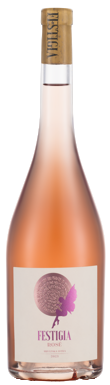
The dark purple-pigmented Teran gives intensely fruity reds with massively high acidity which need serious taming, and translates into vibrantly fruity rosé. Here the fruit...
2023
Vina Laguna
Barnstormer Vineyards, Dry Rosé, Finger Lakes, New York State, USA, 2023
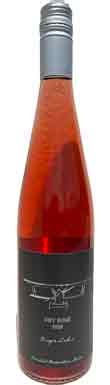
A limited production of this Blaufränkisch and Merlot blend. After a two-day cold soak, the juice was bled off and began fermentation. This method is...
2023
Barnstormer VineyardsFinger Lakes
