Great value Chianti under £20
Chianti is one the world's oldest and most famous wines. The Chiantis recommended below are all available for under £20 / $20, tasted by Decanter experts...


Chianti is one of those signature wines everyone seems not just to have heard of, but to have enjoyed. Partly, this is because Chianti’s geographic heartland – Chianti Classico – was among the first wine regions to be mapped out; in its case in 1716 by the Medici dukes.
But mainly it is because Chianti, in all its forms, is Italy’s biggest-selling quality red wine. It’s almost certain that Chianti will be on all restaurant lists and on merchants’ shelves, and it’s there for two reasons…
First, because the Sangiovese grape – the backbone of any wine labelled Chianti – is unrivalled for food friendliness thanks to its ripe, ruddy cherry juiciness and taut, crunchy redcurrant savouriness.
Second, the wines are potentially excellent value, offering everything from basic Chianti bottled young with no oak ageing, to those from the heartland of Chianti Classico, then to long-aged Riservas and Gran Seleziones.
Read about the comeback of Chianti Classico in the 2021 Italy guide, free with the latest issue of Decanter
Moving with the times
Up to 30% of vineyards around the Chianti Classico heartland of Panzano, Gaiole and Greve are now organic or biodynamic (the national average is about 10%). Many grape growers are working with olive, fruit, cereal and vegetable growers to create environmentally protected areas, or biodistretti.
Sowing other plants between the vine rows helps feed both the soil and beneficial insects like bees by providing pollen. Such plants improve the wine, and their petals provide the perfect background for tourists lining up those holiday selfies. They are also giving rise to some pretty spectacular Tuscan honey.
Wine-growers in Chianti Classico are also at the forefront of mapping or zoning their vineyards to make it easier for drinkers to match wine tastes to particularly sunny or cooler, high-altitude vineyard areas – the latter now much in vogue due to climate change.
Critics say this is making the already complicated Chianti equation even tougher to solve. They point out that there are already around 20 different ways of labelling Chianti and Chianti Classico which are jumbling up wine labels: terms such as ‘Classico’ (meaning from the heartland identified in 1716), ‘Superiore’ (grapes picked with a little extra ripeness), ‘Colli’ (hills), ‘Senesi’, ‘Fiorentini’ and ‘Pisane’ (from the non-Classico side of Siena, Florence and even Pisa respectively).
But the ‘zoners’ argue that the more growers know about their vineyards, the more knowledge they can share with each other to improve quality and with wine lovers, who can make better informed choices. Enjoying a bottle of Chianti Classico is one thing, but knowing exactly why you enjoyed it is even better.
Introduction copy by Monty Waldin, originally published in August 2016. Wines updated 15 January 2021
The best value Chianti wines under £20/$20 tasted by Decanter experts
You may also like:
Chianti Classico Riserva & Gran Selezione 2015 & 2016: Panel tasting results
Chianti Classico latest releases: Full report
What has Gran Selezione done for Chianti?
Tenuta di Nozzole, Chianti Classico, Tuscany, Italy, 2016
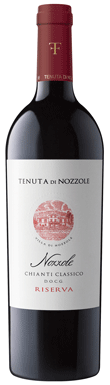
92
From hillside vineyards in the Chianti Classico zone, this Sangiovese shows generous layers of cherry, spice and tangy herbal notes in a medium-bodied package. The tannins are soft and supple and the overall impression is fresh and elegant with a well-managed, food-friendly finish.
2016
Tenuta di NozzoleChianti Classico
Tenuta San Jacopo, Poggio ai Grilli Riserva, Chianti, Tuscany, Italy, 2015
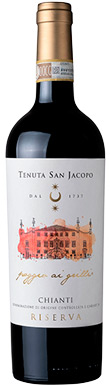
91
Rustic, ripe charm from this 90% Sangiovese, 10% Montepulciano. Aromas of wet soil, balsamic strawberries and sweet spice lead to a silky palate with soft tannins, fresh acidity and savoury red cherry fruit. Give it some air before serving.
2015
Tenuta San JacopoChianti
Marks & Spencer, Classics No23, Chianti, Tuscany, Italy, 2017
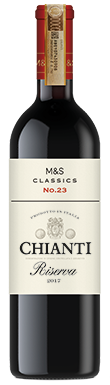
90
Cecchi, a family winery founded in 1893, makes this approachable wine for M&S. A classic blend based on Sangiovese, the supple, savoury palate has forward cherry-berry fruit, dried herbs and vanilla coffee notes from 12 months' oak ageing. Brisk acidity keeps things fresh and firm tannins provide good structure. You can't go wrong at this price.
2017
Marks & SpencerChianti
Castello di Radda, Chianti Classico, Tuscany, Italy, 2017
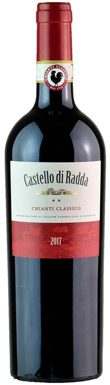
90
Made from low-yielding fruit aged in Slavonian oak, this Chianti Classico has fragrant scents of sweet spices and dried red fruits. It has reasonable concentration in the mouth, with flavours of macerated cherries, tobacco and black cherry. Vanilla, wood and liquorice emerge on the finish.
2017
Castello di RaddaChianti Classico
Poggiotondo, Chianti, Tuscany, Italy, 2018
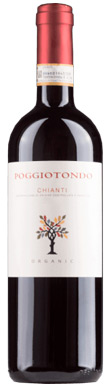
88
Certified organic since the 2014 vintage, this Chianti is aged in a combination of oak and concrete tanks. It has a concentrated if fairly simplistic character, with wild spicy notes joined by cherry and bright raspberry on the lightly tannic palate, finishing with woody notes from the oak.
2018
PoggiotondoChianti
Bibbiano, Chianti Classico, Tuscany, Italy, 2018
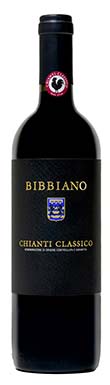
88
Crafted from Bibbiano's diverse plots extending over 30 hectares, this blends grapes from cooler northeastern exposed vineyards with warmer, sun-soaked southwestern facing sites. Aged in concrete vats rather than oak, it offers nice purity and focus. Mid-weight with a lightness of texture, sour red cherry and finely powdered tannins. Not a ton of length but all components are well-proportioned and in the right place. Makes for a very drinkable-now package.
2018
BibbianoChianti Classico
Rocca di Castagnoli, Chianti Classico, Tuscany, Italy, 2018
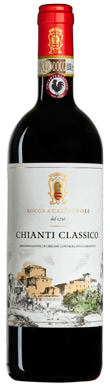
87
Winemaker Daniele Pagni says that the summer rains complicated the work in the cellar. As the the grape seeds weren't perfectly ripe, he gave a more delicate extraction with less frequent pump overs to avoid bitterness. While tannins are rather slender, this puts the emphasis on the mouth filling summer berries. A cheerful wine that will give plenty of upfront pleasure but best in the next 2 to 3 years.
2018
Rocca di CastagnoliChianti Classico
