
Alentejo: Regional profile plus top wines worth seeking out
This large Portuguese wine region is home to distinctive sub-regions and a wealth of native grapes and wines styles. Sarah Ahmed takes you on a tour and recommends 18 exciting wines to try.


Year in, year out, much like its reliably sunny climate, Alentejo’s red wines shine at Decanter World Wine Awards. Together with the Douro, the southern Portuguese region is the country’s most consistent Gold and Platinum medal winner.
In 2020, the results rammed home Alentejo’s super-power – ‘the special one’ excels at both ends of the price spectrum, with four Platinum awards (two ‘Value Platinum’) and a ‘Value Best in Show’ accolade for its biggest producer, Co-operativa Agrícola de Reguengos de Monsaraz (Carmim).
Scroll down for Sarah Ahmed’s top 18 Alentejo wine tasting notes and scores
For Alexandre Relvas Jr (Casa Agrícola Alexandre Relvas), who produces volume brand Ciconia and just 4,000 bottles of Herdade de São Miguel Pé de Mãe, the foundation of this success is twofold. The first factor is quality consistency. He says this is ‘due to the climate, dry harvests and modern winemaking facilities.’
The second is diverse terroirs. These allow for ‘high yield vineyards of 10-12 tonnes per hectare [versus 3t/ha for Pé de Mãe] with nice concentration and ripeness.’ Relvas also notes that these are ‘some of the most special, high-end terroirs of Portugal’.
It makes perfect sense when you consider Alentejo’s size. Stretching for some 200km from north to south (and book-ended by the coast to the west and Spanish border in the east), it represents one-third of mainland Portugal’s land mass. North to south, three contiguous districts – Portalegre, Evora and Beja – collectively define the boundaries of Vinho Regional Alentejano which, on average, basks in over 3,000 sunshine hours a year.
However, within this expanse of rolling plains, interspersed with granite, schist and marble-hewn mountain ranges, there are big differences in latitude, elevation and exposure – depending on topography and relative proximity to the tempering Atlantic or the interior’s temperature extremes.
Eight sub-regional pockets enjoy DOC status (see below) and each one is distinct. Leading winemaker and consultant, Susana Esteban, explains: ‘Portalegre [also a DOC] is completely different from the rest of Alentejo, and Estremoz [in Borba DOC] has nothing to do with Beja [the region’s southern boundary].’
Featuring in my article on Top 20 Portugal Atlantic Whites, Cortes de Cima’s and Vincentino’s 21st century Atlantic-facing vineyards reveal yet another dimension.
Alentejo at a glance
Alentejo DOC demarcated: 1988; Alentejo Vinho de Talha introduced in 2010
Vinho Regional: Alentejano
Sub-regions (north to south):
Alto Alentejo: Portalegre DOC, Borba DOC, Redondo DOC, Evora DOC, Reguengos DOC
Baixo Alentejo: Granja-Amareleja DOC, Vidigueira DOC, Moura DOC
Area under vine: 22,883ha (DOC, VR), of which 16,546ha approved for DOC Alentejo
Main red grapes: Aragonez (24.3%), Trincadeira (16.5%), Alicante Bouschet (16%), Syrah (11.8%), Touriga Nacional (7.9%)
Main white grapes: Antão Vaz (25.5%), Roupeiro (17.6%), Arinto (16.1%), Verdelho (5.3%)
Annual production: 1 million hectolitres, of which c. 76.7% red
Number of producers: 284
Source: Comissão Vitivinícola Regional Alentejana 2019
A hive of industry
Today, some 300 producers articulate these differences, accounting for almost 40% of Portugal’s certified (quality) wines. But it was another story in the 1980s, even though Alentejo’s continuous tradition of winemaking predates its Roman settlers. With production concentrated in the hands of cooperatives and focused on local consumption, Alentejo – historically a poor, rural area – produced just 4% of quality wines.
‘Private winemakers and wine-growers brought quality and innovation to the region,’ explains João Portugal Ramos, then one of a cohort of highly sought-after young Portuguese consultant winemakers, whose number included Paulo Laureano, Rui Reguinga and Luis Duarte.
The tide turned towards the estate model after Portugal joined the European Union in 1986. Much like other regions, Alentejo benefited from development grants and started courting new, quality-focused export markets in earnest. Unlike other regions, which drew from extensive pre-existing plantings, Alentejo was ripe for fresh exploration with a new palette of export-friendly grapes, including Syrah and Bordeaux reds, as well as non-local varieties such as Touriga Nacional and Arinto.
From nearby Lisbon, savvy captains of industry, notably José Roquette (Herdade do Esporão), diversified into wine, importing fresh ideas and, in Roquette’s case, cutting-edge winemaking know-how in the shape of David Baverstock, an Australian winemaker. The success of these pioneers helped to engineer a new wine-growing landscape, with sizeable but meticulously conceived vineyards and wineries, equipped with irrigation and temperature control from the off. Not without justification Ramos claims: ‘Today, Alentejo is the leading region in terms of wine-growing practices.’

Mixing it up
This cutting-edge platform underpins Alentejo’s bedrock of reliably smooth, fruity approachable reds and buffs fruit to a high sheen in polished, ageworthy examples (often released with bottle age). For complexity and balance, most are blends although – featuring heavily in my recommendations below – Alicante Bouschet scales giddy heights as a solo player too.
Introduced during the 19th century, the red-fleshed Teinturier (a Petit Bouschet and Grenache crossing) ripens fully, but imparts savoury complexity and terrific structure.
Thin-skinned Trincadeira thrives in Alentejo, retaining leafy/tobacco aromatics and good freshness. Aragonez (aka Tempranillo) brings elegant red fruits and spice; whilst Castelão and Alfrocheiro offer juicy, mid-palate flesh. Touriga Nacional reliably imparts bergamot notes, good fruit and structure.
Of the international varieties, Syrah is the most widely planted and flourishes here, bringing exuberant black-fruited intensity, whilst much pickier Cabernet Sauvignon and Petit Verdot contribute structure and elegance.
Thanks to the tempering influence of the Serra de Portel, Antão Vaz is a traditional single varietal strength of the Vidigueira sub-region; modern and traditional talha examples (vinified in clay amphoras) can be stunning. Together with Roupeiro and Arinto, it is the mainstay of modern rich, tropical/citrus blends, the best of which display admirable drive; while succulent Verdelho has pithier green tropical notes. New kids on the block Viognier and Alvarinho introduce stone fruits and florals.
On the terroir trail
Whether volume-driven or prestige, the balance and complexity of many of Alentejo’s best wines is also informed by the tempering influence and leaner soils of the Serra de São Mamede (1,025m) in Portalegre DOC, Serra de Ossa (649m) between Borba DOC and Redondo DOC, and Serra de Portel (421m) in Vidigueira DOC.
Ramos is one of a cluster of high-profile producers drawn to Estremoz in the Borba sub-region where, at 350–400m, grapes attain ‘a strong accent of ripeness without being jammy’, thanks to the cool nights, which preserve acidity.
On the terroir trail, Ramos teases out the influence of different soil types in a recently introduced single-vineyard range. Estremus’ pure limestone imparts elegance, with soft tannins, whilst schist soils ‘bring more power’ to Vinha do Jeremias.
Meanwhile Esteban prefers granitic soils over schist for ‘more freshness, cleaner wines’. They certainly accentuate Portalegre DOC’s point of difference – fresh, mineral wines, red and white – a new string to Alentejo’s bow. In 2020, she made an espumante (sparkling wine) from grapes with 10.5g/l Total Acidity and 11% alcohol, working with Emmanuel Lassaigne of Champagne Jacques Lassaigne.
Embracing tradition
With vineyards peaking at several hundred metres, big players are snapping up estates in Alentejo’s highest, coolest, wettest sub-region, including Esporão, Sogrape, Cartuxa and the Douro’s Symington family. Portalegre’s most singular expressions – in every sense, a vinous breath of fresh air – hail from rare old field blend parcels on granite, schist and quartz, some now vinified in an old school way, using old barrels or large casks.
Similarly ‘old school’, the purity of white and red talha wines (vinified on skins in large clay amphorae versus oak) has seen a revival amongst artisanal and large producers alike. Quick off the mark to embrace modern methods, Alentejo has proved equally adept at protecting tradition, with the introduction of DOC status for Alentejo Vinho de Talha in 2010.

A sustainable future
Talha wines may be intrinsically small-batch, but they have also influenced mainstream practice. Leading talha exponent Pedro Ribeiro (Herdade do Rocim, Bojador) finds that vinifying in concrete helps to attain purity at scale; Esporão’s new Colheita range is a case in point. Another talha wine spin-off is a reappraisal of traditional grapes, including Moreto which, according to Relvas, has revealed ‘exceptional hardiness’ in recent drought years.
Inevitably, sustainability is a preoccupation going forward. In 2015, Alentejo burnished its progressive credentials, introducing the Wines of Alentejo Sustainability Programme (WASP). Designed to ensure that the region keeps producing quality grapes and wines sustainably, to date, WASP has 428 members, representing 9,248ha and around 76% of production.
Organic certification is well underway amongst WASP members. Some, like Rocim, are additionally planting new vineyards to traditional varieties. For Ribeiro, beyond producing everyday and prestige wines at the highest level, Alentejo is the consummate all-rounder. He says: ‘It can really play both games; dimension and scale and niche projects, like recovering talha wines and forgotten grapes that are catching worldwide attention.’
Alentejo: 10 names to know
Co-operativa de Granja-Amareleja
Located in the hot, arid Granja-Amareleja sub-region, gutsy reds are the stock in trade of this 1950s cooperative. Increasingly valued for its drought resistance, local grape Moreto thrives here and the co-op makes an exceptionally perfumed, intense example from ungrafted, shy-bearing old vines on the sandy left bank of the Guadiana river.
The classy range of wines produced by Júlio Bastos betrays his roots. He is a descendant of Mouchão’s John Reynolds, hence Alicante Bouschet’s star billing. As for his accomplished use of Bordeaux varieties (and French oak), the Estremoz-based producer had a partnership (Quinta do Carmo) with Domaines Barons de Rothschild. Elegant mono-varietals and blends.
Co-founded in 2004 by winemaker António Maçanita and David Booth, the late viticulturist after whom the flagship red is named. Recently refreshed with Baga, it reflects Maçanita’s open-mindedness. Showcasing mono-varietals and new techniques, the eclectic Signature range is never less than interesting; esoteric Chão dos Eremitas and Ancestral Branco labels revive ancient varieties.
Launched by José Roquette in 1985, the family – now one of Alentejo’s biggest players – remains amongst its most progressive. All 448.5ha are certified organic, as is the Portalegre estate and, shortly, Herdade dos Perdigões. Quality and value are a hallmark, from Monte Velho, Portugal’s top-seller, to sophisticated Private Selection and artisanal talha wines.
Acquired by John Reynolds in 1874, whose descendants pioneered Alicante Bouschet and still make it traditionally, using century-old stone lagares, basket presses and 5,000-litre tonéis. Foot-trodden with stems and aged for three years in cask, mellow but ageworthy Mouchão includes a splash of Trincadeira. Single varietal/parcel Tonel 3-4 from top vintages is uber-concentrated.
Dynamic winemaking couple Cartarina Veira and Pedro Ribeiro represent the second wave of modernists, with one foot planted in tradition. Founded in 2000, the 70ha organically cultivated Vidigueira estate is home to a state-of-the-art winery and a beautifully renovated traditional talha winery. Clay-made wines, Alicante Bouschet and Antão Vaz are particular strengths.
Founded by the former consultant winemaker in 1989, Ramos delights equally in making high volume fruit-driven wines for supermarkets and his impressive terroir-driven single parcel range. It shows. Chasing ripeness without jamminess, his smooth, fruity, harmoniously balanced reds hail predominantly from company vineyards around Estremoz – over 400ha, at 350-400m.
Since acquiring this Portalegre estate in 2009, ballet dancer turned wine writer and vigneron João Afonso has unleashed his creativity, making wine with minimal intervention from centenarian field blend vines. Uncommon freshness underpins delicate, joyous ‘glou-glou’ (gluggable) Respiro red and luminous new 2019 Respiro Natural White (no added sulphur).
Having acquired this Estremoz estate in 1979, dentist Miguel Louro made his first wines in 1994. Inspired by Bordeaux, Rioja, Barolo and local classics, ageworthy red blends (especially Gold label) and mono-varietals favour character, structure and freshness over fruit. Now farming 27ha, incremental additions Erro[r] and Zagaluz reveal a playful side.
After 15 years making wine at the highest level, Galician-born Esteban established her boutique project in 2009. Sourcing exclusively from Portalegre, she has not looked back. Flagship old field blend Procura red and white have structure, complexity and finesse. For the moonshot Sidecar label, Esteban invites different high-profile collaborators to push boundaries.
See Sarah Ahmed’s top 18 Alentejo wine tasting notes and scores
You might also like:
Bairrada Regional Profile
Dão Regional Profile
Dona Maria Wines, Júlio B Bastos Alicante Bouschet, Alentejo, Portugal, 2015
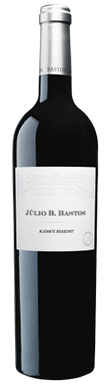

With exemplary, fine-grained tannins, this inky, perfumed Alicante Bouschet was sourced from 80-year-old Estremoz vines on clay/limestone, foot-trodden in marble lagares and aged in new...
2015
Dona Maria Wines

Herdade do Rocim, Reserva Olho de Mocho Single Vineyard Tinto, Alentejo, Portugal, 2017
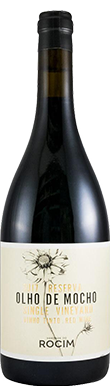
<p>This single-vineyard Vidigueira blend from schist and granite soils over-delivers, offering a feast of flavours - flowers, fresh blackberry, dried vine fruits and pungent, meaty...
2017
Herdade do Rocim
João Portugal Ramos, Quinta da Viçosa Single Vineyard, Alentejo, Portugal, 2017
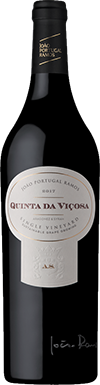
<p>One of four single-vineyard cuvées, this sumptuous, perfumed red from 40ha on clay/limestone under organic production is an equal-parts blend of the vintage’s best performing...
2017
João Portugal Ramos
Susana Esteban, Procura Na Ânfora, Alentejo, Portugal, 2018
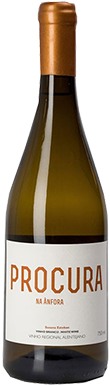
<p>Sourced from an 85-year-old field blend Portalegre vineyard at 700m, this unusually suave, elegant amphora-fermented wine was fermented without skin contact and with temperature control....
2018
Susana Esteban
Rui Reguinga, Terrenus 'Clos dos Muros', Alentejo, Portugal, 2016
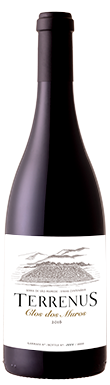
<p>Rui Reguinga’s love of Northern Rhône Syrah shows in this slinky, scented flagship field blend from a 120-year-old Portalegre vineyard. Aged for two years in...
2016
Rui Reguinga
Fita Preta, Preta Cuvée David Booth, Alentejo, Portugal, 2017
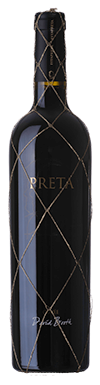
<p>Baga is the most unusual suspect in this flagship blend, perhaps accounting for its uncommon corsetry, with fine but firm tapering tannins and a sculpting...
2017
Fita Preta
Herdade da Malhadinha, Malhadinha Tinto, Alentejo, Portugal, 2017
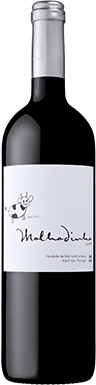
<p>From the Soares’ family’s estate in Beja, Baixo Alentejo. Classy, polished French oak brings frame, with a cedar and nutmeg lift to the buffed berry...
2017
Herdade da Malhadinha
Bojador, Vinho Tinto Special Edition 10 Years Red, Alentejo, Portugal, 2018
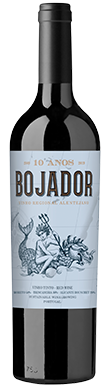
<p>Unusually, Moreto has the starring role in this blend, setting the tone - an old-fashioned feel, with a flavoursome, mellow palate. Savoury oak and cured...
2018
Bojador
Cabeças do Reguengo, Respiro Clarete, Alentejo, Portugal, 2018
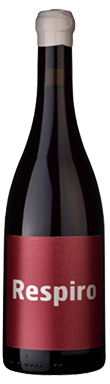
<p>A field blend of 14 white and red grapes from centennial Portalegre vineyards, this pale ruby vin de soif sings, with ethereal white pepper, sandalwood...
2018
Cabeças do Reguengo
Casa Agricola Alexandre Relvas, Herdade de São Miguel Pé de Mãe Tinto, Alentejo, Portugal, 2016
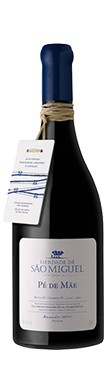
<p>This medium-bodied, ultra-smooth red charms with sweet raspberry, fleshy fresh and baked plum and yielding savoury, milk chocolate tannins. Lovely mouthfeel, with leavening spicy orange...
2016
Casa Agricola Alexandre Relvas
Jorge Rosa Santos & Filhos, Explicit X Suplementar Amphora, Alentejo, Portugal, 2019
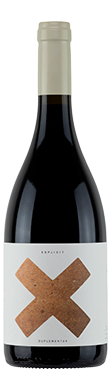
With its aromatised dried herb, orange peel and lavender-edged sweet plum and chocolate-edged prune fruit, it speaks of heat and dust. But with blood iron...
2019
Jorge Rosa Santos & Filhos
Mouchão, Mouchão Tinto, Alentejo, Portugal, 2014
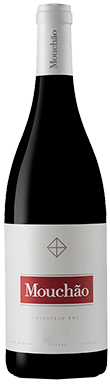
<p>Markedly fresh acidity, reflecting the year. Thankfully Carapetos (the oldest, top Alicante Bouschet parcel and backbone of this wine) was harvested before heavy September rains....
2014
Mouchão
Monte da Ravasqueira, Vinha das Romãs, Alentejo, Portugal, 2016
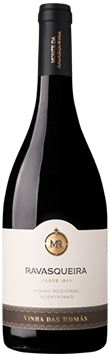
<p>Deep-set iodine/coal-edged blackcurrant and blackberry fruit - polished and intense – on the nose and palate. Fleeting glimpses of bay leaf, dried roses and cedar,...
2016
Monte da Ravasqueira
Azamor, Single Estate Tinto, Alentejo, Portugal, 2016
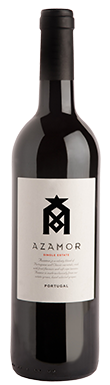
<p>A kitchen sink blend with Syrah, Alicante Bouschet, Merlot, Tourigas Franca and Nacional, Trincadeira and 6% Petit Verdot from, reputedly, Alentejo’s most densely-planted vines. Perfumed,...
2016
Azamor
Esporão, Trincadeira, Alentejo, Portugal, 2018
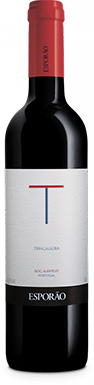
<p>This lovely mid-weight example of Trincadeira – hand-picked - was vinified and aged in concrete tanks, which gives fine expression to the leafy tobacco notes...
2018
Esporão
Howard's Folly, Sonhador Rosé, Alentejo, Portugal, 2019
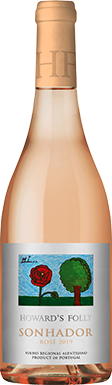
<p>A pale salmon, dry rosé with good palate weight and intensity, balanced by crisp acidity. It reveals gently spicy redcurrant and cranberry fruit, with perfumed...
2019
Howard's Folly
Herdade de Coelheiros, Tapada de Coelheiros White, Alentejo, Portugal, 2018
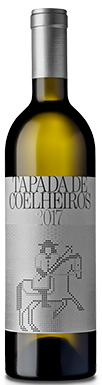
<p>Typically, Arinto and Roupeiro blends burst with muscular, ripe, tropical fruit. Aged in a two-year-old 20hl Austrian oak foudre, this shows more restraint, with textural...
2018
Herdade de Coelheiros
Morrisons, Cidade Branca, Alentejo, Portugal, 2019

<p>This food-friendly quaffer, made by João Portugal Ramos, was hand-harvested from schist and limestone soils. Leafy tobacco lends detail and interest to animated fleshy, ripe...
2019
Morrisons
