
Amarone 2017: Vintage report
Richard Baudains picks out his top Amarone 2017 wines, and discusses the impact a lack of official ageing requirements has, which can see 'as many as eight or nine "current" vintages' available on the market.


The 2017 vintage will probably be remembered as good but not great in Valpolicella. There are positives – but also some question marks. In the words of Marco Sartori, owner-winemaker at the Roccolo Grassi estate, ‘It was not a classic vintage’.
The summer of 2017 was one of the hottest since 1994, with record peaks in July and average temperatures consistently above the 30-year average from May to August. Valpolicella however was spared the worst extremes, escaping serious damage during the frosts which hit other regions of northern Italy in April, in part thanks to the traditional high-trained pergola system, which keeps the canopy out of the danger area close to the ground.
Amarone 2017
As for quality and style, sugar levels were high and malic acid was low, making for wines with softness and breadth but in some cases lacking the structure that supports long ageing. Aromatically, the wines have the features of a hot vintage, tending on the whole to be more leafy than floral with quite subdued fruit.
Harvesting dates were more critical than ever. Wines picked early, to keep acidity, but before complete phenolic ripeness, tend to have slightly green tannins, while those picked later can be jammy. One positive – and this is a spin-off of the climate change that is bringing ever hotter, drier summers – is that the health of the grapes was excellent everywhere.
Overall, the wines do not appear to have the power and complexity of the outstanding 2016s, when everything went right for growers, or the fresh fruit of the 2018s. Having said that, it pays to be cautious with definitive judgements because a lot of the top selections have yet to come out – many of the producers who showed wines in the official tastings this year will not actually be releasing them for another one, two, or even more years, and a lot of wine is still in barrels.
Amarone’s availability
Which brings us to one of the more confusing aspects of Amarone production. The minimum obligatory ageing for Amarone is two years (four years for the Riserva category). Producers, however, have very different policies on the length of ageing and on release dates.
This has two consequences. The first is that at any one time there may be as many as eight or nine ‘current’ vintages. The first 2019s are out and there is also good availability of the promising 2018s. The 2017 vintage, as we saw, is on the market but will continue to be released over the next few years. The excellent 2016 vintage is currently the most widely available, however some 2015s are still coming out. Amongst the good and the great, Quintarelli and Romano Dal Forno are currently selling their 2013s, and the most recent vintage of Bertani’s long-lived Classico and Masi’s super selection Mazzano is 2012.
The second consequence of staggered release dates is that it is difficult to understand the length of ageing of older vintages. Technically, 2017s released now are all Riservas but very few producers label their wines as such, which means that the 2017 Amarone you find currently on the shelves might be newly released after lengthy barrel ageing (the exact amount is at the producers’ discretion and not specified in the regulations) or bottled and put on sale two years ago.
Amarone styles
Broadly speaking, Amarone today can be divided into two stylistic groups: traditional and modern.
Traditional
Traditional Amarone typically features pale shades, complex mature aromas of dried fruit, refined tannins and alcohol which not infrequently creeps up to 17%. The traditional style is evolving, however. The botrytis notes which used to be a feature of Amarone in the past are much less frequent now, in part due to more careful grape selection and in part to the greater control that technology allows producers over the appassimento, or drying process.
Also, the spicy character which is typical of ageing in larger Slavonian oak barrels is less commonly encountered these days, as producers move over to smaller format French oak.
Modern
The modern style is by now well established. It aims for fresher, fruitier and less raisined wines. Earlier picking, lighter drying and evolution in barriques make for wines with saturated colours, Corvina-varietal aromas and juicy palates, often with gritty oak tannins in their youth.
The broad division does not tell the whole story, however, because there are nuances. One important variable is that of residual sugar. There is a recognised style of Amarone with an openly declared sweet fruit quality, known locally as reciotato (from Recioto, the name of the original sweet wine of Valpolicella), which is perhaps less popular today but still has a following.
The trend, however, is towards drier wines and this is reflected in the revised production norms of 2019, which reduced sugar levels from a maximum 12g/l to 9g/l. At the top end of the scale, the sugar is evident but below 4g/l, which is the level most producers of the modern style aim for, it is barely perceptible.
Vintage (with certain caveats) is a fairly reliable guide to style. Wines with the minimum two years of ageing are logically far more likely to represent the fresher, easier-drinking style. Amarone coming out now from 2019 and the cooler 2018 vintage fall very much into this category.
In the case of intermediate vintages, it pays to know house styles. The 2017, for instance, has examples of both more traditional Amarone and fresher ones. Recchia, Begali and Tedeschi’s Ansari lean towards the former, while Montresor, Pasqua and Cà La Bionda are in the more modern style. Cà La Bionda’s enologist, Alessandro Castellani says, ‘I want my Amarone to taste the least possible of appassimento.’
Wines from older, later-released vintages will be more concentrated and are far more likely (but not always) to be in the classic mode.
Vintage is not the only indicator of style, however. Terroir – in the widest sense – also plays an important role. In part in observance of long-established winemaking traditions, and in part due to soil and climate influences, Amarone from the Classico area tend to be broader and more full-bodied with more dried fruit character.
On the other hand, to the east of the historical production area, wines from the valleys of Valpantena (Bertani; La Collina dei Ciliegi), Mezzane (Massimago; Roccolo Grassi) and Ilasi are typically firmer with tighter tannins, less glossy textures and fresh fruit characters.
What are the best food pairings for Amarone?
The concentration, complexity and sheer alcoholic punch of these dried-grape wines make them challenging to pair with food and difficult to contemplate drinking throughout a meal.
Conventional wisdom, that finds ample consensus in the recommendations on producers’ back labels, is to drink Amarone in autumn and winter with game, mature cheese and hearty stews – in Verona, for example, the traditional slow-braised horse meat dish called Pastissada de Caval. When in Rome…
More audacious pairings are also possible with Amarone, however. At a recent tasting workshop at the Valpolicella consorzio, chef Nicola Portinari from the double Michelin-starred La Peca restaurant in the province of Vicenza proposed different styles of Amarone paired with a menu of roasted scallops with fermented asparagus, grilled eel and watermelon, meaty ravioli with horseradish sauce and mustard, and slow cooked pork cheek with cherries.
If you’re looking to enjoy Amarone at home rather than in a restaurant setting, a simpler and very satisfying match for a traditional Amarone with a little residual sugar is ripe stilton and walnuts. At the end of the day, however, food might just be a distraction and there is a lot to be said for enjoying a great Amarone from a top producer all by itself – what Italians call a ‘vino da meditazione’.
When should Amarone be drunk?
One of the beauties of Amarone is that, although it is capable of prodigious ageing, on the whole the wines are very close to their drinking date when they come out. Wines with a lot of new oak benefit from an extra year or two in the bottle but generally there is no great need to lay them down for long periods.
The 2019s and 2018s, which in terms of drinkability are closer to a Valpolicella Superiore than a mature Amarone, are very enjoyable now. The 2017s should keep and improve over the next 8-10 years but may start to fade a little early. More structured vintages like 2015 and 2016 will certainly have a longer life and are a good choice to put aside for a special occasion.
Five organic Amarone estates to know
Corvina, the principal Amarone grape, suffers from a susceptibility to mildew and mould which makes organic viticulture challenging in a climate with typically abundant summer and autumn rain.
Climate change may offer greater opportunities in the future, but at present there are only a limited number of certified organic growers in Valpolicella. Here are five worth knowing:
Cà La Bionda
Campagnola’s Caterina Zardini estate
Massimago
Mont’Albano
Novaia
Five great value Amarone
Affordable for more relaxed drinking, or a little more expensive but well worth the extra – here are five great value Amarone.
See the tasting notes below
Cantine Giacomo Montresor, Amarone della Valpolicella
Farinam Amarone della Valpolicella Classico
Monte Santoccio, Amarone della Valpolicella Classico
Pasqua, Famiglia Pasqua, Amarone della Valpolicella
Recchia, Masùa di Jago, Amarone della Valpolicella Classico
Richard’s top Amarone 2017 recommendations
Related content
Valpolicella: panel tasting results
Amarone della Valpolicella 2016: A first look
Styles of Amarone: Twelve wines to try
Massimago, Conte Gasone, Amarone della Valpolicella, Classico, Veneto, Italy, 2017
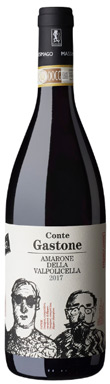

Camilla Rossi Chauvenet owns and manages this organic estate in the valley of Mezzane, with 12ha of vines on a single slope (an absolute rarity...
2017
MassimagoAmarone della Valpolicella

Santa Sofia, Amarone della Valpolicella, Classico, Veneto, Italy, 2017
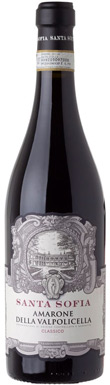
The Santa Sofia headquarters in the Palladian Villa Sergio at Pedemonte, a UNESCO world heritage site, is a must-see when visiting Valpolicella. The top pick...
2017
Santa SofiaAmarone della Valpolicella
Bertani, Amarone della Valpolicella, Valpantena, Veneto, Italy, 2017
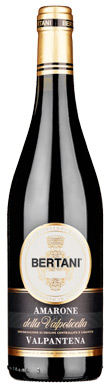
Bertani Domains is owned by the Angelini group but operates independently, sourcing grapes exclusively from historic estates in the Valpantena at Grezzana, and in the...
2017
BertaniAmarone della Valpolicella
Giuseppe Campagnola, Caterini Zardini Riserva, Amarone della Valpolicella, Classico, Veneto, Italy, 2017
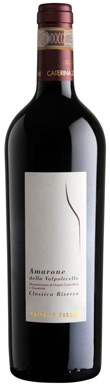
Tenuta Caterina Zardini is an organic estate owned by the well known firm of Giuseppe Campagnola, which operates autonomously within the group, sourcing grapes exclusively...
2017
Giuseppe CampagnolaAmarone della Valpolicella
Monte Santoccio, Amarone della Valpolicella, Classico, Veneto, Italy, 2017
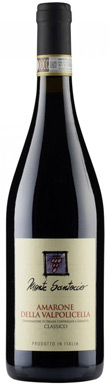
Monte Santoccio is a stony calcareous hill at the head of the valley of Fumane. Nicola Ferrari owns just over 7ha of pergola-trained vineyard on...
2017
Monte SantoccioAmarone della Valpolicella
Pasqua, Famiglia Pasqua, Amarone della Valpolicella, Veneto, Italy, 2017
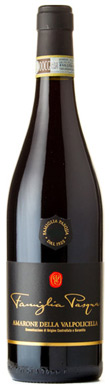
With over 300ha of vineyard, the Pasqua family are one of the leading growers of the Valpolicella, with a range which focuses increasingly on premium...
2017
PasquaAmarone della Valpolicella
Novaia, Corte Vaona, Amarone della Valpolicella, Classico, Veneto, Italy, 2017
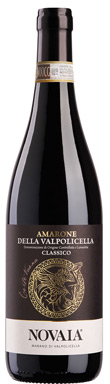
Novaia is a long-established estate located at the highest point of the valley at Marano, where its 7ha of organic vineyards spread along terraces supported...
2017
NovaiaAmarone della Valpolicella
Recchia, Masùa di Jago, Amarone della Valpolicella, Classico, Veneto, Italy, 2017
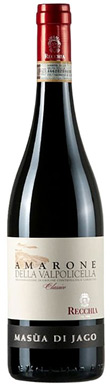
The Recchia family are third-generation wine growers and one of the main owners on the prestigious cru slopes of Jago, on the western flank of...
2017
RecchiaAmarone della Valpolicella
Roccolo Grassi, Amarone della Valpolicella, Veneto, Italy, 2017
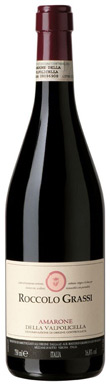
Marco Sartori, enologist-owner of this highly regarded 15ha estate in the valley of Mezzane, was one of the pioneers of a new generation of Amarone...
2017
Roccolo GrassiAmarone della Valpolicella
Ca' La Bionda, Ravazzol, Amarone della Valpolicella, Classico, Veneto, Italy, 2017
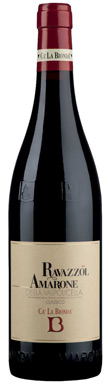
The Castellani family, now in its fourth generation at this historic estate, were among the first to introduce organic viticulture in Valpolicella. The Ravazzol vineyard,...
2017
Ca' La BiondaAmarone della Valpolicella
Costa Arènte, Amarone della Valpolicella, Valpantena, Veneto, Italy, 2017
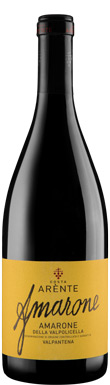
Costa Arente is a 17ha property owned by the agricultural arm of the giant insurance group, Generale. The estate makes just three, limited production Valpolicella...
2017
Costa ArènteAmarone della Valpolicella
Tedeschi, Ansari, Amarone della Valpolicella, Classico, Veneto, Italy, 2017
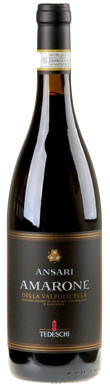
Ansari is a new addition (first vintage 2016) to Tedeschi's outstanding range of Amarone, which includes the must-taste Monte Olmi and La Fabriseria single-vineyard bottlings....
2017
TedeschiAmarone della Valpolicella
La Collina dei Ciliegi, Ciliegio, Amarone della Valpolicella, Valpantena, Veneto, Italy, 2017
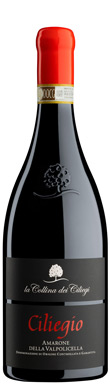
Entrepreneur-producer Massimo Gianolli makes traditional Valpolicella wines on his 45ha estate in the Valpantena. The micro-selection Amarone Ciliegio is a new and ambitious addition to...
2017
La Collina dei CiliegiAmarone della Valpolicella
Mont'Albano, Amarone della Valpolicella, Veneto, Italy, 2017
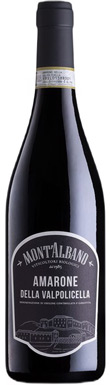
This limited production Amarone is the fruit of a collaboration between Friuli-based organic winemakers Mont'Albano and the long-established Valpolicella producers, Sartori. The approach to vinification...
2017
Mont'AlbanoAmarone della Valpolicella
Tinazzi, Cà De Rocchi La Bastia, Amarone della Valpolicella, Veneto, Italy, 2017
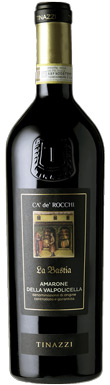
Based at Lazise on Lake Garda, the dynamic, family-owned firm of Tinazzi produces a range of Veronese wines which consists of limited production bottlings of...
2017
TinazziAmarone della Valpolicella
Paolo Cottini, Amarone della Valpolicella, Classico, Veneto, Italy, 2017
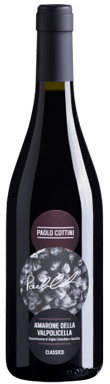
Hailing from a well-known Veronese winemaking family, Paolo Cottini founded his own estate in the valley of Fumane in 2010, where he produces a very...
2017
Paolo CottiniAmarone della Valpolicella
Lorenzo Begali, Monte Cà Bianca, Amarone della Valpolicella, Classico, Veneto, Italy, 2017
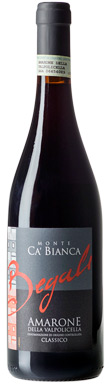
Lorenzo Begai is one of Valpolicella's most respected growers, with 12ha of vines divided between San Pietro in Cariano and Negrar. Monte Cà Bianca is...
2017
Lorenzo BegaliAmarone della Valpolicella
Brigaldara, Amarone della Valpolicella, Classico, Veneto, Italy, 2017
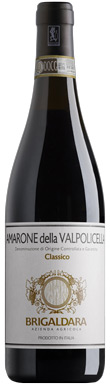
The Cesari family, long-time owners of the Brigaldara estate, cultivate a total of 50ha dedicated exclusively to the traditional varieties of the Valpolicella.The core of...
2017
BrigaldaraAmarone della Valpolicella
Cantine Giacomo Montresor, Amarone della Valpolicella, Veneto, Italy, 2017
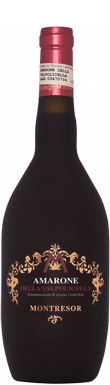
The Montresor family began exporting to the USA in their trademark dumpy, satin-finished bottle in the 1920s. The Cantine Montresor Recioto Amaro, which came out...
2017
Cantine Giacomo MontresorAmarone della Valpolicella
Farina, Amarone della Valpolicella, Classico, Veneto, Italy, 2017
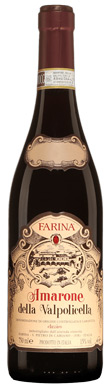
The long established firm of Farina is based in San Pietro in Cariano and sources its grapes in part from its own vineyards at San...
2017
FarinaAmarone della Valpolicella
