
Styles of Amarone: Twelve wines to try
Susan Hulme MW identifies and investigates the two styles of Amarone, with 12 wine recommendations...
Amarone, the famous ‘Vini da Meditazione’, has existed since Roman times and is Italy’s most famous dried-grape red wine. It is made in the Valpolicella area of Italy’s Veneto region and is dry- to medium-dry with typically high alcohol levels of 15-17%.
One thing that has always made a big impression on me is how different one Amarone is from another. Small wonder perhaps, as there are differences in grape varieties, sub-zones, vineyards, vine training methods and duration and methods of the ‘appassimento’, or the drying of the grapes.
Scroll down to see Hulme’s Amarone tasting notes & scores
What is appassimento?
Appassimento is the traditional, natural method of drying grapes for an extended period – typically between 100 to 120 days – to concentrate sugars and flavours. Intriguingly, a grape detached from the vine is not dead: according to experts, many genes in the DNA of the grape are ‘switched on’ during appassimento.
During the drying process, the grapes shrink and lose 35-40% of their water and the berries soften. There are metabolic changes which result in higher levels of anthocyanins and polyphenols, as well as various chemical changes which contribute to flavour and aroma.
Amarone grapes
The classic Amarone grape varieties are Corvina, Corvinone, Molinara and Rondinella, but there’s also an increasing use of historic grape varieties such as Oseleta. The latter adds a lot of structure to wines in the form of tannins and acidity.
Corvina and Corvinone lose water very slowly in the drying process and this provides enough time for extensive metabolic change. Merlot and Cabernet Sauvignon, on the other hand, tend to lose water too quickly to allow the development of such complex flavours.
During appassimento, Corvina is most susceptible to glycerol-forming botrytis and develops the aromas and flavours of sour cherry, while Oseleta gives smoky, earthy flavours. Molinara contributes acidity as well as black pepper aromas and flavour – some producers like it while others no longer use it. Rondinella, meanwhile, contributes colour and smooth tannins.
Get our daily fine wine reviews, latest wine ratings, news and travel guides delivered straight to your inbox.
It is therefore no wonder that there is a fascinating range of Amarone styles. This was made apparent at an Amarone seminar organised recently by the Institute of Masters of Wine in London, featuring 13 Amarone wineries, known collectively as Le Famiglie Storiche and now celebrating their 10th anniversary.
La Famiglie Storiche was founded, in the words of its president Alberto Zenato, to ‘protect traditional methods, and to guarantee a high level of quality’. Members comprise Allegrini, Bengali, Brigaldara, Guerrieri Rizzardi, Masi, Musella, Speri, Tedeschi, Tenuta Sant’Antonio, Tommasi, Torre D’Orti, Venturini and Zenato.
Amarone styles
The Amarones which stood out for me fell into two very distinct styles. There were those from Speri, Tedeschi and Tommasi – deeply coloured, firmly structured, with more grip to the tannins and with darker flavours and aromas. These had a typical ageing potential in the best vintages of 20-25 or even 30 years.
Then there were the more ethereal, perfumed Amarones – lighter in colour and less dense but with a fine, perfumed silkiness. They can age for a long time too, but are very pleasurable to drink when young. The best of these at this event were from Musella and Venturini.
The ability of the wines to age varied considerably from producer to producer and from one vintage to another. For example, I found Venturini’s Riserva 2001 to be showing beautifully now, while some 2011s were already looking tired.
Many of the wines were technically dry with around 4g/l residual sugar but some were as high as 9.8g/l, so there is often a perception of sweetness. This is exaggerated by the increased levels of glycerol which make a wine feel sweeter than it is.
Food matching
Richly flavoured meat dishes and powerful cheeses are suggested food pairings for Amarone, but I think that some Asian cuisine, such as crispy duck with dark soy sauce, sweet and sour pork, and some curries, would work well too.
Susan’s 12 Amarone highlights from the tasting:
You may also like:
Best Veneto wines: Expert picks
Masi Amarone: Comparing terroirs
Romano Dal Forno Amarone: 1988-2010
Recioto della Valpolicella vs Amarone: What’s the difference?
De Buris, Amarone della Valpolicella Classico, Riserva, Veneto, 2008
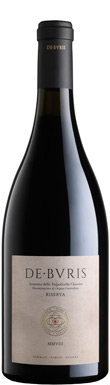
<p>Tommasi's De Buris Amarone is a new top-tier brand made from specific plots on the top of La Grola Hill, facing southwest with views over...
2008
VenetoItaly
De BurisAmarone della Valpolicella
Venturini, Riserva, Amarone della Valpolicella Classico 2001
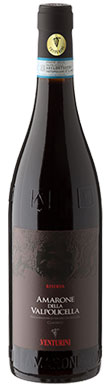
2001 was a very positive vintage with big differences between day-time and night-time temperatures in September, which was great for the aromatics. Venturini's Riserva is...
2001
VenetoItaly
VenturiniAmarone della Valpolicella
Speri, Vigneto Monte Sant'Urbano, Amarone della Classico 2015
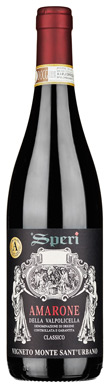
Speri started working organically in 2004 but the great 2015 vintage is the first to be certified. As a result, Speri feel the wines seem...
2015
VenetoItaly
SperiAmarone della Valpolicella
Tedeschi, Capitel Monte Olmi, Amarone della Valpolicella Classico Riserva, Veneto, Italy 2013
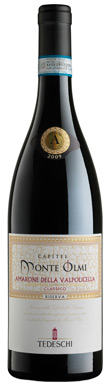
This 2013 Amarone, from 55- to 60-year-old vines in the Capitel Monte Olmi vineyard, shows Tedeschi back on form. The 5% Oseleta in the blend...
2013
VenetoItaly
TedeschiAmarone della Valpolicella
Musella, Senza Titolo, Amarone della Valpolicella, 2009
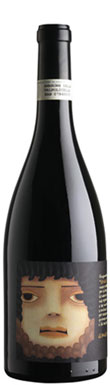
<p>It is the beautiful texture and weightless quality of Musella's Senza Titolo 2009 that first captures your attention. Supremely silky and refined, it flows seamlessly...
2009
VenetoItaly
MusellaAmarone della Valpolicella
Musella, Riserva, Amarone della Valpolicella, Veneto, 2012
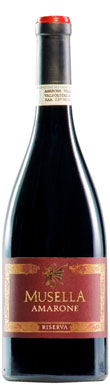
<p>The Musella Amarone is all about beautiful harmony and flow and Maddalena, daughter of owner Emilio Pasqua Di Bisceglie, believes that 2012 was the first...
2012
VenetoItaly
MusellaAmarone della Valpolicella
Venturini, Campo Masua, Amarone della Valpolicella Classico 2012
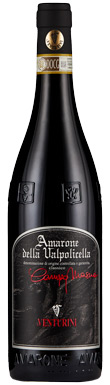
<p>Venturini's Campo Masua Amarone is from 35-year-old vines in a single southwest-facing vineyard, located 350m above sea level on rocky soil. Headily fragrant, its rose-filled...
2012
VenetoItaly
VenturiniAmarone della Valpolicella
Brigaldara, Riserva, Amarone della Valpolicella Classico 2007
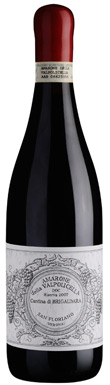
<p>2007 was a hot vintage, but not as hot as 2003, and cooler nights made for more precise and aromatic wines. Still youthful for its...
2007
VenetoItaly
BrigaldaraAmarone della Valpolicella
Guerrieri Rizzardi, Calcarole, Amarone della Valpolicella, Classico, 2011
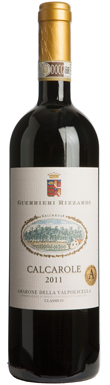
Calcarole is only produced in the best years and in limited quantities. The chalky, limestone soil of the vineyard produces a fine-textured, delicate, floral wine....
2011
VenetoItaly
Guerrieri RizzardiAmarone della Valpolicella
Tenuta Sant'Antonio, Campo dei Gigli, Amarone della Valpolicella 2008
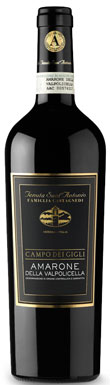
Campo dei Gigli, at 300m above sea level and with white limestone soil is Tenuta Sant'Antonio's oldest single vineyard, with an average vine age of...
2008
VenetoItaly
Tenuta Sant'AntonioAmarone della Valpolicella
Masi, Costasera Riserva, Amarone della Valpolicella Classico 2013
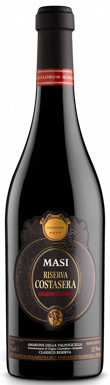
Masi has been owned by the Boscaini family since the 18th century and is one of the most well-known names for Amarone in the UK....
2013
VenetoItaly
MasiAmarone della Valpolicella
Allegrini, Amarone della Valpolicella, Classico, 2015
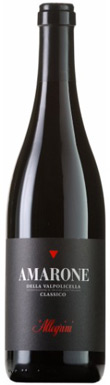
2015 has been described as a perfect vintage for Amarone: it was hot, but not too hot, with a big difference between day-time and night-time...
2015
VenetoItaly
AllegriniAmarone della Valpolicella

Susan Hulme MW runs Vintuition, her own wine education and consultancy company, based in Windsor, which provides wine-related training and courses for both the trade and members of the public. A major part of her work is running in-house training and WSET exams for sales executives at some of the leading on-trade and retail wine companies. Aside from judging Decanter World Wine Awards, she also is a regular critic on Decanter’s panel tastings and judges for the International Wine Competition. She is a member of the Circle of Wine Writers, a former chairman of the Association of Wine Educators (AWE) and the current editor of the AWE newsletter. Since 2007 she has been on the Institute of Masters of Wine events committee. She became a Master of Wine in 2005, winning the Madame Bollinger tasting medal for outstanding performance in the tasting exam.