
Anson: Eight decades of Château Larcis Ducasse
Jane Anson tastes through eight decades of Larcis Ducasse wines, from 1945 to 2017, evaluating the effects of different winemakers and vintage conditions over the years while pinpointing the estate's signature characteristics from its unique terroir...


St-Émilion is an appellation with such a myriad of expressions that it can be hard to pin down. Its soils are so diverse that it makes sense that it is the only part of Bordeaux to specifically use terroir as a criteria for ranking its wines.
Larcis Ducasse was one of the beneficiaries of this system in 2012, when it was promoted to Premier Grand Cru Classé B in the latest round of the classification. But, as it is also a château that has been in the same family since 1893, it’s probably worth asking why the promotion to the upper levels of the ranking took so long?
Scroll down for Jane Anson’s Larcis Ducasse vertical tasting notes and scores
One potential answer to this was given by sommelier Terry Kandylis at a recent tasting that covered 24 vintages of Larcis Ducasse stretching from 1945 through to 2016. ‘People are part of terroir, and verticals like this puts that into perspective’. And as the tasting was organised not by vintage but by theme, grouping together different styles, it provided a fascinating way to peel back the layers and balance terroir impact against winemaking and weather.
The themes (and tasting order) were:
Rooted Larcis (cooler vintages, years that are marked by the terroir): 1966, 1983, 2004, 2012, 2017
Saline Larcis (where the limestone soils really shine through); 1961, 1962, 1988, 2008, 2014
Eastern-influenced Larcis (hot vintages where exotic, spiced notes are clear): 1945, 1959, 1990, 2005, 2009, 2015
Radiant Larcis (where they feel the perfect balance was reached): 1967, 1971, 1989, 1998, 2010, 2016
Larcis has marked differences to its soils, something that means plot-by-plot viticulture and winemaking is essential. There are also several natural water sources underground (villagers used to come here to draw water in times of drought, for example) that help make it among the cooler soils of St-Émilion. Winemakers have to balance 10% clay-limestone soil over an extremely hard limestone subsoil up on the plateau, where salinity and freshness is a signature, but where overly austere wines can be produced in cooler vintages.
Next to this, the majority of the vineyard – around 55% – is on south-facing terraces and slopes (that reach up to 25% in gradient) that have more clay content along with the limestone and are therefore more powerful. A final 35% sits on clay-loam, on the lower slopes, where the iron-rich soils give richness and the yield is naturally around double than of the limestone top and from where since 2010 the grapes have gone into a second wine.
All of this again means that paying attention in the vineyard and cellar is key. And although the owning family has been constant, the estate has long been run by directors with the owners (Rabat then Gratiot) living in Paris – something that is usually more common on the Left Bank of Bordeaux. For the wines covered here, this meant Pharaon Roche until 1978 (the man who oversaw the move to entire chateau bottling in 1972, the year that it became a legal obligation), then Philippe Dubois until 2002, and now Nicolas Thienpont with David Suire as technical director and consultants Stéphane Derenoncourt and Julien Lavenu.
This is a team that has honed its skills at, among other places, Pavie Macquin, and its impact is clear. A clear shift can be seen with their arrival, coming through to the wines within a couple of years. Straight away in 2002 they added drainage channels and pulled up the Cabernet Sauvignon that always had trouble ripening in these cool soils, and replaced it with massal-selection Cabernet Franc. At the same time they moved the Cabernet Franc off the plateau and replaced it with Merlot, part of a 40 year vineyard replanting plan. They also lengthened the harvest to a number of weeks rather than two or three days, ensuring that each section of the vineyard was allowed to fully ripen. And on picking, they kept the grapes whole instead of crushing them to minimize oxidation.
Tracking these through the years was fascinating, but the truly interesting thing was seeing how the changes in both personnel and philosophy magnified but didn’t alter the fundamental nature of the wine. Choosing to lay the tasting out by style of vintage helped underline the essential character of this particular spot, a clear reminder of the ability of St-Émilion to translate terroir in the glass.
Larcis Ducasse in figures
Vineyard size: 11.95ha
Grapes grown: 80% Merlot, 20% Cabernet Franc
Owners: Family Gratiot Attman; currently Jacques-Olivier Gratiot with daughter Ariane Gratiot-Vacheron – direct descendants of Henri Raba who purchased Larcis Ducasse in 1893.
Key contacts: Nicolas Thienpont (manager), David Suire (winemaker)
Vine density: 6,000 vines/ha, re-planted at 7,500 vines/ha
Soil type: 10% plateau of clay-limestone on chalk, 55% terraces with southerly aspect with thin clay-silt soil on chalk, 25% clay-limestone of alluvial origin in the slope, 10% sandy clay at base of slope.
Average age of vines: 35 years
Aging: 16 to 18 months in barrels
Barrels: 75% new, 25% 1 year old
2nd wine: Murmure de Larcis Ducasse
See Jane Anson’s Larcis Ducasse vertical tasting notes and scores
You may also like
Anson: Breaking out of the appellation price ceilingAnson: How the Bordeaux 2019 harvest is looking now
Anson: How legendary Mouton Rothschild 1945 tastes nowAnson: Comparing St-Julien 1986 and 1988
Château Larcis Ducasse, St-Émilion, Grand Cru Classé, Bordeaux, France, 1966
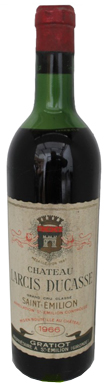

This has a rich, ruby red colour at its core with brick-coloured edges. The overall structure is soft at this stage – it’s gentle and...
1966
Château Larcis DucasseSt-Émilion

Château Larcis Ducasse, St-Émilion, Grand Cru Classé, Bordeaux, France, 1983
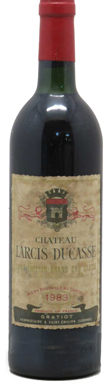
From a warm year, better on the Right Bank than the Left - this has a beautiful wild strawberry and crushed raspberry sweetness to it,...
1983
Château Larcis DucasseSt-Émilion
Château Larcis Ducasse, St-Émilion, Grand Cru Classé, Bordeaux, France, 2004
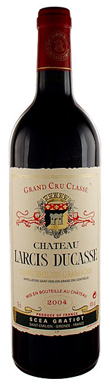
Made two years after Nicolas Thienpont and David Suire took over the winemaking at the property, the power stands in contrast with the older wines...
2004
Château Larcis DucasseSt-Émilion
Château Larcis Ducasse, St-Émilion, Grand Cru Classé, Bordeaux, France, 2012
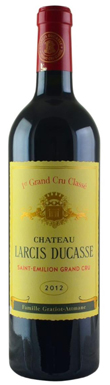
The mid-palate has fattened-up beautifully here with a clear richness from beginning to end. There is a fresh, succulent berry note but is tempered by...
2012
Château Larcis DucasseSt-Émilion
Château Larcis Ducasse, St-Émilion, 1er Grand Cru Classé B, Bordeaux, France, 2017
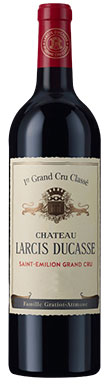
The youngest of all the wines in the vertical, just about to be released in bottle, and again what is striking is its rich texture,...
2017
Château Larcis DucasseSt-Émilion
Château Larcis Ducasse, St-Émilion, Grand Cru Classé, Bordeaux, France, 1961
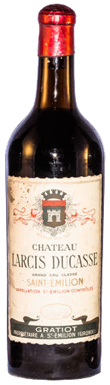
I love the aromatics on this with star anise, liquorice and salted caramel on the nose. On the palate it is a little less gipping,...
1961
Château Larcis DucasseSt-Émilion
Château Larcis Ducasse, St-Émilion, Grand Cru Classé, Bordeaux, France, 1962
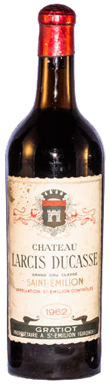
The fruit starts out broad and rich here with blackberry and cassis but still has a kick of slate minerality that comes flooding in on...
1962
Château Larcis DucasseSt-Émilion
Château Larcis Ducasse, St-Émilion, Grand Cru Classé, Bordeaux, France, 1988
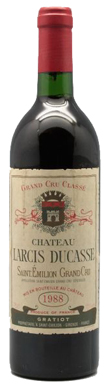
<p>Although this has a lot to enjoy it doesn't quite have the appeal of the 1961 or 1962, nor the precision and power of the...
1988
Château Larcis DucasseSt-Émilion
Château Larcis Ducasse, St-Émilion, Grand Cru Classé, Bordeaux, France, 2008
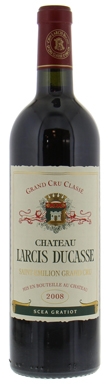
This is powerful and closed in on itself - you feel the austerity of limestone and the tight purity of this location and understand why...
2008
Château Larcis DucasseSt-Émilion
Château Larcis Ducasse, St-Émilion, Grand Cru Classé, Bordeaux, France, 2014
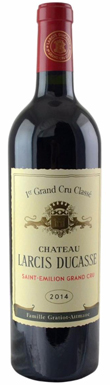
This is extremely young but is pulsing with minerality. It’s clear that this was a late ripening vintage, with the grapes gathering up flavour and...
2014
Château Larcis DucasseSt-Émilion
Château Larcis Ducasse, St-Émilion, Grand Cru Classé, Bordeaux, France, 1945
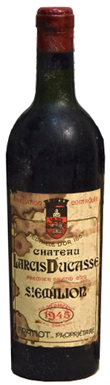
Onto the flight of warmer and more concentrated years of the Larcis vertical all showing an exoticism and natural richness to the flavours. The concentration...
1945
Château Larcis DucasseSt-Émilion
Château Larcis Ducasse, St-Émilion, Grand Cru Classé, Bordeaux, France, 1959
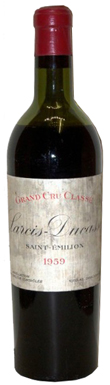
Another one of Bordeaux's legendary years, showing just why it deserves to be so feted. This comes three years after the devastating frosts of 1956,...
1959
Château Larcis DucasseSt-Émilion
Château Larcis Ducasse, St-Émilion, Grand Cru Classé, Bordeaux, France, 1990
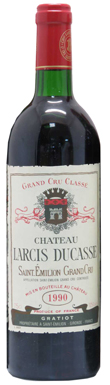
Warm years make a huge difference to soils that have a tendency to be austere like those of Larcis, while providing the natural break of...
1990
Château Larcis DucasseSt-Émilion
Château Larcis Ducasse, St-Émilion, Grand Cru Classé, Bordeaux, France, 2005
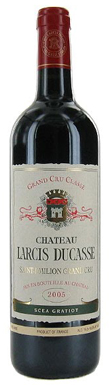
<p>This merits taking your time, letting it open and express itself, you can easily wait longer before drinking this if you have a bottle. It’s...
2005
Château Larcis DucasseSt-Émilion
Château Larcis Ducasse, St-Émilion, Grand Cru Classé, Bordeaux, France, 2009
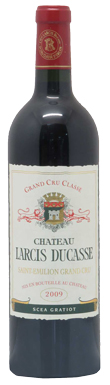
This has rich, sexy layers with powerful black pepper, olive, liquorice notes and crushed berry fruits. This is the most 'Right Bank' of the vertical,...
2009
Château Larcis DucasseSt-Émilion
Château Larcis Ducasse, St-Émilion, Grand Cru Classé, Bordeaux, France, 2015
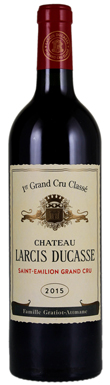
Ripe black fruits and leafy notes with an attractive mineral undertow.
2015
Château Larcis DucasseSt-Émilion
Château Larcis Ducasse, St-Émilion, Grand Cru Classé, Bordeaux, France, 1967
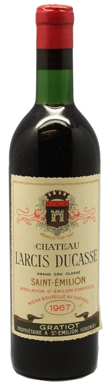
This starts small and tight and then expands in the palate. We are back to an expression of salinity and subdued power, almost Pinot-like in...
1967
Château Larcis DucasseSt-Émilion
Château Larcis Ducasse, St-Émilion, Grand Cru Classé, Bordeaux, France, 1971
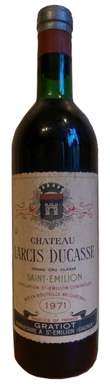
The only one of the flight to come from magnum and the last year before the entire production was bottled at the château (at this...
1971
Château Larcis DucasseSt-Émilion
Château Larcis Ducasse, St-Émilion, Grand Cru Classé, Bordeaux, France, 1989
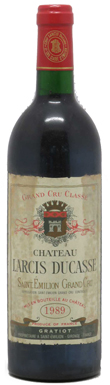
Clear signs of a hot year here with black pepper, saffron, garrigue and tobacco notes. It’s still pretty tight with intrusive tannins despite being at...
1989
Château Larcis DucasseSt-Émilion
Château Larcis Ducasse, St-Émilion, Grand Cru Classé, Bordeaux, France, 1998
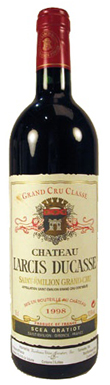
<p>In contrast to the 1989, this is singing in the line-up, a beautifully put together wine with black olive tapenade loaded up on a layer...
1998
Château Larcis DucasseSt-Émilion
Château Larcis Ducasse, St-Émilion, Grand Cru Classé, Bordeaux, France, 2010
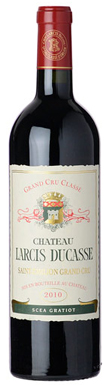
This is deep and powerful and right from the nose you’re taken up to another level. I can feel the layers of flavour here; black...
2010
Château Larcis DucasseSt-Émilion
Château Larcis Ducasse, St-Émilion, Grand Cru Classé, Bordeaux, France, 2016
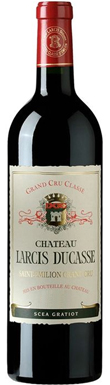
As you would expect from a young wine in such a brilliant year, this is still closed yet powerful, rich and layered, displaying again the...
2016
Château Larcis DucasseSt-Émilion
