
Barossa and McLaren Vale Grenache: old vines, new passion
Once lost in Australia’s cheap red blends, Grenache is finally being recognised as a premium varietal wine – particularly from its ancient vines, many well over 130 years old. David Sly looks at the history of Barossa and McLaren Vale Grenache and recommends 20 top examples to try.

When Argentina’s Alejandro Bulgheroni came to Australia and purchased a significant Barossa vineyard in 2015, it wasn’t the Shiraz that grabbed his attention. The flagship wine for his Alkina Wine Estate is Grenache.
Grenache is in high demand among leading winemakers in Australia, especially from bush vines dotted through McLaren Vale and the Barossa. These create a spectrum of wines: from intense, concentrated beasts designed for decades of cellaring, to slender, nuanced reds akin to Pinot Noir as well as intriguingly spicy styles designed to drink fresh.
The Barossa and McLaren Vale Grenache revolution has been a long time coming – the oldest vines producing fruit are 174 years old – but excitement is now leaping out of the glass.
Scroll down for tasting notes and scores of 20 exciting Barossa and McLaren Vale Grenache wines
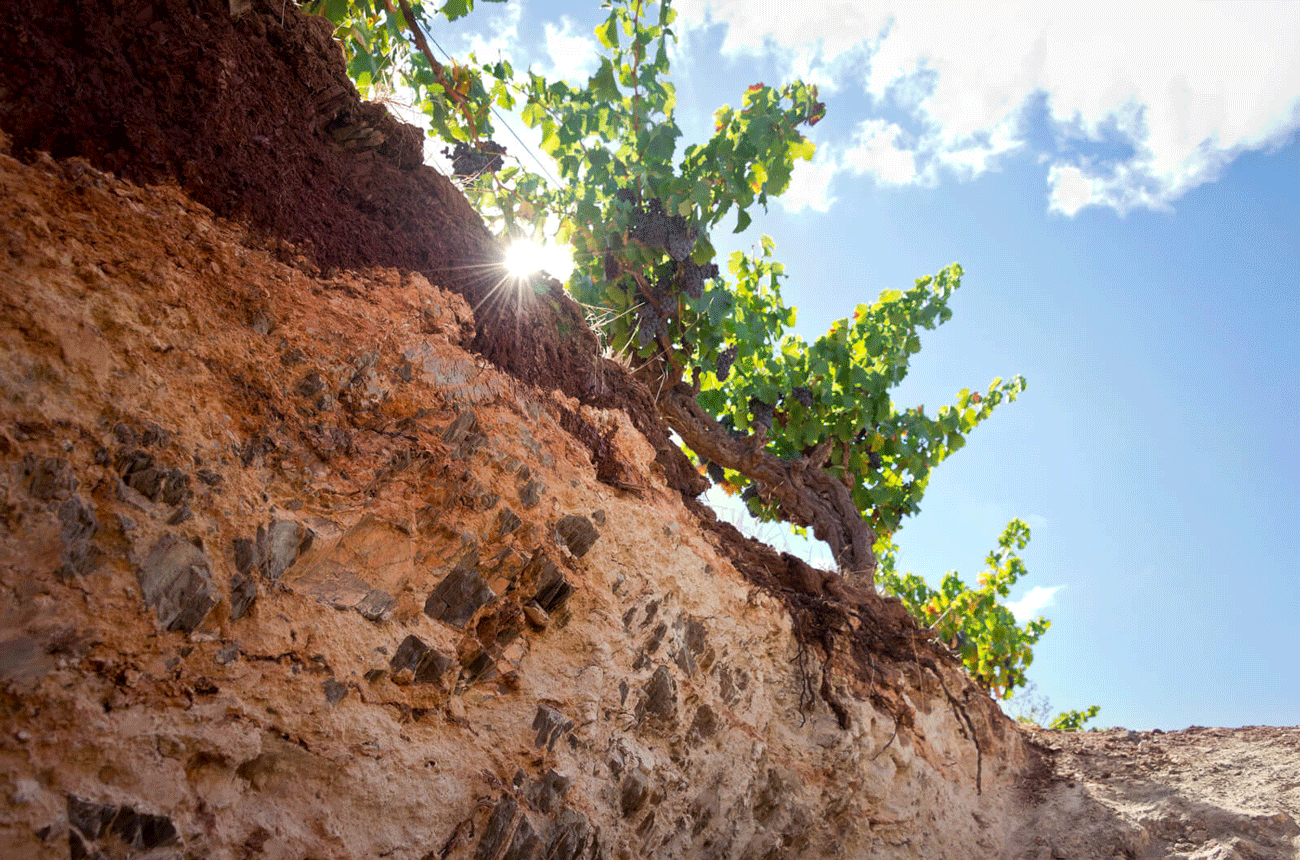
Bulgheroni experienced this excitement after assessing his 43-hectare Alkina Wine Estate at Greenock in the Barossa Valley with winemakers Amelia Nolan, Alberto Antonini and Chilean soil mapping expert Pedro Parra. They identified nine micro-terroir polygons, each just 0.3ha, with significantly different soil profiles. The best of these had old Grenache vines.
The 2018 Polygons (each selling for $A295/£160/$215) have reaped praise and the 2020s will be released in March 2022.
Recognising old-vine Grenache as a rare asset marks a new twist to this grape’s turbulent history in Australia.
Grenache was among the nation’s pioneer vines, grown in abundance from the 1840s as the backbone of fortified wines. However, when tastes shifted to dry table wines during the late 1970s, Grenache was heavily irrigated, over-cropped and largely used as an anonymous filler – a juicy jewel hidden within cheap red wine blends.
Now, thanks to radical changes in both viticulture and winemaking practices, there is much excitement about this grape. Yet it is still not widely grown.
Grenache represents only 1% of Australia’s annual crush and about 2% of new plantings – although valuable pockets of ancient vines have Grenache accounting for more than 6% of the McLaren Vale and Barossa grape harvest. The value of these old vines is escalating, with growers fetching an average of $A1,256 a tonne in 2020 (up from $A575 in 2010).
It therefore pains many that swathes of old Grenache vines were lost after the South Australian government legislated a vine-pull scheme in 1987. The government paid vineyard owners to grub up what they deemed unproductive crops in the wake of a prolonged grape surplus, to free up land for housing. At the time, Grenache grapes were selling for $A190 a tonne.
Nine Popes: Australia’s first icon Grenache
Graeme ‘Charlie’ Melton emerged as one of the heroes who changed the perception of this maligned grape. After leaving his mentor Peter Lehmann to create Charles Melton Wines in 1984, old-vine Grenache became the key to Melton’s signature wine, although he admits it was an accidental discovery.
Having purchased his first vineyard on Krondorf Road near Tanunda in the Barossa Valley, Melton initially picked a block of old bush-vine Grenache as a base wine for sparkling red, but during his third vintage, realised the Grenache parcel represented something exceptional.
‘My next thought was how am I ever going to sell an elite wine with Grenache on the label, so I called it Nine Popes to create a bit of intrigue,’ he explains.

He looked to France’s Rhône Valley for inspiration – specifically the great Grenache-led blends of Châteauneuf‑du-Pape (hence his cheeky play on the wine’s name) – and settled on a blend of up to 68% Grenache with Shiraz and about 5% Mataro (aka Mourvèdre). He built Nine Popes as a sturdy wine to ensure at least two decades of cellaring, and its high fruit perfume and spicy bite saw it quickly become Australia’s first celebrated Grenache-based wine.
Classified as Outstanding in Langton’s Classification of Fine Wines, Charles Melton’s Nine Popes shone a light on a precious Barossa asset of international significance.
Barossa: home of ancient vines
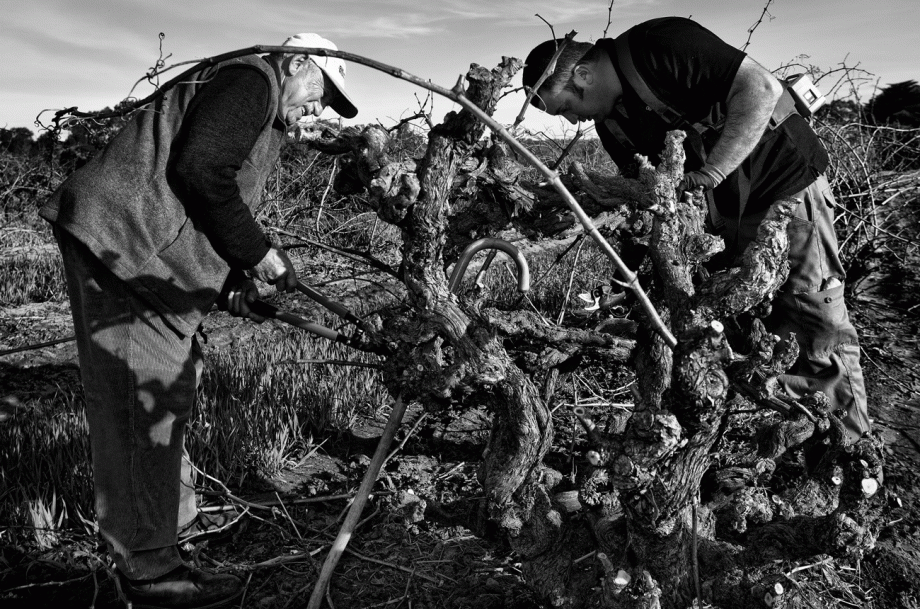
The world’s oldest-producing Grenache vines are on Marco Cirillo’s Nuriootpa vineyard in the Barossa, planted in 1848. ‘These vines aren’t good because they are old. They are old because they are good,’ says Cirillo.
After initially selling his fruit to Rockford Wines, from the 2003 vintage Cirillo began producing his estate 1850 Grenache, featuring only grapes from 4ha of surviving ancient vines. He cellars this dark, intense wine for five years before release: ‘It’s a special wine,’ he says. ‘Consumers deserve to see it at its best.’
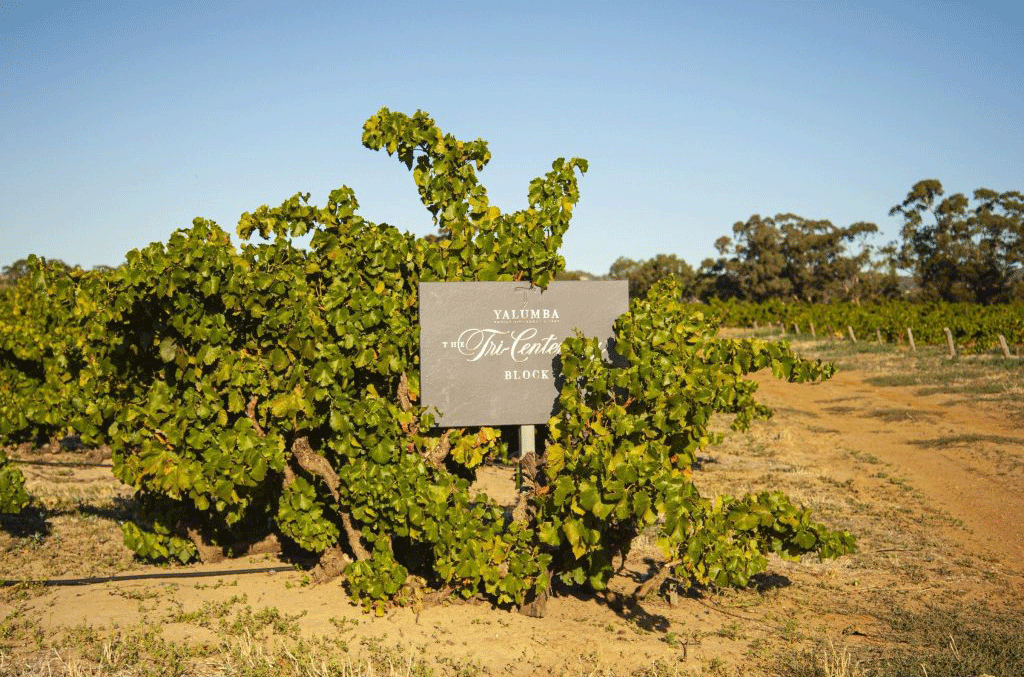
To acknowledge specific age identification of the Barossa’s oldest vines and appropriately value the fruit, Yalumba created its own old-vine charter in 2006.
Originally intended to differentiate elite Shiraz parcels, Yalumba found it applied equally to Barossa Grenache. Senior red winemaker Kevin Glastonbury says it helps identify great parcels as soon as they enter the winery, so they can be assessed as potential special releases.
The difficult 2011 vintage proved decisive in changing Yalumba’s approach to Grenache. ‘We picked early to beat disease in that wet, cold vintage, and it came in spicy and tight, which changed everyone’s ideas about what is possible with Grenache,’ says Glastonbury.
‘Extracted, heavily oaked Grenache became a thing of the past. Fresh, lively Grenache is the way forward.’
As a consequence, Yalumba presents an expansive range, highlighting differences between ancient vines (bush vines planted in 1889), to those planted in the late 1940s and late ‘80s, as well as ‘newer’ plantings from 35 years old.
McLaren Vale Grenache champions
In McLaren Vale, about 25% of the region’s old Grenache vines have survived. Some 70ha are 70 years or older, of which 14ha have seen more than a century. There are also 300ha of vines 35 years and older.
D’Arenberg has remained a custodian of Grenache, with the winery’s initial success propelled by 1970s blends of Grenache with Shiraz, originally labelled as ‘burgundy’, but now called d’Arry’s Original.
Winemaker Chester Osborn presses at least 500 tonnes of Grenache each vintage – from d’Arenberg own estate vineyards and scores of independent growers. It plays a part in a dozen d’Arenberg wines, from icon expressions to blends and fortifieds.
‘Grenache shows more terroir characteristics than any other grape I work with,’ Osborn says. ‘To best understand site, geology and vintage character, Grenache reveals it all.’
Stephen Pannell has accelerated this renewed appreciation and respect of Grenache in McLaren Vale. He arrived at Hardys Tintara Winery during the 1990s, eager to produce medium-bodied wines after making Pinot Noir in Burgundy.
He chose to treat Grenache differently, amplifying the perfume and fruit vitality while honouring its rich, deep flavours. These wines have aged elegantly – especially the 1996 Tintara Grenache – but he is now pushing Grenache much further with his own company SC Pannell Wines, which takes fruit from the Old McDonald and Smart vineyards in Clarendon.
Pannell says Grenache is the egalitarian grape. He wants to see more planted as it suits Australia’s warming climate. He also sees great potential for it to be the country’s defining grape – something that truly expresses an Australian style rather than chasing approximations of other established international wines.
A new generation of passionate winemakers are embracing this mantra, pledging their respect and love for Grenache.
Nuance of style
Taras Ochota began sourcing McLaren Vale Grenache in 2008 from a gnarly Blewitt Springs vineyard planted in 1946, to make a lean, taut wine he called Fugazi (in honour of his favourite punk band).
He picked the berries early when acid levels were high and made it like Pinot Noir, amplifying its pretty rose and cherry perfume, lively berry flavours and white pepper spice.
Ochota died in October 2020, but his wife Amber continues the Ochota Barrels label with the assistance of Ochota’s mentor Peter Leske and longtime assistant Louis Schofield.
In McLaren Vale, Yangarra chief winemaker Peter Fraser issues four styles of Grenache. The High Sands single-vineyard expression leads the way with its taut old-vine intensity, while the Ovitelli shows quirky old bush-vine characteristics thanks to a long ferment on skins in a large ceramic egg.
Alex Sherrah captures the nuances of three very different McLaren Vale sites (including Andre Bondar’s Rayner Vineyard) in his lean, drink-now, preservative-free wine, while self-confessed Grenache fanatics Giles Cooke MW and Fergal Tynan MW make Thistledown’s expressive single-vineyard wines Sands of Time, She’s Electric and This Charming Man.
Meanwhile, Charlie O’Brien has taken a step away from his parents’ Kangarilla Road Winery to create his own Silent Noise label, focusing on minimal intervention techniques.
Putting the work in
McLaren Vale viticulturist Toby Bekkers and his winemaker wife Emmanuelle have made Grenache a key feature of their Bekkers wine brand. They are now taking the next step to procure more elite Grenache fruit by reviving an historic but dilapidated vineyard.
Having purchased the 20ha Peake/Gillard Clarendon Vineyard Estate in 2020, first planted on extremely steep hillsides between 1842 and 1848, they are planting new Grenache vines as an important part of its rejuvenation.
‘Grenache has become a real hero of the region,’ says Toby Bekkers. ‘But as a viticulturist, I fear that new plantings will be put in the wrong spots, and that poorly farmed young Grenache will have a detrimental effect in the marketplace.
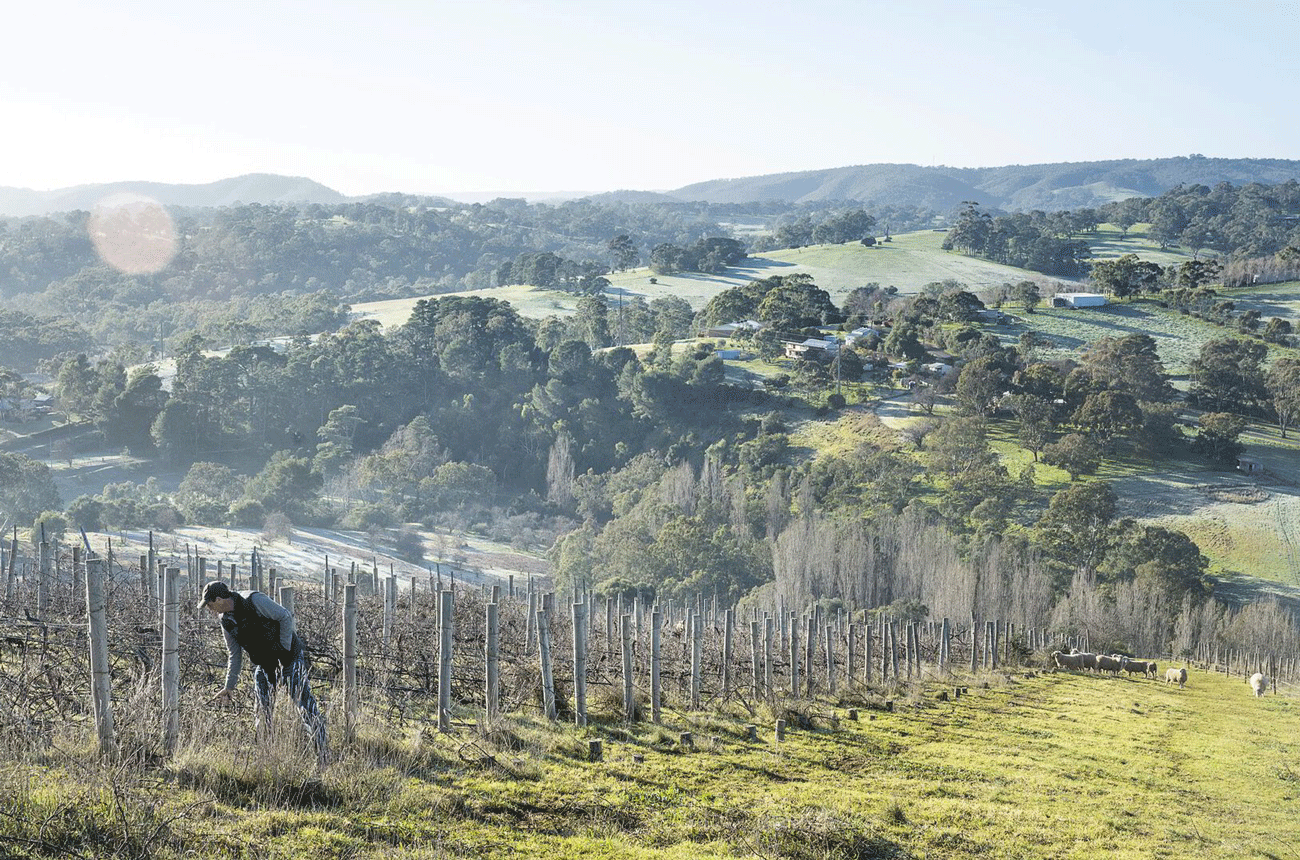
‘Young Grenache vines can produce marvellous fruit, but it requires a lot of work in the vineyard during their early years to control vigour and canopy. I’m prepared to put that work in because I know how good the results can be.’
Rob Mack and his wife Louise realised this when they started their brand Aphelion in 2014, specifically wanting to focus on Grenache and courting growers in Blewitt Springs to obtain the best fruit.
From the outset they have presented multiple Grenache expressions, employing different winemaking techniques, from McLaren Vale each vintage. The constant in Aphelion’s portfolio is Confluence, which shows off Grenache’s rich savoury mid palate.
Barossa and McLaren Vale Grenache: varied expressions
Michael Twelftree is another Grenache vineyard hunter who knows elite fruit is difficult to find. While his focus is Shiraz at the Barossa-based Two Hands Wines, he also created Twelftree Wines to celebrate Grenache.
He initially released six 2012 single-vineyard Grenaches (four from dry-grown McLaren Vale vineyards, two from Barossa), and now issues between two and five wines a year.
‘Grenache is one of the world’s most planted red grapes, but in Australia we’ve mostly done a horrific job with it,’ says Twelftree, blaming overcropping and over-ripe fruit. ‘I want to do things differently, and have spoken with growers prepared to work with me to get better results.’
Quantities are tiny – how Twelftree likes it. ‘It’s not about how much wine, but how true each expression is to its site. The beauty is in the subtle differences you can taste between them. There’s big talk about natural winemaking, but this is natural vineyard expression.’
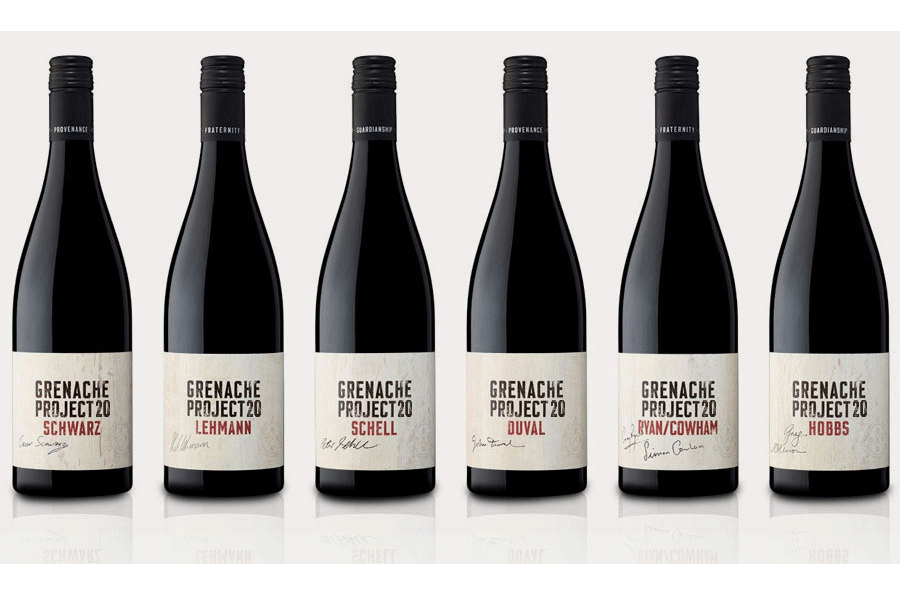
For the flip side – same vineyard, different winemakers – explore The Grenache Project undertaken by Artisans of Barossa. Banded together as a marketing collective, this group of eight producers shares a cellar door tasting room and hospitality venue in Tanunda.
In addition to making their own wine, they engage in a joint project. Starting in 2017 with an aim of showing off the versatility of Grenache, members each make a wine with grapes sourced from the same Barossa vineyard.
The 2020 Grenache Project released six diverse wines from Schwarz Wine Co, Spinifex Wines, Purple Hands Wines, John Duval Wines, Sons of Eden and Hobbs of Barossa Ranges – all sourced from the John Vineyard at Light Pass in the Barossa Valley.
‘Grenache is a joy for this very reason,’ says John Duval. ‘It’s so versatile and so expressive.’
Barossa and McLaren Vale Grenache: 20 top wines to try
Related content
Torbreck: profile and 12 wines from this cult Barossa name
Rhône 2020: best-value wines
McLaren Vale: regional profile
Alkina, Polygon 3 Grenache, Barossa, South Australia, Australia, 2019

Delicate yet formidable, this wine’s dense, multiple layers of complex texture and flavour speak eloquently. There’s fresh raspberry and graphite, rhubarb and red earth, dark...
2019
AlkinaBarossa

Bekkers, Grenache, McLaren Vale, South Australia, Australia, 2020
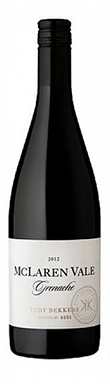
This blend of dry-grown fruit from three diverse sites in sub-regions of different elevations and soil types highlights McLaren Vale's great strengths. Winemaker Emmanuelle Bekkers...
2020
BekkersMcLaren Vale
Ochota Barrels, Fugazi Grenache, McLaren Vale, South Australia, Australia, 2021
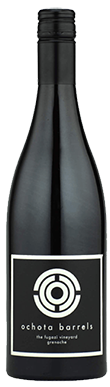
For 13 consecutive vintages, this wine (from an exposed ridge in Blewett Springs) has shown the same vibrant character in a gentle, medium-bodied palate that...
2021
Ochota BarrelsMcLaren Vale
Purple Hands, Old Vine Grenache, Barossa Valley, South Australia, Australia, 2020
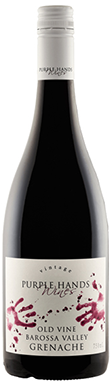
Savoury deliciousness is the winning attribute of this friendly, moreish take on Grenache, with satisfying chew and grip in its ripe red fruits. It shows...
2020
Purple HandsBarossa Valley
SC Pannell, Old McDonald Grenache, McLaren Vale, South Australia, Australia, 2019

A clever study of complexity, balance and depth that says much about capturing the personality of 75-year-old Blewitt Springs vines. There’s a seductive aromatic lift...
2019
SC PannellMcLaren Vale
Yangarra, High Sands Grenache, McLaren Vale, South Australia, Australia, 2018
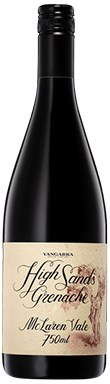
Great care has been taken in crafting this elite expression of Grenache from a rare old dry-grown McLaren Vale vineyard. Winemaker Peter Fraser captures a...
2018
YangarraMcLaren Vale
Aphelion, Confluence Grenache, McLaren Vale, South Australia, Australia, 2021
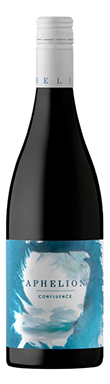
As the cleverest of Rob Mack’s three outstanding regional Grenaches, this brings together fruit from different Blewett Springs sites, capturing sharp, youthful vigour and smouldering...
2021
AphelionMcLaren Vale
John Duval, Annexus, Barossa, South Australia, Australia, 2019
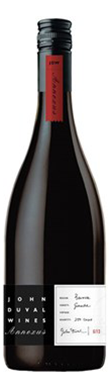
Capturing the deep colour and richness that reflects the Barossa’s dry 2019 vintage, former Penfolds chief winemaker John Duval harnesses the intensity and power of...
2019
John DuvalBarossa
Silent Noise, MF Grenache, McLaren Vale, South Australia, Australia, 2021
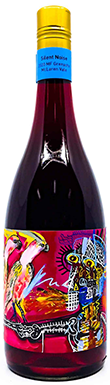
Boom! Summer smiles in a glass brim full of cherries, raspberries and strawberries in a fresh, no-fuss style that’s arresting for its vibrancy. Flavours pop...
2021
Silent NoiseMcLaren Vale
Tim Smith Wines, Grenache, Barossa, South Australia, Australia, 2020
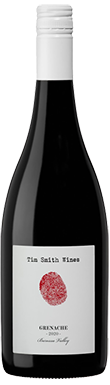
This dry-grown Grenache combines fruit from four Barossa vineyards, but the core of its effusive personality is typical of the sandy Vine Vale district. With...
2020
Tim Smith WinesBarossa
Yalumba, Vine Vale Grenache, Barossa, South Australia, Australia, 2018
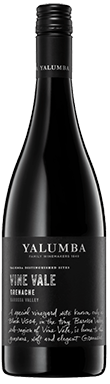
Distinctively different from Yalumba’s range of other old-vine Grenache styles, this shows refined, elegant fruit flavours walking the tightrope between fragility and firm character. Alluring...
2018
YalumbaBarossa
Bethany, First Village Grenache, Barossa Valley, South Australia, Australia, 2020

Significantly different in personality to its stern old-vine sibling Blue Quarry, First Village represents the joyous nexus of modern Australian Grenache: a playful celebration of...
2020
BethanyBarossa Valley
Bruno and George, Grenache, Barossa Valley, South Australia, Australia, 2018
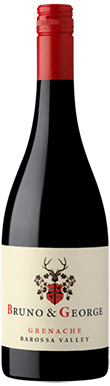
Satisfaction guaranteed when the freshness of wild forest berries combines with savoury deep red earth. Canny winemaking trio Bruce Blackwell, Christian Roediger and John Norman...
2018
Bruno and GeorgeBarossa Valley
Saltram, Winemaker’s Selection Grenache, Barossa, South Australia, Australia, 2019
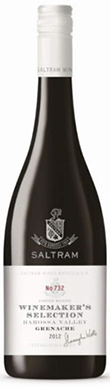
Saltram chief winemaker Alex McKenzie loves that these 70-year-old Tanunda vines warrant a single-variety release rather than being absorbed into the blends produced by this...
2019
SaltramBarossa
Twelftree, Schuller Grenache, Blewitt Springs, McLaren Vale, South Australia, Australia, 2020
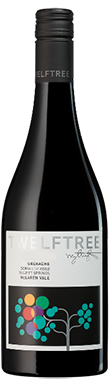
Winemaker Michael Twelftree’s penchant for wines of solid structure shows in this single-vineyard expression – sturdy take on Grenache from sandy Blewett Springs. While the...
2020
TwelftreeMcLaren Vale
Cirillo, 1850 Ancestor Vine Grenache, Barossa, South Australia, Australia, 2015
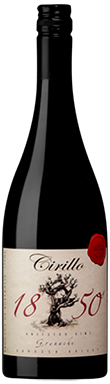
Befitting the extraordinary history of these ancient vines, this incredibly complex wine speaks its own language. The brawny palate extends beyond wild raspberry and black...
2015
CirilloBarossa
d'Arenberg, The Custodian Grenache, McLaren Vale, South Australia, Australia, 2018
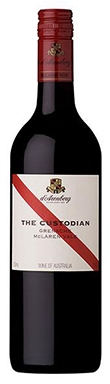
This wine’s name signals d’Arenberg’s commitment to a traditional style: optimal ripeness and generous flavours bound by a soft oak frame. Blending many small-batch, basket-pressed...
2018
d'ArenbergMcLaren Vale
Schwarz Wine Co, Meta Grenache, Barossa, South Australia, Australia, 2021
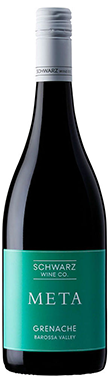
Pursuing a lean, fresh expression with old-vine fruit from Marananga and Bethany in the Barossa, winemaker Jason Schwarz has wrapped juicy deliciousness in an intriguing,...
2021
Schwarz Wine CoBarossa
Sherrah, Preservative Free Grenache, McLaren Vale, South Australia, Australia, 2021
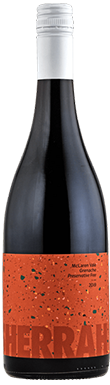
Winemaker Alex Sherrah’s determined hands-off approach comes up trumps here. The palate is broad, with layers of subtle complexity revealing clove, allspice and high-toned sweet...
2021
SherrahMcLaren Vale
The Other Wine Co, Grenache, McLaren Vale, South Australia, Australia, 2020
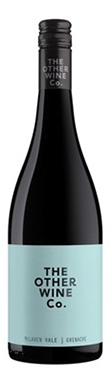
Unashamedly modern, this finds an unforced balance between bright fruit concentration and savoury tannic grip. The palate rides the wave between the effusive juiciness that...
2020
The Other Wine CoMcLaren Vale
