
Basilicata: regional profile and top wines to try
Anthony Rose visits the winding streets and hilltop villages of Basilicata. Read on for his top 10 names to know plus 12 bottles worth seeking out from one of Italy's lowest-production wine regions.


In 1935, Carlo Levi was exiled by Mussolini to Aliano in Basilicata for opposing the Fascist government. His memoirs of his time there, published a decade later in 1945, were enigmatically titled Christ stopped at Eboli in reference to the local saying that Basilicata (then Lucania) had been ‘bypassed by Christianity, forsaken by morality, excluded from history, abandoned by civilisation itself,’ as Levi put it in his book.
The town of Eboli over the border in Campania was therefore as close as Christ would venture.
Scroll down to see tasting notes and scores for 12 top Basilicata wines
Basilicata is a rural, arid region of wild beauty with lunar landscapes of canyon-like calanchi rock formations, arid dunes, lava caverns, ghost villages and sun-splashed golden beaches. The ‘arch’ of Italy’s boot, it has a short coastline on the Tyrrhenian Sea in the southwest and a longer coastline on the Ionian Sea in the southeast.
The majority of the province’s vines are focused around Vulture at the northern end of the region, although closer to the sea good wines can also be produced in the lower altitude vineyards which experience a maritime climate. Production in Basilicata is tiny, however, compared to its neighbours, Puglia, Campania and Calabria.
Basilicata at a Glance
- With an estimated 5,000 – 10,000 hectares under vine and a population of around half a million, Basilicata is one of Italy’s smallest wine regions
- A rugged landscape of rolling hills and mountains; only 8% of its surface is flat.
- One of its three peaks, the 1,326-metre high Monte Vulture, an extinct volcano north of Potenza, is home to the Aglianico del Vulture DOC
- Aglianico del Vulture was certified as a DOC in 1971 and in 2011 became Basilicata’s only DOCG, as Superiore and Riserva, which need two and four years of ageing respectively.
- Basilicata’s three DOCs are Matera, Terre dell’Alta Val d’Agri, and Grottino di Roccanova (Malvasia Bianca di Basilicata).
- Cool vintages: 2002, 2004, 2007, 2010, 2014, 2016.
- Balanced vintages: 2000, 2005, 2006, 2008, 2017, 2018, 2020.
- Warm to hot vintages: 2001, 2003, 2009, 2011, 2012, 2013, 2019.
- The communes within Vulture: Rionero, Barile, Rapolla, Ripacandida, Ginestra, Maschito, Forenza, Acerenza, Melfi, Forenza, Venosa, Lavello, Palazzo San Gervasio, Banzi, and Genzano di Lucania.
A mere 8% of Basilicata’s surface is flat, the rest of it hilly and even mountainous, with three main peaks dotted across the region, Monte Pollino (2,238m), Monte Sirino (2,005m) and Monte Vulture, an extinct volcano (somewhat fancifully so-called because of its supposed resemblance to the raptor) dating from the Pleistocene era (800,000 to 130,000 years ago), rising to 1,326m.
‘When you see Basilicata, you see fields, vineyards, beautiful landscapes, you see the land as it should be’, said Francis Ford Coppola, whose elegantly renovated palatial villa, Palazzo Margherita, sits discreetly behind a café in Bernalda, where his grandfather was born.
This relatively well-to-do resort town with its luxurious boutique hotel stands in stark contrast to the many less affluent, albeit dramatic, hilltop villages whose stone walls bear silent witness to centuries of intrigue, passion and superstition so vividly portrayed by Carlo Levi; not to mention the colourful streaks of paint left behind by all the cars (one of them mine) that have failed to navigate their sharp corners.
But there’s more to the region even than stunning landscapes – ascend the narrow streets of a village like Tursi and you’ll find inhabitants bent crooked and muttering in an alien dialect. Drably-clad women sit doing their knitting on wicker chairs outside the stone steps of dilapidated houses. Wizened men sit on the church steps and benches, play cards in stone alcoves or amble aimlessly around leaning on their walking sticks. Cats lurk in packs and the sound of dogs barking, donkeys braying and cocks crowing echoes across the valley.
Matera
If it all sounds like a scene from Monty Python’s Life of Brian, it does sometimes feel like it. The most characterful of the region’s cities is its former capital, Matera, whose astonishing limestone cave dwellings have made it a mise-en-scène location for films such as Mel Gibson’s Passion of the Christ (2004).
With its two dramatic Sassi districts of troglodyte cave dwellings, the Sasso Caveoso and Sassi Barisano, vividly described by Carlo Levi’s sister Luisa as ‘like a schoolboy’s idea of Dante’s Inferno,’ Matera was declared a UNESCO World Heritage site and voted European Capital of Culture for 2019.
Matera is one of the few places in Basilicata that could be described as ‘touristy’, yet despite the skilful transformation of the Sassi’s troglodyte hovels into restaurants, bars, and hotels, Matera doesn’t detract from Basilicata’s reputation as a destination for independent travellers in search of sea, sun, gastronomy and adventure.
Vulture
Vulture’s unique terroir is based on a combination of volcanic soils, altitudes varying from 200-600 metres, cold autumn nights and the breezes that gently blow across the vineyard slopes, helping to shrug off the dangers of botrytis and downy mildew. Vulture itself covers less than 1,000 hectares of vineyards, 80% of which are planted to the local Aglianico grape. Other local varieties include Moscato, Malvasia, Primitivo, Sangiovese, Montepulciano, and Bombino Nero.
Vulture’s sponge-like volcanic tufo helps the roots of the vine to penetrate deep into the earth below, nourishing the vine with the moisture retained by the rock in the warm, dry summers that characterise this arid region. While soils are volcanic, they vary considerably in composition, with three main types. On the lower slopes at 200-300 metres, there are red and blue ferrous soils. At 400-500 metres, the ancient sulphurous soils become yellow. At the highest altitudes, around Barile, for instance, at 600 metres, there are grey/black soils interspersed with water retentive clays running through them.
According to Vito Paternoster, whose winery is in Barile, much Aglianico was transported to Barolo in the early part of the 20th century to bring colour, richness and body to the Nebbiolo-based wines. Hence the time-honoured local expression ‘there’s no Barolo without Barile’. Aglianico, described by Ian d’Agata as ‘one of the world’s great grapes’, is believed to be derived from the Greek, ‘Hellenica’, but its origins, first mentioned in the 16th century, are in fact unclear.
The backbone of many of southern Italy’s best reds, it reaches its apogee in Taurasi and Taburno in Campania and in Basilicata’s Vulture; all volcanic sites. Of the nine clones of Aglianico, Vulture is host to two – VR 11 and VR 12 – which tend to express plenty of fruit and flavour, good acidity and tannin, and, at Vulture, minerality.
Blessed with thick yet delicate skins, it’s a late-ripening variety maintaining its acidity as it ripens late into October and even early November. Once irredeemably tannic, Aglianico today has benefited from a modern approach to viticulture and winemaking since the beginning of the millennium, when, coincidentally, Elena Fucci, one of Vulture’s new leading lights, founded her winery, soon to be joined by the young guns of ‘Generazione Vulture’.
While not rejecting tradition out of hand, the first job, according to Elena, was to understand and eradicate the mistakes of the past: bad pruning, failing to get the grapes properly ripe, over-extracting the tannins with extended macerations, and aggravating the already bitter tannins with big chestnut barrels. The next step was to invest in know-how and equipment.
‘Tradition is important,’ says Elena, ‘but equally, we have to study and be open-minded enough to learn from it to see exactly what the right processes are.’ It starts with ‘the art of gardening,’ as Elena describes their viticulture, soft pruning (‘potatura dolce’) respecting the Aglianico grape, with winemaking aimed at expressing the best of the mountain terroir: ‘less interference, more Vulture,’ according to Basilisco’s Viviana Malafarina.
Some wineries only use wild yeasts, while Elena is working on her own selection. Instead of a month or even two-month maceration, Elena and others are working today with shorter macerations, two weeks in Elena’s case, while more attention is paid to the quality of the oak used for maturing the wines. The result today is a transformation of Aglianico del Vulture’s wines into something far more approachable, perfumed, elegantly savoury and mineral, but that have not lost their capacity to age well.

Basilicata: 10 names to know
Elena Fucci
A leading light in Vulture, Elena Fucci is a winemaking graduate of Pisa. She founded the winery at Barile in 2000 after taking control of the southeast-facing vineyards at 650 metres, bought by her grandfather Generoso in Contrada Solagna of Titolo at the foot of Mount Vulture. In her Il Titolo range, Fucci creates one of the finest volcanic expressions of the Aglianico grape from the six hectares of vines she has in production.
Paternoster
Founded in 1898 by Anselmo Paternoster – and making wine since 1925 – it was Anselmo’s son Pino who took the winery to greater heights, and in turn Pino’s son Vito Paternoster who adapted the Aglianico grape to create some of Vulture’s most approachable wines. Notable are its mineral Don Anselmo, its six-vineyard blend Synthesi, and a polished Rotondo. In 2016, Valpolicella’s quality-conscious Tommasi family took a controlling stake in Paternoster.
Cantine del Notaio
This winery at Rionero is well worth a visit both for its wines and for its six subterranean cellars, hand-excavated by Franciscan monks in the 15th century. Since Gerardo Giuratrabocchetti and his wife Marcella took over its 50 hectares in 1998, the winery – together with consultant Luigo Moio from Naples University – produces an impressive array of wines including the stylish Il Repertorio, Il Sigillo and La Firma, as well as an attractive sparkling Muscat, Il Preliminario.
Cantina Il Passo
Cantina del Passo was founded by Francesco Grimolizzi in 2012, when he bought the ninth century farm with its four-hectare vineyard and tufa cellar with the aim of transforming the Aglianico grape into something very special. Entrusted from the start with creating a unique expression of the Aglianico grape, Barile-born winemaker Fabio Mecca has had much success with Alberi I Piano.
Cantine Crocco
At 300 metres in the hills at Montalbano in the province of Matera, within range of the maritime breezes that blow in off the Ionian Sea, Maurizio, Silvia and their son Angelo produce a range of good value reds, whites, rosés and sweet wines from their 20 hectares of vines. Sulco, their Aglianico, and Ventomare, a Chardonnay, both do well here, and the full range is available at the ‘Lucianian Kitchen’ of the Ristorante Masseria Crocco.
Musto Carmelitano
At 600 metres at Maschito, the artisanal Musto Carmelitano has been run since 2006 by third-generation sister and brother team, Elisabetta and Luigi. Assisted by consultant winemaker Sebastiano Fortunato, they make two 100% Aglianico reds from their four hectares of old vines, using wild yeasts only. Pian del Moro spends 12 months in oak while Serra del Prete is aged only in bottle.
Tentua I Gelsi
Founded in 2003 in Rionero at some 450 metres, Tenuta I Gelsi is a family-run winery headed by Roggerio Potito. The estate has 10 hectares of vines planted at between 400 and 600 metres in three plots in Rionero and Melfi, including two hectares of Malvasia. The two main reds are its Calaturi Superiore Riserva, a pure Aglianico from a 50-year-old vineyard of a single hectare, and Casello 105, a selection of Aglianico from its Vigneto Ferrovia.
Casa Vinicola Martino
Armando Martino’s daughter Carolin runs the family business, Martino Vini, bringing this family winery to greater levels of quality and finesse. With a meticulous and environmentally friendly approach to her winemaking, Carolin intuitively takes tradition on board while interpreting it in a modern style. There’s a substantial range of premium and classic reds, whites and fizz; her best wine is the Martino Superiore Riserva.
Basilisco
Located in Barile on the eastern slope of Vulture at 620 metres, organically certified Basilisco is run by winemaker Vivian Malafarina. Since 2011 it has been owned by the Capaldi family of Feudi di San Gregorio. With 30 hectares, the range of wines – fermented with wild yeasts – comprises two red blends and a 100% Fiano. Since 2013, the estate has released single-vineyard cru bottlings focused on Barile, Fontanelle, Cruà, Fiordimarna and the ancient 80+ year-old Storico, with vines trained in the traditional capanno style.
Cantina Madonna delle Grazie
While the Latorraca family has been growing grapes in the village of Venosa since the early 1900s, it was in 2003 that the first bottling was carried out under the Cantine Madonna delle Grazie label, made by Giuseppe Latorraca. Ranging from 15 to 50 years old, its 18 hectares of vines – certified organic – are located at between 400 and 550 metres. The 8.5ha of Aglianico, are on a mix of volcanic tufa-based dark/black clay, coarse sand and sedimentary limestone.
Basilicata wines: 12 to try
Related content
East coast Italy: Marche, Abruzzo & Molise
Exploring Monferrato plus six wines worth seeking out
Genoa city guide: Where to wine and dine
Masseria Cardillo, L'Ovo di Elena, Basilicata, Italy, 2020
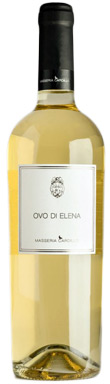

One of the benefits of a stay at the agriturismo Masseria Cardillo near Bernalda is that you can choose from a range of its own...
2020
Masseria Cardillo

Elena Fucci, Titolo Riserva, Aglianico del Vulture, Superiore, Basilicata, Italy, 2017
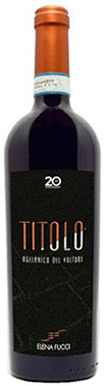
Mid-ruby in colour, this Riserva aged in new tonneaux shows an exotic paprika and Chinese five-spice fragrance, combining complexity in its oak and fruit aromas...
2017
Elena FucciAglianico del Vulture
Elena Fucci, Titolo, Aglianico del Vulture, Basilicata, Italy, 2018
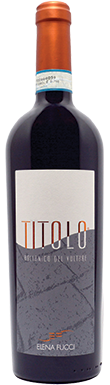
Elena puts the 'elegant' into Aglianico. A relatively pale ruby colour, this is fragrantly spicy and faintly smoky, the mulberry fruit richly flavoured and intense;...
2018
Elena FucciAglianico del Vulture
Armando Martino, Pretoriano, Aglianico del Vulture, Basilicata, Italy, 2017
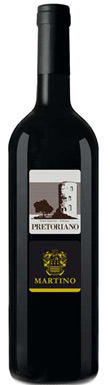
A clear youthful ruby colour, this Aglianico from Rionero-based Armando Martino sets off in the glass with an attractive floral lift and appealing fragrant peppery...
2017
Armando MartinoAglianico del Vulture
Basilisco, Vigneto Storico, Aglianico del Vulture, Superiore, Basilicata, Italy, 2013
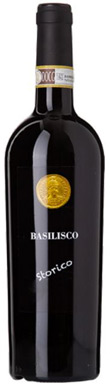
Made from 80-year-old ungrafted vines in the Storico Vineyard, this wine - the estate's flagship - is a vivid, bright wine displaying a cardamom and...
2013
BasiliscoAglianico del Vulture
Grifalco, Damaschito, Aglianico del Vulture, Superiore, Basilicata, Italy, 2018
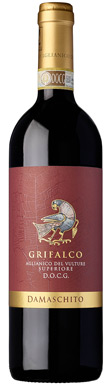
From the red sandy soils of Maschito at 580 metres, this is mid-ruby in colour with smoky sour cherry aromatics; a tad reminiscent of Chianti’s...
2018
GrifalcoAglianico del Vulture
Tenuta I Gelsi, Calaturi Riserva, Aglianico del Vulture, Superiore, Basilicata, Italy, 2015
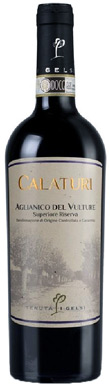
From Tenuta I Gelsi in Rionero, this Riserva is deeply coloured with herbal and raspberry-like undertones, plus a smoky hint of barrique. Modern in style,...
2015
Tenuta I GelsiAglianico del Vulture
Cantine del Notaio, La Firma, Aglianico del Vulture, Basilicata, Italy, 2014
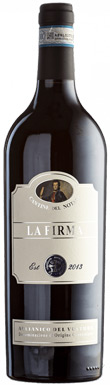
Deep ruby in colour, this is showing nicely evolved, tarry black cherry aromas and dry, dark, full fruit with an almost salty minerality. It's still...
2014
Cantine del NotaioAglianico del Vulture
Grifalco, Gricos, Aglianico del Vulture, Basilicata, Italy, 2020
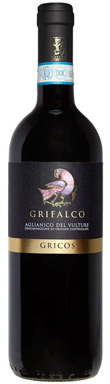
Mid-ruby in colour, this youthful blend of Venosa, Maschito and Forenza vineyards at 450 to 580 metres is fragrant with sour cherry and background wood...
2020
GrifalcoAglianico del Vulture
Madonna delle Grazie., Liscone, Aglianico del Vulture, Basilicata, Italy, 2017
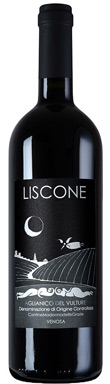
Eye-catching label apart, Giuseppe Latorraca’s Aglianico from Venosa shows inviting aromas of dark fruit and stylish oak spice. The fruit is intensely cherryish, supported by...
2017
Madonna delle Grazie.Aglianico del Vulture
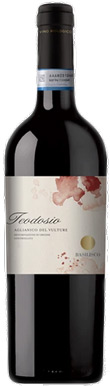
Basilisco, Teodosio, Aglianico del Vulture, Basilicata, Italy, 2019
90
Planted at 500m above sea level on the area's typical volcanic soils, the Aglianico vines produce this bold, jammy black cherry red wine, offering an undertone of savoury earth and stoninness. Herbal licks and a splash of tar and chocolate on the finish make this a surprisingly complex and moreish drop given the price.
2019
BasiliscoAglianico del Vulture
Cantine Crocco, Sulco, Basilicata, Italy, 2017
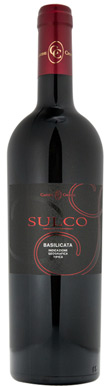
Far from the madding Vulture crowd, Cantine Crocco’s vineyards at Montalbano rely on altitude and the breezes off the Ionian sea for a medium-bodied style...
2017
Cantine Crocco
