
Bibi Graetz Testamatta: 2000-2019 vertical
Bibi Graetz presents almost every vintage of his cult wine, Testamatta, to celebrate his 20th year of winemaking. Stephen Brook tastes and rates each one.


There is nothing shy and retiring about Bibi Graetz. With a castle and winery in Fiesole, and a wine brand that has been highly successful internationally, there is little for him to be modest about. He also has a gift for publicity, rooted in his earlier career as an artist and reflected in the splashy vivid colours that adorn his labels.
Scroll down to see tasting notes and scores for 14 vintages of Bibi Graetz’s Testamatta
In 2021 I attended a vertical tasting of Bibi’s top wine, Colore, and this March he presented almost every vintage of his Testamatta wine since its debut year of 2000.
Thanks to videocalling technology he was able to conduct the tasting on a single day to a network of importers, sommeliers, press and consumers around the world in 12 cities as dispersed as London, Seoul, Tel Aviv and Lisbon.
Vineyards have long formed part of the family estate of Castello di Vincigliata, but they were leased on contracts that were due to expire in the late 1990s. Graetz decided to retain them and also to produce wine from them. Since then the project has expanded, with numerous labels at different price levels. But Colore and Testamatta, both Sangiovese-based, remain his top wines.
Graetz sources his grapes from old vines, and since 2015 there have been six sites throughout Chianti Classico, mostly leased, that supply his red wines. The age of the vines used for Testamatta ranges from 30 to 50 years and they are grown at elevations between 350 and 650 metres.
Most vintages are pure Sangiovese, but some of the early wines also contained some Canaiolo. Production, once very limited, has grown to around 150,000 bottles, and the pricing is ambitious.
Developing style
Graetz had no formal training in wine production, which may explain the name of the wine, which is Italian for ‘hothead’.
For his initial vintages, he hired the well-known consultant Alberto Antonini to advise on the viticulture and the winemaking. It soon became clear to Graetz, however, that his wines reflected the consultant more than the vineyards – they were super-concentrated and steeped in new oak and, as was the intention, immediately attracted the attention of wine critics. But Graetz himself was unhappy with the style and in 2004 he took back control of the production process, from farming to bottling.
He dispensed with temperature control and bleeding of the tanks, using numerous daily punchdowns for extraction. No press wine was used. The wines were aged in older barriques and casks for 30 months. By 2008, the farming was organic.
There is a clear change of style from the mid-2000s. The very extracted, dense style of the early vintages gave way to a fresher, livelier expression more typical of Sangiovese from the Chianti region. Those first vintages have aged well but are unlikely to improve, whereas there is greater vibrancy and better balance in the years that followed. They are also true to the vintages in which they originated, and Graetz is often able to make wines that surpass the reputation of certain difficult years.
But are the wines as remarkable as their producer and his devotees would have us believe? They are far from being the only wines made in the Chianti zone from old vines, low yields, natural yeasts, and discreet barrel-ageing.
The trend in the region is moving towards single-vineyard wines that each have their own typicity.
Testamatta is a blend – a very good blend, but a regional expression of Sangiovese rather than a highly individual one. There’s nothing wrong with that, of course, but each wine lover must decide for themselves whether the wine is really worth the high asking price.
Bibi Graetz Testamatta vertical: Stephen Brook’s verdict
Related content
Suvereto: Regional profile & names to know
Mastroberardino producer profile: a taste of elegance
Barolo in depth: Serralunga plus 10 wines worth seeking out
Bibi Graetz, Testamatta, Toscana, Tuscany, Italy, 2000
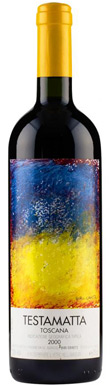

Despite its age, the colour remains deep and shows little evolution. The nose is aromatic and richly smoky, with tobacco tones too. The attack is...
2000
Bibi GraetzToscana

Bibi Graetz, Testamatta, Toscana, Tuscany, Italy, 2001
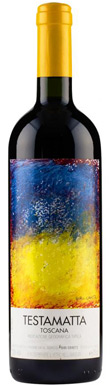
Very deep in colour and scarcely evolved, this is lush and juicy on the palate, exhibiting brooding dark fruits. Very rich and dense, its still-detectable...
2001
Bibi GraetzToscana
Bibi Graetz, Testamatta, Toscana, Tuscany, Italy, 2004
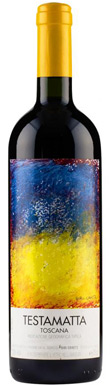
Very deep red in colour, the nose displays more finesse than the preceding vintages but shares their woodsmoke and tobacco aromas. The attack is fresh...
2004
Bibi GraetzToscana
Bibi Graetz, Testamatta, Toscana, Tuscany, Italy, 2005
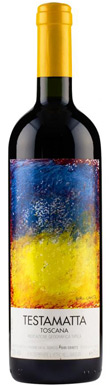
The 2005 vintage saw a move to 100% Sangiovese. Reticent but with the same aromatic profile as earlier vintages, this 2005 displays considerably more elegance....
2005
Bibi GraetzToscana
Bibi Graetz, Testamatta, Toscana, Tuscany, Italy, 2006
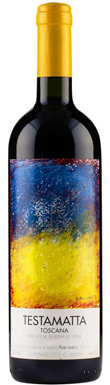
Deep red in colour, showing little evolution, this is subdued but perfumed, introducing a floral character to the bouquet of previous years. The attack is...
2006
Bibi GraetzToscana
Bibi Graetz, Testamatta, Toscana, Tuscany, Italy, 2008
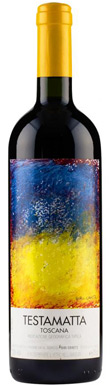
The 2008 vintage was extremely hot but the charming floral aromas here show no sign of the heat. Very deep red in colour, it's initially...
2008
Bibi GraetzToscana
Bibi Graetz, Testamatta, Toscana, Tuscany, Italy, 2010
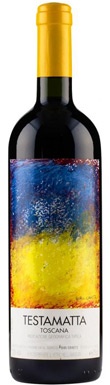
The crop was extremely small in 2010, resulting in a deep colour and sweet, juicy aromas that are more overtly fruity than in previous years....
2010
Bibi GraetzToscana
Bibi Graetz, Testamatta, Toscana, Tuscany, Italy, 2011
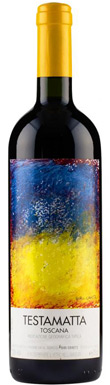
2011 was a difficult growing season, with some dehydration of berries, but this is a first-rate wine. The nose is gentle and floral with charming...
2011
Bibi GraetzToscana
Bibi Graetz, Testamatta, Toscana, Tuscany, Italy, 2012
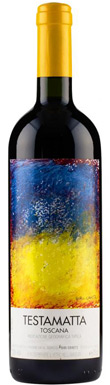
A hail-affected vintage, the growing season in 2012 actually ended quite well. This lacks some depth of colour but is not that evolved. The nose...
2012
Bibi GraetzToscana
Bibi Graetz, Testamatta, Toscana, Tuscany, Italy, 2013
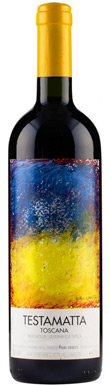
An exceptional wine from an exceptional year. The nose is zesty and seductive with enticing cherry aromas. Fresh, lively and concentrated, it has integrated tannins,...
2013
Bibi GraetzToscana
Bibi Graetz, Testamatta, Toscana, Tuscany, Italy, 2015
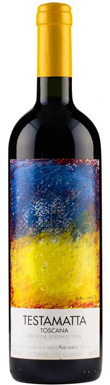
Another fine year produced this pure expression of Sangiovese fruit. The nose is reticent but floral, infused with rose petals and red fruits. It's concentrated...
2015
Bibi GraetzToscana
Bibi Graetz, Testamatta, Toscana, Tuscany, Italy, 2016
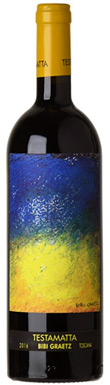
It would have taken a high degree of incompetence to produce a poor wine in 2016, and Testamatta is a triumph. The nose is lean...
2016
Bibi GraetzToscana
Bibi Graetz, Testamatta, Toscana, Tuscany, Italy, 2018
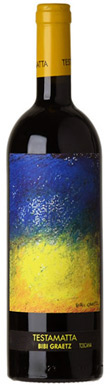
The 2018 vintage resulted in elegant but relatively light wines, and cool nights kept them fresh. The subdued red fruit nose has finesse and poise,...
2018
Bibi GraetzToscana
Bibi Graetz, Testamatta, Toscana, Tuscany, Italy, 2019
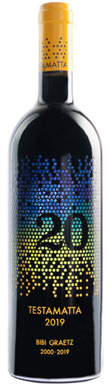
Yet another fine year, however some wines in 2019 - although not Testamatta - lacked a little concentration. Relatively light in colour, it's at the...
2019
Bibi GraetzToscana
