Blaufränkisch across Europe: Panel tasting results
High scores show the quality that’s available from Blaufränkisch, a red grape that’s widely grown in central Europe but still little seen or known further afield.


Caroline Gilby MW, Stefan Neumann MS and Wieteke Teppema tasted 87 wines, with 6 Outstanding and 36 Highly recommended
Blaufränkisch: Panel tasting scores
87 wines tasted
Exceptional 0
Outstanding 6
Highly recommended 38
Recommended 30
Commended 13
Entry criteria: producers and UK agents were invited to submit their current-release still, dry red wines made in Europe from Blaufränkisch (single variety or blended, but Blaufränkisch must be 50% or more of the blend)
Scroll down to see the top-scoring wines from our Blaufränkisch panel tasting
Terroir transmitter
This great central European red grape often goes under the radar thanks to its multiple names.
Austria has led the way in showcasing Blaufränkisch, but Hungary, where it’s called Kékfrankos, is by far the biggest grower (6,983ha, compared to Austria’s 2,550ha, according to the countries’ most recent annual reports to July 2024) and is catching up rapidly.
These two nations provided most of the entries for this tasting, along with a handful from Germany (as Lemberger), Slovakia (Frankovka) and Romania.
Blaufränkisch is increasingly showing its mettle as an exciting, food-friendly grape capable of producing delicious, ageworthy wines that can reflect place.
Wieteke Teppema explained: ‘It has the capacity to show transparency of terroir, it can get lovely minerality and not every indigenous variety can do this. Blaufränkisch is edging into a territory where it can be considered a top variety.’
Stefan Neumann MS was ‘impressed that it can be a fantastic solo player with site-specific expression’. For him, ‘a standout was the Eger and Balaton flight, where oak is so well managed – a tricky thing with Blaufränkisch to allow the fruit to shine’.
Neumann also noted Austria’s Neusiedlersee and Leithaberg regions as offering ‘the right poise of elegance and not trying to over-extract’, adding: ‘Some of the best wines had age but hadn’t lost fruit.’
A fine dancing partner

The judges were also impressed by the role of Kékfrankos in blends (it’s the key grape in Hungary’s PDO Bikavér, of which there are five examples among the Highly recommendeds here).
Teppema enjoyed ‘the combination of international grapes with Kékfrankos – a lovely complement to the structure and mid-palate in those blends’.
Compared to Sangiovese/Brunello in Tuscany, Neumann found that the wines typically showed: ‘Red and sour cherry, black fruit, with a floral perfume and, in some higher crus, a meaty iodine character.’
Teppema summed up: ‘From a UK on-trade perspective, there’s a lot I’d be happy to list and share with guests.
What to eat with Blaufränkisch, by Fiona Beckett

The striking thing about many of the top-scoring wines in this tasting is that they’re from older vintages, so we’re looking for dishes that pair well with mature wines.
That generally means simple roast meats rather than spicy casseroles, although the more robust, earthy, structured and oak-influenced style of Kékfrankos would work well with a classic goulash.
Otherwise, think well-aged beef, venison, even wild boar, or roast duck or goose – especially with red cabbage – making them, perhaps, wines that would work better in autumn than high summer.
Yet there are lighter styles of Blaufränkisch and Kékfrankos that would work with summery foods: cold meats such as salami and smoked ham, grilled sausages (it’s hard not to think of barbecuing at this time of year), kebabs and koftas.
Both Blaufränkisch and Kékfrankos can handle a bit of spice. More traditional, full-blooded Egri Bikavér (Bull’s Blood) blends are probably best saved – and maybe incorporated in – hearty winter stews or robust dishes such as beef short rib and braised ox cheek.
See all notes and scores from the Blaufränkisch panel tasting
Blaufränkisch panel tasting results:
Wines were tasted blind
The judges
Caroline Gilby MW is an awarded author, speaker and consultant with a passion for the wines of the Balkans, Central and Eastern Europe and the Black Sea. She is a DWWA joint Regional Chair in multiple categories
Stefan Neumann MS is a Master Sommelier who runs his own wine consultancy, having spent many years working in the world of Michelin-starred restaurants. Born close to Austria’s Wachau region, he is the DWWA Regional Chair for Austria and Switzerland
Wieteke Teppema is director of wine for Brown’s Hotel in London. A wine buyer and competition judge, including for the DWWA, her career spans top Michelin-starred restaurants and specialist wine importers
Related articles
- The hidden wine gems of the Italian coast
- Aegean island whites: Panel tasting results
- The Greek grape varieties you should be drinking
Andreas Gsellmann, Ried Gabarinza Blaufränkisch, Burgenland, Austria, 2021
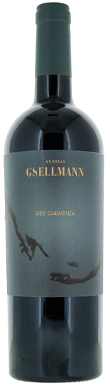

Andreas farms 14ha of vines in Burgenland near Lake Neusiedl, having joined the family winery in 2005. He developed his own approaches to respecting nature in the vineyards, which have been organic since 2008 and certified biodynamic since 2011. He believes in showcasing the authenticity of each vintage, with spontaneous fermentation, minimal SO2 and 12-18 months ageing in used oak and amphorae. Gabarinza is a renowned vineyard on a southwest-facing slope with sandy loam overlying Danube gravels and marine sediment. Caroline Gilby MW: Ethereal aromas of rose water and bilberry. Varietal expression with elegant acidity and very nicely done oak lingering. Stefan Neumann MS: Poised and elegant, with juicy black fruit-driven notes. Good power and finesse. Nicely layered. Wieteke Teppema: Cassis and cherry with plum. Earth, iodine, ink. Some slight animal hide and earth. All in balance.
2021
Andreas Gsellmann

Figula, Kékfrankos 2500 Blaufränkisch, Pécsely, Balatonfüred-Csopak, Hungary, 2023
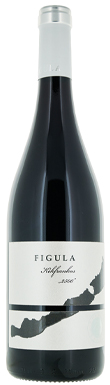
A family winery with 30ha of vines in Balatonfüred, on the north shore of lake Balaton, now run by sons Mihály and Janos, together with their mother. In 1993, after the fall of communism, the family began to rebuild the winery, always with an emphasis on quality and vineyard expression. Both the late Mihály Sr and Mihály Jr have been named Hungary’s ‘Winemaker of the Year’. This Kékfrankos is a limited production from selected plots in the Bordoma vineyard. A short time on skins and six months in third-fill Hungarian oak keep the emphasis on freshness, elegance and charm. Caroline Gilby MW: Scented cloves, violet and Morello cherry, a hint of sweet oak. Graceful tannins, touches of mulberry, loganberry and juicy freshness. Airy, charming. Stefan Neumann MS: Lively and fresh, plenty of red fruit notes, just-ripe cherry and touches of sweet cranberry. Rounded tannin structure, touches of Assam-like black tea. Wieteke Teppema: Sour cherry, lifted violet, ink and earth. Crunchy, refreshing, with ripe chalky tannins. Fragrant and very enjoyable.
2023
FigulaPécsely
Heinrich, Blaufränkisch, Leithaberg, Burgenland, Austria, 2018
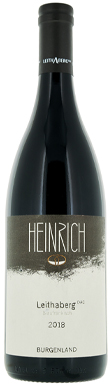
In 1985, Gernot and Heike took over Gernot’s family vineyard, which dates back to the 1730s. They were quality pioneers and switched to biodynamics as early as 2006, gradually evolving their style towards taut, precise, vibrant wines that highlight their terroir. They manage about 100ha, with old vines on Leithaberg, facing towards Lake Neusiedl, on fossil-rich limestone and mica-schist. Winemaking is, unsurprisingly, low intervention, with spontaneous fermentation, three weeks’ skin contact in wooden tanks, basket pressing, then 38 months in amphorae and used 500-litre oak barrels. Caroline Gilby MW: Complex nose of cedar and bilberry. Layered, mature. Super-refined, graceful tannins backed by vibrant freshness. Stefan Neumann MS: Intense, dark fruit-scented with ripeness and powerful spicy tones. Spice-driven with plum, cherry and cinnamon. Wieteke Teppema: Deep, inviting nose of cassis and blackcurrant, iodine, animal hide. A touch of dried fruit yet so much freshness. Medium body, refreshing acidity, firm tannins.
2018
HeinrichLeithaberg
Jalits, Diabas Reserve Blaufränkisch, Eisenberg, Burgenland, Austria, 2019
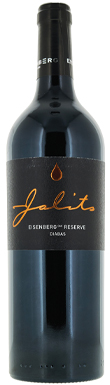
Mathias Jalits is the fifth generation to run this organic family winery. He originally studied hotel management but a dormant passion for wine awakened. He retrained as a winemaker and took charge in 2001 with his parents’ support. He believes that the soils of Eisenberg are what makes the area special, combined with warm summers moderated by mountain breezes. Diabas comes from 20- to 55-year-old vines on three plots with well-drained slate- and iron-rich clay soils. Winemaking is classical, with 18-21 days on skins and 22 months in new and used oak. Caroline Gilby MW: Dark chocolate, cherry and bilberry, integrated oak with spicy, herby hints. Juicy, vivid acidity and good fruit structure. A big but harmonious wine. Stefan Neumann MS: Intense and concentrated, with bold, dark fruit notes. Plenty of layers and complexity, great concentration and drive. Wieteke Teppema: Cassis and herbal notes, pepper, vanilla and clove. Earth, iron, iodine. Intense yet in balance. Holding its age well.
2019
JalitsEisenberg
Kovács Nimród, Grand Bleu Blaufränkisch, Nagy-Eged, Eger, Hungary, 2017
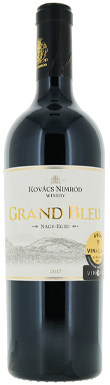
Budapest-born Nimród Kovács escaped the Iron Curtain by swimming from Yugoslavia to Italy, eventually travelling to the US, where he put himself through college in Denver by working as a waiter. A 35-year career in advertising and international telecoms gave him a passion for wine, leading to him starting his own winery in Eger in seven interlinked 18th-century cellars. Grand Bleu comes from a low-yielding limestone plot on Nagy-Eged hill, Hungary’s highest vineyard, reaching 500m. The wine was aged in two-thirds new French oak for 27 months. Just under 3,500 bottles were made. Caroline Gilby MW:Inviting, harmonious nose and super fruit still. Vibrant and fresh, lovely purity and finesse. Should age beautifully, too. Stefan Neumann MS: An intense blueberry note with candied violets and hints of sweet tobacco and liquorice. A lot to unpack here. A layered and long wine. Wieteke Teppema: Aromas of black cherry and blackcurrant, oak spice, clove, nutmeg, vanilla, sandalwood, leather. Rustic in style. It’s showing its age at this stage, but still has good concentration.
2017
Kovács NimródNagy-Eged
Umathum, Kirschgarten Grand Bleu Blaufränkisch, Leithaberg, Burgenland, Austria, 2017
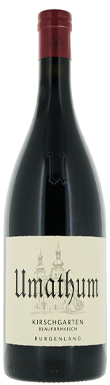
The Kirschgarten or ‘cherry orchard’ vineyard in Burgenland was first documented in 1214 and became a designated site in 1524 – possibly the first ever vineyard designation. After Josef Umathum bought the property in 2000, he painstakingly rebuilt the neglected historic stone walls and replanted vineyards. It’s a sheltered southeast-facing site with schist soils interspersed by quartz higher up on the hillside (encouraging deep rooting) and clay-limestone lower down. Temperatures are moderated by proximity to the lake, permitting slow, gradual ripening of the grapes. The Umathum winery is organic and has followed biodynamic principles since 2005. Grapes for Umathum Kirschgarten were handpicked and the wine was aged in small used barrels for 24 months. Caroline Gilby MW: Serious, complex nose. Maturing but not faded. Dark-fruited, with notes of damson, bramble and roast coffee. Vibrant red berry and cherry on the palate, with fine acids and sleek tannins. Stefan Neumann MS: Delicate, with red fruits followed by cherry blossom and rose water. Power and elegance in equal measure, with a wonderfully fine-tuned palate. Wieteke Teppema: Cassis and charcuterie, with leathery animal notes and sweet oak spice. Refreshing acidity, firm yet elegant tannins. Evolving yet balanced. Lovely.
2017
UmathumLeithaberg
Artisan Wines, Alte Reben Heideboden Blaufränkisch, Burgenland, Austria, 2021
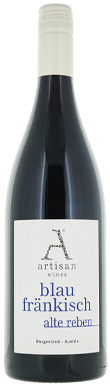
Delicate cedar, autumn leaf over black fruit, a complex nose of candied cherry, cranberry and cassis. Vivid acidity, refined tannins, polished structure and a long, elegant finish.
2021
Artisan Wines
Jalits, Cuvée Kontur Blaufränkisch, Eisenberg, Burgenland, Austria, 2019
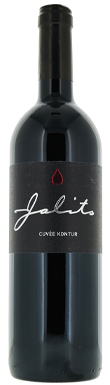
Serious layered nose of cocoa nib, espresso, dried Bing cherries, plums, cassis and blackcurrant. Intense and complex with sleek tannins, balanced ripe dark fruit and broody, slatey depth.
2019
JalitsEisenberg
Andreas Gsellmann, Astral Blaufränkisch, Burgenland, Austria, 2023
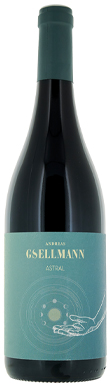
Appealing and typical nose of violets, plum and ripe blueberry. Vivid, crunchy cherry, mulberry and blackcurrant notes with a juicy, fresh, vibrant core, lovely tension and understated confidence.
2023
Andreas Gsellmann
Bolyki és Bolyki, Egri Bikavér Superior, Eger, Hungary, 2022
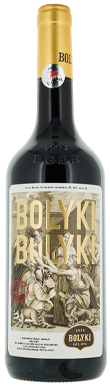
Bramble, sloe and damson jam layered with coffee, nutmeg, clove and vanilla. Rich and bold with sweet spice and freshness. Balanced by firm tannins and rounded texture, lovely harmony.
2022
Bolyki és Bolyki
Kollwentz, Blaufränkisch, Leithakalk, Burgenland, Austria, 2022
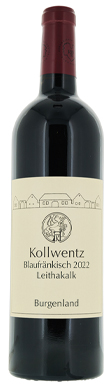
Ambitious nose of blueberry, loganberry and violet. Super fruit intensity with plum, fig and cassis, firm, fine-grained tannins, good length and great ageing potential. Bold yet balanced.
2022
Kollwentz
St Andrea, Hangács Egri Bikavér Grand Superior, Eger, Hungary, 2022
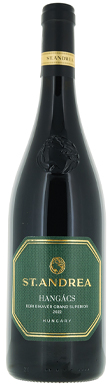
Juicy, upfront blue and black fruit. Coffee, liquorice, damson and mulberry add depth. Fresh linear palate with young chalky tannins typical of this cru, showing great balance and ageing potential.
2022
St Andrea
Aldinger, Hanweiler Berg Lemberger 1G Trocken, Württemberg, Germany, 2021
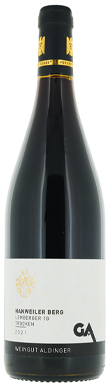
A closed nose opening to bright cherry, red plum and violets. Juicy with crunchy acidity, sweet-sour plum and well-integrated oak. Ripe tannins give way to a lively finish.
2021
Aldinger
Eszterbauer, Báró Steiner Bikavér, Szekszárd, Pannon, Hungary, 2023
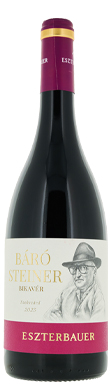
Complex, savoury nose of dark chocolate, sloe, damson and cassis over subtle oak. Bramble-plum texture and a Kékfrankos core of acidity bring bright freshness. Earthy, smoky notes add depth.
2023
EszterbauerSzekszárd
Eszterbauer, Tanyamacska Kékfrankos, Szekszárd, Pannon, Hungary, 2024
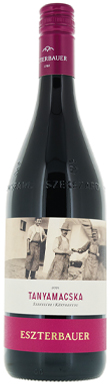
Aromas of bilberry, damson and pure blackcurrant. Vibrant young and crunchy with sour cherry, black cherry, plum and a hint of cloves. Light-bodied with firm ripe tannins and lovely fruit concentration.
2024
EszterbauerSzekszárd
Figula, Kékfrankos 1200, Pécsely, Balatonfüred-Csopak, Hungary, 2022
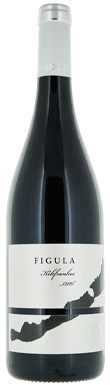
Serious, with black cherry, blackcurrant, a hint of sandalwood and a minty edge. Fragrant, lively nose of violets, red cherries and sweet milk chocolate. Good varietal purity with gentle grip.
2022
FigulaPécsely
Heidi Schröck & Söhne, Junge Löwen, Leithaberg, Burgenland, Austria, 2023
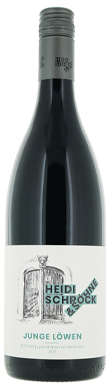
Rosewater and bilberry nose with lifted, vibrant, red fruit. Simple yet nicely textured with delicate, earthy leather undertones and a hint of chalky limestone grip. Youthful and pleasant expression.
2023
Heidi Schröck & SöhneLeithaberg
Heidi Schröck & Söhne, Ried Kulm Blaufränkisch, Leithaberg, Burgenland, Austria, 2023
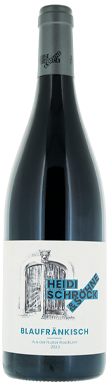
Loganberry, damson and smart oak lifted by a hint of violet. Dense yet fresh with blackcurrant, cherry and graphite. Youthful tannins promise a polished, beautifully concentrated future.
2023
Heidi Schröck & SöhneLeithaberg
Kollwentz, Ried Point Blaufränkisch, Leithaberg, Burgenland, Austria, 2017
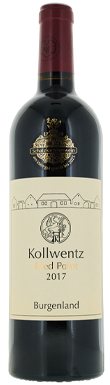
Classy nose of cassis, plum, tobacco leaf and dark chocolate with layers of oak, coconut and sweet vanilla. Superb fruit intensity balanced by velvety tannins, earth, liquorice and harmonious spice.
2017
KollwentzLeithaberg
Kovács Nimród, Blues Kékfrankos, Eger, Hungary, 2018
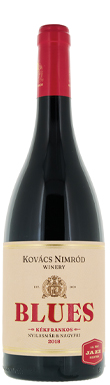
Juicy red berry, cherry cordial and strawberry notes. Supple and mellow, the palate shows gentle evolution with hints of leather, clove and balsamic, finishing fresh, lively and pleasantly mature.
2018
Kovács Nimród
Markowitsch, Ried Bärnreiser 1ÖTW Blaufränkisch, Carnuntum, Niederösterreich, Austria, 2022
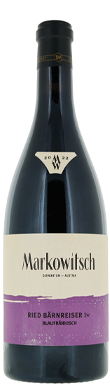
A floral nose of freesia, pronounced violets, black cherry and black tea. Concentrated with bold Blaufränkisch fruit, hints of thyme, nutmeg, tapenade and tomato paste. Vibrant and intense.
2022
MarkowitschCarnuntum
Takler, Orökség Bikavér, Szekszárd, Pannon, Hungary, 2021
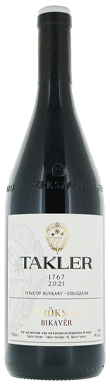
Rich black cherry, plum, bramble and cocoa nibs, layered with vanilla, clove and earthy spice. Vibrant core, refined tannins and a touch of grip offer length and ageing potential.
2021
TaklerSzekszárd
Triebaumer, Reserve Blaufränkisch, Leithaberg, Burgenland, Austria, 2019
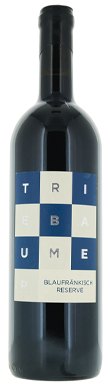
Ripe cassis, blackcurrant, blueberry and fig wrapped in sweet liquorice and hints of leather. Broad-shouldered with robust grippy tannins, fresh acidity and generous fruit depth.
2019
TriebaumerLeithaberg
Umathum, Ried Kirchberg Blaufränkisch, Leithaberg, Burgenland, Austria, 2015
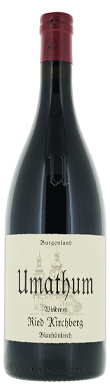
Mature with forest floor complexity, cedar and vegetal hints balanced by cassis, blackcurrant and delicate oak spice. Still lively, with refreshing acidity, firm tannins and lovely fruit.
2015
UmathumLeithaberg
Vida Péter, Valles Prémium Szekszárdi Bikavér, Pannon, Hungary, 2020
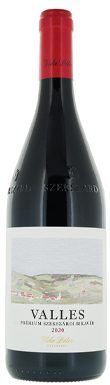
Layered black cherry, cassis, plum and hints of chocolate kirsch and rosemary. Velvety tannins and earthy spice sit over a fresh backbone, giving length and promising graceful ageing.
2020
Vida Péter
Wohlmuth, Ried Rabenkropf Blaufränkisch, Neckenmarkt, Burgenland, Austria, 2018
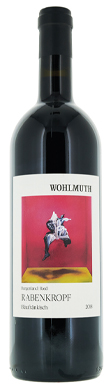
Poached strawberry, wild cherry and plum layered with autumnal notes, roses and sweet tobacco. Elegant with gentle grainy tannins, refreshing acidity and savoury charcuterie hints.
2018
WohlmuthNeckenmarkt
