
Decanter’s top tips for buying Rioja
The wide range of styles on offer, all at vastly different prices, can make the process of buying Rioja wines tricky to navigate. Follow our experts’ advice to find out what to look for, and discover where the real value lies.


Rioja is one of the great wine regions of the world, up there with Bordeaux, Burgundy, Barolo. Yet, unlike these other big names, you’ll find a remarkable number of Riojas on sale in the supermarkets at under £10. Setting aside this category of cheap wines, where is good value in Rioja? What are the smart buys now, and where are the likely prospects for the future?
In researching this article I spoke to sommeliers, restaurant managers, independent retailers, wine buyers and Masters of Wine. They all agreed that Rioja sells itself too cheaply. Take a look at our vintage guide and you will see what I – and they – mean.
Glorious wines, lovely maturity, but underpriced compared to their international peers. Value for me is all about quality, not about low prices. So where is the real value? Here are my six steps to heaven…
Scroll down to see notes and scores for Sarah Jane Evans MW’s 12 Riojas to seek out
1. The fine reservas and gran reservas are still a safe bet
The consensus among the experts I spoke to was that Rioja’s fine reservas and gran reservas offer real value. I wondered if this article was going to be very short indeed! Diana Rollan, group head of beverage at bar and restaurant group D&D London, puts it clearly: ‘The reserva and gran reserva designations still offer some of the best value in all of fine wine.’
For her, the key feature of these wines is that ‘they drink brilliantly on release but can mature superbly in bottle as well. When compared to similarly mature wines from elsewhere, Rioja nearly always comes out top in value’.
She adds: ‘The ability of the large bodegas to offer mature wines, direct from the wineries at reasonable prices and with good availability, is one of Rioja’s great strengths. That may be politically contentious [in the division between large producers and smaller ones], but there’s no way to brush it under the carpet.’
In terms of best price-to-value ratio, Agustín Trapero, wine consultant and former beverage manager at the Four Seasons Madrid, suggests that €30-€40 (£26-£34) is the price point for reserva and gran reserva wines with the ideal balance of ‘structure, balance, complexity and fruit’.
If lovely mature Riojas are your thing, don’t overlook the results of Decanter panel tastings and the DWWA. Ed Adams MW of La Báscula, and a long-standing DWWA judge, confesses: ‘I’m a classic reserva and gran reserva enthusiast. I still remember that aged rosado we gave a huge score to at DWWA 2022 [Hacienda López de Haro, Gran Reserva Rosado 2009, 97 points]. You don’t get that anywhere else in the world, do you?’

2. Look beyond the classics
Sticking with those classics could be seen as a bit safe. Do you want to look like a boring wine buff to your dinner date? Terry Kandylis, group head sommelier at Noble Rot, will rescue you from that fate and is quick to recommend R López de Heredia – a winery name-checked many times in my conversations with the experts.
Just around the corner from the Bank of England is Hispania London, where general manager Juan Murillo is alert to his customers’ tastes. He is a fan of Muga but reckons the glorious Prado Enea Gran Reserva is ‘a bit too classic, too old-style for the City of London’, preferring the Selección Especial Reserva.
Wine consultant and writer Jason Millar, formerly of London independent merchant Theatre of Wine, is enthusiastic about Rioja’s potential: ‘It’s all about its versatility and accessibility. Rioja offers so many different styles that there is always value and quality. I’m amazed by the diversity of the region and how the wines manage to be unique, each one telling a story of where it came from.’ He adds: ‘Many consumers are not aware that Rioja has undergone significant evolution over the past decade.’
Kandylis and many others recommend wines from Rioja’s new generation of producers. The likes of Artuke, José Gil, Tentenublo and Cuentaviñas (above), are frequently spotted on wine lists.
All this change is exciting for us consumers, but potentially problematic for the wine trade. Diana Rollan sees ‘a tension between the old bodegas and the historical blended style, and the new producers focusing on vineyard and village expression rather than ageing’. She warns that, ‘growers and importers focusing on the new style have to make a real effort to engage with the market. It won’t be enough to simply add new words and designations to the label and expect wine buyers to respond’.

3. Hit the road
There has never been a better time to visit Rioja. Both Pierre Mansour, wine director at The Wine Society, and Agustín Trapero are equally positive about the wines to be explored and the value across the range. Gone are the days when a visit might consist of a day or two tacked on to a gastronomic trip to San Sebastián. The hotel offering is more appealing these days too.
A reason for visiting Rioja, says Jason Millar, is that ‘provenance is key’. The villages and vineyards are what make the wines, not the quantity of barrels in the cellar. This is the time to walk, cycle or drive through the region. On Millar’s list are El Villar, Laguardia, Lanciego, Leza, Haro and San Vicente de la Sonsierra. I’d add Alfaro and Quel, which have very different landscapes.

4. Look out for pink and sparkling
Gradually, the traditional ‘claretes’ are coming back, joined by the arrival of pale ‘rosados‘ that match the colours of Provence rosé.
Find the wines made from Mazuelo, with its blueberry fruit and bright acidity, by Marqués de Murrieta or Javier Arizcuren. The aged rosado epitomised by R López de Heredia is in demand, too. ‘In fact, getting hold of Viña Tondonia Rosado is mission impossible,’ says Agustín Trapero.
He also suggests trying the traditional-method sparkling wines: ‘The new category of [sparkling wines] espumosos de calidad offers excellent value for money, with wines such as Vivanco Cuvée Inédita (below) or Bodegas Bilbaínas Royal Carlton,’ he advises.

5. Revisit the ‘vinos de autor’
These ‘icon wines’ were all the rage in the 1990s. Rioja houses turned to new French oak, moving away from the classic ageing regulations. The styles were international, with double selection of the grapes (first in the vineyard and then in the winery), and they were higher – if not double – in price.
Typically polished, ripe and alcoholic, they were often not easily identifiable as Rioja. Now, these wines have calmed down and grown up. Take a second look at ‘Barón de Chirel’ from Marqués de Riscal, ‘Dalmau’ from Marqués de Murrieta (a particular favourite of mine), ‘Amaren’ from Luis Cañas, ‘Aro’ from Muga and ‘Mirto’ from Ramón Bilbao (below). These may still be seriously priced, but in terms of value they deliver so much more quality and drinking pleasure today.

6. Above all… follow the producer
If in doubt, remember to follow the producer. In poor years, the best producers will always make something pleasurable. In the future, climate change may require producers to find new sites at higher elevations and explore new varieties. Even now, expertise in the vineyard is needed to cope with the extremes of the climate.
12 to try: Evans’ mixed case of wines offering real value
Related articles
- Ramón Bilbao: Producer profile plus 18 wines tasted and rated
- Rioja’s Bodegas Lan and nine wines rated
- Telmo Rodríguez: Interview plus Remelluri’s new single-origin Riojas tasted
- Last chance to buy tickets for Marqués de Murrieta masterclass in NYC
Victor Ausejo, Parcella 333, Rioja, Oriental, Northern Spain, Spain, 2022
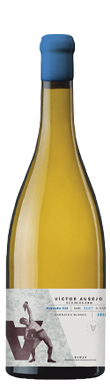

Garnacha Blanca is nowhere near Viura in the popularity stakes in Rioja, which is a pity. As Victor Ausejo proves, from a 2ha plot in...
2022
Victor AusejoRioja

Ramón Bilbao, Límite Norte Reserva, Rioja, Northern Spain, Spain, 2017
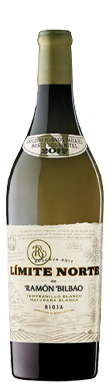
From the far northwest of Rioja, in Cuzcurrita, with its cooler Atlantic influences. A modern blend of Tempranillo Blanco and Maturana Blanca, it's rounded and...
2017
Ramón BilbaoRioja
Muga, Blanco, Rioja, Northern Spain, Spain, 2022
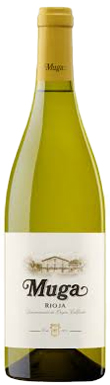
The good-value little brother of Flor de Muga Blanco. Fermented in lightly toasted oak vats and casks, it then spends four months in oak to...
2022
MugaRioja
Bodegas 220 Cántaras, Tremendus Clarete, Rioja, Northern Spain, Spain, 2022
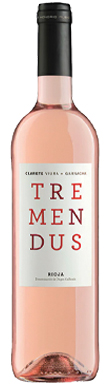
I spotted this at the importer's 'bang for buck' table at a tasting. Quite right! 220 Cántaras is making some engaging wines using skin maceration...
2022
Bodegas 220 CántarasRioja
Sierra Cantabria, Rosado, Rioja, Northern Spain, Spain, 2022
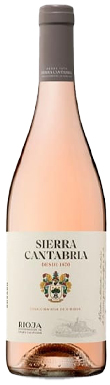
91
Expressive, aromatic rosado laden with red and black berries. The palate is bright with berries, with a hint of pomegranate and even grapefruit. Tempranillo, in my opinion, does not make the best rosados, but this blend (with 60% Viura and 30% Grenache) is a smart, pleasurable solution. Full-flavoured and food-friendly.
2022
Sierra CantabriaRioja
La Rioja Alta, Viña Ardanza Reserva, Rioja, Alta, Northern Spain, Spain, 2016
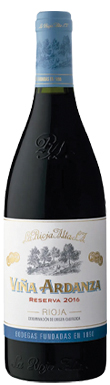
Viña Ardanza is one of those wines that makes friends everywhere, consistently over-delivering on quality. While I have given my heart to La Rioja Alta's...
2016
La Rioja AltaRioja
Casa La Rad, Solarce, Rioja, Oriental, Northern Spain, Spain, 2020
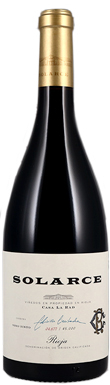
92
Astonishing value, snap it up! Lively, aromatic, packed with dark fruit and wild herbs. In the mouth it's full-bodied, fresh, fleshy,upple and spicy with a piquant note. On the finish it's lightly drying, with a savoury edge, and a warm sweep of alcohol. A real character.
2020
Casa La RadRioja
CVNE, Cune Reserva, Rioja, Alta, Northern Spain, Spain, 2018
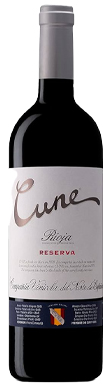
CVNE's Cune Reserva is a great-value Rioja. Ripe with plenty of dense fruit, and with its ageing in French and American oak it shows highlights...
2018
CVNERioja
Sonsierra, Reserva, Rioja, Northern Spain, Spain, 2017
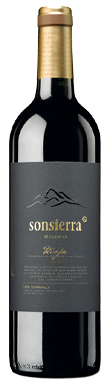
I first came across Sonsierra at a blind tasting of its single-vineyard wines and was very impressed. I discovered it is Rioja's second largest bottling...
2017
SonsierraRioja
Tentenublo, Xérico, Rioja, Alavesa, Northern Spain, Spain, 2018
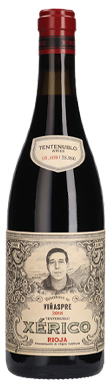
Roberto Oliván’s Xérico delivers real value in flavour. 80% Tempranillo and 15% Viura it’s alive with crunchy fruit, firm tannin, bright acidity and a rustic...
2018
TentenubloRioja
Viñedos El Pacto, Ojo Gallo, Rioja, Northern Spain, Spain, 2021
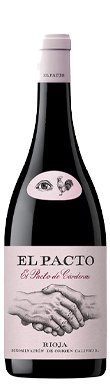
A fine choice for summer drinking, this is a field blend of Garnacha, Tempranillo, Viura and Malvasía from a vineyard planted in 1957. An unoaked...
2021
Viñedos El PactoRioja
Viña Ilusión, Joven, Rioja, Oriental, Northern Spain, Spain, 2021
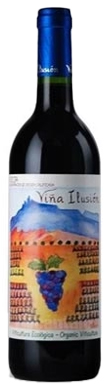
A juicy, uncomplicated, unoaked red that's organic and biodynamic and has plenty of energy. Martín Alonso Etayo and his partner Gloria Plaza Medina farm according...
2021
Viña IlusiónRioja
