
How to have an Italian Christmas
Michael Garner explains how the Italians do Christmas, and suggests some delicious Italian wines to pair with your Christmas dinner...


Christmas Eve
Unlikely though it may seem, Christmas Eve in Italy has long been a time for fasting, not feasting. In devoutly Catholic countries, no meat is eaten (or any animal fat used) on the eve of a feast day.
As 24 December is dedicated to the coming of the Messiah (observing La Vigilia or ‘the vigil’), the Italians typically eat fish instead – often simply fried or grilled with olive oil. These are the origins of the Feast of the Seven Fishes (which today is more likely to be strictly observed in the south of Italy).
As at one time in the UK when oysters were considered the food of the poor, fish and seafood was plentiful and cheap, and more expensive meat set aside for Christmas Day itself. Typical dishes are based on clams, shrimp and calamari but always include baccala (salt cod) and whatever fresh fish the bounty of nature had brought to the shoreline.
Similarly, wine choices are based on what is produced locally. So in the Veneto for example, Soave is the default option, while natives of the Abruzzo region might prefer the local rosé, Cerasuolo, made from Montepulciano grapes harvested just a couple of months earlier and which often works just as well as a white wine. With no ties to a particular region, my own recommendation would be for a Verdicchio from the Marche.
A fish wine par excellence, Verdicchio has two separate denominations: Verdicchio Classico di Castelli di Jesi and from further inland, Verdicchio di Matelica. The former is grown in the foothills dividing coastal Marche from its mountainous interior, and combines peach and apricot flavours with crisp, limey acidity and a decidedly saline undertone, hence its affinity with fish. Matelica meanwhile is a small town in the valley of the Esino river which is closed to the east and west by the lower reaches of the Apennine mountains, and where the surrounding vineyards lie at altitudes of up to around 650 metres. This contributes to the wine’s almost steely, mineral-toned character which again is a perfect foil for fish and seafood.
Christmas Day
On Christmas Day, all thoughts of self-denial are left behind and meat is very much back on the menu. While lunch is cooking, it’s time for the late morning aperitif. It’s difficult to ignore Spritz, particularly in Italy where its popularity has gone viral in recent years. If the ubiquitous Aperol Spritz is too sweet for your tastes, instead choose Campari, an Amaro or one of the new-wave craft Vermouths as the base.
How to make a Spritz
Spritz is reassuringly easy to make: add two parts of your chosen bitters to three parts of sparkling wine (usually Prosecco) poured over ice, top up with one part soda water and serve garnished with a slice of orange.
The other obvious Italian aperitif option is Prosecco. You could try a Bellini (two parts Prosecco mixed with one part white peach purée), a drink in which a simple, straightforward Prosecco does the job perfectly well.
But if the wine is not going to be mixed, then it’s really worthwhile pushing the boat out and trying one of the top-flight examples, ideally from vineyards around the town of Valdobbiadene where the best Prosecco comes from. The difference in quality more than justifies the extra cost (which in any case is not too onerous).
If you’re more of a Champagne type, Franciacorta is a strong choice, as is Durello Metodo Classico from close to the eastern edge of the Soave denomination.
In Italy as in the USA and the UK, some sort of roast meat will form the centrepiece of the Christmas Day meal, though the choice of meat will vary. Capon is preferred by many Italians, although in Piedmont lamb and vitellone (from weaned calves which have been put out to pasture for several months) are widely eaten, while the Veronese might well opt for bollito misto: a hearty dish consisting of various meats simmered for several hours in an aromatic broth.
The Brits and Americans have a lot in common, both favouring turkey, but while the classic and very traditional UK alternative may be goose, Americans love their Christmas ham.
Despite the plethora of side dishes served with roast meats, it’s best to select a wine with the meat itself in mind, though do be aware that the ingredients of any stuffing or sauces may compromise your choice if too strongly flavoured. Try and view the wine’s flavours and aromas as ‘seasonings’ in themselves which can work in tandem with the other ingredients the meal contains.
Whereas the Brits finish the meal with a traditional Christmas pudding (based on dried fruits, nuts and beef suet), the sweet course in the USA is much more likely to be apple, pecan or pumpkin pie.
With the meal, Italians will more than likely stick to their favourite local wines and below is a shortlist of the best of them to accompany the various food options:
White meats including poultry such as capon and turkey
White meats call for a round, medium- to full-bodied white wine which has plenty of fruit character but also decent acidity. Pinot Bianco from the Alto Adige is a well-kept secret but more and more people are discovering just how good this versatile, lightly aromatic white can be – indeed, the best can rival white Burgundy. A good, possibly wood-aged Soave Classico is another fine option.
Christmas ham or goose
These more richly flavoured meats work best with lighter reds like Valpolicella Superiore, Pinot Nero or Nebbiolo from the Nebbiolo d’Alba or Langhe denominations.
Red meats
If red meat is your main dish, annoy your bank manager and enjoy a bottle of great Barolo!
Dessert
To finish, I’ve gone for a Recioto di Soave, one of the world’s most undervalued dessert wines. Where many sweet wines are made from either partly dried grapes or those that have been affected by noble rot, good Recioto di Soave uses a combination of both elements to produce a wine of almost unrivalled intensity and richness. Cin Cin!
Michael’s top Italian Christmas picks:
You may also like:
Best Christmas market cities for wine lovers
The best Brunello di Montalcino wines: Expert reviews
All in good taste: The rise in bitters
Top 10 whiskies for Christmas
Ca’ di Rajo, Prosecco, Conegliano-Valdobbiadene Superiore, Veneto, Italy, 2018
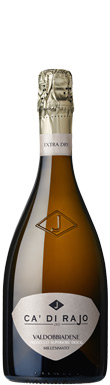

<p>From south-facing clay slopes around Guia, a small village near Valdobbiadene, this vintage Prosecco is made by the long charmat method. Strikingly clean, fresh and...
2018
Ca’ di RajoProsecco

Gini, Contrada di Salvarenza Vecchie Vigne, Soave, Classico, Veneto, Italy, 2013
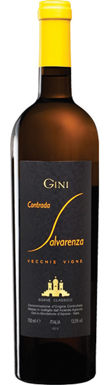
<p>From 100-year-old-plus vines (many of which are ungrafted), this classically proportioned Soave sets today’s standards for the entire denomination. The 2013 is magnificent: a stunning...
2013
GiniSoave
Cantina Terlano, Vorberg Riserva, Alto Adige/Südtirol, Terlaner, Trentino-Alto Adige, Italy, 2008
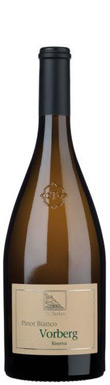
<p>The Grand Cru area for Pinot Bianco lies on the porphyry and clay soils above the village of Terlano. Cantina Terlano’s Vorberg selection is fermented...
2008
Cantina TerlanoAlto Adige/Südtirol
Tenuta Colpaola, Verdicchio di Matelica, Le Marche, Italy, 2018
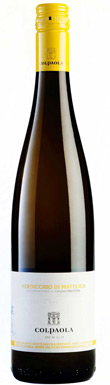
Colpaola, a tiny estate with the highest vineyards of the denomination, makes just one version of Verdicchio di Matelica. Fruit is fermented and stored in...
2018
Tenuta ColpaolaVerdicchio di Matelica
Cantina Tramin, Moriz, Trentino-Alto Adige, Italy, 2018
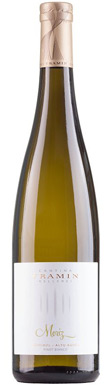
Though renowned locally for its great longevity, Pinot Bianco also works wonderfully well as a fresh and vibrant young white when vinified in stainless steel...
2018
Cantina Tramin
Brezza, Sarmassa Vigna Bricco Riserva, Barolo, Barolo, Piedmont, Italy, 2013
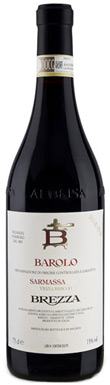
The Sarmassa vineyard lies just across the top road into Barolo from its more famous neighbour Cannubi, and Enzo Brezza’s Vigna del Bricco Riserva comes...
2013
BrezzaBarolo
Girlan, Trattmann Riserva, Trentino-Alto Adige, Italy, 2016
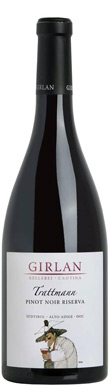
<p>With 80% of the Pinot Noir deriving from vineyards at Mazzon, and the rest from smaller parcels at Cornaiano and Appiano Monte, this delightfully aromatic...
2016
Girlan
Bruno Giacosa, Valmaggiore, Nebbiolo d’Alba, Piedmont, Italy, 2016
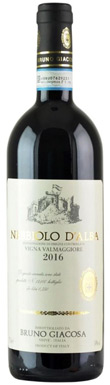
Vezza d’Alba’s south-facing Valmaggiore vineyard, which looks towards the city of Alba to the south, is the great cru of the Nebbiolo d’Alba denomination, and...
2016
Bruno GiacosaNebbiolo d’Alba
San Mattia, Valpolicella, Superiore, Veneto, Italy, 2016
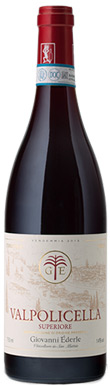
The hill dividing the valleys of Avesa and Valpantena offers a magnificent viewpoint over the historic centre of Verona. Grapes grown there are turned into...
2016
San MattiaValpolicella
Pieropan, Le Colombare, Recioto di Soave, Veneto, Italy, 2012
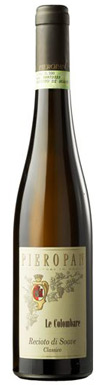
More noble rot than usual during the drying phase of the 2012 vintage has added extra depth and lustre to the rich, dried and candied...
2012
PieropanRecioto di Soave
