
Galician whites: Panel tasting results


There’s much more to these northern Spanish wines than just Albariño, says Pedro Ballesteros Torres MW, who looks at the five main regions and their key varieties...
Most consumers associate Galicia with the Albariño grape from Ríax Baixas. Understandable, given Albariño’s success in the international market, but this singular view is far from the reality in this diverse region.
Galicia has a remarkable grape heritage that is structured around Albariño and two other key white varieties, Treixadura and Godello, but includes at least 15 other native grapes.
Indeed, Albariño is a parvenu in historic terms. Galician wines were imported and highly appreciated in the United Kingdom as long ago as the 14th century. These were not just from Albariño but a blend of varieties cultivated further inland in the Ribeiro denomination, including Treixadura, Loureiro, Godello, Torrontés and Lado.
Quick Link: View all 96 wines from this panel tasting
Such was the fame of those wines that, in 1579, the local government of Ribadavia set up a law to prevent frauds, protecting the wines’ indication of origin and accepted winemaking practices. Ribeiro was arguably the world’s first wine appellation.
Scroll down to see the results
Revival of the fittest
The dominant variety in Ribeiro is Treixadura. Forty years ago it was almost extinct, being replaced by the neutral and productive Palomino from Jerez, but thanks to a revival, it is now the flagship for the region.
Treixadura offers refined aromas, balanced acidity and, in the best terroirs, a complex, multi-layered finish. It is most often blended with Albariño and other varieties, rendering wines that often express an origin rather than varietal character.
Going inland within Galicia, where the climate is markedly more continental, Albariño and Treixadura become less relevant in blends, with Godello taking the lead role in the wines of Ribeira Sacra and Monterrei.
Once in Valdeorras, bordering Castilla y León, Godello becomes the almost exclusive variety. In 1974 Godello looked set to disappear – just 200 vines were left in Valdeorras. Thankfully, a research programme launched by Horacio Fernández saved it from extinction, and put Valdeorras back on the fine wine map.
A few years later, Rafael Palacios and other quality-minded producers surprised national and international markets with their Godellos of amazing finesse. Now the variety is widely planted in Ribeira Sacra and Monterrei too, where it gives rounder wines.
Other grape varieties play an increasingly interesting role on the Galician scene. Loureiro is distinguished because of its aromatic appeal; Caíño Blanco, a recent discovery by Terras Gauda, gives amazing minerality; and Doña Blanca, quite neutral, becomes very attractive in the hands of a few experts. Torrontés (nothing to do with the Argentinian Torrontés), Lado and Verdejo are other promising varieties.

The scores
96 wines tasted
Entry criteria: producers and UK agents were invited to submit their latest-release wines made from Galician grapes (excluding 100% Albariño) and blends (including no more than 50% Albariño) from the DOs of Monterrei, Rías Baixas, Ribeira Sacra, Ribeiro and Valdeorras
Exceptional 0
Outstanding 5
Highly Recommended 32
Recommended 52
Commended 6
Fair 1
Poor 0
Faulty 0
The results
Consumers should look beyond Albariño to Galicia’s other indigenous grapes, said our experts, who enthused over these fresh, delicate whites. Amy Wislocki reports:
Albariño is without doubt Galicia’s calling card when it comes to white wines – or wines in general, for that matter. But it’s time that wine lovers discovered the other varied whites from this region, urged our tasters.
‘We had a taste of Galicia stand at a consumer event recently, where we showed two Albariños, a white from Ribeiro and a red from Ribeira Sacra,’ said Beth Willard, a buyer for Direct Wines. ‘It was great to be able to use the success of Albariño, and customer knowledge of that grape, to encourage them to try the white Ribeiro – and they loved that full-bodied richness, fruitiness and complexity of the wine, and the freshness that was such a recurring theme in this Decanter panel tasting.’
‘Ribeiro is reliably the one Galician appellation that is absolutely wonderful,’ said Pedro Ballesteros Torres MW. ‘There were very few wines from here that didn’t show great personality. And it’s a personality built on style rather than varietal character. These producers are looking for delicacy and subtlety rather than power, and these wines have an incredible freshness and length.’
‘If people like the richness and ripeness of a fruity Chardonnay, and they like the acidity and zestiness of Sauvignon Blanc, then Ribeiro is a good place for those drinkers to go,’ said Willard. ‘It bridges both styles, but with more delicacy. They are not overly complex wines, but very appealing, drinkable and enjoyable.’
Another strong performer was Doña Blanca, a grape found mostly in the Monterrei sub-region. ‘Until now, it’s been considered supremely uninteresting,’ explained Ballesteros Torres. ‘But a growing number of producers are making very unique wines from this neutral variety, by playing with old vines, and/or lees contact.’
Sarah Jane Evans MW also praised the three examples of Loureiro: ‘It was a real discovery for me. You usually encounter it in blends, but here it made lovely, pale-coloured, low-alcohol wines with freshness and acidity that was reminiscent of Australian Riesling.’
The Godello grape came in for more criticism, from all the tasters. ‘It’s being seen as the next big thing in Spanish wine, and I think that’s completely misguided,’ Ballesteros Torres stated firmly. ‘It can excel in a few areas, but it’s very capricious and site-sensitive, and in most places it’s just boring. It lacks the fresh acidity of Treixadura [found in many Ribeiro whites], and it lacks the attractive bitterness of Albariño.’
The sub-region of Valdorreas also failed to impress. ‘It’s a bit warmer there, and it may be that the winemaking isn’t being done in the best way to preserve acidity,’ said Evans. ‘Quite a few of the wines weren’t as fresh or delicate as I would wish – think tinned yellow peaches rather than white peaches, for example.’
But the overall mood was high. ‘Galicia is a region I’ve always loved drinking,’ said Willard. ‘You’re getting complexity but you don’t have to work too hard, which is perfect at this price point. It’s all about the freshness and the fruit. Most wines are unoaked, and would be a perfect match for the region’s fantastic fresh fish.’
But you don’t necessarily need to drink them with a meal. ‘There were only a few notes where I used the word “gastronomic”, meaning that I wouldn’t drink it without food,’ said Evans. ‘These are lovely, very versatile and good-value whites – definitely something you should have in the fridge.’
Our tasters each pick their top 3 wines from the tasting:
Pedro Ballesteros Torres MW
Ballesteros Torres is the DWWA Regional co-Regional Chair for Spain and holds a master’s in viticulture and oenology among his qualifications. He is on the council of the Institute of Masters of Wine, the boards of the Spanish Tasters Union, and International Federation of Wine Journalists and was made a member of the Gran Orden de Caballeros del Vino.
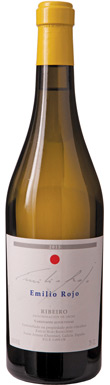
Emilio Rojo, Ribeiro 2015
This wine bewitches the mind and the senses with its refinement and understated complexity. Its unique profile is not down to any grape variety or winemaking practice, but to an origin. If there was one ‘terroir wine’ in this tasting, this was it. Wonderfully distinguished and delicately characterful. An icon! 98 Drink 2018-2024
Attis, Atalante, Rías Baixas 2015
Multi-layered fruity freshness – almost Albariño-like, but with distinctive minerality and a very long finish. The confirmation that Caíño Blanco is a top white variety, with great potential. This has great appeal. 95 Drink 2018-2022
Atrium Vitis, Silius Bucce, Galicia 2015
An original style, built upon lees contact, but keeping a distinctive aroma. Creamy, dense, long: a provocative drink for adventurous wine lovers, with real consistency and complexity. A wine to keep an eye on – there is something special here. 92 Drink 2018-2023
Sarah Jane Evans MW
Evans is a DWWA co-Chair and an award-winning journalist who began writing about wine in the 1980s. She is a recognised expert in Spanish wine and a member of the Gran Orden de Caballeros de Vino. A past Chairman of the Institute of Masters of Wine, Evans divides her time between wine writing, education and judging.
Emilio Rojo, Ribeiro 2015
This is the joy of blind tasting – suddenly encountering an astonishing wine! It’s a wine that makes you want to grab the bottle and a glass and share it with the world. Singingly pure, with passion fruit acidity. A unique treasure from Ribeiro. 96 Drink 2018-2024
Attis, Atalante, Rías Baixas 2015
There is more to Rías Baixas than its lovely Albariños. The local Caiño Blanco grape is still not often found unblended. Here, it starts charmingly, then develops fine complexity, with a lick of refreshing acidity. Very long. 95 Drink 2018-2022
Finca Viñoa, Ribeiro 2016
Another treat from Ribeiro, showing the quality and potential of the Treixadura grape. This is a relatively new project, reviving the terraces of the Avia Valley. Beautifully balanced, with exotic fruit notes and thrilling acidity. 95 Drink 2018-2021
Beth Willard
Willard started her wine career in events and promotions at Hardy’s Canberra winery, Kamberra, and then worked for a small family producer, Capital Wines. Making the shift to Europe, she spent a year working at the Syndicat de Bordeaux before moving into buying. As part of the buying team for Direct Wines, her specialties Spain and Eastern Europe.
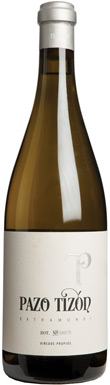
Pazo Tizón, Extramundi, Ribeiro 2016
I was really excited when this wine was revealed: I’ve loved it since tasting the first vintage, and great to see a top Ribera del Duero producer behind it. Ripe tropical, herbal fruit with a racy backbone and saline finish. 97 Drink 2018-2021
Emilio Rojo, Ribeiro 2015
A really unique and beautiful wine. It is fleshy and concentrated but still lively: it feels like it is dancing on your palate! Lemon sherbet, tropical fruit, wild herbs and a touch of white pepper on the finish. Delicious. 96 Drink 2018-2024
Lagar do Merens, Fermentado en Barrica, Ribeiro 2015
I don’t know this producer, so it was great to taste something new at this quality level. It’s rich but balanced with a creamy texture and flavours of green apple, peach and a lovely touch of pain d’épices. Needs to be enjoyed with food. 96 Drink 2018-2024
Galicia: the facts
Total area under vine (2016)
Rías Baixas: 4,048ha
Ribeiro: 2,232ha
Valdeorras: 1,351ha
Ribeira Sacra: 1,241ha
Monterrei: 467ha
Wine producers (red and white)
Rías Baixas: 6,031 growers, 170 wineries
Ribeiro: 5,782 growers, 115 wineries
Valdeorras: 2,721 growers, 18 wineries
Ribeira Sacra: 2,438 growers, 89 wineries
Monterrei: 381 growers, 24 wineries
Annual white grape production (2016)
Rías Baixas: 33.2 million kilograms
Ribeiro: 16.4 million kg
Valdeorras: 3.1 million kg
Monterrei: 3 million kg
Ribeira Sacra: 0.4 million kg
Galicia: know your vintages
2016 Widely considered an excellent vintage. Drink over the next five years.
2015 Variable because of issues with rot, but the average quality is quite high. Drink or keep.
2014 Challenging in Rías Baixas, but excellent in other appellations, Valdeorras in particular. Drinking well now.
2013 Cool, humid vintage. Most wines are uninteresting. Ribeiro is the exception, enjoying a great year. Drink.
Top Galician whites from the panel tasting:
See all 96 wines from the panel tasting
You may also like:
Txakoli: The Spanish wine style you need to try in 2018
Five great value Albariño wines under £20
Emilio Rojo, Ribeiro, Spain, 2015
97
Emilio Rojo left his engineering job at Siemens to pursue winemaking back in his native Galicia in 1987. He farms 4,200 vines on just 1.5ha of steep, north-facing vineyards around the town of Ibedo and limits bunches to about six per vine to boost concentration. The wine is 75% Treixadura blended with small amounts of Loureiro, Albariño, Lado, Torrontés and Godello. Only 5,000 bottles are made each year. Pedro Ballesteros Torres MW: A wonder of discretion and personality – an impossible complexity and an unusual pleasure. This is a unique, distinctive wine that sings of its origin. Great! Sarah Jane Evans MW: Vivid and fresh, with ripples of pure, zesty passion fruit acidity. Lively, long and characterful. Quite unique. Beth Willard: Lively saline nose leading to a fleshy concentrated palate lifted by exuberant acidity. White pepper and sherbet finish. Elegant.
2015
Emilio Rojo
Pazo Tizón, Extramundi, Ribeiro, Spain, 2016
91
This is the year to discover Ribeiro wines: famous in medieval times, now undergoing a revival. A glorious blend of local Galician varieties Treixadura, Albariño, Godello and Loureiro, with peachy richness and a saline finish. Made by Oscar Aragón of star Ribera del Duero bodega Cillar de Silos
2016
Pazo Tizón
Attis, Atalante, Rías Baixas, Spain, 2015
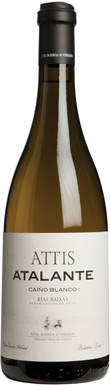

Attis is located in Val del Salnes in Morouzos, a small village on the slopes of Mount Penaguda overlooking the Arousa and Pontevedra estuaries. Several...
2015
Attis

Finca Viñoa, Ribeiro, Spain, 2016
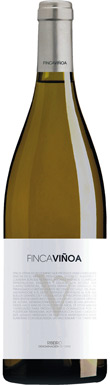
Finca Viñoa is a 10ha farm growing Treixadura, Godello and Albariño. The vineyards are on terraced plots of granite and schist soils at altitudes of...
2016
Finca Viñoa
Lagar do Merens, Fermentado en Barrica, Ribeiro, Spain, 2015
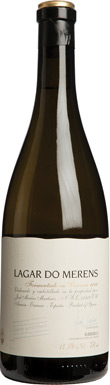
Lagar do Merens was founded in 2001 in the picturesque village of Arnoia, the current owners having restored the ancient stone and wood cellar. Native...
2015
Lagar do Merens
Coto de Gomariz, The Flower and the Bee, Ribeiro, Spain, 2016
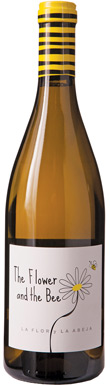
A Treixadura with a herbal, leafy aspect and pithy undertones. It is powerful in its greenness, but there is also a caramelised pineapple complexity, with...
2016
Coto de Gomariz
Señorío de Beade, Primacía Treixadura, Ribeiro, Spain, 2016
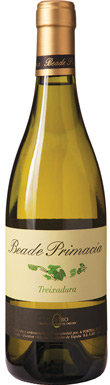
Aromatic and particular, this is a very pure Treixadura with green fruit and spice notes. Elegant but concentrated, with bright, frisky acidity, this is a...
2016
Señorío de Beade
Parente Garcia, Quinta do Avelino Treixadura, Ribeiro, Spain, 2015
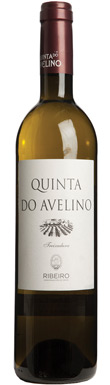
Complex white pepper and creamy aromas lead onto a stylish, rich palate with floral touches underneath caramel and pineapple tones. Spicy and sweet apricot and...
2015
Parente Garcia
Valmiñor, Davila L100, Rías Baixas, Spain, 2013
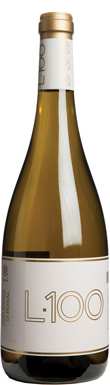
A floral, zesty, limey number that has typical laurel aromas and an extremely refreshing character from zippy acidity, tight minerality and sound structure. Could this...
2013
Valmiñor
Manuel Formigo, Finca Teira, Ribeiro, Spain, 2016
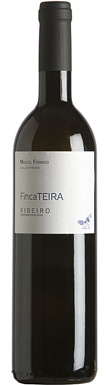
Original and distinctive, this wine showcases orange blossom and appealing green fruit, with a fine interplay of zesty characters and a lift of green apple....
2016
Manuel Formigo
Atrium Vitis, Silius VOS, Galicia, Spain, 2015
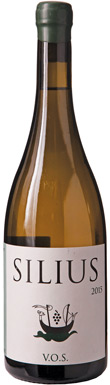
Aromatically intense with perfumed white flowers coming through. It is balanced and deceptively easy on the palate – full-bodied with honeysuckle, spice and clove and...
2015
Atrium Vitis
Pago de los Capellanes, O Luar do Sil Godello, Valdeorras, Spain, 2016
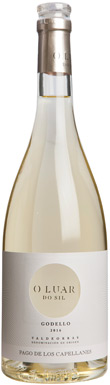
Plump, fleshy golden peaches come to mind on the nose, nicely balanced by a hint of spice. The palate has excellent minerality with a pleasant...
2016
Pago de los Capellanes
