
Global Blanc de Blancs: Panel tasting results
It wasn’t all about Chardonnay, and our judges relished the wide range of styles and fruit characters on show, awarding high scores across the board. Simon Field MW reports...


Entry criteria: Producers and UK agents were asked to submit dry sparkling wines made in the traditional method from only white grapes.
Scroll down to see the tasting notes & scores
The verdict
It was a very positive set of results, though it’s fair to point out that the majority of the wines tasted were from Europe, with only five in total from US and Australia combined and none from that stalwart of traditionally made fizz, Tasmania. A shame, as where there was healthy New World representation, ie South Africa, more than half the submissions (four of seven) scored 90pts or more.
Quick link: See all 89 wines from this panel tasting
And did Champagne dominate as some may have expected? Well, yes and no. Yes, in the sense that all but two of the nine wines which scored an average of above 91 points in our tasting were indeed Champagnes, implying extra nuance and complexity seldom found in other examples.But no for two reasons: firstly, a Champagne did not come top of the tasting; and secondly, despite there being 20 Champagnes tasted, fewer than half scored 90 or more. The corresponding statistic was higher for both England and South Africa, despite fewer entries. What’s more, an English wine, Wiston Estate’s 2011, came top overall, scoring 96 points.Susie Barrie MW correctly highlighted that some of the very top Champagnes did not enter – no Selosse or Pierre Peters or De Sousa, for example; but on the other hand those that did score highly are very well-regarded, often boutique houses such as R&L Legras and AR Lenoble.And what of the style – was the inferred finesse and elegance of blanc de blancs evidenced, and was the dominance of Chardonnay significant? Of the 89 wines tasted, as many as 53 were made entirely from Chardonnay. There is no denying the chameleon-like quality of Chardonnay and its undisputed suitability to bottle-aged sparkling, both of which resulted in a pleasingly broad stylistic palette, but it would have been nice to see a little more variety.It was encouraging therefore that some of the non-Chardonnay wines scored well; a superb Furmint from Slovenia, a poised Chenin Blanc from Stellenbosch and a revelatory Pinot Gris from England among them.Honourable mention must go to the Cavas. Recaredo’s Corpinnat 2007 reminded me, in a moment of pure indulgence, of a Bollinger RD – praise indeed!
Even if it was not classic Cava, its blend contained 30% Chardonnay. Andy Howard MW was excited to see some fine aged Cava performing strongly, showing individual style and often representing great value.
Finally, let us not forget that there is so much more to Italy than Prosecco, the Franciacortas all scoring very well; all distinct and finely rendered. The fact that Chardonnay dominated the tasting numerically should not therefore undermine that the church of blanc de blancs is broad.
A fascinating tasting, for all its ambition. The character of the wines ran the gamut from citric austerity to tropical indulgence, Chardonnay and its peers demonstrating a well-rehearsed diversity. Worthy of note, too, is that the four oldest wines (2009, 2008, 2007 and 2005, only two of which were Champagne) all scored well, at 91 and above, underlining an impressive ageing potential for this style.
Overall these wines are less savoury than their blanc de noirs siblings, and they’re probably better as an aperitif than a gastronomic pairing. The best examples, however, do not lack for length and depth, whether that be in the form of steely determination or a creamy seduction, all the while never forsaking the key virtues of poise and elegance which mark out the very best wines from this increasingly popular category.
The scores
89 wines tasted
Exceptional 0
Outstanding 5
Highly Recommended 28
Recommended 50
Commended 4
Fair 2
Poor 0
Faulty 0
The judges
Susie Barrie MW
A widely published wine writer, author and broadcaster, Barrie’s credits include more than a decade on BBC1. She has authored several books, including The Essential Guide to English Wine, co-written with her husband Peter Richards MW. Together the pair also co-host the annual Wine Festival Winchester.
Simon Field MW
Field was a buyer for Berry Bros & Rudd for more than two decades and now works as a consultant on areas which particularly interested him during that time. Champagne, the Rhône and Languedoc top the list in France, with Spain and the fortified category also featuring prominently.
Andy Howard MW
Howard is a Decanter contributing editor and Decanter World Wine Awards judge. Having become a Master of Wine in 2011, he now runs his own consultancy business Vinetrades Ltd, which focuses on education, investment and wine sourcing. He was formerly a wine buyer in retail for 30 years.
Blanc de blancs sparkling wine
Producers around the world are drawn to it, and consumers are enjoying it in ever greater quantities, but what makes a ‘blanc de blancs’? Simon Field MW sets the scene.
The term blanc de blancs does not suffer translation; there is an assumption that everyone knows what it is. Méthode traditionelle, on the other hand, is most famously associated with Champagne but usually translated as appropriate; there is, presumably, also an assumption that everyone knows what it actually means. What is for sure is that the latter describes what is generally deemed to be the most time consuming and expensive way to make sparkling wine, and the former a style which, it is inferred, majors in elegance and finesse.
How it’s done: Sparkling wine methods
The term ‘blanc de blancs’ refers to a sparkling wine that has been made exclusively from white grapes; blanc de noirs therefore only from black/red grapes. Chardonnay is the most prevalent example of the former, Pinot Noir of the latter – the two are usually blended in Champagne, often with Pinot Meunier, another black grape.
Traditional-method sparkling wine has undergone the second fermentation process and subsequent ageing in bottle, the yeasts in the bottle contributing to the complexity of flavours over time and subsequently removed by a process known as disgorgement. Other sparkling wines undergo a similar process in a larger vessel, usually a stainless-steel tank – or, in the least expensive versions, carbonated by injection. The most commonly used methods are Charmat, continuous and transfer – all variants
It’s helpful to remember that 4% of the world’s wine is sparkling and 0.4% is Champagne (about 320 million bottles). A significant but still relatively minor player in the grand scheme of things. There is no available statistic to relay precisely how much of the 4% total is made traditionally and how much by the tank method or similar, but it is safe to assume that the latter makes up the majority.
Sekt from Germany, for example, is virtually never made traditionally; in Italy only a small percentage of Prosecco is aged in the bottle. These two examples bring to the fore the fact that some sparkling wines are made to be soft, refreshing and immediately appealing. The complexity engendered by bottle ageing is not always appropriate or sought.
Ageing in bottle is more time-consuming and logistically more onerous, and the product will invariably be more expensive. The play-off for the connoisseur is the added weight and complexity bestowed by the ageing on lees, with the yeast undergoing a process known as autolysis, which translates to the famous biscuity, bready notes, perceived as hallmarks of Champagne. The fact that Cavas and crémants are also made in the traditional method underlines stylistic potential, all the more so as it brings different grapes into play.
Chardonnay and beyond
Despite the fact that the ‘blancs’ bit of the equation can obviously refer to any white grape or grapes, it seems that winemakers, if they land upon the idea of producing a blanc de blancs, will, as can be seen in our tasting, invariably use Chardonnay – the reflected glory of Champagne perhaps too tempting in a commercial sense. But there is more to it than that…
Cava’s trinity of varieties, Macabeo, Parellada and Xarel.lo, for example, lend weight and almost tropical notes to their sparkling wines, the warmer Spanish climate combining forces with the specific personalities of the grapes. Cava is undergoing a fascinating transformation at the moment, the category’s new sense of self-belief evidenced by breakaway geographical enclaves such as Corpinnat.
Conversely, at higher latitudes, blanc de blancs works well with crémants made from Pinot Gris in Alsace and Chenin Blanc from the Loire Valley. Betwixt the two, Chardonnay holds sway again in Burgundy as one might expect; further south, the fashionable Limoux also tends to use Chardonnay for its crémants, whereas the indigenous and fascinating Mauzac makes up 90% or more of the blend in its Blanquettes, thereby offering two diverse styles.
In England the tendency to follow the Champagne template again favours Chardonnay, but this is not always the case. With a record harvest under its belt in 2018, English wine has definitely arrived, a lot of it distinctively taut and crisp, but far more complex and interesting than a decade ago. The progress of English sparkling wines demonstrates once again the equation between the traditional technique and the inferred quality; the fact that more and more are made from white grapes underlines the slowly blossoming popularity of the blanc de blancs category. Spoken, the phrase has a nice ring to it; its wines, more importantly, are by turns fascinating, accessible and extremely well crafted.
Top Blanc de blancs from the panel tasting:
See all 89 wines from this panel tasting
You may also like
Australian fizz: Bubbling underHow does English sparkling wine compare to Champagne: The vintage categoryPanel tasting: Best Prosecco Conegliano ValdobbiadenesLambrusco: Back on the menu plus top wines worth tryingBest Cava sparkling wines from top producers
Wiston Estate, Blanc de Blancs Brut, South Downs, England, United Kingdom, 2011
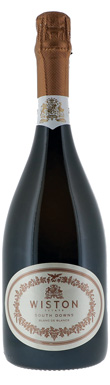

Located on the South-facing chalk slopes of the South Downs, Wiston Estate has been owned and farmed by the Goring family since 1743. The estate's...
2011
Wiston EstateSouth Downs

Castelnau, Blanc de Blancs Brut, Champagne, France, 2005
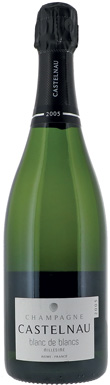
Champagne Castelnau recently celebrated their centenary in 2006, and today source their grapes from over 900 hectares across 155 unique crus, from over 750 growers....
2005
Castelnau
Lelarge-Pugeot, Blanc de Blancs Extra Brut Premier Cru, Champagne, France
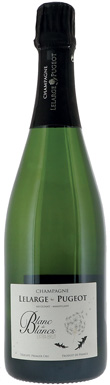
<p>From a family of winegrowers since 1799, Lelarge-Pugeot are based in Vrigny, a Premier Cru village located in Montagne de Reims. Certified both organic and...
Lelarge-Pugeot
Nicolas Feuillatte, Collection Blanc de Blancs Brut, Champagne, France, 2012
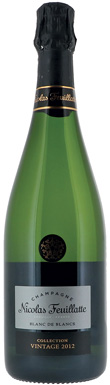
Founded in 1976, the eponymous Nicolas Feuillatte brand is part of Centre Vinicole-Champagne Nicolas Feuillatte, now the best selling Champagne brand in France, and the...
2012
Nicolas Feuillatte
Recaredo, Reserva Particular Brut Nature, Catalonia, Spain, 2007
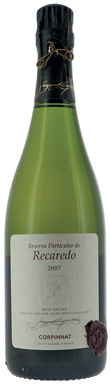
Recaredo's first Reserva Particular Brut Nature was produced in 1962, with the winery itself founded in 1924. A pioneer among Spanish sparkling producers, Recaredo focus...
2007
Recaredo
AR Lenoble, Blanc de Blancs Brut Grand Cru Chouilly, Grand Cru, Champagne, France, 2008
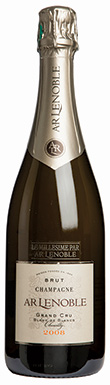
Lovely evolution on the nose, with rich tertiary mushroom and honeyed characters. Seductive, with acidity holding up well. Fine and fresh mousse- very classy.
2008
AR LenobleGrand Cru
Duval-Leroy, Pur Chardonnay Brut Réserve, Champagne, France
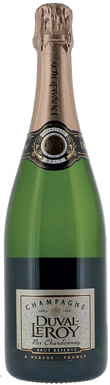
Classic Champagne in style. Crisp lemon notes, allied to some floral lift, with a gentle mousse and plush mid-palate. Has length, structure, and potential to...
Duval-Leroy
Paul Goerg, Blanc de Blancs Brut Premier Cru, Champagne, France
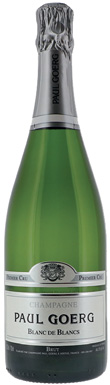
Attractive lemon mineral and roasted nut aromas, with a bready character and plenty of personality on the palate. Brigh, zesty fruit, and a good finish.
Paul Goerg
R&L Legras, Blanc de Blancs Brut Grand Cru, Champagne, France
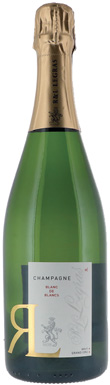
Powerful and focused, with a real undercurrent of finesse and concentration. Lime and citrus adorn nose and palate alike, with a firm balustrade of acidity.
R&L Legras
Argyle, Spirit Hill Vineyard Blanc de Blancs Brut, Willamette Valley, Eola-Amity Hills, Oregon, USA, 2014
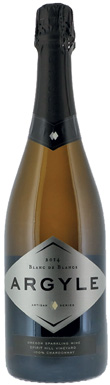
Citrus, hints of honey, jasmine and even a whisper of red fruit, showing good complexity. Attractive and characterful, will develop even further in bottle.
2014
ArgyleWillamette Valley
Dominio de la Vega, Reserva Especial Brut, Cava, Catalonia, Spain, 2013
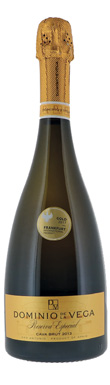
Aromatics of peat, herbs and ripe citrus. Still very fresh on the palate, with tropical fruit flavours and a shard of bright acidity to balance.
2013
Dominio de la VegaCava
Dveri Pax, DP Brut Nature, Štajerska, Podravje, Slovenia
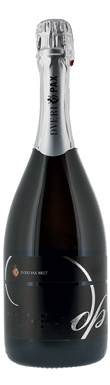
Attractive nose showing floral notes of jasmine and a hint of rose. Soft and elegant mousse, combining with very nice acidity. Well-made.
Dveri PaxŠtajerska
Ferrari, Perlé Bianco Riserva Brut, Trento, Trentino-Alto Adige, Italy, 2009
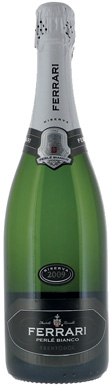
Rich and ripe, yet still elegant with a fine mousse and lovely purity of flavour. Citric-lime characters, with hints of white pepper and soft spice.
2009
FerrariTrento
Fox & Fox, Inspiration Blanc de Blancs Brut, East Sussex, England, United Kingdom, 2013
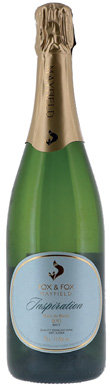
Full of character, a very interesting Pinot Gris. Rich stewed fruit character, with a fine mousse and lovely acidity to keep everything fresh.
2013
Fox & FoxEast Sussex
Laborie, Le Traditionnel Blanc de Blancs Brut, Western Cape, South Africa, 2011
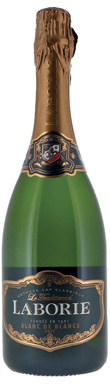
Very elegant, restrained yet complex wine showing lovely development. Creamy savoury mushroom aromas, with fig, nectarine and peach on the palate.
2011
Laborie
Ricci Curbastro, Satèn Brut, Franciacorta, Satèn, Lombardy, Italy, 2015
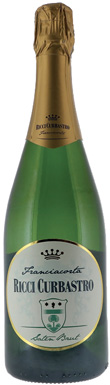
A persistent mousse, with aromatics dominated by lime, verbena and tangerine. Some savoury notes allied to a saline character. Long finish, showing good typicity.
2015
Ricci CurbastroFranciacorta
Wiston Estate, Goring Blanc de Blancs Family Release Brut, South Downs, England, United Kingdom
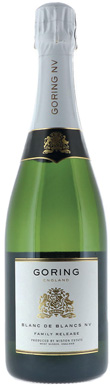
Archetypical English fizz. Herbal and nutty notes on the nose, leading to a citrus infused palate with a fleshy and vibrant finish. Very well put...
Wiston EstateSouth Downs
Bailly-Lapierre, Chardonnay Brut, Crémant de Bourgogne, Burgundy, France
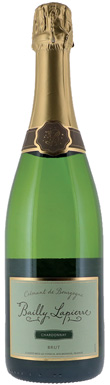
Plenty of bright lemon character, with some verbena and spice. A fine mousse, and a crisp, elegant palate. Eminently drinkable.
Bailly-LapierreCrémant de Bourgogne
Billecart-Salmon, Blanc de Blancs Grand Cru, Champagne, France
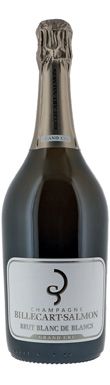
Billecart-Salmon's non-vintage blanc de blancs is consistently a wine of some intensity and force, coming from a selection of particularly low-yielding vineyards in the grand...
Billecart-Salmon
Castel Faglia, Monogram Millesimato Brut, Franciacorta, Lombardy, Italy, 2011
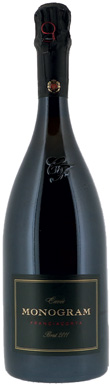
Aromatics of lime and citrus, with ripe stone fruits in support. A complex yet nicely defined finish with a fine mousse. Classy.
2011
Castel FagliaFranciacorta
De Morgenzon, Methode Cap Classique Brut, Stellenbosch, South Africa
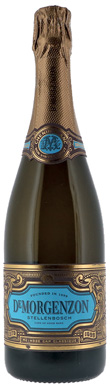
Creamy, slightly honeyed style but with lovely purity and crisp acidity. Lively mousse and a luxurious texture, driven by layers of rich, ripe fruit.
De Morgenzon
Domaine J Laurens, Le Moulin Brut, Blanquette de Limoux, Languedoc-Roussillon, France
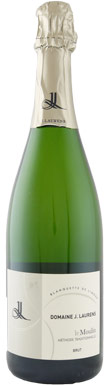
90
Bruised red apple notes underlying some delicate floral hints. Soft, grassy and approachable, leading to a strong finish. Shows lots of character.
Domaine J LaurensBlanquette de Limoux
Ferghettina, Riserva 33 Brut Nature, Franciacorta, Lombardy, Italy, 2011
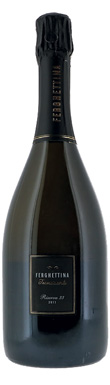
Enticing rich smoky caramel and cream aromas, with a very fine, delicate mousse. Well judged acidity, and excellent fruit concentration.
2011
FerghettinaFranciacorta
Hattingley Valley, Blanc de Blancs Brut, Hampshire, England, United Kingdom, 2013
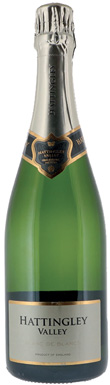
Impressive aromatics of citrus and floral notes, with hints of chalk and fig. Delicious integrated mid-palate, and an elegant finish.
2013
Hattingley ValleyHampshire
Langham Wine Estate, Blanc de Blancs Reserve Brut, Dorset, England, United Kingdom, 2015
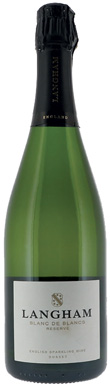
Immediately creamy and richly oaky with some tertiary mushroom notes. Palate is full of lively, tangy acidity and vibrant fruit.
2015
Langham Wine EstateDorset
Lantieri de Paratico, Satén Brut, Franciacorta, Satèn, Lombardy, Italy
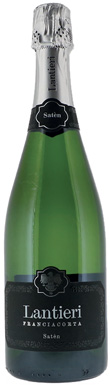
Stone-fruit nose with some lime sherbet character. Expressive, with real purity of flavour complemented by a fine mousse.
Lantieri de ParaticoFranciacorta
Moreson, Solitaire Brut, Franschhoek, South Africa
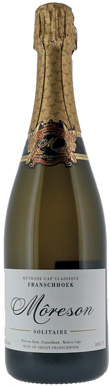
Showing good evolution on the palate and nose, with some wonderful tertiary notes. Nicely delineated fruit on the palate. Crisp and persuasive.
Moreson
Pierre Bertrand, Blanc de Blancs Brut, Champagne, France, 2014
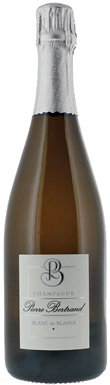
Toasty peach characters and some obvious oak influence. Fresh and fruity on the palate, enriched with creamy complexity.
2014
Pierre Bertrand
Recaredo, Serral del Vell Brut Nature, Corpinnat, Catalonia, Spain, 2011
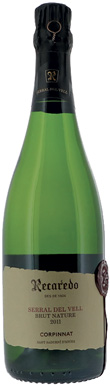
Appealing, with a touch of butter leading to flavours of peaches and cream. Displays some development and tertiary notes, with a hint of mushroom.
2011
RecaredoCorpinnat
Ridgeview, South Ridge Blanc de Blancs Brut, Sussex, England, United Kingdom, 2014
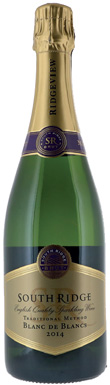
Big and broad textured, demonstrating wonderful finesse. Pure flavours of white peach and mandarin, and a long finish. Stylish.
2014
RidgeviewSussex
Saronsberg, Methode Cap Classique Brut, Tulbagh, South Africa, 2015
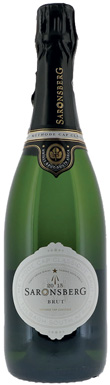
Full-bodied and firm, with intense lemon mineral aromas and a lovely hint of white pepper. Shows finely drawn fruit and impressive length.
2015
Saronsberg
Schloss Gobelsburg, Blanc de Blancs Brut, Niederösterreich, Austria
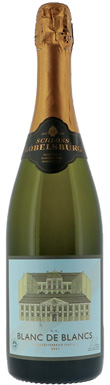
Rounded and indulgent, with a broad, warming palate. Lots of baked apple fruit, with a mouthwatering acidity.
Schloss Gobelsburg
Willm, Prestige Brut, Crémant d’Alsace, Alsace, France
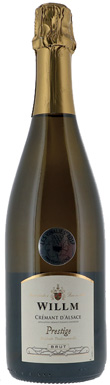
Rich baked apple fruit, with distinct oak character and a line of zesty lemon acidity. Complex and interesting, with a hint of salinity.
WillmCrémant d’Alsace
