
High-altitude Malbec: Top 20 to seek out
Argentinian Malbec’s association with the Andes is firmly established. But in recent years wine-growers are going even higher in their quest for freshness and precision. Our expert’s selection of top reds well illustrates the benefits of these high-altitude terroirs.


Any discussion of viticulture in Argentina will inevitably include the Andes and the effect of high-altitude landscapes on the country’s wines, especially Malbecs. The intense, flavourful character that red wines develop in this South American country is a direct result of the arid, sunny terroirs that can be found in the Andean foothills.
Scroll down to see tasting notes and scores for 20 high-altitude Malbecs
Over the past 20 years, however, wine-growers and oenologists have been working hard to better understand the effects of high-altitude terroirs. This has led to a striking evolution in the wines being produced.
Many have come to the conclusion that vineyard plantings need to go even higher up the mountains to obtain fresher, more precise styles. Hence the term ‘High-Altitude Malbec’ has come into vogue, in order to differentiate the refined but vibrant wines made at these extreme heights.
High ambitions
For years, it was believed that the main determining factor at altitude was the intense solar radiation. It’s true that grapes receive more UV rays the higher you go – encouraging the development of thicker skins and thus more colour, tannic structure and body in the Malbecs. But it’s also the case that temperatures get cooler.For every 150m you go up a mountain, the temperature drops by 1°C.
Traditionally, the vineyards of Argentina were located in warm, arid, sunny areas. So it was inevitable that Argentinian Malbec’s association with the Andes is firmly established. But in recent years wine-growers are going even higher in their quest for freshness and precision. Our expert’s selection of top reds well illustrates the benefits of these high-altitude terroirs winemakers looking for cooler conditions that would help to create greater natural acidity would be tempted to go further up the slopes, pushing the boundaries ever higher.
That quest for the vibrant natural freshness that creates more elegant wines started in Mendoza – Argentina’s main wine-growing region – with the development of promising areas of the Uco Valley. Here, vineyards start at about 1,000m above sea level.
For example, in Gualtallary, Argentina’s star region right now, vines are being grown as high as 1,600m by Terrazas de los Andes to produce its Parcel El Espinillo Malbec, a red of uncommon tension. Meanwhile, in San Pablo, a region that ranges between 1,280m-1,700m, Salentein, Tapiz, Trivento and Zuccardi are taking on the challenges of the height and cold to produce some superb wines.
Elsewhere in the valley, a winery in Uspallata is growing Malbec at a height of nearly 1,900m and obtaining an exquisitely fluid, fruity and herbal character as a result. Over in the province of San Juan, plantings in the Pedernal Valley, at 1,400m above sea level, have transformed the reputation of Malbec from the area.
However, further to the north in Argentina, in the Calchaquí Valleys, viticulture has always begun at a height of 1,500m. In spots such as Luracatao, Pucará, Molinos, Cachi or Payogasta, in Salta province, and the Quebrada de Humahuaca in Jujuy, terroirs can be found set at between 1,980m and 3,080m above sea level. They are producing Malbecs with bewitchingly exotic, raw profiles.
While it would be foolhardy to try to apply a general description to all high-altitude Malbecs, producers are increasingly opting to bring out the fruity, floral and herbal qualities of the grape, supported by juicier, tarter palates. This is certainly true of the 20 labels I’ve selected, as follows.
20 top high-altitude Malbecs to try
Related articles
- Best Malbec wine: Top Argentinian bottles
- Value Argentinian Malbec: panel tasting results
- South American Cabernet Sauvignon: setting the standard
Catena Zapata, Adrianna Vineyard Mundus Bacillus Terrae Malbec, Uco Valley, Gualtallary, Mendoza, Argentina, 2019
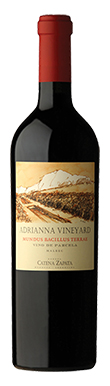

Made by Alejandro Vigil, this wine comes from the highest part of the Adrianna Vineyard at 1,390m, where the alluvial soils are rich in calcium...
2019
Catena ZapataUco Valley

Bemberg, La Linterna Finca La Yesca Parcela #13 Malbec, Pedernal Valley, San Juan, Argentina, 2018
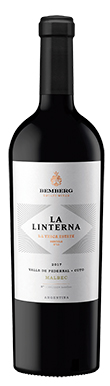
Daniel Pi has sourced fruit from 1,400m to produce this outstanding Malbec, which was aged for 18 months in foudres and barrels. A vivid purple...
2018
BembergPedernal Valley
Terrazas de los Andes, Parcel Los Castaños Malbec, Uco Valley, Altamira, Mendoza, Argentina, 2019
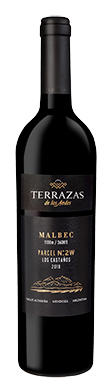
This single-parcel Malbec was 30% oak-aged for 12 months. A fragrant, substantial wine with a nose of ripe plum, violets and lavender over aromas of...
2019
Terrazas de los AndesUco Valley
Altos Las Hormigas, Appellation Paraje Altamira Malbec, Uco Valley, Altamira, Mendoza, Argentina, 2020
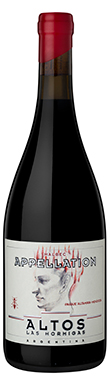
Paraje Altamira is one of Uco’s top terroirs and Alto Las Hormigas’ organic vineyard here, Jardín de Altamira, provides the grapes for this excellent Malbec...
2020
Altos Las HormigasUco Valley
Argento, Single Block 1 Paraje Altamira Malbec, Uco Valley, Altamira, Mendoza, Argentina, 2019
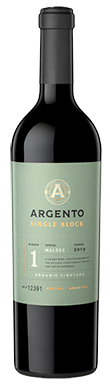
The precision achieved by Juan Pablo Murgia with this exquisitely energetic wine is quite striking. Aged for 16 months in foudres, it has aromas that...
2019
ArgentoUco Valley
Bodega Colomé, Altura Máxima Malbec, Calchaquí Valley, Salta, Argentina, 2018
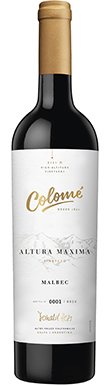
The grapes for this Malbec made by Thibaut Delmotte were grown at 3,100m in Payogasta, which accounts for its extreme, exotic character. The wine was...
2018
Bodega ColoméCalchaquí Valley
Doña Paula, Selección de Bodega Malbec, Uco Valley, Gualtallary, Mendoza, Argentina, 2019
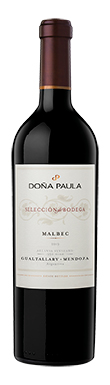
Doña Paula’s flagship wine hails from the Alluvia vineyard at 1,340m, with its stony, limestone-rich soils. The wine is aged 20 months in 50% new...
2019
Doña PaulaUco Valley
Escorihuela Gascón, Organic Vineyard Malbec, Uco Valley, Mendoza, Argentina, 2021
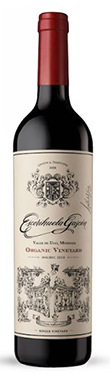
Pampa El Cepillo is one of Uco’s most recently announced GIs and boasts a distinctively cool climate. Here, using grapes from a biodynamically certified vineyard,...
2021
Escorihuela GascónUco Valley
Arca Yaco, Amar y Vivir Malbec, Calchaquí Valley, Salta, Argentina, 2019
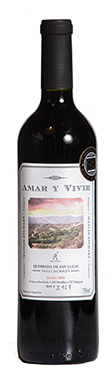
This elegantly substantial Malbec (which includes a 10% dash of Cabernet Sauvignon) was made by Matías Etchart using grapes from his vineyard at 2,630m in...
2019
Arca YacoCalchaquí Valley
Estancia Uspallata, Uspallata Malbec, Mendoza, Argentina, 2019
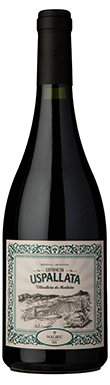
Made with grapes from the highest vineyard in Mendoza, set in an Andean ravine at 1,900m, where the soils are a mixture of stone, sand,...
2019
Estancia Uspallata
Per Se, Inseparable Malbec, Uco Valley, Gualtallary, Mendoza, Argentina, 2019
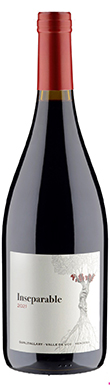
For this entry-level Malbec, David Bonomi and Edgardo Del Popolo have selected grapes from the less calcareous parcels of their spectacular Monasterio vineyard in one...
2019
Per SeUco Valley
Valle Arriba, El Pucareño Malbec, Calchaquí Valley, Salta, Argentina, 2019
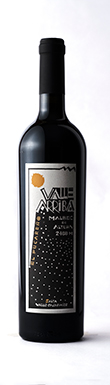
The Pucará sub-region which gives this wine its name is a remote outpost in the Calchaquí Valley, set at 2,380m. Malbecs made here tend to...
2019
Valle ArribaCalchaquí Valley
Vinyes Ocults, Maceración Carbónica Malbec, Uco Valley, Mendoza, Argentina, 2021
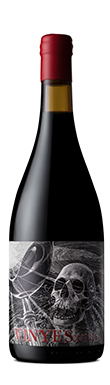
Tomás Stahringer is an innovative Mendozan winemaker whose carbonic-macerated Malbec has become a hit wine. He chooses grapes from La Consulta, producing a wine with...
2021
Vinyes OcultsUco Valley
Zuccardi, Polígonos San Pablo Malbec, Uco Valley, Tunuyán, Mendoza, Argentina, 2021
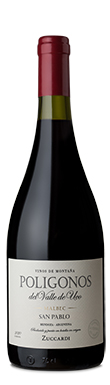
For this unoaked Malbec, Sebastián Zuccardi uses grapes from a vineyard in the San Pablo Geographic Indication (GI) at 1,400m – one of the coolest...
2021
ZuccardiUco Valley
Agustín Lanús, Sunal Ilógico Malbec, Calchaquí Valley, Salta, Argentina, 2019
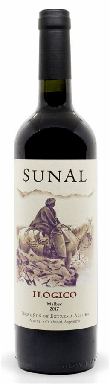
Aged for 15 months in neutral oak and stainless steel, this wine from northwest Argentina blends grapes from Pucará (at 2,380m in Salta), Amaicha del...
2019
Agustín LanúsCalchaquí Valley
El Esteco, Fincas Notables Malbec, Cafayate Valley, Salta, Argentina, 2018
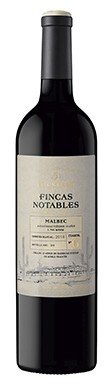
El Esteco head oenologist Alejandro Pepa made this wine using grapes from the La Colección vineyard at 1,800m, resulting in an authentically high-altitude character. Aged...
2018
El EstecoCafayate Valley
El Porvenir de Cafayate, Laborum de Parcela Finca Alto Río Seco Malbec, Cafayate Valley, Salta, Argentina, 2020
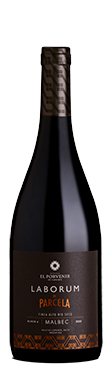
Río Seco is a vineyard 1,750m to the south of Cafayate, where Francisco ‘Paco’ Puga harvests the grapes for this wine. Fermented with native yeasts...
2020
El Porvenir de CafayateCafayate Valley
Norton, Altura Malbec, Uco Valley, Mendoza, Argentina, 2020
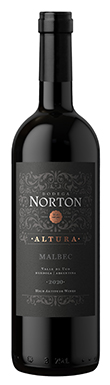
This Malbec is made by David Bonomi with grapes from a vineyard in Los Chacayes – one of the Uco Valley’s most interesting GIs that’s...
2020
NortonUco Valley
Pyros, Single Vineyard Block #4 Malbec, Pedernal Valley, San Juan, Argentina, 2018
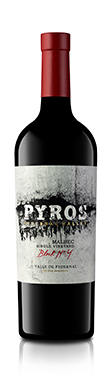
The Pyros vineyard boasts silex-rich calcareous soils that lend an exotic profile to its wines. Made by Paula González, the Block #4 was barrel-aged for...
2018
PyrosPedernal Valley
Flechas de los Andes, Aguaribay Malbec, Uco Valley, Vista Flores, Mendoza, Argentina, 2020
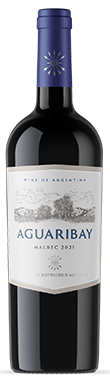
This entry-level Malbec is an authentic mountain wine that offers excellent value for money. Just 30% was oak-aged, resulting in a modern, free-flowing style with...
2020
Flechas de los AndesUco Valley
