
What makes a premium rosé plus 12 to seek out
The success of rosé stems from its fresh, simple and easy to drink nature, but while we may be used to premium red and white wine priced over £25/ $30, discussing rosés above this price elicits surprise, with £20 considered the glass ceiling for premium rosé. So, how can rosé ever achieve the complexity required to reach such elevated status?

Weight, complexity and ageability are all important qualities to look out for in premium wines. Many garner cult followings and excite hot passion and buying frenzies. But what else makes these types of wine so premium and sought after?
Are they rare and made in tiny quantities? Atypical? Fantasy projects? Or are they creative examples of what a wine might achieve outside of the constraints of commercial pressure? This debate is particularly true of premium rosé.
Scroll down to see Elizabeth Gabay MW’s top picks of premium rosé wine to try
Fans of the fresh, simple style of rosé regard oak use as a betrayal of the essence of rosé. Oak characters or greater structure can shock. Some Provence producers are firmly against putting rosé in oak. But good oak-aged rosé will have the weight and extract to support the oak, creating more powerful, complex wines.
High-end aged and oaked rosés, such as the Viña Tondonia rosé from sought-after Rioja producer López de Heredia, have become part of the establishment. Releasing older vintages is a break from tradition.
Behind-the-scenes conversations with winemakers reflect some frustration with this constant demand for pale, fresh and uncomplicated rosé, contrasted with the winemakers’ desire to be more artistic.
Often made in smaller volumes, premium styles of rosé don’t fly off the shelf as quickly, not just because of their higher price, but because they are different, either in terms of colour, structure, use of oak or even origin. Sometimes unexpected creativity can produce a slightly shocking result.
The colour of rosé doesn’t always indicate quality. Find out more here
Bandol rosés are often complex, structural and long-lived, especially if they are Mourvèdre-based (although there are a growing number made in the Provence-style). Some are fermented and aged in oak or amphora and all are released with some age. However, only Domaine Tempier sells above £25.
The word ‘Provence’ is still a major selling point when it comes to rosé, and although exciting rosés come from other regions, Provence is still the source for most premium priced rosé.
There are many other different rosés which show great flair and creativity, but didn’t make the list as they fall into the slightly lower price bracket of £20-£25. In fact, this price bracket can be a minefield as there are many wines which are superb – think Bandol, Tavel and Clos Cibonne – but also many others which are less exciting and still priced relatively high, based on a marketing image.
See Elizabeth Gabay MW’s recent article on full-bodied rosés here
Most rosé is selected by its colour and presented in a clear bottle. Less than 10% is bottled in dark glass. But among premium rosé, the number of wines bottled in dark glass is higher, protecting the wine from light strike and also rendering the bottle recyclable. It also tends to indicate a producer who is rising above selection by colour.
Serious rosés are best drunk at around 12C, not fresh from the fridge, and when youthful can benefit from decanting.
Making rosé wine
There are three main methods of making rosé wine: direct press, saignée, and blending.
At its most basic level, a pale pink rosé is made from red grapes, usually harvested around two weeks prior to the red wine harvest. The grapes are chilled to prevent colour leaching out, and are then gently pressed. The smaller the press, the shorter the time the grapes spend on the skins. The juice is then fermented in stainless steel tanks at cool temperatures ranging from 10 to 18C.
The saignée method typically involves taking a proportion of pink-tinged juice out of a tank destined to make red wine.
Depending on the yeast used, different fruit profiles are accentuated. After fermentation, some rosés sit on the lees for a couple of months, but many are bottled quickly and are ready for drinking by February and are best consumed within the year.
Some added weight and structure can be obtained through slightly longer skin contact or a small addition of juice bled off the red wine.
Premium rosé wine to try:
Related content:
Best rosé wines for summer
Walls: Tavel and its unexpected revolution
Top rosé Champagne to try
Gérard Bertrand, Clos du Temple, Cabrières, Languedoc-Roussillon, France, 2021
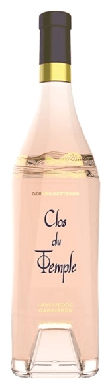

Pale creamy white. Perfumed aromas of lemons and lavender. On the palate, the oak is well integrated, with notes of creamy, honeyed richness and white...
2021
Gérard BertrandCabrières

Domaines Ott, Étoile, Vin de France, Provence, France, 2021
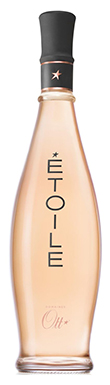
Creamy ripe red fruit, floral notes and garrigue aromas, showing similarity to Domaines Ott’s Château de Selle 2021. On the palate there’s juicy cherries, raspberries,...
2021
Domaines OttVin de France
Balfour Winery, Mary Rose Pinot Noir, Kent, England, United Kingdom, 2020
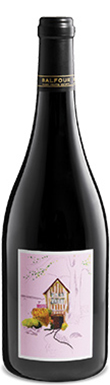
Salmon pink with hints of oak on the nose. On the palate, the oak is subtle and restrained, with notes of sweet nuts and coffee...
2020
Balfour WineryKent
Château d'Esclans, Garrus, Côtes de Provence, Provence, France, 2020
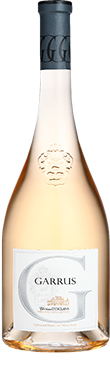
Golden-white colour. Subtle oak on the nose, becoming more evident on the palate with gentle smoky, vanilla, honey, nuts and spice. The high percentage of...
2020
Château d'EsclansCôtes de Provence
Château Léoube, Singulier, Côtes de Provence, Provence, France, 2021
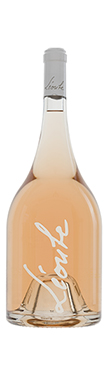
Unusually, the rosés of Léoube allow for malolactic fermentation, a bold move on the part of winemaker Romain Ott, and the creamy ripeness gives this...
2021
Château LéoubeCôtes de Provence
Château Font du Broc, Côtes de Provence, Provence, France, 2018
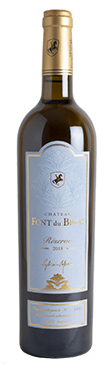
Classically pale, but very different on the palate with both malolactic fermentation and eight months ageing in barrel. Intriguing aromas of lilac, lavender, white peach,...
2018
Château Font du BrocCôtes de Provence
Domaine de Rimauresq, Cuvée Rebelle, Côtes de Provence, Cru Classé, Provence, France, 2020
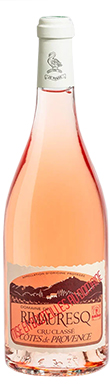
Even the name says rebel! Here the winemaker has returned to a traditional style, bleeding the juice from longer macerated grapes which will then go...
2020
Domaine de RimauresqCôtes de Provence
Ludovic Engelvin, The Radiant, Gard, Languedoc-Roussillon, France, 2020
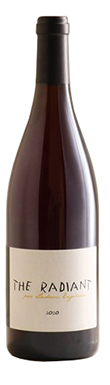
Light red in colour, this has intense dark cherry and fresh cranberry fruit with the spice of garrigue, a hint of cedar, lively acidity and...
2020
Ludovic EngelvinGard
Domaine Rabiega, R Rosé, Côtes de Provence, Provence, France, 2020
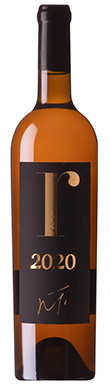
First harvest for new owners, this rosé was harvested slightly later to give soft supple ripeness complimented by the sweetness of the new oak. Ripe...
2020
Domaine RabiegaCôtes de Provence
Estandon, Ceux de 1906, Coteaux Varois en Provence, Provence, France, 2020
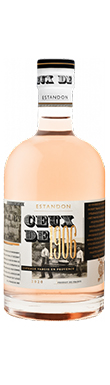
Not often that a cooperative rocks the boat on rosé innovation, but this winery has used an innovative twist on traditional winemaking to create a...
2020
EstandonCoteaux Varois en Provence
Alexandre Bonnet, La Forêt Rosé des Riceys, Champagne, France, 2018
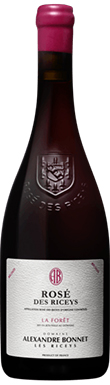
Very little still rosé is made in Champagne, and those of Les Riceys are made in a unique, historic style which bridges rosé and red...
2018
Alexandre Bonnet