Top rosé Champagne to try
This ever popular style of Champagne is often more expensive than its white counterparts, but offers a number of great food pairing options and is well placed as a Valentine's Day treat.


In 2023 global Champagne shipments fell by around 8% to 299 million bottles but Champagne remains a firm favourite with UK customers and is particularly popular as a celebration wine.
With Valentine’s Day on the horizon, rosé Champagne is in sharp focus right now. This is a category which has been on the rise for a while, but how is rosé Champagne made and what should it be paired with?
See the results of the Decanter vintage rosé Champagne panel tasting
Rosé on the rise
While non-vintage rosé Champagne is still a popular choice with consumers, sommelier Jan Konetzki notes that vintage and prestige cuvée rosé Champagnes are gaining traction, particularly in restaurants.
It’s easy to see why, as many of the best examples can work brilliantly at the dinner table – whether it’s Valentine’s Day or not.
The list below features rosé Champagnes reviewed by our experts and available at a range of prices, with some great value options to more expensive choices over £300 a bottle.
How rosé Champagne is made
There are two ways to achieve the pink hue of rosé Champagne: rosé d’assemblage or saignée.
Rosé d’assemblage
Champagne is the only region where the blending of red and white wine is permitted for the production of rosé wines, and it is common across quality levels.
A small amount of red wine made from Pinot Noir and/or Pinot Meunier is added to the white base wine prior to its second fermentation. The percentage of red wine added at this stage depends on the producer’s preference and can vary from 5% to more than 15%.
The aim is to ensure that the freshness and tension of the Champagne is maintained. Carine Bailleul, chef de cave at Champagne Castelnau, says her goal is ‘to have a fine balance between fruitiness, sweetness, colour and acidity’.
It goes without saying, therefore, that the red wine added should be of high quality. It not only contributes colour to the finished Champagne, but also flavour and texture.
Saignée
The saignée method involves bleeding off the pink-tinged juice from macerating red grapes.
Louis Roederer uses a version of this technique alongside cold maceration to make Cristal rosé, for instance.
The Fleur de Miraval variant uses the saignée method, blended with top Chardonnay, according to winemaker Rodolphe Péters, who worked on the project alongside Brad Pitt and the Perrin family.
How rosé Champagne tastes
It is difficult to generalise about what rosé Champagne tastes like because styles can vary, yet many will have noticeable red berry characters alongside citrus such as grapefruit and orange. In more complex styles, such as vintage rosé, you might find this balanced with the traditional autolytic flavours of Champagne, such as brioche or bread-like aromas, associated with ageing on lees.
Rosé Champagne and food pairing
Pink Champagne is versatile when it comes to food pairing. Richer styles can stand up to bigger flavours and richer foods, while the more delicate, fruit-driven wines make for a stylish aperitif. Sweeter styles such as demi-sec are a great match for fruit-forward desserts.
Konetzki recommends ‘a colossal, Pinot Noir-heavy prestige cuvée like Bollinger La Grande Année Rosé with Peking duck’. The plum sauce in the dish matches the sweet plummy flavours in the wine.
He suggests a beetroot Wellington with something like the Philipponnat Clos des Goisses Juste Rosé. The pastry-rich, fruity, earthy flavours in the wine pair perfectly with the sweet, earthy beetroot.
For extra glamour, add some preserved black truffles into the dish and try it with a 20-year-old vintage rosé Champagne for a superb – yet fairly pricey – match.
Rosé Champagnes to try for Valentine’s Day
Related articles
- Sparkling rosé wines for Valentine’s Day
- A guide to non-vintage Champagne
- First Taste: Billecart-Salmon 2016 & Le Clos St-Hilaire 2007
Fleur de Miraval, ER2 Exclusivement Rosé Brut, Champagne, France NV
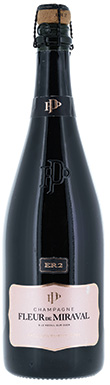

75% Chardonnay, 25% Pinot Noir. The 2021 edition of this powerful rosé Champagne has a complex nose with notes of shiitake, preserved cherry and citrus...
Fleur de Miraval

Taittinger, Comtes de Champagne Brut Rosé, Champagne, France 2009
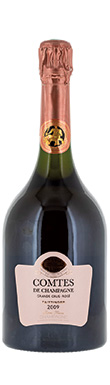
With its compelling notes of black cherry, citrus including grapefruit, spice and pastry, this has an alluring, even bewitching bouquet of striking complexity. The mouthfeel...
2009
TaittingerChampagne
Bruno Paillard, Nec Plus Ultra Rosé Extra Brut, Champagne, France 2008
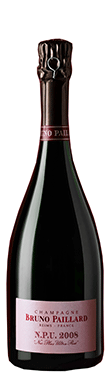
A small red wine addition creates this cuvée, which is an equal split between grand cru Chardonnay and Pinot Noir, fermented entirely in small oak...
2008
Bruno Paillard
Dom Pérignon, Rosé, Champagne, France 2009
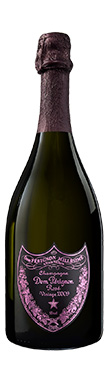
With a 13% red wine addition, this is slightly less vinous than the 2006 (which saw 20%), yet still lays closer to this bold, sunny...
2009
Dom Pérignon
Henriot, Rosé Millésimé Brut, Champagne, France 2012
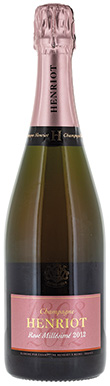
After a worrying start to the 2012 growing season, a warm summer resulted in good ripeness come harvest. The blend of 60% Pinot Noir and...
2012
Henriot
Philipponnat, Clos des Goisses, Juste Rosé, Champagne, France 2012
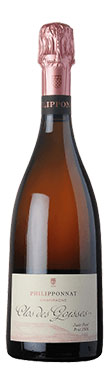
This thrives on its intensity of fruit, feeling relatively elegant in body yet deep in aroma and flavour. While its dark, almost gamey fruit tones...
2012
Philipponnat
Gosset, 12 Ans de Cave Minima Rosé, Champagne, France
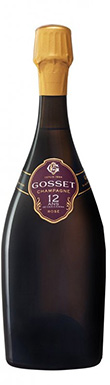
The amber-golden colour of the wine is flecked with pink and the nose opens with notions of rosehip tisane and dried raspberry leaf. The palate...
Gosset
Louis Roederer, Rosé, Champagne, France 2016
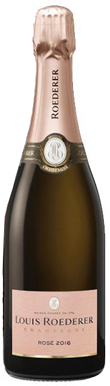
A nose full of rose petals with orange skin and berry fruits, not as expressive as some of the other Champagnes in the masterclass but...
2016
Louis Roederer
Bollinger, Brut Vintage La Grande Année Rosé, Champagne, France 2012
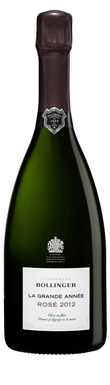
The 2012 vintage is a muscular, vinous rosé despite using more Chardonnay than usual (67%), and less red wine (5%). The colour is an elegant...
2012
Bollinger
Fleury, Rosé de Saignée, Champagne, France
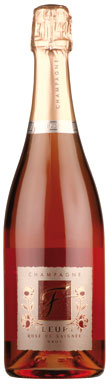
This exuberant wine seems contradictory – it has a deep colour and a very vinous texture, yet it is drier and more elegant than one...
Fleury
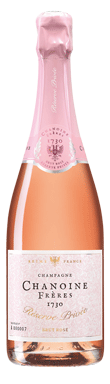
Chanoine Frères, Réserve Privée Brut Rosé, Champagne, France NV
92
A new and impressive addition to Majestic's Champagne line-up, this rosé represents fantastic value for money at the mix six price. Chanoine Frères has a long history in the region, established in 1730, but it's also been a pioneer, its cellarmaster Isabelle Tellier one of the first women to hold the position in a Champagne house when she was appointed back in 2001. Majority Pinots Noir and Meunier, this elegant and full-bodied Champagne includes 10% of red wine in the blend, from grapes grown mainly in the famous Les Riceys rosé area. It's quite vinous in style, with masses of juicy red berry fruit – wild strawberry and raspberry – and a good backbone. Dosage: 7g/L.
Chanoine Frères
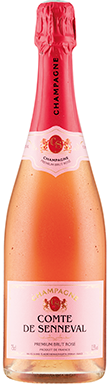
Comte de Senneval, Rosé Brut, Champagne, France NV
92
Generous with summer pudding fruit and a keen mousse which fills the mouth with fizz. A touch of sweetness adds style and versatility. Rounded, with strawberry fruit and chirpy acidity. Very drinkable.
Comte de Senneval
Drappier, Les Riceys Rosé Brut Nature, Champagne, France NV
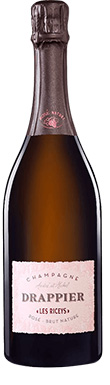
Due to the name, this delightful Champagne didn't win Drappier any friends from Les Riceys, yet it is 100% Pinot Noir from that village. The...
Drappier
Deutz, Rosé, Champagne, France 2013
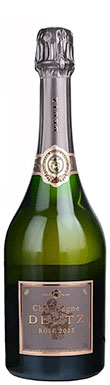
Despite being composed of 100% Pinot Noir from around the Montagne de Reims, Deutz's rosé is surprisingly delicate in 2013. It’s tight, fine and linear...
2013
Deutz
Devaux, Oeil de Perdrix Rosé, Champagne, France NV
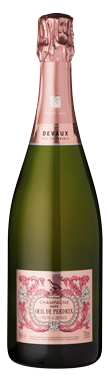
91
Offering great value for money at the mix-six price, this rosé is 80% Pinot Noir, mostly from Les Riceys, an area in the Champagne region famous for its high-quality Pinot Noir. The grapes are picked late in the harvest to maximise flavour, and only the first press is used, which is always a sign of quality. The wine spends at least four years on lees in bottle, far beyond the regulatory minimum period. It's quite a serious style of rosé, a mid-salmon pink in hue – the name 'oeil de perdrix' given as the colour – 'eye of the partridge'. In the glass, you'll enjoy the fleshy red berry flavours – strawberry, raspberry and redcurrant – and hint of smoke. Power and elegance, a classy pour. Dosage: 9g/L. Mix-six price: £24.99
Devaux
Marks & Spencer, Collection, De Saint-Gall Premier Cru Rosé Brut, Champagne, France NV
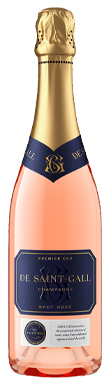
91
De Saint Gall is the flagship brand of the Union Champagne cooperative, makers of this Chardonnay-Pinot Noir rosé and a Tradition Brut NV which have both joined M&S's premium Collection range. With the fresher 2018 vintage as base wine (the Tradition uses 2015), it boasts tart strawberry and crisp red apple, alongside brioche notes on a lean yet creamy palate. Drinking well now but should cellar well for a few years if you like your Champagnes with more toasty complexity.
Marks & Spencer
Pierre Paillard, Les Terres Roses Bouzy Grand Cru Rosé Brut, Champagne, France NV
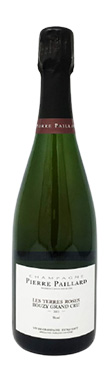
Bouzy's reputation for beautiful red fruit is even clearer in rosé, although this is heavily tempered by Chardonnay. Red grapefruit and pomegranate fruit are lifted...
Pierre Paillard
Brice, Heritage Rosé Brut, Champagne, France NV
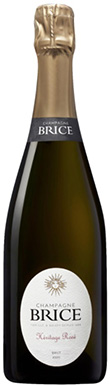
From a family estate in the Grand Cru of Bouzy, this has a welcoming bright hue and aroma of raspberries – forward and lifted with...
Brice
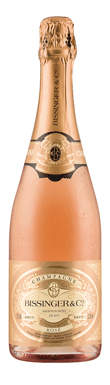
Lidl, Bissinger Brut Rosé NV, Champagne, France
88
A perfectly decent rosé Champagne, easy drinking, crisp and fresh. It's made a in a lean and youthful rather than rich and luxurious style, with red apple fruit flavours. It's a pretty pale rose in colour, and a pretty style too. Drink over the next year or two.
Lidl
