
Premium South American red blends: Panel tasting results
The judges found impressive longevity among Chile’s top Cabernet blends, and finesse and energy in many of the Argentinian Malbec-based wines, finds Dirceu Vianna Junior MW...


Paz Levinson, Peter Richards MW and Dircau Vianna Junior MW tasted 95 South American red blends, with 4 Outstanding and 46 Highly Recommended.
Entry criteria: Producers and UK agents were invited to submit their latest-release, super-premium red blends with availability in the UK or US markets.
Scroll down to see the tasting notes & scores
The verdict
Considering that all the wines in this tasting were at a super-premium level, the judges were justifiably expecting something special. The strike-rate was impressive, with more than half rated Outstanding or Highly Recommended. Overall there was an admirable degree of consistency, and there was plenty to get excited about.
Most wines displayed excellent concentration and fruit purity with refined texture, depth and complexity. The majority exhibited sophisticated structure with little over-extraction, and good balance despite alcohol levels at 14.5% or above.Oak use has improved significantly, though there were examples of wines displaying excessive oakiness, and the majority of wines were polished and overt, capable of giving pleasure on their own but also with adequate structure to accompany food, especially hearty meat dishes.
Quick link: See all 95 wines from this panel tasting
In general, Chilean producers seem more reluctant to take risks, so some wines were more predictable, less exciting. Argentinian producers, on the other hand, are finally getting the message that freshness and restraint are vital to achieve finesse in a fine wine.
On the evidence of this tasting, producers here seem more open to pushing boundaries by picking earlier – these wines demonstrated more energy and tension, and were considerably more appealing.
For Peter Richards MW, some of the most exciting wines of the tasting came from Uco Valley. Paz Levinson agreed, highlighting the sub-regions of Altamira and Gualtallary.
While Levinson highlighted Cachapoal and Maipo as her best-performing areas in Chile in this tasting, Richards found it harder to draw conclusions as quality seemed to be more dependent on the producer, and he was disappointed that there were so few wines from the Puente Alto area.
In fact, the absence of many of the big names from Chile was noted by all the judges. It’s a shame that some producers are happy to enter comparative tastings with wines from around the world, but much more reticent to be judged against their own peers. Hopefully this will change in the future – for everyone’s benefit.
In Argentina, the tasters agreed that blends of Malbec and Cabernet Sauvignon worked well. Richards was particularly impressed by blends featuring Cabernet Franc as well as Malbec-Syrah combinations; Levinson praised Malbec-Cabernet Franc blends, especially from Gualtallary.
In Chile, as expected, the vast majority of blends were driven by Cabernet Sauvignon with additional elements of Bordeaux varieties and rare appearances of Syrah. Some of these older vintages of Cabernet-based Chilean wines (2013, 2011 and 2010) showed well and are ageing gracefully in comparison to Malbec-based Argentinian wines, which seem more rewarding to enjoy younger.
In an impressive tasting, quality overall was consistent. South American super-premium red blends are no longer just about exuberant fruit and power. We are seeing a concerted move towards elegance, and producers seem to be working harder than ever to express their terroir.
This must be encouraged and producers must not be afraid of taking risks in search of freshness, elegance, subtlety and enhanced complexity.
Despite the high price-tag, many of these wines can be considered bargains, especially when compared to super-premium red blends from Bordeaux, California and Tuscany.
The scores
95 wines tasted
Exceptional 0
Outstanding 4
Highly Recommended 46
Recommended 37
Commended 4
Fair 1
Poor 0
Faulty 3
The judges
Paz Levinson
Levinson is currently head sommelier at Virtus in Paris and works between France and Argentina as a consultant and educator. She was the first Argentinian to pass the Court of Master Sommeliers’ advanced sommelier certificate, and won the ASI and APAS Best Sommelier of the Americas in 2015.
Peter Richards MW
Richards is an award-winning broadcaster and writer, with more than a decade on BBC1 television and four books including The Wines of Chile and his own Chile Wine Brief. He is the DWWA Regional Chair for Chile and, with his wife Susie Barrie MW, he co-hosts the acclaimed annual Wine Festival Winchester.
Dirceu Vianna Junior MW
Originally from Brazil, Vianna studied forest engineering and law, before moving to London, where he began to work in the wine trade in 1990. In 2008, he became the first South American male to obtain the title of Master of Wine. He is now working as a wine writer, educator, technical consultant and competition judge.
South American red blends
The status of ‘icon’ has to be earned, but what exactly does a wine have to achieve in order to join this upper echelon of New World styles? Dirceu Vianna Junior MW explains…
Nineteen years ago, when Argentina was first making its mark with simple, juicy and easy-textured Malbecs, Nicolás Catena had the dream of creating an Argentinian wine that could compete with the world’s greatest reds. He released the 1997 vintage of his Catena Zapata Cabernet Sauvignon in a series of global blind tastings, pitting it against other 1997s including Château Latour, Opus One, Caymus Special Selection and Antinori’s Solaia. His wine regularly took first or second place.
In Chile, Errazuriz’s Eduardo Chadwick feels a super-premium wine that carries the aspiration to become an ‘icon’ must convey a specific character that can only come from a unique terroir, as well as having an engaging story.
Chadwick is credited for altering the perception of Chile’s premium credentials by hosting a series of blind tastings worldwide to pit his top Cabernets against some of the best Bordeaux, and later icon reds from California, Spain and Italy. The events began in Berlin in 2004, with his Viñedo Chadwick 2000 and Seña 2001 triumphing over Château Lafite Rothschild 2000 and Château Margaux 2001, among others, at a time when Chile was perceived as merely a source for fruit-driven, reliable and inexpensive wines.
High achievers
Despite these solo triumphs, neither country had yet managed to build a convincing reputation as a source of super-premium, icon wines. Most ‘premium’ wines at that time were made solely with the aim of impressing through their power and concentration. The formula included excessively ripe fruit, lots of expensive oak and packaging that often featured an extraordinarily heavy bottle – qualities that regrettably continue today, in some cases.
But these landmark tastings began to challenge the general perception, proving that South American wines could rub shoulders with the world’s best reds – and show elegance too.
Understanding that their countries had the grapes, the terroir and the people able to produce premium wines had an effect beyond enhancing a sense of pride among fellow South American producers – it gave many the confidence and desire to prove their own credentials.
Fifteen years on, and this Decanter panel tasting is an opportune moment to assess just what has been achieved at the premium end of South American wines. It gives us the chance to compare the directions taken by each country and to judge whether these top-end South American wines really can be considered super-premium and worthy of icon status.
Greatness in wine, as in art, is hard to define, as it is highly subjective. A great wine exhibits multiple dimensions in aromatic profile as well as flavour. Whereas some aspects of quality are tangible, easier to grasp – such as concentration of fruit, harmony, complexity and persistence – other parameters are harder to evaluate as they include, among other things, the ability of a wine to stimulate not only our physical senses, but our intellect.
Top South American red blends from the panel tasting:
See all 95 wines from this panel tasting
Argentina: know your vintages
2018 An excellent vintage: warm, sunny days and cool nights ensured perfect ripening.
2017 Forward, exuberant and harmonious reds despite the long, hot summer.
2016 One of the coldest vintages in a decade, resulting in lighter wines with notably crisp acidity.
2015 A long harvest yielding attractive, juicy reds – especially fresh and vibrant for those who picked early.
2014 Low-yielding harvest and wines with assertive acidity that are ageing well.
2013 A notoriously cool vintage. The top-end wines are ageing gracefully.
2012 Low-yielding harvest due to frost. Those who escaped made ripe, juicy, concentrated reds.
Argentina wine grape plantings
Total cultivated area 220,848ha
Malbec 42,999ha
Cabernet Sauvignon 14,666ha
Syrah 12,247ha
Merlot 5,306ha
Cabernet Franc 1,146ha
Petit Verdot 652ha
Source: INV-Database
Chile: know your vintages
2018 Favourable conditions, with moderate temperatures resulting in a promising vintage of harmonious reds.
2017 Abnormally hot vintage including severe wild fires. Despite an early harvest, the wines are marred by the heat.
2016 An excellent vintage, especially for those who opted to pick early.
2015 Noticeably warm vintage yielded ripe, exuberant and succulent reds.
2014 The season started with a frost and finished warm and sunny, resulting in generally good-quality reds.
2013 One of the coolest vintages in recent memory, giving long-lived, sophisticated reds.
2012 A challenging, warm vintage, abnormally humid. Most wines should be drunk now.
Chile wine grape plantings
Total cultivated area 137,375ha
Cabernet Sauvignon 41,156ha
Merlot 11,703ha;
Carmenère 10,250ha
Syrah 7,738ha
Malbec 2,249ha
Cabernet Franc 1,578ha
Petit Verdot 863ha
Source: Wines of Chile
You may also like
Fine wines to know from Chile and Argentina
South America’s top 10 winemakers
Time to try South American sparkling wine
Chilean Carmenère: Panel tasting results
South American Riesling: Expert’s Choice
Escorihuela Gascón, MEG, Uco Valley, Mendoza, Argentina, 2017
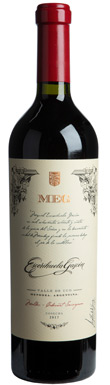

Escorihuela Gascón 1884, named after Miguel Escorihuela Gascón, who founded the winery four years after arriving in Argentina from his home land of Aragon, Spain,...
2017
Escorihuela GascónUco Valley

Catena Zapata, Nicolas Catena Zapata, Luján de Cuyo, Mendoza, Argentina, 2013
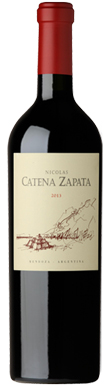
Founded in 1902, Bodega Catena Zapata has become revered by many as the pioneer of high-altitude wines and the re-emergence of the Malbec grape in...
2013
Catena ZapataLuján de Cuyo
Kaiken, Obertura Cabernet Franc, Mendoza, Argentina, 2015
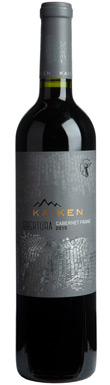
Kaiken is located just south of Mendoza city, cultivating grapes in Vistalba, Agrelo and Vista Flores. The winery is named after the wild goose from...
2015
Kaiken
VIK, La Piu Belle, Cachapoal Valley, Chile, 2011
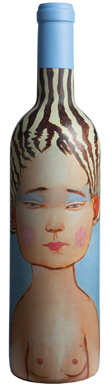
VIK was founded in 2004 by Norwegian billionaire Alexander Vik, located 150km south of Santiago in the Cachapoal Valley. The winery focusses on red blends...
2011
VIK
Son Vida, Alegria, Uco Valley, Altamira, Mendoza, Argentina, 2015
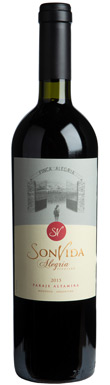
Brooding dark fruit on the nose with subtle hints of black pepper and floral notes emerging. The palate is beautifully structured with refined fine grain...
2015
Son VidaUco Valley
Valle Secreto, Profundo, Cachapoal Valley, Chile, 2011
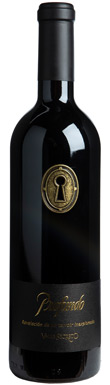
Age is evident, but that does not detract from the quality on offer here. Notes of mushrooms, tar, charred wood and dark pepper follow on...
2011
Valle Secreto
William Fèvre Chile, Chacai, Maipo Valley, Chile, 2015
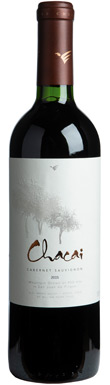
A graphite component gives this wine chemistry. Aromas of black fruit, bell pepper, dried herbs and sweet spices offer energy on the palate too. It...
2015
William Fèvre Chile
Andeluna, Pasionado Cabernet Franc, Uco Valley, Gualtallary, Mendoza, Argentina, 2015
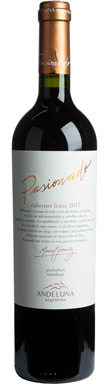
Sweet, creamy cocoa oak starts the journey of this inviting example. Forest fruits and a hint of leafiness, followed by chocolate and plums. It’s a...
2015
AndelunaUco Valley
Trapiche, Iscay Malbec-Cabernet Franc, Mendoza, Argentina, 2013
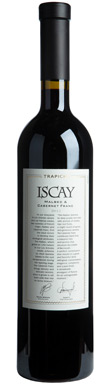
Bright, red fruit aromas with a nice urgency on the palate. Its age does not show with vibrancy of fruit; blackberries, dark cherries and violets,...
2013
Trapiche
Bemberg, Pionero, Uco Valley, Gualtallary, Mendoza, Argentina, 2013
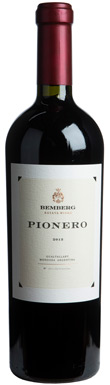
A classy Bordeaux blend with aromas of baked dark fruit, blackberries, cassis, dark plums, earth and cedar. This all combines beautifully on the palate with...
2013
BembergUco Valley
Casarena, Icono Blend, Mendoza, Argentina, 2011
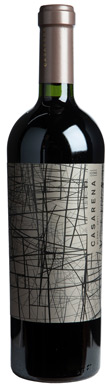
Toasty, smoky bacon aromas show it’s quite oak derived from the onset. This may lull you into a false sense of security, but fear not,...
2011
Casarena
Corazon Del Sol, Soleado, Uco Valley, Mendoza, Argentina, 2014
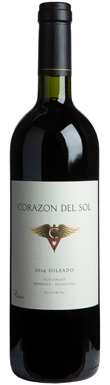
Fruit-forward aromas with notes of black cherries and plum. Hints of roasted herbs. The palate is refined, tannins firm, this shows great energy, persistency and...
2014
Corazon Del SolUco Valley
Errazuriz, Don Maximiano Founder's Reserve, Aconcagua Valley, Chile, 2016
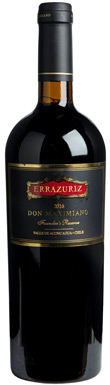
Opulence this is with an array of notes; black fruit, cassis and a lovely herbal complexity. What’s special is the freshness, beautifully balanced with its...
2016
Errazuriz
Finca Ferrer, Doscumbres, Uco Valley, Tupungato, Mendoza, Argentina, 2012
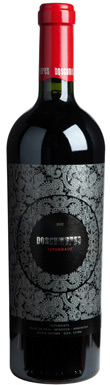
Toasty, spicy black pepper aromas with some dried floral hints coming through. A peppery vivacity dominates the palate, offering spice and mouth-watering freshness to the...
2012
Finca FerrerUco Valley
Morandé, House of Morandé, Maipo Valley, Chile, 2014
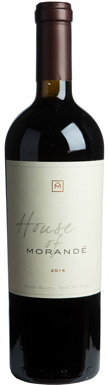
Plush, inviting aromas. Cedar wood, and ripe dark fruit, creamy hints. There’s mint and eucalyptus mixed in with a leather palate, topped with mushroom notes...
2014
Morandé
Pyros Wines, Special Blend, Pedernal Valley, San Juan, Argentina, 2013
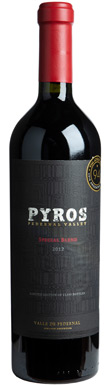
Green pepper aromas, Mediterranean herbs, sweet spices and menthol dominate the nose. This is followed by an urgent wild berry acidity offering a welcomed acidity...
2013
Pyros WinesPedernal Valley
Siegel, Unique Selection, Los Lingues, Colchagua Valley, Chile, 2015
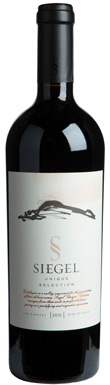
A classy wine full of layers. Dark tea leaves, tobacco and cedar box are loyal on the palate too, complemented by exotic spices dominating the...
2015
SiegelLos Lingues
Susana Balbo, Benmarco Expresivo, Uco Valley, Mendoza, Argentina, 2016
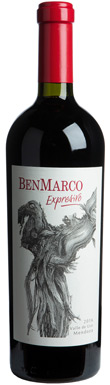
Well-defined aromas of dark fruits, toast and roasted herbs. Black pepper complemented by a smoky element throughout. Will gain in nuance over time.
2016
Susana BalboUco Valley
Valdivieso, Caballo Loco Number 17, Central Valley, Chile
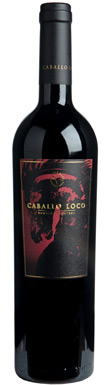
Real exuberance of fruit here. There’s freshness of roasted pepper, fresh and dried fruit too, but also cedar, mushrooms and chocolate. A crowd pleaser!
Valdivieso
Bodega Norton, Gernot Langes, Luján de Cuyo, Mendoza, Argentina, 2014
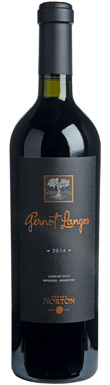
Enticing aromas of cassis, blackberries, floral notes and a hint of spice. The palate is ripe and juicy with bursting acidity coming through on its...
2014
Bodega NortonLuján de Cuyo
Bodegas Caro, Mendoza, Argentina, 2016
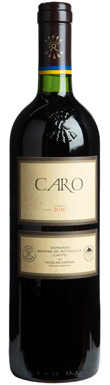
A promising nose here of leafy, herbal redcurrant that follows on to blackberry, cassis and sweet spice. The palate is fresh and not ashamed of...
2016
Bodegas Caro
Finca La Luz, Gran Callejón del Crimen Winemaker Selection, Uco Valley, Mendoza, Argentina, 2015
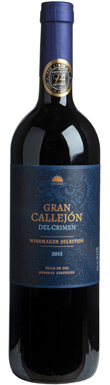
Elegance and opulence. Inviting aromas of pepper and cream lead to black fruit, blackberries, and even graphite! It’s fresh and finishes with depth, length and...
2015
Finca La LuzUco Valley
Luigi Bosca, Finca Los Nobles Cabernet Bouchet Field Blend, Luján de Cuyo, Mendoza, Argentina, 2011
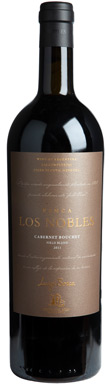
We begin with dried fruit, prune, cream and tobacco. It’s evident that there’s good evolution on this, offering refined tannins, complexity and old school charm....
2011
Luigi BoscaLuján de Cuyo
Miguel Torres, Manso de Velasco Cabernet Sauvignon, Curicó Valley, Chile, 2013
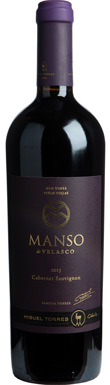
Eucalyptus, minty green bell pepper dominates the nose. It’s expressive and engaging on the palate however, with juicy acidity, and complex notes of tobacco and...
2013
Miguel Torres
Odfjell, Cauquenes, Maule Valley, Chile, 2014
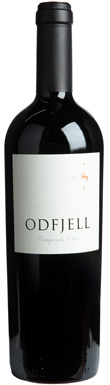
Minty cassis and plum aromas. There’s beautiful, juicy dark fruit with firm tannins, spices and elegant leafy notes. It’s young and bold, with power and...
2014
OdfjellCauquenes
San Pedro, Sideral, Cachapoal Valley, Chile, 2017
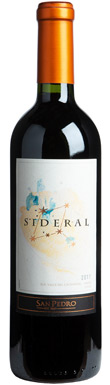
A lovely example of a red blend wine with a very expressive nose, berries, mint, eucalyptus and graphite. A cut above, with great purity on...
2017
San Pedro
Santa Rita, Triple C, Maipo Valley, Chile, 2014
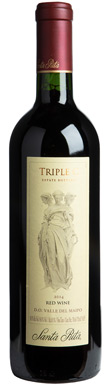
There’s a very good balance between the Cabernet Franc and Sauvignon. It’s layered and complex with a beautiful earthy freshness. Green bell pepper and eucalyptus...
2014
Santa Rita
Tarapacá, Gran Reserva Etiqueta Azul, Maipo Valley, Chile, 2016
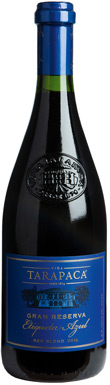
Expressive. Ferruginous, in a way, quite bloody. Ripe dark stewed fruits with a touch of mint. It displays aromas of cassis, cherries and blackberries as...
2016
Tarapacá
VIK, Milla Cala, Cachapoal Valley, Chile, 2014
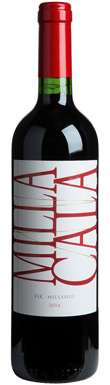
Despite its age it still shows exuberance of ripe dark fruits, and includes notes of roasted peppers, chocolate and sweet spices. The palate is very...
2014
VIK
