
Prunotto Secondine: Producer profile and new Barbaresco tasting
With the release of Secondine, a new Prunotto Barbaresco wine, Decanter's James Button discovered the estate's history and held a tasting comparison with Bric Turot.


The Prunotto estate is located in the heart of the Langhe, up in the hills in the village of Bussia Soprana in Monforte d’Alba. Surrounded by prime vineyard sites, esteemed neighbours include Giacomo Fenocchio and Aldo Conterno.
Scroll down for new Prunotto tasting notes comparing Secondine and Bric Turot
Although based in the heart of Barolo country, Prunotto produces a wide selection of wines from the 65 hectares it owns across the Langhe and Monferrato, including Barolo, Barbaresco, Barbera d’Alba, Dolcetto d’Alba, Roero Arneis, Moscato d’Asti, Nizza and Langhe.
Prunotto’s history
Prunotto’s foundation can be traced back to 1923, when Alfredo Prunotto took over the local cooperative ‘Ai Vini delle Langhe’ after it ran into financial trouble. Renaming the winery to Prunotto, he and his wife Luigina bottled Barolo and Barbaresco not only for local consumption but also destined for new markets in the USA and South America.
After three decades at the helm, Alfredo retired in 1956 and sold the company to winemaker Beppe Colla, who was assisted at first by Carlo Filiberti, and later by his brother Tino Colla.
Following a trip to Burgundy, the Colla brothers’ eyes were opened to the possibilities of cru bottlings and set about producing Prunotto’s first single-vineyard wines. The result; Bussia Barolo and Pian Romualdo Barbera d’Alba – were made in 1961.
In 1989 the renowned Antinori family began handling the estate’s distribution and from 1990 Marchese Piero Antinori’s niece, Albiera Antinori worked with the Prunotto estate to understand how international grape varieties grown in the area fared.
Land was set aside in the Trentino commune of Calliano to grow these varieties and make experimental bottlings. Antinori eventually purchased the Prunotto estate in 1994 when the Colla brothers retired.
A recent tasting of a new addition to the estate’s lineup of Barbarescos – the Secondine – was a fantastic opportunity to compare this new bottling with another single-vineyard wine from the Bric Turot vineyard.
Secondine
The 14.94ha Secondine vineyard is most famous as the source of Gaja’s Sorì San Lorenzo. An amphitheatre of loamy soil at 170-245m above sea level, Secondine lies at the foot of the hill upon which the town of Barbaresco perches. It is capable of producing elegant wines of excellent longevity. This first vintage will produce 7,000 bottles, with the remainder used in the ‘classica’ Barbaresco.
You may struggle to get hold of the inaugural release of Prunotto Secondine, as UK importers Berkmann report that their allocation were tiny and has already sold out. It is, however, a wine worth keeping an eye out for in future vintages, when Prunotto expects to be able to increase production quantities.
Bric Turot
Piedmontese for ‘summit of a small hill’, the 5ha Bric Turot vineyard is located on marly soils with a southeast to southwest exposure at an altitude of 190-230 metres above sea level.
The vineyard was replanted approximately 10 years ago with Nebbiolo clones Lampia used to add a perfumed quality and Michet to add body and richness.
Bric Turot is a weightier and earthier expression compared to Secondine’s elegant red-fruited style.
See the new Prunotto tasting notes comparing Secondine and Bric Turot
You may also like:
Barbaresco 2017 & Barbaresco Riserva 2015: Full report
How terroir makes a difference in Barbaresco
1996 Piedmont: A retrospective
Prunotto, Barbaresco, Piedmont, Italy, 2017
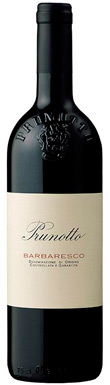

Designed to be accessible in its youth, Prunotto's 'classica' bottling is blended from various vineyard sites, each providing particular characteristics, 'like a quartet of instruments'...
2017
PrunottoBarbaresco

Prunotto, Secondine, Barbaresco, Barbaresco, Piedmont, Italy, 2017
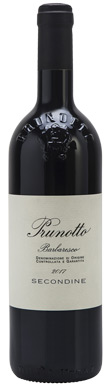
Strawberry and sweet vanilla aromas are followed in the mouth by a veil of fine-grained tannins and ripe, focused red fruits with some plummy notes....
2017
PrunottoBarbaresco
Prunotto, Bric Turot, Barbaresco, Barbaresco, Piedmont, Italy, 2016
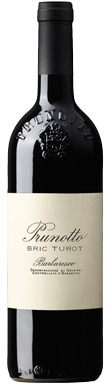
Compared to Secondine, Bric Turot displays darker fruits on the nose, including a touch of black cherry alongside florals and earth. Weightier, fuller, and richer...
2016
PrunottoBarbaresco
Prunotto, Bric Turot, Barbaresco, Barbaresco, Piedmont, Italy, 2013
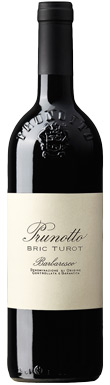
2013 was a cooler year that produced elegant wines, which suits the Prunotto style perfectly. Autumn-edged dried fruits, cherry and spice aromas are overlaid with...
2013
PrunottoBarbaresco
