
Regional profile: Cape West Coast
There’s new life for old vines on South Africa's Cape West Coast, where Chenin Blanc and Palomino shine, and Colombard is talked of as being on the cusp of stardom.


Hundreds of kilometres of open road hug the wild Atlantic shoreline all the way up to Namibia.
As you whip up the seemingly endless West Coast highway, see the glittering saltpans, the steampunk of rusting mining machinery, the fields of potatoes and cabbages – this has always been an area of mixed industries, and wine farming is the most recent, with vines going into the ground around the 1940s.
Scroll down to see tasting notes and scores for 10 top Cape West Coast wines to try
PLUS see profiles on the eight producers to know
There are two official wine routes, one through Darling, as well as the West Coast Wine Route which also takes in stand-alone wards. The West Coast Wine Route begins in the mountainous Piekenierskloof then descends into the wild west coastlands of Vredendal, Klawer, Lutzville, Koekenaap and Doringbaai.
Historically, this is a bulk production area – think co-ops churning out gluggable dry whites, semi-sweet rosés and the like, much of it destined for the bag-in-box market. This is changing, though, with growing interest from ambitious winemakers who hunt obscure parcels of fruit, much of it old vine.
Darling
Area under vine: 2,753ha
Number of producers: 3 estates, 38 growers.
Key varieties: Sauvignon Blanc (570ha), Cabernet Sauvignon (470ha), Shiraz (424ha).
Soils: Decomposed granite, Oakleaf, sand, loam.
Wines of substance
Sakkie Mouton leans over a barrel, syphoning out his inaugural Syrah. He makes his wines at the Riebeek Valley Wine Company, but his fruit is all West Coast, as is he. Born and bred in Vredendal, the winemaker styles himself as a small-town Weskus boytjie (‘West Coast lad’) making wines of substance.
In 2019, Decanter World Wine Awards judge Greg Sherwood MW scored the 2018 vintage of Mouton’s Revenge of the Crayfish 96 points, catapulting the young unknown to cult status. A unicorn wine, only 390 bottles of this crystalline Chenin Blanc existed.
‘I call it Romanée-Koekenaap,’ quips Mouton on the rarity of the Crayfish, the reference to Koekenaap being the vineyard’s place of origin. He produces just 4,000 bottles per year for his entire range.
‘My wines are an honest expression of the West Coast,’ he says. ‘Just like the place, what you see is what you get, although the impression of the region needs to change from bulk to quality,’ he underscores.
‘We have the vineyards and terroir, we just need honest vintners to help shape its true identity.’ He likens the arid, coastal terroir and the resulting wines to that of Sicily or Greece: ‘The line of salinity you find in the wines is very similar.’

An important grape for the West Coast is Colombard. The offspring of Chenin Blanc and Gouais Blanc, the high-acid white has been planted in South Africa since the 1700s. Paradoxically, its commercial history for brandy production and simple dry whites has now yielded many old-vine sites.
Mouton’s hails from a small vineyard planted in 1978. The sandy soils and dry conditions make irrigation a necessity, which happens quite dramatically with the old method of flood irrigation from a stone sluice connected to the Olifants River.
Receiving the same treatment across the road is the Colombard vineyard from which Ian Naudé makes the cult wine, Langpad.
This vineyard, planted in 1983 on sandy soils, lies about 35km from the ocean. Crucial is a daily mist Naudé says they can set their clocks to. ‘You have to see it to believe it,’ he insists. ‘It will be a sunny day and then this black front on the ocean rolls in and everything becomes dark.’
The mist cools the vineyards down from the heat of the day. And hot it gets, averaging on 35℃ in summer. Naudé has a hunch it does something else, too. ‘When the sun comes up in the morning it burns off the mist, leaving traces of the sea on the grapes. This is where that distinct salinity and kelp flavour in the wine comes from.’
‘Colombard is the next big thing,’ Naudé enthuses. ‘Swartland has had its time. It’s now the West Coast’s turn, and this grape’s expression is transcendent here.’

Great heights
We make our way up into the rocky corridors of the Piekenierskloof, where altitudes ramp up to 750m.
Situated on the border of the Swartland, this is the start of the West Coast Wine Route. Here, in the alpine air, rooibos and citrus proliferate, as do gnarly bush vines.
The route covers a large expanse and with it ever-morphing terroir. Falling under the auspices of the Olifants River region, it incorporates the Citrusdal Valley and the mountain districts (the famous area of Skurfberg is just outside of this), then continues on to the broad valley of the Olifants River, incorporating the Lambert’s Bay designation on the coast.
Piekenierskloof
Area under vine: 480ha
Number of producers: 20
Average growing season temperature: 22.8°C
Key varieties: Grenache Noir (74ha), Pinotage (72ha), Chenin Blanc (50ha).
Soils: Dundee, Hutton, Clovelly, Glenrosa.
The Piekenierskloof is home to the country’s largest concentration of old, dryland Grenache, drawing in acclaimed producers, among them Sadie Family Wines, Vriesenhof, Savage Wines, Donkiesbaai and more.
Historically, Grenache was blended here with Cinsault for ‘Cape Chianti’, made then by the Citrusdal Co-operative, now the Piekenierskloof Wine Company.
The winery still makes Grenache, as well as a special bottling as part of an old-vine series. The grapes for the range come from six sites spread across two farms owned by brothers Oubaas and Potgieter van Zyl. The vines are all ungrafted, dry-farmed bush vines, growing in sandy loam soils. Added to the Grenache (noir and blanc) are Palomino, Cinsault and Chenin Blanc.
The air is like ice, fresh and cutting, as winemaker Cerina van Niekirk takes me for a walk among these old bush vines, some of which grow as tall as small trees. The treasured vineyards are marked with plaques on granite obelisks.

Onward and northward
As we descend north, the verdant landscape unfurls from the pass to the Olifants River wards.
The most intensive viticulture takes place in this part of the region. Home to some of the larger co-ops, the district incorporates Vredendal as well as the cooler, ocean-influenced Koekenaap and Bamboes Bay.
The family-run Cape Rock Wines appears like a heat mirage, the white cellar afloat on a sea of dormant vines.
Situated between the towns of Vredendal and Klawer, this 11ha estate is a stronghold of Rhône varieties. Husband and wife, Willie and Desiree Brand, are salt of the earth kind of people, the welcome is warm, the wine is cold.
Olifants River Region
Vredendal, Klawer, Lutzville
Area under vine: 8,000ha
Number of producers: 290
Average growing season temperature: 19.6°C
Key varieties: Chenin Blanc (2,500ha), Colombard (2,300ha), Sauvignon Blanc (550ha), Shiraz (480ha), Pinotage (430ha).
Soils: Red-brown Oakleaf, dorbank calcareous Trawal.
Koekenaap and Doringbaai
Area under vine: 880ha
Number of producers: 25
Average growing season temperature: 18.8°C
Key varieties: Chenin Blanc (250ha), Sauvignon Blanc (190ha), Colombard (170ha).
Soils: Red-brown Oakleaf, sandy terraces.
Source: West Coast Wine Route and Vinpro
‘It felt natural to adapt our plantings to the grapes that suit our climate,’ explains Oom Willie (as he is known) on the preference for Rhône varieties. ‘These grapes fare better with the intense summer heat and lack of water.’
Pouring a glass of the resplendent Cape Rock White, Oom Willie regales us with tales of the Weskus: of piloting planes, diving for kreef (rock lobster) and resident vineyard cobras. The blend is spontaneously co-fermented Viognier, Grenache Blanc and Roussanne matured in old oak. The wine’s pared down, textured character conveys the rawness of the place and its sun-baked desolation.
Tempered by the sea
From here we churn up dust as we navigate 30km of dirt road to Bamboes Bay just outside Doringbaai. The scene is bucolic as it flashes past: lambs in the wildflowers, hopping duikers.
Bamboes Bay is the smallest Wine of Origin (WO) in South Africa, composed of a 10ha vineyard located 600m from the sea – bamboes is the Afrikaans word for kelp.
Fryer’s Cove Winery is set on the rocky edge of the coast in a converted fish factory, complete with a jetty running into the ocean. True joy is watching the thundering white horses in the spray from the deck with a plate of fresh oysters and a glass of Sauvignon.
It smells like the sea in winemaker Liza Goodwin’s cellar, and she uses the proximity to the Atlantic to help regulate temperatures by piping water through the icy ocean.

A component of the new vintage of the Hollebaksstrandfontein Sauvignon Blanc 2022 is maturing in barrel. Goodwin pulls out a sample to taste. The characteristic kelp, sea breeze aromatics of the wine are unmistakable.
Fryer’s Cove makes two Sauvignons and a Pinot Noir from Bamboes Bay fruit, for the rest of its range, grapes are sourced from across the West Coast.
During my time here, the only sound in this lonely landscape – other than the stir of the constant breeze – came from a three-kilometre train as it trundled past, carrying iron ore.
Windswept, white-sand vineyards
On the road to Gedeelte Wines, the coast becomes less rocky, the swell more glassy and calm. The sandy enclave of St. Helena is a living postcard and although, officially, St. Helena Bay is WO Swartland, its beachside address clearly proclaims it not so.
John Bouwer stands in his Palomino vineyard, vines rooted in sea sand and limestone. He picks up a lizard darting amongst the trunks: ‘This is a koggelmander, they eat the bugs that nibble on the roots,’ he says, explaining the unique natural pest control.
This place is the very picture of a West Coast vineyard: roots cling to the white sand, reflecting light onto the vines. Jewel-like vygies (or mesembryanthemums) run down the rows like cover crop, with bright blooms of magenta.
Inspired by the wines of the Jura, Bouwer’s wines are all matured under a veil of flor. He uses the technique to magnify the inherent ‘mineral saltiness’ of the terroir. We taste the Palomino 2021 right there in the sand. It tastes like the inside of a seashell, cool and limpid, with waves of crushed rock, white citrus and pear. It’s the very essence of the place.
The West Coast’s old vines and unique terroir are still something of a secret. Two of South Africa’s most renowned winemakers, Eben Sadie and Adi Badenhorst likewise make wines from this sandy stretch and the swell of interest is only growing. As Sadie puts it, he’s simply ‘following the salt trail’.
In some ways the West Coast is mirroring the revolution that transformed its neighbour, the Swartland, and is going from bulk to cult.
Darling: the country heart
Historically a dairy-producing area, just a few estates make up the official Darling Wine Route, which was once deemed a part of the Swartland.
There are many vineyard holdings, however, which own-label producers are seeking out and securing.
Sauvignon Blanc and Shiraz in particular shine, while Darling Cinsault is becoming hot property, the grape being something of a best-kept secret for producers such as Duncan Savage and Alex Milner of Natte Valleji Wines.
Confirming the quality of the fruit here, Charles Back of Fairview fame has invested in many hectares of vineyards (approximately 150ha) and produces a number of wines across the cultivar spectrum.
Malu Lambert’s 10 top Cape West Coast wines to discover
Related content
Palladius and Columella verticals: Eben Sadie’s Swartland flagships
South African Shiraz/Syrah: panel tasting results
South African Sauvignon Blanc: 10 top producers to know
Sakkie Mouton Family Wines, Revenge of the Crayfish, Koekenaap, Lutzville Valley, Olifants River, South Africa, 2021
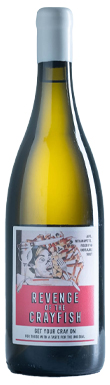

Refreshing aromas of sea breeze, yellow peach, Granny Smith apple and citrus, with an undertow of kelp and smoky fynbos. The palate cuts like glass:...
2021
Sakkie Mouton Family WinesKoekenaap, Lutzville Valley

The Sadie Family, Skerpioen, Swartland, Coastal Region, South Africa, 2021
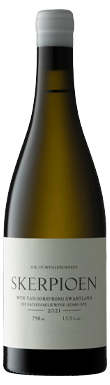
Astounding purity from this Chenin Blanc and Palomino field blend. Notes of flint, fresh hay, white peach, fynbos and crushed lime draw you into the...
2021
The Sadie FamilySwartland
AA Badenhorst, Sout van die Aarde Palomino, Swartland, Coastal Region, South Africa, 2021
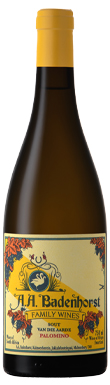
Tiny white flowers, white pear, yellow apple and soft citrus evolve onto the understated, fine palate. A gentle acidity carries the white-toned fruit into a...
2021
AA BadenhorstSwartland
Groote Post, Seasalter Sauvignon Blanc-Semillon, Darling, Coastal Region, South Africa, 2022
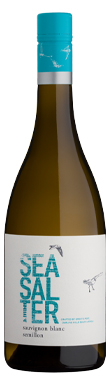
Aromas of sea breeze, ruby grapefruit, orchard apples and elderflower invite you in. The compelling duality of fresh fruit and richness on the palate is...
2022
Groote PostDarling
Fryer's Cove, Reserve Sauvignon Blanc, Bamboes Bay, Coastal Region, South Africa, 2021
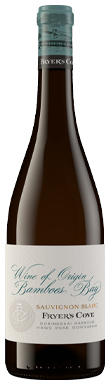
Invigorating notes of kelp, seawater, lemon blossom, scrub and stone – aromas which are distinctly Bamboes Bay and its evocative seaside locale. The line of...
2021
Fryer's CoveBamboes Bay
Bizoe, Morningstar Semillion, Darling, Coastal Region, South Africa, 2019
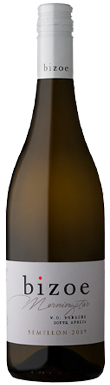
Winemaker Rikus Neethling says he picks the grapes based on analysis, as the flavours develop in bottle over time. After three years, the wine now...
2019
BizoeDarling
Natte Valleij, Cinsault, Darling, Coastal Region, South Africa, 2021
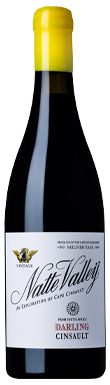
Super-aromatic and enticing, like walking through a scented garden: violets, black roses and night lilies abound. Incense and smoke wreathe through intense black cherries and...
2021
Natte ValleijDarling
Gedeelte Wines, Authentic 23 Barbarossa, St Helena Bay, Coastal Region, South Africa, 2021
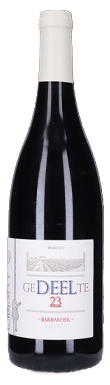
Fragrant with wild sage and crushed spice, the airy fruit is a mix of blueberries, red cherries and black plums that coalesce to the smooth,...
2021
Gedeelte WinesSt Helena Bay
Piekenierskloof Wine Co, Carel van Zyl, Old Vine Grenache Noir, Piekenierskloof, Citrusdal Mountain, Olifants River, South Africa, 2019
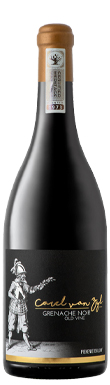
Imbued with fresh mountain air, this has a crystalline clarity, redolent of icy strawberries, tart plums and forest needles. A hint of liquorice and bergamot...
2019
Piekenierskloof Wine CoPiekenierskloof, Citrusdal Mountain
Cape Rock, Amnesty, Spruitdrift, Olifants River, South Africa, 2020
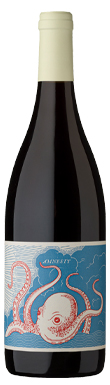
A playful blend of Mourvèdre, Grenache, Syrah and Carignan, with exuberant aromas of red berries, plums, cherries and sun-dried tomatoes dusted with notes of stemmy...
2020
Cape RockSpruitdrift
