
Regional profile: Margaux
Consistency and quality are up across the Médoc’s largest appellation – we flag up the names to know today, classed growths and beyond.
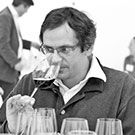

Some 600 participants dined lavishly at the gorgeous First Empire-style Château Margaux to mark its 200th anniversary back in 2015: ‘A fairytale-like event for which I could almost give up any future invitations to dinner in Bordeaux,’ recalls merchant Michael Sands of Calvert Woodley Wines in Washington DC.
Scroll down for 20 Margaux wines to try
While you might not be invited to dinner, visiting the Médoc without seeing the splendour of Château Margaux is like eating a cone without the ice cream.
Château Margaux was one of only four estates selected as first growth in the 1855 Classification for the Médoc – and the only classified château that bears the name of its appellation. Its Burgundian-like finesse combined with underlying power aptly exemplifies the Margaux appellation’s refined, perfumed elegance.
That comes largely from the main slow-to-ripen Cabernet Sauvignon interacting with the particularly light gravel in the soil – among the lightest of the Médoc. This is especially true in vineyards located in Margaux and Cantenac (such as Château Margaux itself), which make up the core of the appellation: 18 of the its 21 classified growths are located within the communes of Margaux and Cantenac, which were fused into one in 2017.
The best vineyards are on well-drained slopes, where these lighter soils give Margaux its nimble, silky aspect. Further north, the Pauillac and St-Estèphe appellations have more clay, so the naturally draining – and warm – gravel of Margaux means that grapes tend to ripen earlier compared to vineyards further north.
Margaux mapped

Historians say that Margaux was the first Bordeaux area to have seen vineyards planted, as early as 2,000 years ago. But Margaux and the other Médoc appellations only took modern shape after Dutch engineers drained marshes and swamps in the 17th century, permitting vineyards to flourish.
At 1,530ha under vine – or 9% of the entire Médoc vineyard (source: margaux-wines.com, bordeaux.com) – Margaux is the largest of all the Médoc’s communal appellations and includes one third of its classified wines, spanning rankings from first to fifth growth.
With such a large appellation – and 44 other producers in addition to the 21 classified growths – it is no wonder that quality is not as consistent as in the smaller appellations of St-Julien or Pauillac. I have tasted Margaux wines (classified or otherwise) that are not as elegant as expected. Perhaps a case could be made that the ‘slightly richer styles’ of the southern communes of Arsac and Labarde, which count but three classified growths, are not as classically ‘Margaux’ as they might be, posits Ben Giliberti, wine educator and former wine writer for The Washington Post.
But many producers throughout Margaux have so improved viticulture and winemaking that the appellation is better than ever. And the stress on elegance can be overemphasised. ‘We should stop with the clichés, as the wines are certainly elegant, but also very structured,’ stresses Emmanuel Cruse of third growth Château d’Issan.
Edouard Miailhe, president of the Syndicat Viticole de Margaux, explains that Margaux’s ‘great strength is the variety of soils’, which often leads to different styles. Indeed, the appellation forms a hotch-potch of different types – from chalk and limestone to clay and sand, although the best sites are found on low hills of gravel.
It is worth noting that, with global climate change, a recent trend – and not just in Margaux – is planting Cabernets on colder clay soils, to ensure greater freshness. The best estates have had the means and opportunity to acquire optimal plots to mix together.
Margaux at a glance
Appellation created 1954
Soils Gravel rules, but also important pockets of clay, along with chalk, limestone and sand
Communes Arsac, Labarde, Margaux-Cantenac, Soussans
Producers 65, including 21 classified growths
Area planted 1,530ha – the largest of the Médoc’s six communal appellations
Maximum yield 57hl/ha, although averages at 45hl/ha
Grapes 58% Cabernet Sauvignon, 35% Merlot, 4.5% Petit Verdot, 2.5% Cabernet Franc (an increase of Cabernet plantings over Merlot in recent years)
Source: Maison du Vin de Margaux (based on 2021 figures)
Better than ever

Margaux: Know your vintages
2018, 2019, 2020 Excellent trio of age-worthy vintages
2017 Solid, if somewhat dilute vintage
2016 Benchmark for both elegance and structure
2015 Opulent, with impressive palate density
2014 Frank, fresh and underrated, but not as good as either 2015 or 2016
2013 Weak vintage, time to drink up
2012 Initial charm and opulence, but slightly short on finish
2011 Cool and with a long finish, but lacking the charm of 2012
2010 Bold, powerful and veritable ‘vintage of the century’, but needs more time
2009 A gorgeous vintage today, and likely well into the future
Environmental focus
At least seven Margaux properties are ‘heavily invested’ in both organic and biodynamic viticulture and winemaking, says Miailhe. Château Palmer – whose director Thomas Duroux is an agronomist and oenologist with a love of jazz – has raised the eco-bar for this storied third growth, which deserves first growth status. Benefiting from fine gravel and cooler clays, resulting in an almost even blend between Cabernet Sauvignon and Merlot, Duroux keeps blazing a trail for organic and biodynamic viticulture: the increased purity of the wines also intensifies the seductive charm and density for which Palmer is so famous.
Meanwhile, in 2009, Gonzague Lurton introduced biodynamic winemaking at second growth Château Durfort-Vivens, which was certified by Demeter in 2016. As former president of the Syndicat Viticole de Margaux, Lurton facilitated a study in 2015 by the University of Bordeaux’s ISVV (Institute of Vine and Wine Science) with the aim of widening biodiversity for fauna and flora in Margaux.
Under the current presidency of Miailhe, the aim is to recolonise the appellation. Through the ‘Margaux, Terroir de Biodiversité’ initiative, eco reservoirs are being created, with new tree groves, hedgerows, thickets and wildflower plantations on fallow land in-between and around the vines.
Touring Margaux
Located only 25km north of the city of Bordeaux, Margaux lends itself to wine tourism. Alexis Lichine at Château Prieuré-Lichine was an early pioneer in the 1950s, when he opened doors year-round for professionals and private connoisseurs. His philosophy continues today at the estate, where the latest initiative – starting this year – is a tour on electric bikes provided by the château.
At least 17 properties have wine tourism programmes. In Labarde alone, Châteaux Dauzac, Giscours and Siran are open year-round. Further north, in Soussans, Château Paveil de Luze became the first Bordeaux estate to advertise stays on Airbnb. Don’t miss the warm welcome at Château Marquis d’Alesme, just off the main street of Margaux, where you can walk along gorgeous, landscaped gardens or grab lunch (indoors or out) at its in-house restaurant: a great way to enjoy excellent third growth Margaux.
In 2024, a winery renovation at Château Palmer dubbed ‘the village’ is expected to include a restaurant, a landscaped area where visitors can take walks, and a vegetable garden inspired by the principles of permaculture.
‘We have a great tradition of welcoming people,’ says Philippe Delfaut of Château Kirwan, which opened its doors to visitors in 2019. ‘You can come without a reservation, but it is better to make one,’ he points out – and same can be said for most estates, especially better known names.
For more information on wine tourism in Margaux, visit vins-demargaux.fr/oenotourisme
Nine Margaux estates to know

Margaux second growth Château Rauzan-Ségla regularly exudes cool elegance and impressive palate density. It is arguably the third-best estate in Margaux (after Châteaux Margaux and Palmer), benefiting from top terroirs, the blending of which ‘makes magic’, according to director Nicolas Audebert.
Since taking over in 2015, Audebert follows former director John Kolasa’s philosophy of ‘evolutionary’ improvement, he says. Over the next 10 years, for example, at least one third of the 70ha under vine will be replanted, partly to change solar exposure because of global climate change.
Two neighbouring classified estates known for crafting high-quality wines at friendly pricing include the beguiling perfumed elegance of Château Brane-Cantenac, a second growth that can approach the level of Château Palmer. Owner Henri Lurton makes the most of the superb terroir, including 12-metre deep gravels, where Cabernet thrives, yielding wines of power, structure and finesse.
His next-door neighbour, the economically priced third growth Château Cantenac Brown, has much improved since José Sanfins became director in 2006. Sustainability is a priority at this estate: a new 5,000m² zero-carbon cellar for the 2023 harvest will be built using an old technique of ‘rammed earth construction’, compressing in situ clay and sand to form the walls of the new building. Once it is complete, visitors will not only be able to enjoy the remarkable Tudor-style château, but also ‘nature at their fingertips’.
Third growth Château d’Issan recently purchased most of the vines owned by Château Pontac-Lynch, a cru bourgeois since 1932 that borders Château Margaux. New soils and varieties from that purchase, including Petit Verdot and Malbec, give director Emmanuel Cruse more options for blending. But that is just the tip of the iceberg: the estate has been firing on all cylinders since at least the glorious 2005 vintage, after Cruse and his team installed a new vat room in 2002, with a gravity system and vat sizes corresponding to vine plots.
I recall tasting Château Kirwan before current director Philippe Delfaut arrived in 2007. From 1991 to 2005, Michel Rolland was consultant and the wines were very well made, but more plump than fine. Delfaut, who had prior experience at Château Palmer, improved the wines at this third growth by harvesting earlier and reducing the fermentation temperature to 27°C to preserve freshness. He has added different-sized tanks to match vine plots so as to ‘express the terroir with purity and precision’.

At Château Prieuré-Lichine, a 15-year vineyard restructuring plan has contributed to improved quality, says commercial director Lise Latrille. It’s the only classified estate to have vineyard plots in all Margaux communes, and the plan helped to readapt grape varieties to vine plots. The fourth growth estate has improved trellising and increased planting density to 10,000 vines per hectare.
In 2013, it restructured the harvest reception area for gravity vatting and began working with 34 concrete vats of varying sizes to improve precision on parcel selections. In a blind tasting of Margaux 2020 wines last year it was one of the best, with impressive palate depth.
Margaux is also home to many excellent non-classified wines, including Château La Tour de Mons, a cru bourgeois supérieur that has improved vastly since 2020, with its first harvest by hand in the modern era.
Another name worth knowing is cru bourgeois exceptionnel Château Paveil de Luze. Several years ago, I hosted a cru bourgeois tasting in Montreux, Switzerland, where participants especially liked this pure, floral wine, made from grapes grown on vines from 32 contiguous hectares of deep gravel. For about €20, you get admirable Margaux.
Further south, Château Siran is perched on a plateau of fine siliceous gravel over old alluvium, metres from the temperature buffering Gironde estuary. It was classified as one of only nine cru bourgeois exceptionnel estates in a short-lived 2003 classification, along with such top brands as Châteaux Phélan Ségur (St-Estèphe), Haut-Marbuzet (St-Estèphe) and Poujeaux (Moulis-en-Médoc) – all of which have since abandoned the cru bourgeois nomenclature.
In the 15 years since taking over from his parents, Edouard Miailhe has improved on this success, replanting 13 plots out of 37, at 10,000 vines per hectare. He also introduced smaller vats, then refurbished the cellars in 2019. Ably assisted since 2014 by the talented consultant Hubert de Boüard (of Château Angélus in St-Emilion), he produces wines with fine palate density and Margaux elegance – and that are economically priced.
Top picks: 20 Margaux wines to try
Related articles
- Best Margaux 2021 wines tasted en primeur
- Left and right bank Bordeaux explained
- Bordeaux 2021 wines: Our en primeur verdict
Château Palmer, Margaux, 3ème Cru Classé, Bordeaux, France, 2020
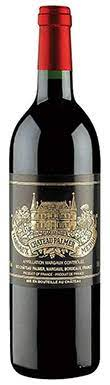

An irresistible wine from Palmer in 2020, sumptuous and voluptuous, open and appealing yet with all the elements so very carefully set in their place....
2020
Château PalmerMargaux

Château Rauzan-Ségla, Margaux, 2ème Cru Classé, Bordeaux, France, 2005
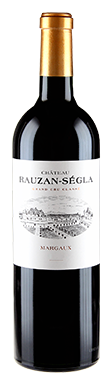
A majestic wine exuding refreshing cedar, cool blueberry and white flower aromas that lead seamlessly to a palate of impressive density, grip and length. Closing...
2005
Château Rauzan-SéglaMargaux
Château Brane-Cantenac, Margaux, 2ème Cru Classé, Bordeaux, France, 2010
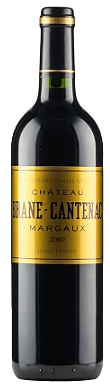
When tasted at 15 years, complexity remains. Ample florality brightens the aromas of black fruits, earth and faint hints of wood smoke. The palate shows...
2010
Château Brane-CantenacMargaux
Château Brane-Cantenac, Margaux, 2ème Cru Classé, Bordeaux, France, 2016
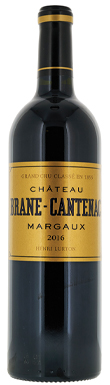
Owned by the Lurton family celebrating their centenary in 2025, this Margaux second growth estate is known for its elegance and focus on Cabernet Sauvignon....
2016
Château Brane-CantenacMargaux
Château Rauzan-Ségla, Margaux, 2ème Cru Classé, Bordeaux, France, 2016
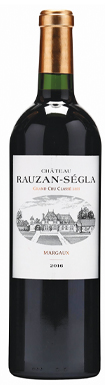
This Margaux second growth has seen a remarkable resurgence under the ownership of Chanel since 1994, with current technical director Nicolas Audebert overseeing the 2016...
2016
Château Rauzan-SéglaMargaux
Château d'Issan, Margaux, 3ème Cru Classé, Bordeaux, France, 2009
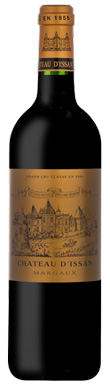
Noble aromatics of freshly cut herbs, dewy meadow grass, white flower, cassis and tobacco leaf signify a wine of finesse, with balancing acidity and showy...
2009
Château d'IssanMargaux
Château d'Issan, Margaux, 3ème Cru Classé, Bordeaux, France, 2016
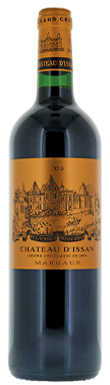
Toasty with red cherry, blackcurrant and hints of nuts, coffee, tobacco and graphite. Vibrant, with integrated tannins, mineral edges and a clean, crystalline finish. A...
2016
Château d'IssanMargaux
Château Malescot St Exupéry, Margaux, 3ème Cru Classé, Bordeaux, France, 2019
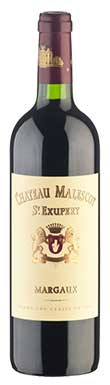
Deep dark fruit and red fruit aromas with graphite are followed by a nuanced, juicy palate with vivid fruit, bright yet suave. The tannins are...
2019
Château Malescot St ExupéryMargaux
Château Prieuré-Lichine, Margaux, 4ème Cru Classé, Bordeaux, France, 2016
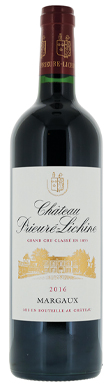
A top wine, especially for its excellent price/quality ratio. Great aromatic floral finesse. Regal elegance on the palate: smooth texture and fine-grained tannins underpin engaging...
2016
Château Prieuré-LichineMargaux
Château Kirwan, Margaux, 3ème Cru Classé, Bordeaux, France, 2010
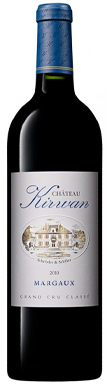
Blue fruit, dried herbs and vanilla. Juicy and high-toned, the acidity to the fore, but leaving quite a lean, salty undercurrent and a bit of...
2010
Château KirwanMargaux
Château Cantenac Brown, Margaux, 3ème Cru Classé, Bordeaux, France, 2009
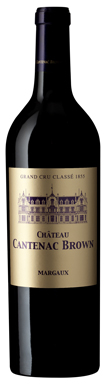
Along with brambly fruit and hints of vanilla on the nose, the finesse of the tannins is most admirable in this wine, with a palate...
2009
Château Cantenac BrownMargaux
Château Cantenac Brown, Margaux, 3ème Cru Classé, Bordeaux, France, 2016
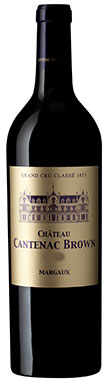
There is a good chance that this wine has closed down, but aromas nonetheless include subtle notes of violet, black cherry and cassis, presaging a...
2016
Château Cantenac BrownMargaux
Château Kirwan, Margaux, 3ème Cru Classé, Bordeaux, France, 2016
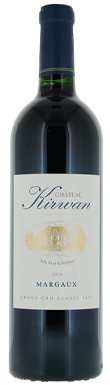
This third growth Margaux estate has seen extensive investment since the late 1990s under the stewardship of the Schÿler family, which acquired the property in...
2016
Château KirwanMargaux
Château Giscours, Margaux, 3ème Cru Classé, Bordeaux, France, 2011
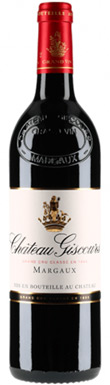
Of course the 2011s show higher acidity on average, but Giscours did a great job here, with smooth tannins and bright fruit. One of the...
2011
Château GiscoursMargaux
Château Labégorce, Margaux, Bordeaux, France, 2016
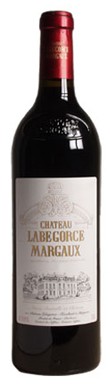
Bravo for a strong performance in an excellent vintage from this non-classified estate in the heart of the Margaux appellation. Not as diaphanous as the...
2016
Château LabégorceMargaux
Château Paveil de Luze, Margaux, Bordeaux, France, 2010
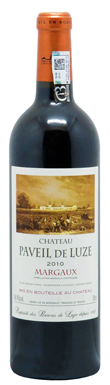
While it lacks the density of some other Margaux wines tasted at the same time, I love the wet stone, cassis, subtle truffle and black...
2010
Château Paveil de LuzeMargaux
Château Prieuré-Lichine, Margaux, 4ème Cru Classé, Bordeaux, France, 2010
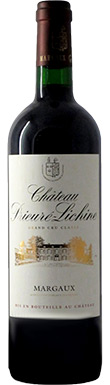
While showing off cassis and blackberry fruit, this bottle did not show a wine as well structured or as long as one would have hoped...
2010
Château Prieuré-LichineMargaux
Château Siran, Margaux, Bordeaux, France, 2016
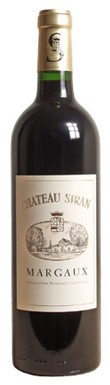
More aromatically expressive than some, with succulent red and black fruit. While a touch of heft from the 14% alcohol is discernible, it’s a very...
2016
Château SiranMargaux
Château Paveil de Luze, Margaux, Cru Bourgeois Exceptionnel, Bordeaux, France, 2016
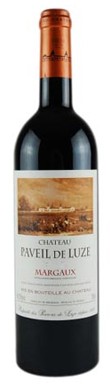
Red cherry and raspberry brightness, with tannic finesse even if a touch austere on the finish. I like the iodine finish and although this lacks...
2016
Château Paveil de LuzeMargaux
Château Siran, Margaux, Bordeaux, France, 2009
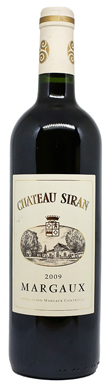
On one level, this is very appealing, with succulent baked plum and tertiary earthy aspects delivered smoothly on the palate, but a lack of precision...
2009
Château SiranMargaux
