
Ribera del Duero – five vintages you can enjoy now
The excellent quality of this northerly region’s top wines is well known, even if they aren’t always approachable in their youth. Make a beeline for the five vintages recommended here, if you want wines drinking beautifully today.


A relatively young classic on the Spanish fine wine scene, Ribera del Duero’s red wines are made mainly from Tempranillo (as is Rioja) and need considerable ageing in oak barrels to acquire their balance and silkiness, and to attain complex aromatic expression.
Ribera wines tend to improve with bottle cellaring, developing a new array of aromas and a smoother palate. There is much serious character in top Ribera wines, which have a particular style that is considered to be in line with great wines all over the world.
Scroll down to see tasting notes and scores for 10 wines from five top vintages ready to drink now
Its best wines are deemed worthy of cellaring, like great Bordeaux or Rioja, with a reasonable anticipation that they will become more valuable over time. However, speculation of that kind is still largely theoretical for Ribera, as there are (as yet) very few wines providing liquid proof of long term ageability.
The Ribera del Duero DO was created only 40 years ago, in 1982, so it could be said that Ribera has more in common with SuperTuscans or Napa icon wines.
Time will tell
Before 1982, just a handful of wineries in the region were producing quality wine, led by Vega Sicilia, for a long time a magnificent lone rider. Its Unico 1970 bottling should be in the list of greatest wines ever, in my opinion. Nonetheless, there is something in Ribera del Duero’s wines that gives confidence in their future. The firm structure, with abundant tannins that can withstand the vagaries of slow ageing in bottle; the concentration and power; the capacity to develop tertiary aromas while avoiding sliding into decadence.
In terms of climate, the region is highly continental, experiencing extreme temperature variation – both daily and seasonal – as well as many climatic hazards such as late frosts, drought and heatwaves. Because of this, vintage variation is relevant. In addition, there are myriad different terroirs in this elongated region, which is a kind of horizontal Burgundy, if you will.
Tempranillo wines need ageing in oak vats to acquire their complexity and realise their full potential; there’s no point in expecting high quality from non-aged wines. However, there are several approaches to ageing in Ribera del Duero, which may, or may not, result in extra ageability.
From five excellent vintages, I recommend here a number of wines which can be drunk now. For more recent vintages, I would select differently if I intended to recommend wines worth cellaring, since most of the top wines are far from their peak. Indeed, the last eight Ribera vintages have been excellent, meaning that top wines will require a long time to reach optimal drinkability.
1986
This is the first great vintage after the creation of the Ribera del Duero appellation in 1982. It was a year of perfect weather, with no particular incident and adequate temperatures throughout the season. Top 1986 wines brought Ribera to the attention of fine wine lovers all over the world. At the time, Ribera’s vineyards were very old, with particularly low yields and great natural balance in the grapes. This was no doubt an extra factor for quality. There was also a very small production, since fewer than 10 wineries were registering their wines at that time.
Some modern-style wines made headlines in the late 1980s, but others, such as the ones I have selected, would not be released until well into the 1990s. With a supple, more delicate style, these wines were made for this century. They represent the unique combination of the gift of nature, plenty of ambition and the luxury of slowness. They were made in the very traditional style of long ageing in barrique and bottle.
Gran reserva wines, now rare, represent, in great vintages, milestones in the Spanish wine scene. The amazing blend of complexity, silky firmness and an assertive identity was a breakthrough for the restricted number of fortunate people who could taste these wines. Many other great Riberas have been produced since, but I think that none of them will occupy the iconic status of 1986. If you ever happen to see a top 1986 Ribera gran reserva, grab it.
Tempos Vega Sicilia,Unico Gran Reserva 1986
Alejandro Fernández, Tinto Pesquera Janus Gran Reserva 1986
2001
The year of all wonders in Ribera del Duero, and many other Spanish regions, too, notably Rioja. Some experts say even the clumsiest winemaker could have produced a great wine in 2001. The season started with ideal conditions, after a moderate winter with good rainfall, leaving enough water in the soil to feed plants throughout the annual cycle. Springtime was fresh but sunny, with lovely budding. But a hard frost came in May, and the production potential was decimated. Then, a long period of low humidity and moderate temperatures kept the remaining grapes healthy. A warm summer, with short periods of very high temperatures, supported full ripening. The high temperature variation between day and night during the ripening season helped the grapes to retain good acidity.
A nightmare became a bonanza, except for the yields, which were strikingly low at 2,280kg/ha [in 2018-2021, the DO reported yields ranging from 4,134kg-5,406kg/ha, and regulations permit up to 7,000kg/ha]. Since Ribera’s vineyard area was much smaller than it is now, and only a fraction of wines were made for long-term ageing, it’s difficult to find good 2001 Ribera today. Even average wineries released wines of pure bright fruit, rounded tannins and great concentration, with lots of regional identity. The best are still improving with bottle age. I would recommend going for the top-tier names. Their wines are very likely to be in pristine shape now, and some will have potential for further improvement. I would love to be able to drink a Ribera 2001 in 2051 (not just for professional reasons… ).
Valduero, 12 Años Gran Reserva 2001
Dehesa de los Canónigos, Gran Reserva 2001
2010

This was the year of the velvet revolution in Ribera. A bunch of pioneers replaced the perennial quest for power and concentration with a much more intricate focus on balance and delicacy. Until then the region was, on the one hand, a niche for classic long-aged wines and, on the other, the flagship for muscular, fruity, oaky wines. In 2010, a few producers found a third way: in coming to understand the different terroirs, looking for the right ripeness (and avoiding any hint of overripeness), minimising the use of new oak, and limiting the emphasis on oak tannins and spicy aromas in the wines.
They did this in an ideal vintage in 2010, though it started as a catastrophe due to a late frost in May, when the buds were already developing. This delayed the vine cycle and limited yields. A rainy and windy June ensued, at which point very few people would have predicted great things for this vintage. But an almost miraculous, persistent ripening season resulted in amazing grapes, with balanced acidity and fully ripe tannins. Yields were lower than average, at 3,379kg/ha (see above, 2001), so now there’s not much 2010 left to be found. Most 2010 wines are a pleasure to drink now, however, because they have retained their bright fruit and a smooth mouthfeel. But don’t hesitate to hang on to the best: they are mere infants. Ribera producers call this vintage historic, and I couldn’t agree more.
Dominio de Pingus, Pingus 2010
Cillar de Silos, La Viña de Amalio 2010
2012
In Spain, DO authorities classify vintage quality a few months after harvest. Unfortunately, this classification is generally of little use. Theoretically, vintages can be classified as excellent, very good, good or average. In practice, most vintages are rated either excellent or very good; indeed, in the last 15 years only the terrible 2013 vintage was classified as ‘good’. There is not a lot of discernment here. Besides, these classifications refer to areas that often are remarkably large and diverse – as is the case with Ribera – but do not make any distinctions between sub-zones, not to mention individual vineyards. They group young vines destined for the ‘roble’ category (short-ageing, average-quality wine) together with rare centennial vineyards bound for glory. What’s more, I sometimes get the impression that previous years’ classifications carry as much weight as does the quality of the current vintage.
This is the case in 2012. It is ‘merely’ considered as very good, while 2009, 2010 and 2011 are ‘excellent’. At the time, many thought that the appellation could not afford a fourth-in-a-row excellent-rated vintage. It is true that weather conditions were more complicated in this season; but it’s also clear that, in some cases, the quality was outstanding – even better than 2011, in fact.
It was a year of extreme drought, which marked a huge difference in quality between old bush vineyards and younger trellised vines. For the latter it is an unremarkable vintage, with low acidity, cooked fruit and high alcohol; but for the old vines it is great. Go for wines from leading old vineyards, such as Dominio de Atauta (£28ib CrumpRichmondShaw),with its pre-phylloxera vines (none younger than 85 years), or Dominio del Aguila’s Peñas Aladas (£275 Highbury Vintners), an amazing vineyard nearing 100 years.
Bodegas Hermanos Pérez Pascuas, Gran Selección Gran Reserva 2012
Aster, Finca El Otero 2012
2019

One of the first vintages clearly influenced by the new climate patterns. Preceded by a dry winter, the season started with low water reserves in the soil. A slightly fresher than usual springtime supported the harmonious development of grapes. A first heatwave took place during flowering but luckily did not affect yields. Summer was hell, but the high altitude of Ribera’s vineyards (720m-1,100m, according to the consejo regulador), which results in diurnal temperature variation, combined with the experience of growers in dealing with long periods of high temperatures and no rain, meant that Ribera del Duero was an exception among regions in Spain. While most of the rest of the country was heavily affected by the scorching summer, in Ribera the season progressed with no major incident and perfectly healthy grapes.
Old vineyards, and those in cooler climates, benefited more than regular vines. Because of climate change, among other things, this appellation is going for a clear-cut demarcation between the great vineyards and the others. The 2019 vintage is classified as ‘excellent’. Again, I think that a distinction should have been made between top wines and the others. The wines with the best potential are not yet ready to drink, so my picks highlight wines that are delicious to enjoy now. Most producers speak highly of this vintage. I tend to agree on the quality of the best, but would like to hold back on forming an overall opinion until three to five years from now.
Portia, Summa 2019
Viña Mayor, Secreto 2019
See tasting notes and scores for 10 wines from five top vintages ready to drink now
Wines are listed youngest vintage to oldest in pairs of recommendations
Related articles
- Investing in Spanish wine: a market waiting in the wings
- Expert’s choice: Ribera del Duero wines under £30
- Ribera del Duero: eight producers to watch
Portia, Summa, Ribera del Duero, Spain, 2019
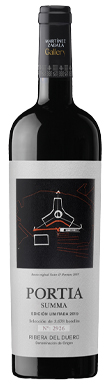

Rioja wineries have been investing in Ribera for a long time. Normally it takes them a while to grasp the nuances of the region, which...
2019
Portia

Bodegas Viña Mayor, Secreto, Ribera del Duero, Spain, 2019
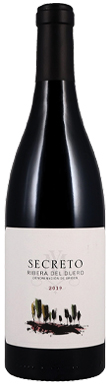
Almudena Alberca MW is moving onto higher ground with Viña Mayor year after year. This is a wine for hedonists: intensely fragrant, deftly built on...
2019
Bodegas Viña Mayor
Bodegas Hermanos Pérez Pascuas, Pérez Pascuas Gran Selección, Ribera del Duero, Spain, 2012
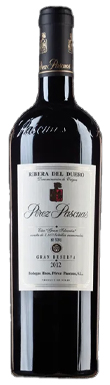
Baroque style, built on perfectly ripe fruit. Complex, with leather and spice, dried fruit and floral aromas, a touch of earthiness, with evidence of long...
2012
Bodegas Hermanos Pérez Pascuas
Aster, Finca El Otero, Ribera del Duero, Spain, 2012
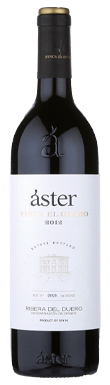
A single-vineyard wine (in Anguix, Burgos), characterised by its intensity: very dark colour, enticing aromatic nose, black and plummy fruit. On the palate it displays...
2012
Aster
Dominio de Pingus, Pingus, Ribera del Duero, Spain, 2010
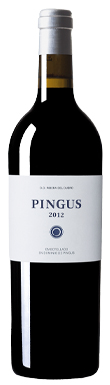
I tried this wine first at the time of release and it shocked me. Classic Pingus, oaky and muscular, was transformed into a jewel of...
2010
Dominio de Pingus
Cillar de Silos, La Viña de Amalio, Ribera del Duero, Spain, 2010
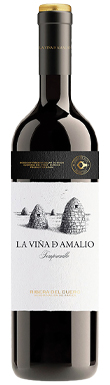
At the time this was one of the pioneer single-vineyard wines (planted in 1964), with a distinctive character. Intense nose, with lots of black fruit...
2010
Cillar de Silos
Bodegas Valduero, 12 Años, Ribera del Duero, Spain, 2001
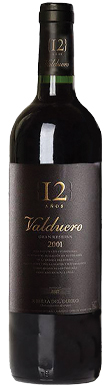
A top wine from the Gumiel area, made only in exceptional vintages, with grapes grown in three distinctive plots of mature vines. It is released...
2001
Bodegas Valduero
Bodega Dehesa de los Canónigos, Gran Reserva, Ribera del Duero, Spain, 2001
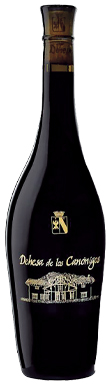
This property used to supply grapes to neighbouring Vega Sicilia until the late 1980s, when the Sanz family decided to create a winery in the...
2001
Bodega Dehesa de los Canónigos
Vega Sicilia, Único, Ribera del Duero, Spain, 1986
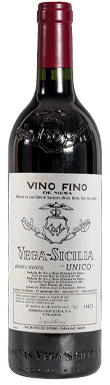
Unico is undoubtedly the global flagship of Spanish fine wines, characterised by its privileged vineyard as much as by the masterly patience of its slow...
1986
Vega Sicilia
Alejandro Fernandez, Tinto Pesquera Janus, Ribera del Duero, Spain, 1986
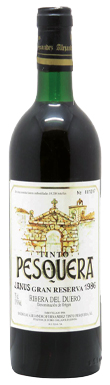
One of the most gloriously deceptive wines in the region. Made in the old-fashioned Spanish style, with long ageing in American oak barriques, from release...
1986
Alejandro Fernandez
