
Richard Mayson’s perfect case of Port
Give one of the world’s foremost experts on Port the opportunity to put together a dozen bottles of his choice, and you have a ready-made Port buyer’s guide.


In 30 years of contributing to Decanter, this is without doubt the most self-indulgent article I have ever had the good fortune to write.
I want my case of 12 Ports to last longer than the 12 days of Christmas and into the better part of the next year, or longer if I’m thinking about cellaring something special for the future. As well as fireside drinking this winter, I’m already thinking ahead to the lazy days of summer, when I want to bide my time with a glass of cool tawny in the garden. Then there’s that most wonderful of aperitifs: white Port and tonic or Portonic.
Scroll down to see tasting notes and scores for Richard Mayson’s perfect Port picks
Port, so often associated with the winter months, is very much a drink for all seasons.
The following is a personal selection of some of the best and most innovative Ports I’ve had the pleasure to taste over the past year or so. My choice covers the entire style spectrum (and most of the price spectrum), though I do admit to a penchant for suave, aged colheitas and tawnies. One of the great advantages of these wood-aged styles is you can keep a bottle open to the air and help yourself to a glass over weeks, even months.
All the wines in my perfect case are available to buy now, and there’s a great wine here for nearly every occasion – that’s the beauty of Port.
White Port
I used to be down on white Port, but it all changed when more cask-aged wines came on the market about 20 years ago. Churchill was one of the first to bottle this style of wine and since a change in the legislation there are also white Ports bottled with an indication of age, and as colheitas [single-harvest wines aged long in casks until ready for consumption]. It might seem a bit taboo, but in summer I rather like mixing an older white Port with tonic: this style of Portonic has the bittersweet zest of a Negroni cocktail but is considerably more refreshing – and you can drink more of it.
- Ferreira, Dona Antónia Reserva Branco
Ruby
A good ruby, bottled young with minimal wood-ageing captures the vibrant fruit of the Douro like no other wine. Only a young Douro red comes close, but there you have to stomach the tannins without any of the natural sweetness. Not all ruby comes up to the mark; some bargainbasement wines are raw and uninteresting. By contrast, Cockburn’s Fine Ruby (widely available at £12-£16) is a bestseller and was awarded a Gold medal in this year’s DWWA. The wine I’ve chosen is just a cut above, delicious on its own as a winter warmer, or even in a long serve, reviving the reimagined pub classic Port & Lemon.
- Cockburn’s, Tails of the Unexpected Ruby Soho
LBV
Late Bottled Vintage means just what it says: a wine from a single year or vintage that’s bottled after spending four to six years in large wooden vats or casks. It’s a style that has captured the hearts of British drinkers and has been responsible for the growth in consumption over my professional lifetime. LBV has been very price-sensitive and there are still some real bargains to be had. Supermarket Marks & Spencer won a Gold for its own-label LBV 2017 (£16 Ocado) at this year’s DWWA. I have chosen a couple of wines with real substance: one (Graham’s) filtered before bottling so that you don’t have to decant, the other unfiltered that will continue to develop in bottle should you wish.
- Graham’s, Late Bottled Vintage 2018
- Sandeman, Late Bottled Vintage 2018
Tawny
‘Tawny’ covers a continuum of colours, styles and prices of Port from relatively young reserva, through 10, 20, 30, 40 and 50 years old. Remember these are ‘indications of age’ rather than an exact statement as these are blends – and, for me, aged tawny is more about house style. I admit to a preference for a paler, more refined style of tawny than a fuller-flavoured wine. I love aged tawnies from Burmester, Ferreira, Niepoort, Poças and Sandeman, as well as the wines listed here. My preference is for 20- and 30-year old as the perfect place on that continuum, where youth and maturity seem to meet. The combination of one of these wines with a Portuguese tarte de amendoa (almond tart) a crème brûlée or even a pastel de nata (the popular custard tart) is simply heavenly.
- Ramos Pinto, Quinta de Ervamoira 10 Year Old Tawny
- Taylor’s, 30 Year Old Tawny
Colheita
It may be a coincidence but, like aged tawny, I feel that colheita (effectively vintage-dated tawny) needs 20 years or so for the tannins to soften and the melding process to be complete. However, some older colheitas suffer from elevated volatile acidity, sometimes described in my tasting notes as vinagrinho (‘little vinegar’) or ‘balsamic’. The two wines below were bottled at their peak.
- Quinta do Noval, Colheita 2005
- Barros, Colheita 1974
Single quinta vintage
The 2010s have been a golden decade for vintage Port, with classic declarations of full vintages in 2011 and from 2015 to 2020. The weakest years were 2012 and 2013, but this is only relative and a cause for celebration when single-estate Ports (quinta means simply ‘estate’) then come onto the market and provide the opportunity to drink a vintage Port, early on and at a reasonable price.
- Taylor’s, Quinta de Vargellas 2013
- Quinta do Noval, Vintage Port 2012
- Vintage
Vintage Port needs little introduction, but suffice to say it represents the cream of the crop from the best of years. I am spoilt for choice here, but older vintages (pre-1994) are now getting harder to find other than through the auction houses. Provided they have been cared for, I could happily fill my whole case with these. The 1994 vintage heralded a return to form after something of a dip in the 1970s and 1980s (though that’s not so say that these decades didn’t produce some magnificent individual wines). Here are two wines from the ‘modern’ era (of differing age and maturity) that really impressed me in the past year.
- Warre’s, Vinhas Velhas Vintage Port 2020
- Dow’s, Vintage Port 1994
Richard Mayson’s perfect Port picks:
Related articles
Port vintage guide: 2000-2021
The best after-dinner drinks
The Douro Boys: 20th anniversary tasting & 15 Ports tasted
Ferreira, Dona Antónia Reserva Branco, Port, Douro Valley, Portugal
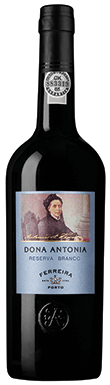

A blend of wines aged in casks of 640L for four to nine years. Old gold in colour with a bittersweet marmalade character, a floral,...
FerreiraPort

Cockburn's, Tails of the Unexpected Ruby Soho, Port, Douro Valley, Portugal
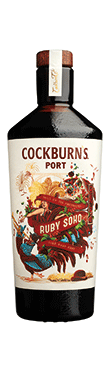
Grapes picked at night from Cockburn’s flagship estate, Quinta dos Canais in the Douro Superior. A blend of wines from three years mostly aged in...
Cockburn'sPort
Graham's, Late Bottled Vintage, Port, Douro Valley, Portugal, 2018
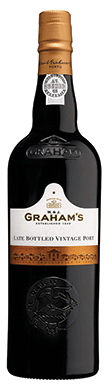
A bestseller among LBVs, the 2018 is in a lighter, more eco-friendly bottle. Gently floral, softly scented yet quite restrained on the nose. Opulent plum...
2018
Graham'sPort
Sandeman, Late Bottled Vintage, Port, Douro Valley, Portugal, 2018
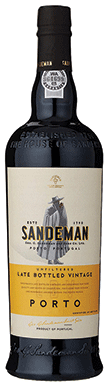
Touriga Franca and Touriga Nacional with 5% each of Tinto Cão and Sousão grown at Sandeman’s quintas Seixo and Vau. Colour so deep as to...
2018
SandemanPort
Ramos Pinto, Quinta de Ervamoira 10 Year Old Tawny, Port, Douro Valley, Portugal
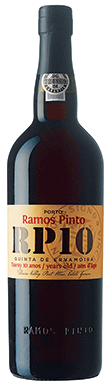
Caramelised demerara sugar aromas lead to nicely defined, rich, spicy flavours of dried fruit and caramel, with a little Douro bake and spirit on the...
Ramos PintoPort
Taylor's, 30 Year Old Tawny, Port, Douro Valley, Portugal
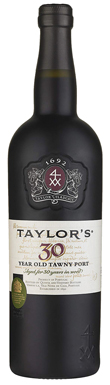
Taylor's is one of only a few houses to bottle a 30-year-old tawny – and it's a beauty. Structured, complex and lingering; mellow silky notes...
Taylor'sPort
Quinta do Noval, Colheita, Port, Douro Valley, Portugal, 2005
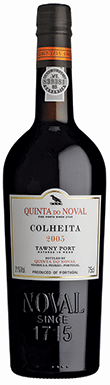
From a hot, dry year in the Douro, though this doesn’t show in the wine: a lovely brick-red hue with an amber glint on the...
2005
Quinta do NovalPort
Barros, Colheita, Port, Douro Valley, Portugal, 1974
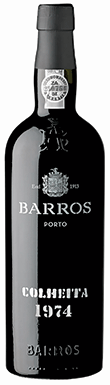
The early 1970s is a difficult era for anniversary wines but this wine, which turns 50 next year, stands out. Amber-russet with delicate, lifted aromas...
1974
BarrosPort
Taylor's, Quinta de Vargellas, Port, Douro Valley, Portugal, 2013
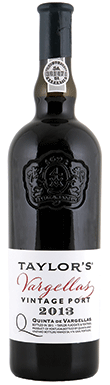
A thoroughly worthy Gold medal winner at this year’s Decanter World Wine Awards. Deep, almost opaque in colour, still youthful in appearance. Fine, restrained but...
2013
Taylor'sPort
Quinta do Noval, Port, Douro Valley, Portugal, 2012
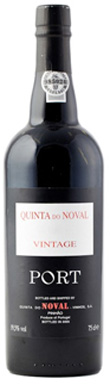
A somewhat idiosyncratic declaration in a year bypassed by most shippers; just 1,000 cases produced. Fabulous aromas of liquorice, dense yet fragrant and floral in...
2012
Quinta do NovalPort
Warre's, Vinhas Velhas, Port, Douro Valley, Portugal, 2020
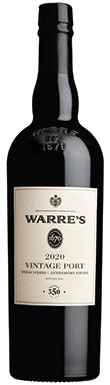
A ‘field blend’ from deep-rooted, horseploughed, 80- to 100-year-old vines at two of Warre’s leading quintas, Cavadinha and Retiro. Tiny yields from an outstanding and...
2020
Warre'sPort
Dow's, Port, Douro Valley, Portugal, 1994
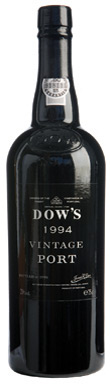
Rich but withdrawn aromas; still in an adolescent phase. Sweet and succulent with a bittersweet backdrop. A bit rustic with a plum fruit underlay. Lovely...
1994
Dow'sPort
