
Six icon wines from Rioja
These emblematic wines represent the very best of Rioja, but what makes them stand out? Whether it’s down to terroir, winemaking, ageing, or something else that simply defies description, each one has a reputation that precedes it – for good reason.


Leaving aside its most traditional meaning as a devotional image of Christ, an icon has come to mean ‘a person or thing serving as a representative symbol’, a symbol that may or may not be worthy of veneration, but certainly merits respect. I have selected six wines from Rioja that, I feel, meet this criterion.
The choice was relatively easy, although some very worthy contenders didn’t make the final line-up, including Artadi’s El Pisón, Telmo Rodríguez’s Remelluri and Benjamin Romero’s Contador, as well as several others. I have focused on wines and wineries that lend an historical perspective, and that capture the very best of the notion of tradition in this celebrated DOCa.
Scroll down to see notes and scores for 12 wines from six iconic Rioja wineries
My own Damascene moment with Rioja occurred when I first tasted the Viña Tondonia Gran Reserva and discerned a beauty, grace and elegance that differed from anything I had hitherto encountered in Bordeaux or Burgundy. A grace and elegance born out of a very special élevage and very particular terroir.
It comes as no surprise that when asked what makes their respective wines ‘icons’, both María José López de Heredia (Tondonia) and Guillermo de Aranzabal at La Rioja Alta mention ‘grape selection and ageing’. Neither the Tondonia Reserva nor the Rioja Alta 890 are from specific sites; they are blended from the very best vineyards, and then aged extensively – for 96 and 72 months respectively.
Only handed-down know-how and great commercial acumen can inspire such faith in nature’s gift. Rioja is currently going through challenging times, but its icons appear to remain steady.
It is interesting that both Manuel ‘Manu’ Muga and Vicente Cebrián at Ygay cite that the significance of their wines is the result of an evolution into something above and beyond any legislation; Cebrián, for example, is not interested in the viñedo singular label (which Ygay could certainly use) or even in the gran reserva classification. Ygay, for him, has a powerful presence in its own right: unadorned and pure, a symbol of respect and, dare one say it, reverence. A real icon, in other words. The same can be said for all the wines selected here.
CVNE, Imperial Gran Reserva
The flagship of the CVNE group, Imperial was launched in 1920 and named, rather unusually, after its Imperial pint bottlings that were destined for an appreciative British market. The EU subsequently banned the bottle size, but the name remains.
Imperial has access to the very best vineyards in the Rioja Alta region, juxtaposing, for example, sites in villages such as Torremontalbo and Villalba, which combine altitude (the latter’s vines are planted at over 600m) and grape maturity (the Torremontalbo vines are over 40 years old).
The fruit is vinified in Imperial’s beautiful winery in the Barrio de la Estación district of Haro, with the wines aged in a vaulted cellar designed in 1909 by Gustave Eiffel, taking a break from his Parisian exertions. Group CEO Victor Urrutia says: ‘I always like to think about Imperial as quintessential Rioja Alta fine wine, with its naturally high acidity that carries it into longevity… eternity does seem an exaggeration, but the older the better, really.’

Terroir is king, he says, but winemaking is also classically Rioja, with the focus on a blend dominated by Tempranillo (the balancing 15% or so is shared between Graciano and Mazuelo) and extensive ageing both in oak (a minimum of 24 months shared between French and American oak with racking taking place every eight months) and bottle (a minimum of 36 months) before commercial release.
Imperial, to many, is the iconic Rioja. Over to Urrutia again: ‘We only produce Imperial in vintages that we deem excellent. The wine has a velvet quality to it, with a “churchy” nose and firm body, but mild tannin and lowish alcohol.
These qualities are consistent vintage after vintage and go a long way towards explaining the wine’s reputation for very high quality, and its loyal following. Certainly not a big wine in the sense of a tannic, internationally styled jammy red, it defines Spanish elegance. A hug in a glass.’ I’d agree with that.
CVNE, Imperial Gran Reserva, Rioja Alta, Spain 2004 96pts

CVNE, Imperial Gran Reserva, Rioja Alta, Spain 2017 94pts

La Rioja Alta, 890 Gran Reserva
Founded in 1890 (the origin of the name of this icon wine), La Rioja Alta the company is probably the most influential in Rioja Alta the place, certainly when it comes to high-quality wines made in the traditional manner.
Five families came together to form the company and now it makes five traditional wines (890, 904, Ardanza, Arana and Alberdi), of which 890 is the flagship. There are more modern styles made these days by the group, which owns three other wineries in Spain (including Torre de Oña in Rioja Alavesa) but it is these famous five that underscore the great reputation of the house.
The 890 blend is made up of Tempranillo (95%), Mazuelo (2%) from vineyards in Briñas, Labastida and Villalba, and a balancing 3% of Graciano from an old-vine plot in Fuenmayor. The best of the best, in other words. The wine is matured for an impressive six years in barrel, including racking by candlelight every six months. It is bottled without fining or filtration and not released for another three to four years, often longer.

I ask Guillermo de Aranzabal, president of La Rioja Alta (one of the nicest men in Rioja, not for want of competition), what it is that makes 890 so special. ‘Our only purpose as winemakers is to give you pleasure. And this Gran Reserva 890 is our best try! Our centennial expertise, our oldest vines, strict selection and many years of ageing… are all concentrated in this wine.’
I often find the 890 quite tight on release (despite its decade of ageing), certainly compared to the excellent 904, but then over time it really comes into its own, offering vast complexity and incalculable pleasure. The current vintage is 2010; before it came 2001, 2004 and 2005. The next to make the cut will be 2015 and 2016. I cannot wait.
La Rioja Alta, 890 Gran Reserva, Rioja Alta, Spain 2005 96pts

La Rioja Alta, 890 Gran Reserva, Rioja Alta, Spain 2010 95pts

Marqués de Murrieta, Castillo Ygay Gran Reserva Especial
Ygay differs from other icons in this selection in that its vines are located south of Logroño and therefore away from the famous Barrio de la Estación enclave in Haro, which hosts all our other champions. The eponymous 19th-century marqués, Don Luciano Murrieta, however, makes a good claim to be the man who, alongside fellow conquistadors at Riscal and Vargas, put Rioja on the map.
His aim was to make a wine in the Bordeaux style and to shape it with a distinct Castilian twist, largely courtesy of the generous oak ageing in American wood. Luciano’s successors sold the winery to the Galician Cebrián family in 1983 and it is now the charismatic Vicente Dalmau Cebrián-Sagarriga, the Count of Creixell, to give him his full name, who runs things.
Subtle changes, such as the switch to 100% stainless steel for the fermentation and the lessening of the period in oak, have been taking place behind the fanfare that greeted the full refurbishment of the winery, which was completed in 2021. It’s a building of great splendour, with oak and steel in a dignified stand-off behind the thick stone of the Castillo.

Similar attention to detail informs Ygay the wine. The grapes come from a 30ha plot, La Plana, within the 300ha block farmed by Murrieta. Planted on a plateau at nearly 500m, the soil is dominated by limestone (more so than the Haro vineyards) and the altitude has an appreciable influence on the wine’s style. The quintessential viñedo singular? I ask Cebrián; this is the original single vineyard, surely? ‘Maybe one day,’ he replies, ‘but today it remains Ygay pure and simple. I am even contemplating removing the gran reserva wording on the back label,’ he adds.
When asked to explain why Ygay is an icon, Cebrián is eloquent: ‘It is the embodiment of everything we have learned throughout our history; a unique wine capable of transcending decades; a reflection of the vineyard from which it comes, which, in all, represents the perfect balance between past and future.’ Very well put.
Marques de Murrieta, Castillo Ygay Gran Reserva Especial, Rioja Alta, Spain 2011 95 pts

Marques de Murrieta, Castillo Ygay Gran Reserva Especial, Rioja Alta, Spain 2009 93pts

Muga, Prado Enea Gran Reserva
Prado Enea is perhaps the most modern of our six icons. Does that still make it an icon? Yes, for several reasons, its charismatic personality and sheer quality not least among them. The label dates from 1968 (Muga was founded in 1932) and is only made in the best years, averaging about six releases every decade.
The extended family (all of whom are unusually tall!) are represented by Manuel ‘Manu’ Muga when it comes to describing the significance of this wine. The key to it all is, unsurprisingly, the very special terroir. ‘The vineyards we use for its elaboration come from the surroundings of a village called Sajazarra,’ he explains. ‘It’s a borderline vineyard cultivation area that provides us with grapes of very good quality with a magnificent freshness.
This is due to its altitude (600-700m above sea level), its microclimate characterised by, among other things, its low temperatures, and for having an excellent terroir. And this allows us to elaborate a wine as balanced, fine and complex as Prado Enea.’

A blended wine, then, and one that is dominated by Tempranillo – so far, so Rioja. Ageing takes place in 100% American oak, its staves forged by the in-house cooper, who employs medium-plus levels of toasting, which lends a very particular textural richness that marks out the wine and seems to give it a slightly more ‘modern’ feel. Traditional repeated racking and a lack of filtration underwrite the wine’s distinctive personality, which somehow manages to combine a velvety texture, secondary notes on both nose and palate, and a genuine authority on the finish.
Let’s leave the last words to Manu himself: ‘The style has evolved from a wine with a concept where its profile was more tertiary, with touches of leather and a lighter layer of colour, to a more lively and full-bodied wine with better-quality oak and better-integrated wood, but maintaining the balance, smoothness, freshness and elegance that have become its hallmarks.’
Muga, Prado Enea Gran Reserva, Rioja Alta, Spain 2001 95pts

Muga, Prado Enea Gran Reserva, Rioja Alta, Spain 2016 93pts

R López de Heredia, Viña Tondonia Gran Reserva
R López de Heredia is the most traditional of all the icons celebrated here. The winery, featuring a distinctive red tower (‘Txori-Toki‘, meaning ‘birdhouse’ in Basque), dates from 1877, and the Tondonia label from 1913. You can also find wines labelled Gravonia, Bosconia and Cubillo, but Tondonia is the flagship, and the gran reserva is only released in the very best years.
Tondonia’s vines sit next to the River Ebro and run over 100ha, the soils primarily alluvial and calcareous. The winery is a forest of wood, with 14,000 225-litre barrels (all sourced in America but seasoned locally) and 70 much larger wooden vats used for fermentation, maceration, blending and storage.

The effect of the wood on the Tempranillo is to tame and nurture oxidative characteristics, to give them their own identity; savoury, truffly, gamey and deeply satisfying. Blending is key, in terms of site selection, together with the addition of small volumes of the supporting varietals, Garnacha, Mazuelo and Graciano. The last two varieties are especially important to add spicy depth and to ensure that the buttressing acidity balances the ship.
When I ask María José López de Heredia (fourth-generation owner) what makes the Tondonia Gran Reserva so special, her reply is typically idiosyncratic. ‘Before the classification of gran reserva existed it was the wine in our family to be “reserved” for very special occasions. It had to meet two key criteria: the wine had to last until the occasion arrived and then it had to be shared happily. Few wines can meet this request.’ The more you think about this simple statement, the more poignant it becomes.
R López de Heredia, Viña Tondonia Gran Reserva, Rioja Alta, Spain 2001 97pts

R López de Heredia, Viña Tondonia Gran Reserva, Rioja Alta, Spain 1995 96pts

Roda, Cirsion
Roda is by far the youngest of the five icons located in the Barrio de la Estación in Haro. It was founded in 1987, its name an amalgam of the surnames of its two entrepreneurial founders, Mario Rotllant and Carmen Daurella. Their dream was to create a very special brand; their quest, not lacking for hubris, to unearth a very particular vinous ‘concept of perfection’.
It was, or so they say, only by chance that they landed upon Rioja Alta as the best place to achieve this ambition. This vision has been carried forward by managing director Agustín Santolaya and his team since he joined in 1992.
Roda farms 125ha, 75ha of which are owned, mostly in Rioja Alta itself, mostly calcareous, and all sharing a common altitude. Its iconic wine (‘Cirsion‘ means ‘thistle’ in Latin, hence the prickly icon on the label) differs from the other five on our list. The others are merely expressions of ‘the best of the best’. Cirsion could not be more different.

The goal here, as advocated by head winemaker Carlos Díez de la Concepción, is to express above all the ‘primacy of fruit’, and it is to this end that rigorous site selection is carried out, and it is also to this end that ageing is not allowed to ‘interfere’ in any way.
No two years are sourced from exactly the same vineyards, although it is often the case that the oldest vines offer up the most impressive fruit for ensuing polymerisation. I ask Vicky Bocanegra, sales manager at Roda, what is special about Cirsion. ‘Cirsion is about deepening the best of Tempranillo, the perfect ripeness of vines that give an incredible balance, joining volume, lightness and freshness and embracing all the landscape’s feelings and the meteorological vintage to preserve them, improving for decades.’
The focus here is very much on the vines and their environment and one should not forget that the key difference between this and the other icons resides in the ageing process. No lengthy sojourn in old American oak for Cirsion; it is treated to only eight to 10 months in new French oak. Not very ‘traditional Rioja’, in other words. It is thus certainly the most iconoclastic of our icons.
Roda, Cirsion, Rioja Alta, Spain 2017 94pts

Roda, Cirsion, Rioja Alta, Spain 2020 92pts

See notes and scores for 12 wines from six iconic Rioja wineries
Related articles
R Lopez de Heredia, Viña Tondonia Gran Reserva, Rioja, Alta, Northern Spain, Spain, 2001
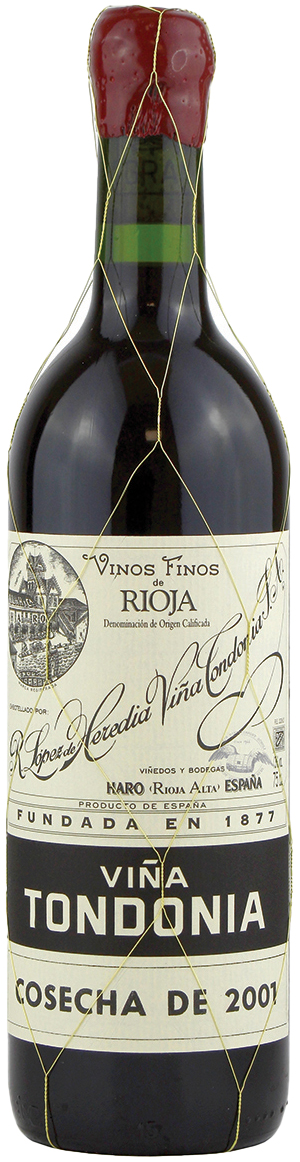

Brick red with a gentle fade at the rim; a crepuscular iridescence. The nose recalls hanging game, bitumen and a concentration of peppered strawberries; mature...
2001
R Lopez de HerediaRioja

CVNE, Imperial Gran Reserva, Rioja, Alta, Northern Spain, Spain, 2004
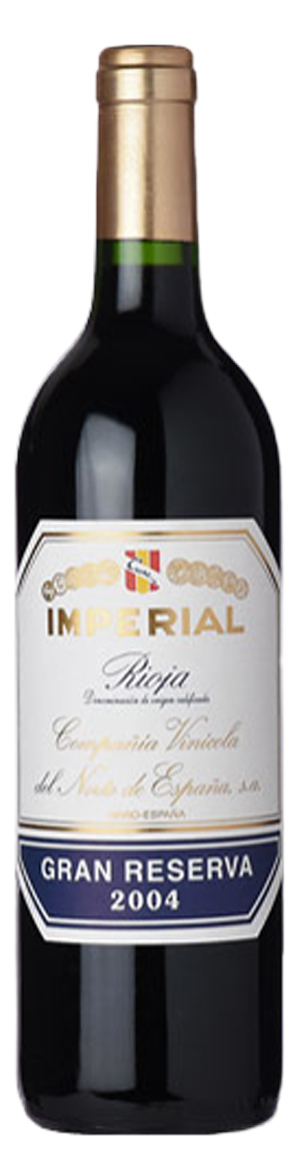
Everything that one would wish for in a mature Rioja on the cusp of its third decade; a beguiling aromatic of chamois leather, hearthside and...
2004
CVNERioja
La Rioja Alta, 890 Gran Reserva, Rioja, Alta, Northern Spain, Spain, 2005
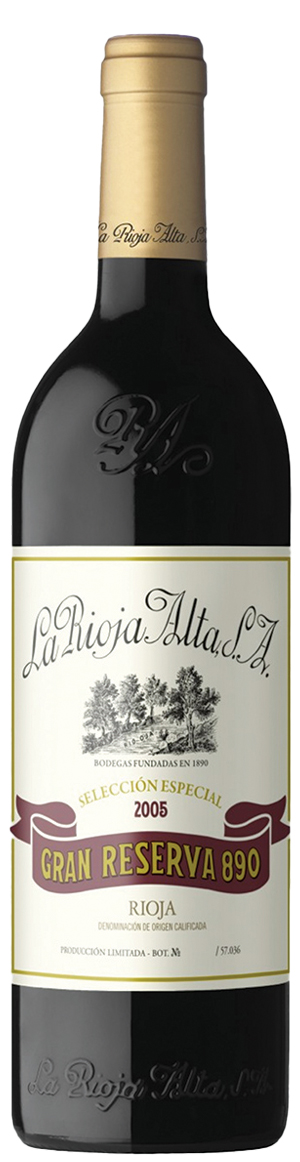
A mature colour; garnet and red brick, hessian, deeper at the core. One is immediately distracted by aromatics of truffle, forest floor and suede, behind...
2005
La Rioja AltaRioja
R Lopez de Heredia, Viña Tondonia Gran Reserva, Rioja, Alta, Northern Spain, Spain, 1995
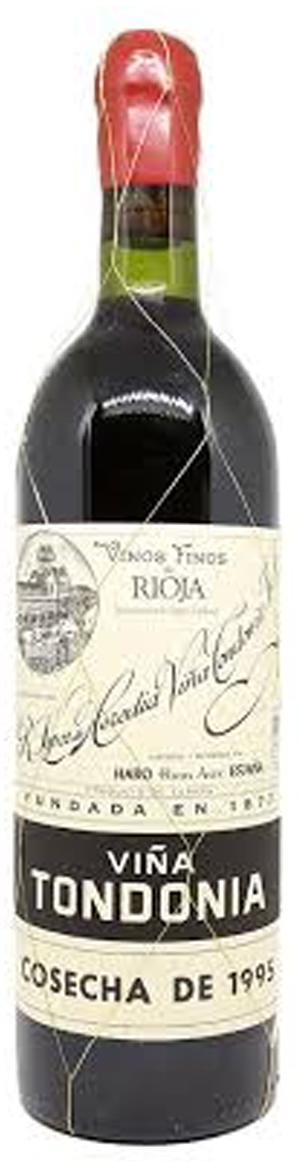
The spirit of the Tondonia vineyard which meanders alongside the River Ebro is not lost in the savoury, softly truffly magnificence of this mature example,...
1995
R Lopez de HerediaRioja
La Rioja Alta, 890 Gran Reserva, Rioja, Alta, Northern Spain, Spain, 2010
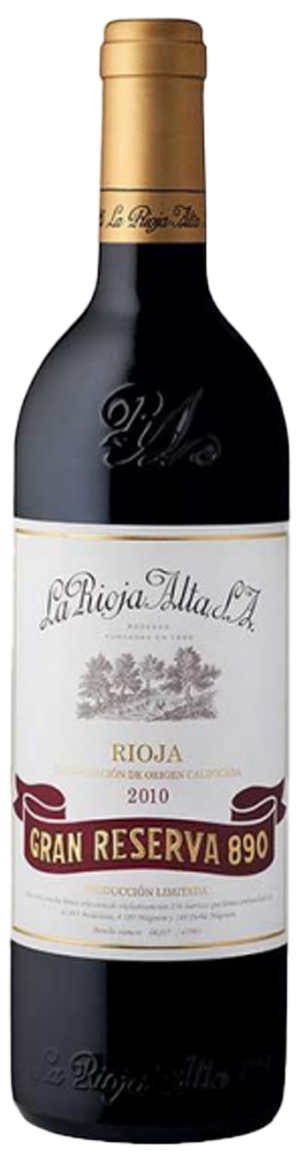
Medium garnet, deeper at the core. Classic nose of tobacco leaf, mocha, wild strawberry and soft spice, all richly evocative. Hints of iodine, hearthside and...
2010
La Rioja AltaRioja
Muga, Prado Enea Gran Reserva, Rioja, Alta, Northern Spain, Spain, 2001
Best Rioja vintage in the last 30 years? 2001 usually pips it over 2004 for me and this wine will do nothing to change my...
2001
MugaRioja
Marques de Murrieta, Castillo Ygay Gran Reserva Especial, Rioja, Alta, Northern Spain, Spain, 2011
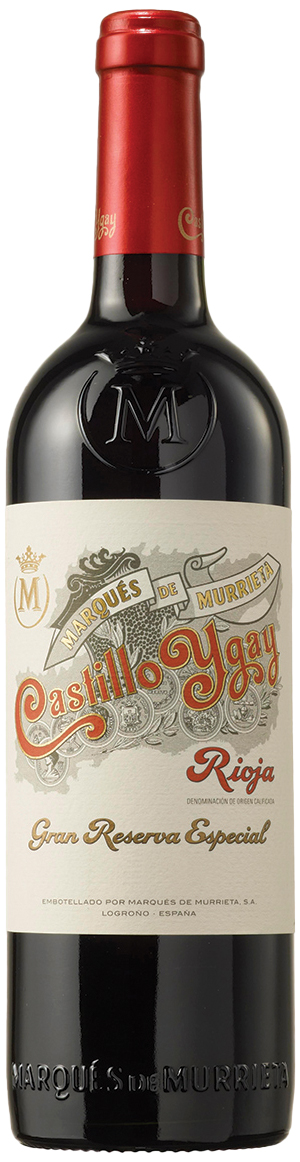
The wine is strident in (relative) youth; generous, red fruit power, blueberry and crushed raspberry to the fore, firm but unobtrusive tannins garlanding a confident...
2011
Marques de MurrietaRioja
CVNE, Imperial Gran Reserva, Rioja, Alta, Northern Spain, Spain, 2017
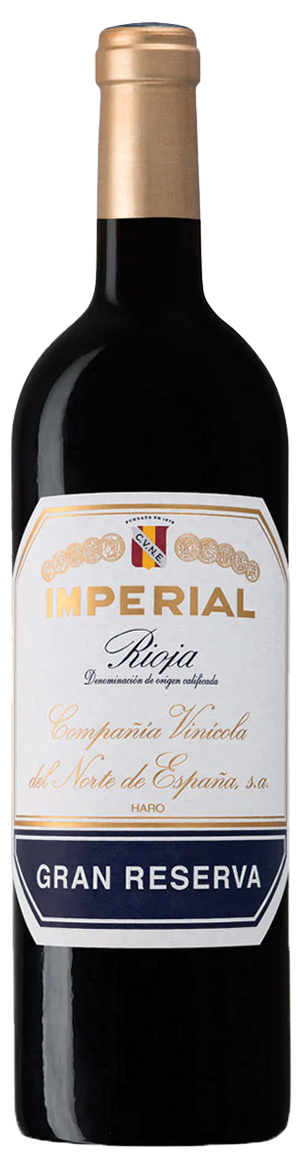
Child of a turbulent year in which frost and storms lowered the yields but also concentrated the fruit, as evidenced by the cherry-black intensity on...
2017
CVNERioja
Roda, Cirsion, Rioja, Alta, Northern Spain, Spain, 2017
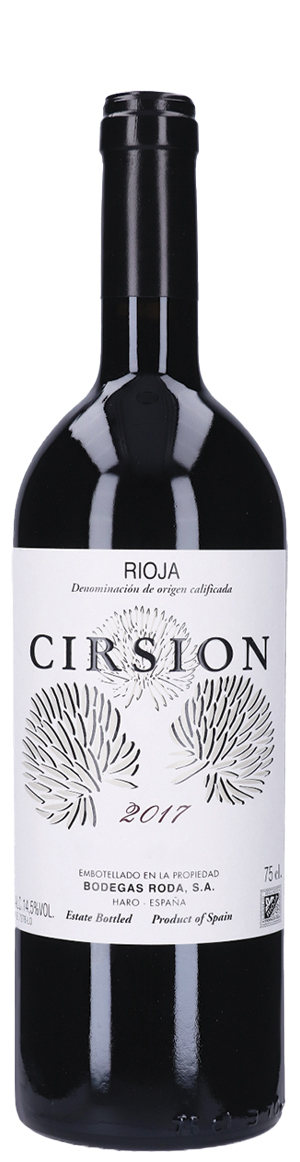
Silky, complex and ethereal, with many of the higher-value Rioja calling cards invoked but then lifted to a higher plane. Beyond the bright purple pomp,...
2017
RodaRioja
Marques de Murrieta, Castillo Ygay Gran Reserva Especial, Rioja, Alta, Northern Spain, Spain, 2009
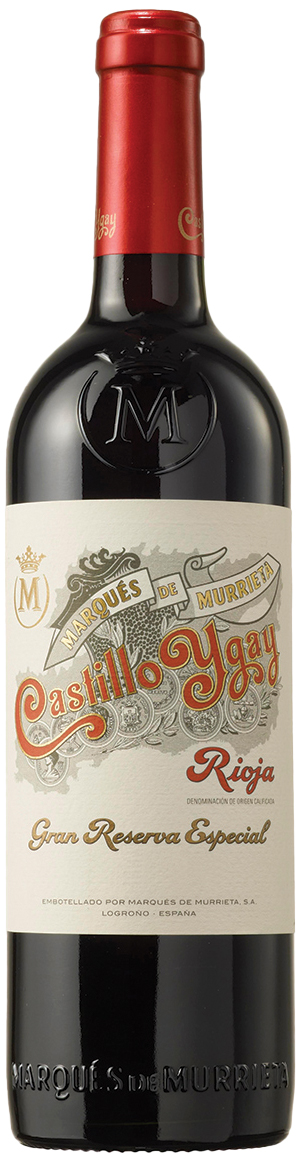
Open wild strawberry aromatics, hints of cinnamon, mocha and undergrowth and already a leathery intimation of maturity. A broad enveloping mouthfeel, tannins and acidity poised...
2009
Marques de MurrietaRioja
Muga, Prado Enea Gran Reserva, Rioja, Alta, Northern Spain, Spain, 2016
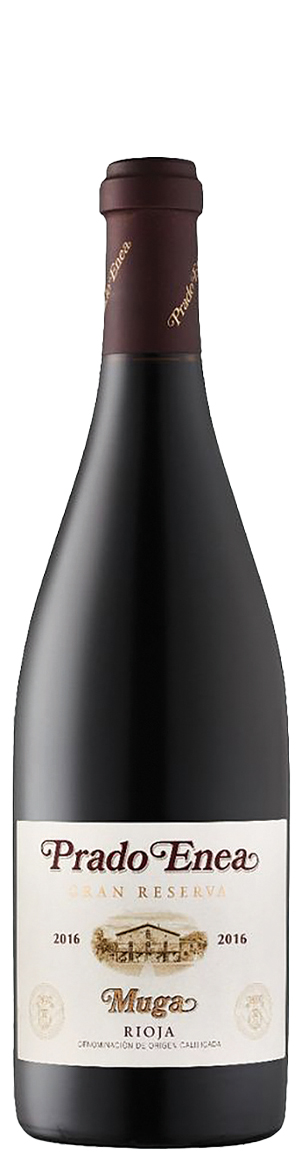
Released in Autumn 2023, this is a sturdy, brooding beast, near obsidian in colour and with a precocious aromatic dominated by tobacco, toasty oak and...
2016
MugaRioja
Roda, Cirsion, Rioja, Alta, Northern Spain, Spain, 2020
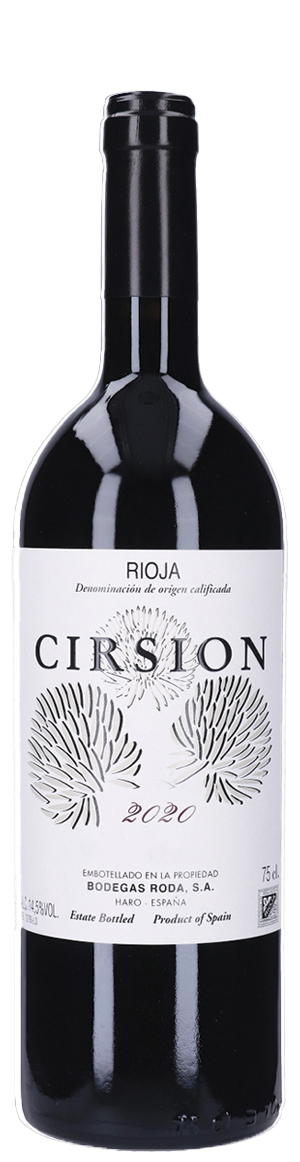
The recently released child of a mild, rainy year, described by the winery as an ‘Atlantic’ vintage, although one would not think so from the...
2020
RodaRioja
