
Texas High Plains AVA: profile plus 10 exciting wines to try
Most wine grapes in Texas are grown in the Texas High Plains AVA. This high-elevation region boasts everything from rich, structured Italian red varieties to flavourful white Rhône styles with vibrant acidity.


There’s much more to the Texas panhandle than oil derricks, row crops and windswept landscapes peppered with rolling tumbleweeds, particularly when it comes to wine.
The aptly named 41,214km2 panhandle of Texas was a result of the Compromise of 1850 wherein the state’s disputed land claims were resolved. The region is home to the Texas High Plains AVA.
Of the eight official AVAs in the Lone Star State, the scenic, central Texas Hill Country AVA claims the most attention for wine tourism, with the highest concentration of wineries and tasting rooms. Still, with more than two-thirds of the state’s vineyards, the High Plains is arguably the heart of Texas viticulture.
Scroll down for tasting notes and scores of 10 wines from the Texas High Plains AVA
It’s also considered the birthplace of the modern Texas wine industry. In the late 1960s, researchers from Texas Tech University, Robert Reed and Clinton ‘Doc’ McPherson, planted an experimental vineyard in Lubbock, the region’s primary city.
Its success would later lead to the founding of Llano Estacado Winery in 1976, which remains one of the largest producers in the state. It wasn’t until 1993 that the region would earn official AVA status. Home to more than 80% of the state’s grape output, it is the primary source of fruit for Texas wine producers.
Though the region spans 109,000ha west from Lubbock to the New Mexico border, the High Plains has an estimated 2,000ha under vine. Most vineyards are farmed by long-time agricultural families who have historically grown row crops such as cotton, soy and peanuts – another distinguishing factor for the region.
Many of these farmers grew up never having had a glass of wine. But they knew how to farm. Over the past few decades, severe droughts have pushed many families to seek more drought-tolerant crops. Fortunately, with the rise of Texas winemaking, many producers convinced farmers to begin planting grapes.
‘The majority of the growers in this region come from generational farm families who have worked the fields with hoes in their hands as well as with extremely precise mechanised agriculture for decades,’ says Katy Jane Seaton of the family-owned Farmhouse Vineyards, which manages more than 40ha of vineyards.
‘We’ve taken that knowledge and passion for the land and applied it to wine growing as part of a way to keep future generations in the industry.’

Soils and climate
The region’s unique location is atop the Llano Estacado, a mesa that rises steeply from the northern portion of Hill Country. Spanning more than 60,000km2, the Llano Estacado is one North America’s largest tablelands.
However, the terrain looks flat, with neither a rise or grove of trees for kilometres, the elevations throughout the Llano Estacado range between 900m and 1,400m. By comparison, the Texas Hill Country is 350m to 700m.
Spanish for ‘Staked Plains,’ the area received its name for its vastness. Early 17th-century explorers were often disoriented by its emptiness and would stake the ground to help navigate a straight line.
The landscape is generally flat, arid and desolate, with a perpetual wind that kicks up sandy dust from the alkaline-rich caliche that cover a subsoil high in calcium. The soils are deep with almost universally red, iron-rich sands, sandy and clay loams, and a hard-pan crust of calcium-rich caliche outcroppings throughout.
During the growing season, temperatures swing between more than 37°C during the day and below 15°C at night, affording grapes sufficient cooling for ripening.
While wind and a relatively dry growing season help mitigate disease pressure for vineyards, the most significant challenges include late spring frosts, early fall freezes and the threat of hail from thunderstorms.
Still, the High Plains yields some of the best grapes in the state.
‘In the High Plains, you get the warm Texas sun, but the cooler nights allow the grapes to slow down for ripening. It helps create a different richness in the wines,’ says Ron Yates, who has grown grapes in the Hill Country for over a decade.
Yates also sources many of his grapes from High Plains for his two labels, Ron Yates Winery and Spicewood Vineyards.
The grapes
When McPherson and Reed originally planted their experimental vineyard in 1968, they started with Sangiovese, Cabernet Sauvignon and a handful of other French varieties. McPherson felt the soils and the growing environment was similar to the warmer areas of Italy.
At the time, Bordeaux and Burgundian varieties were the most marketable in the US. For the next few decades, this is what early Texas producers planted. But it was McPherson’s son, Kim McPherson, who took a strong interest in warm climate varieties from the Rhône Valley.
Others felt Tempranillo and Italian varieties such as Montepulciano, Vermentino, and Aglianico were best suited for Texas. As a result, the past 15 years have seen a proliferation of warm-climate plantings.
Cabernet Sauvignon, Chardonnay and other Bordeaux varieties still have a strong presence. Still, new plantings of these have dwindled in favour of grape varieties from the warmer growing regions of France, Spain, Italy and Portugal. In particular, some of the most promising include Picpoul Blanc, Cinsault, Albariño, Sangiovese and Montepulciano.
‘What’s great about Texas is we have no rules regarding what we can plant, which has allowed us to try new things,’ says Yates. ‘There has been a lot of room for experimentation with different grape varieties and blends. That’s not something you can do in the Old World, but it’s something we’re taking advantage of.’
‘We’re still young in our winemaking history, so we have time to figure out what works best. That makes making wine here so much fun; the sky is the limit.’
Texas High Plains AVA: 10 wines to seek out
Related content
Texas Hill Country for winelovers: the places to know
Texas wine: travel guide plus 10 top bottles worth seeking out
Great orange wines for autumn: 12 to try
Lost Draw Cellars, Picpoul Blanc, Texas High Plains, Texas, USA, 2021
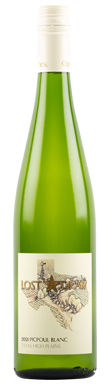

<p>This French grape from the Southern Rhône seems to thrive in the hot, arid soils of the High Plains. Its resilience against heat and drought...
2021
Lost Draw CellarsTexas High Plains

Duchman Family Winery, Dutchman Family Roussanne, Texas High Plains, Texas, USA, 2020
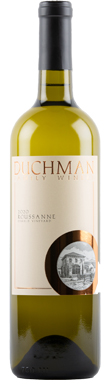
<p>Roussanne has fast become a favourite among Texas winemakers for its vibrance and versatility in the cellar. This selection is bright with floral aromas and...
2020
Duchman Family WineryTexas High Plains
Adelphos Cellars, Chenin Blanc, Texas High Plains, Texas, USA, 2019
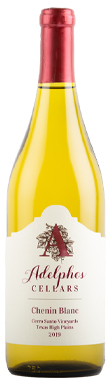
This versatile grape variety may thrive in the cool climate of the Loire Valley and in the sunny, coastal vineyards of South Africa, but it...
2019
Adelphos CellarsTexas High Plains
Llano Estacado Winery, Newsom Vineyards Sangiovese, Texas High Plains, Texas, USA, 2019
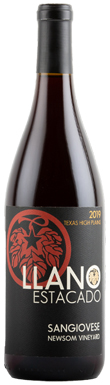
<p>This Sangiovese hails from the far western border of the High Plains near New Mexico at Newsom Vineyards, one of the highest in the region...
2019
Llano Estacado WineryTexas High Plains
McPherson Cellars, Lahey Vineyards, Fulton Block Syrah, Texas High Plains, Texas, USA, 2019
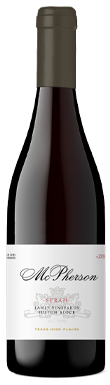
<p>This special 'block' release from Lahey Vineyards in the south-central part of the region spotlights the prowess Syrah can exhibit here. This wine is brimming...
2019
McPherson CellarsTexas High Plains
Pedernales Cellars, Valhalla, Texas High Plains, Texas, USA, 2018
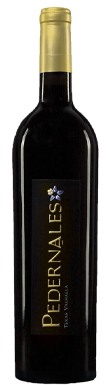
<p>This Italian blend features Dolcetto, Sangiovese and Teroldego, offering a glimpse into the strength of Italian varieties in the High Plains. Ripe black cherry and...
2018
Pedernales CellarsTexas High Plains
Ron Yates, Friesen Vineyards Tempranillo, Texas High Plains, Texas, USA, 2019
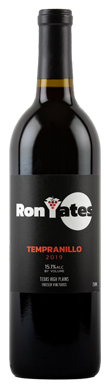
<p>From the south border of the region, the Friesen Vineyards Tempranillo offers notes of ripe blackberry and baked fig, framed by warm cinnamon, clove and...
2019
Ron YatesTexas High Plains
C.L. Butaud, Blanc de Noir, Texas High Plains, Texas, USA, 2021
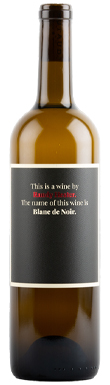
This playful experiment with red Grenache fermented into a white wine proved impressively successful for winemaker Randy Hester of C.L. Butaud. Aromas of white flower...
2021
C.L. ButaudTexas High Plains
English Newsom Vineyards, Malbec, Texas High Plains, Texas, USA, 2019
<p>This wine makes a compelling case for structured, complex Malbec in Texas. With an inky, concentrated hue, aromas of blackcurrant and ripe, red cherry joined...
2019
English Newsom VineyardsTexas High Plains
Wine for the People, La Valentía Friesen Family Grenache, Texas High Plains, Texas, USA, 2021
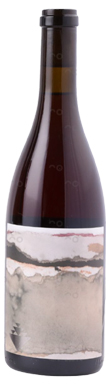
<p>Another wine grown in the Friesen Vineyards, this Grenache offers a pale, light hue in the glass, but delivers powerful flavour and complexity. A fresh...
2021
Wine for the PeopleTexas High Plains
