
The new Super-Italians: 12 essential, new-wave Italian wines
This is the very best in modern Italian winemaking. New ideas, new enthusiasm and new styles. Our experts pick 12 excellent wines to showcase the renaissance.


Today, the wine landscape of Italy is reaping the benefits of change. A new generation of winemakers are bringing energy and innovation to complement the knowledge and experience of their forebears.
So we thought it was time to highlight this reinvigorated Italy. Loosely inspired by the SuperTuscans – those wines that side-stepped Tuscan traditions and regulations five decades ago to forge a new path for quality-minded producers – our concept of the ‘new Super-Italian’ is to group together wines from across Italy that merit attention for their forward-looking, even groundbreaking philosophies.
Scroll down to see our experts’ tasting notes and scores for 12 fantastic ‘Super-Italian’ wines
We asked four of our Italy experts to nominate three wines each from their respective regions of speciality. And the wines they chose certainly reflect the new, progressive Italy.
High-altitude and morning sun-facing vineyards are becoming increasingly important as a way to combat the ever-warming climate – indeed, the Brunello di Montalcino authorities have removed the region’s upper altitude limit of 600m, effective from the 2016 vintage.
Fungus-resistant ‘PIWI’ hybrid varieties are gaining traction too, especially in the cool northeast, to reduce pesticide usage and provide a gateway to organic farming. Indigenous varieties are championing terroir and sympathetic winemaking on a scale not seen before. Meet the new Super-Italians.
Introduction by James Button.
Northwest – Michaela Morris
Escalating land costs in Barolo and Barbaresco combined with the changing climate have drawn attention to Nebbiolo’s lesser-known, cool alpine zones. These stretch from Valtellina in Lombardy all the way to the border with France and Switzerland, where the Valle d’Aosta is located, abutting Piedmont’s minuscule appellation of Carema. After years of abandonment due to the gruelling mountainous terrain, a dynamic new generation is slowly reversing this.
The same can be said of Alto Piemonte’s multiple denominations. Among these, Gattinara was thriving as long ago as the 1500s but fell into decline after its 19th-century apogee. It is now on the path to its former glory – helped by one of Italy’s most revered names, Roberto Conterno.

Beyond Nebbiolo, rare native grapes are enjoying a booming revival in the northwest. Simmering with potential, the once almost-extinct Timorasso stands out for its complex, ageworthy whites as exemplified by one young gun who has returned to his roots. Northwest Italy’s new Super-Italian trio represents a safeguarding of native grapes and precious terrain. They ally respect for tradition with modern expertise. What is new is old; what is old is new. Michaela Morris
Veneto & Northeast – Richard Baudains
‘Super-wines’ have that wow factor that makes you sit up and take notice; that special character that makes them memorable. But more than that, they each have a story that makes them stand out. It might be to do with a terroir, a grape or an inspirational winemaker, or often a combination of all three. Here are three such stories.
Col del Vent is a unique plot of ancient vines in Valdobbiadene that Nino Franco has rescued in order to affirm the individuality of terroir in the context of a wine – in this case, Prosecco, which is often perceived as a standardised, commercial product.

Kristian Keber from Collio, meanwhile, is one of the rising stars of natural wine – a horrendously inadequate term, but one with undeniable currency. He has given an already highly respected family winery a new dimension.
Finally, Thomas Niedermayr from Alto Adige is a pioneer of PIWI varieties, which represent the new frontier in organic viticulture. He has won over sceptics of the genre with wines of class and character. Richard Baudains

Tuscany & central Italy – Aldo Fiordelli
A renewed mindfulness has washed over several Italian regions stimulated by the threat of global warming and a market that is relentless in its quest for biodiversity. In this context, one can interpret the role of Pievalta – which lays claim to being, since 2008, the first certified biodynamic estate in Marche on the Adriatic coast – as ‘Super-Italian’. Its San Paolo Riserva Verdicchio dei Castelli di Jesi Classico Superiore has already demonstrated its elegance and ability to age, and the latest vintage is the first to be partially fermented in oak.

If Super-Italian to you means ‘super-premium’, then the wise collector should add Tenuta di Biserno’s Lodovico to their cellar. This Cabernet Franc-based blend from Bibbona, just above Bolgheri, is made by Lodovico Antinori, founder of Ornellaia and Masseto. In Montalcino, the warming climate is redrawing some of the best plots. San Filippo’s Le Lucére is an elegant, fresh Brunello made with flair by Roberto Giannelli. It has consistently been one of the best wines within the appellation for the past four or five vintages. Aldo Fiordelli

South & islands – Susan Hulme MW
The term ‘Super-Italian’ conjures up a wine that has an extra magical factor – an excitement that stops you in your tracks. Such wines are grounded in a rich Italian viticultural tradition but deliver something that lifts them above their peers.
Southern Italy and its islands have a great potential to develop wines in this vein, due to their incredible wealth of indigenous grape varieties and their many old-vine heritage vineyards.

My three nominations from southern Italy are all exciting not just because they taste great and are supremely well made, but also because each represents a new, surprising twist on a strong local tradition: Mastroberardino’s Stilèma is an innovative new wine in a range of three from Campania’s most historical producer; Sardinia’s Siddùra puts an intriguing spin on Vermentino di Gallura; and Idda is a new Sicilian collaboration between two wine-producing giants, Gaja from Piedmont and Graci on Etna. Susan Hulme MW
See tasting notes and scores for 12 top Super-Italian wines:
Related content
SuperTuscans at 50
Italy’s top wine consultants: the names and wines to know
High Street Italy: great choices under £20
Nino Franco, Nodi Brut, Prosecco, Conegliano-Valdobbiadene Superiore, Veneto, Italy, 2019
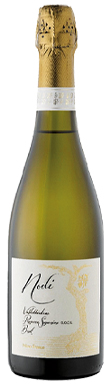

When Nino Franco discovered the Col del Vent vineyard in 2014, he said it was like taking a step back in time. He found the...
2019
Nino FrancoProsecco

Edi Keber, Collio, Friuli-Venezia Giulia, Italy, 2019
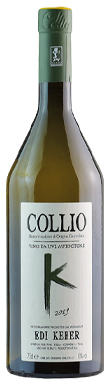
A typical Collio estate may produce up to a dozen monovarietal wines from local and international grapes. Edi Keber was the first in the region...
2019
Edi KeberCollio
Mastroberardino, Stilèma, Greco di Tufo, Campania, Italy, 2017
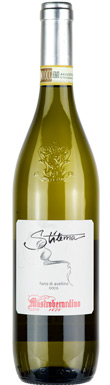
Designed to recapture what Piero Mastroberardino considers the golden era of the estate's Greco di Tufo wines - the 1970s - Stilema undergoes long ageing...
2017
MastroberardinoGreco di Tufo
Pievalta, San Paolo Riserva, Verdicchio dei Castelli di Jesi, Classico Superiore, Le Marche, Italy, 2019
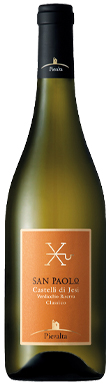
The San Paolo vineyard lies on the right bank of the Esino river, on Monte Follonica. A steep hill with a 20% gradient and northeastern...
2019
PievaltaVerdicchio dei Castelli di Jesi
Thomas Niedermayr, Hof Gandberg Souvignier Gris, Mitterberg, Trentino-Alto Adige, Italy, 2018
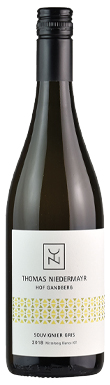
Hof Gandberg is on the high slopes of Appiano on the right bank of the Adige. The Niedermayrs began the conversion to PIWI in the...
2018
Thomas NiedermayrMitterberg
Siddùra, Bèru, Vermentino di Gallura, Superiore, Sardinia, Italy, 2016
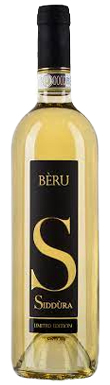
Siddùra impressed me so much when I first came across the estate in 2016. The wines are lively, fresh and – just like the winery...
2016
SiddùraVermentino di Gallura
Idda, Sicilia, Sicily, Italy, 2020
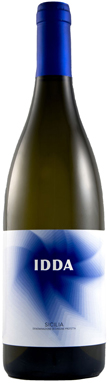
This wine represents a collaboration between two leading producers, Gaja from Piedmont and Graci from Etna. They bring all their skill and knowhow to this...
2020
IddaSicilia
Vigne Marina Coppi, Fausto, Colli Tortonesi, Piedmont, Italy, 2018
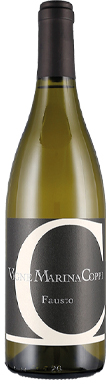
After completing winemaking studies, Francesco Bellocchio established vineyards on land in the tiny village of Castellania that had belonged to his cyclist grandfather Fausto Coppi....
2018
Vigne Marina CoppiColli Tortonesi
Tenuta di Biserno, Lodovico, Toscana, Tuscany, Italy, 2018
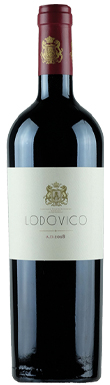
Produced since 2007 in Bibbona, bordering Bolgheri, Lodovico is a relatively young label managed by Lodovico Antinori. Annual production is below 10,000 bottles, and the...
2018
Tenuta di BisernoToscana
San Filippo, Le Lucére, Brunello di Montalcino, Tuscany, Italy, 2017
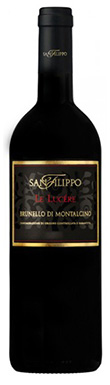
Le Lucére is a single vineyard of 3.5ha planted in 1996 below Salvioni and La Cerbaiona in Montalcino and producing about 13,000 bottles annually. Gentle...
2017
San FilippoBrunello di Montalcino
Nervi Conterno, Gattinara, Piedmont, Italy, 2017
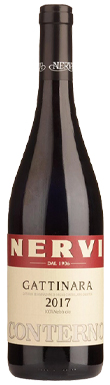
Roberto Conterno’s purchase of the historic Cantina Nervi in 2018 signals a new Super-Italian reality, casting a spotlight on this underrated denomination. Conterno saw the...
2017
Nervi ConternoGattinara
SorPasso, Carema, Piedmont, Italy, 2018
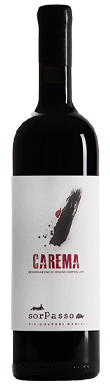
Consisting of Nebbiolo from heroically farmed slopes on the border between Piedmont and Valle d’Aosta, with a dollop of minor grapes such as Ner d’Ala,...
2018
SorPassoCarema
