
Twenty fresh and crisp Spanish wines from the land of Albariño – Rías Baixas
It’s mostly about Albariño in this southwestern corner of Galicia, and the now-familiar fruity white has won legions of fans. Discover some new favourites in this lineup of current Rías Baixas releases, plus a few other surprises.


The 4,800ha wine region now known as Rías Baixas first gained appellation status in the early 1980s, as DO Albariño.
However, when Spain joined the EU in 1986, a geographic designation became mandatory and the name Rías Baixas was chosen.
This term refers to the picturesque estuaries that shape Galicia’s west coast, the source of superb fish and other seafood.
The main wine-producing area of Rías Baixas, Salnés, is strategically located between the Arousa and Pontevedra estuaries.
Nevertheless, according to the DO Rías Baixas 2025 vintage report summary, this area accounted for 65% of the wider region’s grape output in the 2025 harvest.
There are four other sub-zones in Rías Baixas. O Rosal, in the south, is the only one of these that faces the sea, at the mouth of the river Miño, which marks the border with Portugal.
Further inland, upriver, lies Condado do Tea, a warmer, drier area. A little to the north, between Condado do Tea and Salnés, lies the tiny Soutomaior.
And to the north of Salnés, also inland, is Ribeira do Ulla, an emergent area for larger planting operations given the DO’s smallholding area of 4,800ha distributed across about 24,000 plots.
It’s no surprise that, in the past, people made the most of the land by growing vegetables under the vine pergolas.
Albariño explosion

Picking Albariño on pergola-trained vines
Given there were just over 200ha of Albariño in all of Galicia in 1999 (according to data from the Spain vineyard register, compiled by Madrid’s agricultural research institute IMIDRA), the DO has experienced meteoric growth.
Climate change has certainly helped.
As part of ‘Green Spain’, Rías Baixas remains one of the wettest wine regions in the world, with an annual average rainfall of 1,400mm-1,600mm.
Organic growing is still rare, but summers are drier now. ‘We’ve gone from harvesting in autumn to summer,’ says Eulogio Pomares of Bodegas Zárate. ‘This has solved many issues related to botrytis, poor ripeness and rainfall at harvest time.’
The largest vineyard areas are controlled by the cooperatives in Salnés, such as Martín Códax, Paco & Lola and Condes de Albarei.
The rest is shared among small- to medium-sized local producers and external players, notably from Rioja, which have been setting up in the area since the late 1980s. Most of them buy grapes from local growers.
With consumption of white wines on the rise, the last decade has seen a second wave of investors, including Ribera del Duero’s Vega Sicilia, whose much-anticipated first release from its new Bodegas y Viñedos Deiva project in Crecente (Condado do Tea) is scheduled for 2027.
This has caused an increase in demand for grapes, rising prices and new plantings, which have eventually led to a major correction in grape prices in 2025, when the area harvested a record 47.5 million kilograms.
Another generous harvest will probably challenge wine sales.
Levelling up
A growing number of producers are now focused on premiumisation.
This is usually achieved by either extending ageing of the wine on lees to gain complexity and ageing potential; by introducing vessels other than stainless steel (oak foudres, concrete, granite, amphorae); by focusing on specific soils or areas; or by producing single-vineyard wines.
There’s plenty to choose from. Most vineyards in Rías Baixas are planted on granite soils that have undergone varying degrees of weathering.
This often results in a sandy texture that has preserved small batches of ungrafted and pre-phylloxera vines. Schist veins and alluvial deposits can also be found in most sub-zones.
Other differences can also be brought about by elevation of vineyards, exposure and proximity to the sea and rivers. The drawback of most single-vineyard wines is that they’re produced in limited quantities.
Points of difference
With Albariño accounting for 97% of overall production in Rías Baixas, there’s little room for other varieties.
However, choosing to produce Godello, Treixadura (more common in Condado do Tea) or Caíño Blanco – a variety recovered by Terras Gauda in O Rosal – is a way to stand out.
White blends are more common in Condado do Tea, thanks to the presence of Treixadura, and O Rosal, the sub-zone featuring more varietal diversity, yet this category remains uncharted territory when it comes to high-end wines.
Traditional-method Albariño sparkling wines and reds are the two other small slices of the Rías Baixas pie.
With their vigorous bubbles and relatively high prices, it’s difficult for Albariño to compete with Cava and other Spanish sparkling wines, but extended ageing might help change that.
With alcohol levels of around 11%-12% – probably the lowest in Spain – the Rías Baixas red wines are a small but interesting category.
Climate change, together with some excellent local varieties, such as Espadeiro, Caíño and Brancellao, will undoubtedly boost the category.
Pioneer red wine producer Forjas del Salnés has been perfecting its selection process since 2024, and the winery now harvests grapes at different stages, relying exclusively on fully ripe berries.
This results in wines with more fruit and a slightly higher alcohol content, while retaining the area’s natural acidity.
20 of the best from Rías Baixas (and not just Albariño)
Related articles
- Red international varieties in Spain: Panel tasting results
- Wines of the Year 2025: Spain & Portugal
- Spain & Portugal newsletter: Sign up today
Forjas del Salnes, Leirana Finca Genoveva Albariño, Rías Baixas, Galicia, Spain, 2023
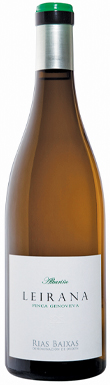

With the help of Bierzo’s star producer Raúl Pérez, Rodrigo Méndez has built an unrivalled portfolio of white and red wines in Rías Baixas. Made...
2023
Forjas del SalnesRías Baixas

Albamar, Finca O Pereiro Albariño, Rías Baixas, Galicia, Spain, 2024
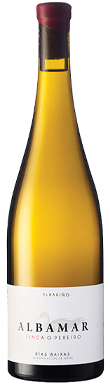
O Pereiro is an exceptional single-vineyard Albariño sourced from a plot of sandy and clay soils on the mouth of the river Umia in the...
2024
AlbamarRías Baixas
Lagar de Fornelos, Lindeiros Albariño, Rías Baixas, Galicia, Spain, 2022
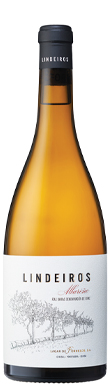
Originating from a vineyard in Cambados (Salnés) purchased in 2021, Lindeiros is aged for 12 months in egg-shaped concrete vats (10%), 400-litre French oak barrels...
2022
Lagar de FornelosRías Baixas
Martín Códax, Arousa, Rías Baixas, Galicia, Spain, 2022
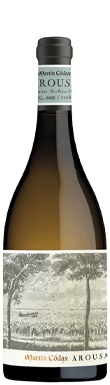
This is probably my favourite wine from Rías Baixas’ leading cooperative. As part of a new range focusing on specific sites and landscapes, Arousa Albariño...
2022
Martín CódaxRías Baixas
Pazo Barrantes, Gran Vino Albariño, Rías Baixas, Galicia, Spain, 2022
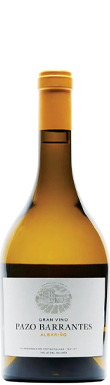
Marqués de Murrieta’s venture in Rías Baixas was overhauled in 2019 to focus on ageworthy whites. The flagship Pazo Barrantes, which is now aged in...
2022
Pazo BarrantesRías Baixas
Pazo Señorans, Colección Albariño, Rías Baixas, Galicia, Spain, 2021
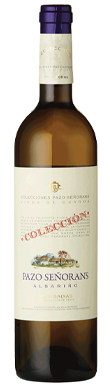
No other producer in Rías Baixas has worked harder to prove how beautifully Albariño can age. The Colección shows that this ability isn’t limited to...
2021
Pazo SeñoransRías Baixas
Adegas Castro Brey, Sin Palabras Crianza en Hormigón Albariño, Rías Baixas, Galicia, Spain, 2023
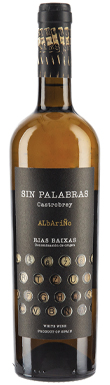
<p>Adegas Castro Brey’s flagship Albariño Sin Palabras is released in different versions: stainless steel, concrete, tinaja and glass demijohn. The concrete instalment (<i>hormigón </i>in Spanish)...
2023
Adegas Castro BreyRías Baixas
Lagar de Besada, Baladiña Barro Albariño, Rías Baixas, Galicia, Spain, 2016
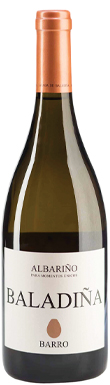
Barro (‘clay’) is the result of ageing for six years in tank, one year in tinaja and a further two years in bottle. It offers...
2016
Lagar de BesadaRías Baixas
Mar de Frades, Finca Monteveiga Albariño, Rías Baixas, Galicia, Spain, 2020
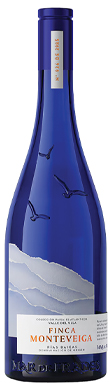
The Ramón Bilbao group’s new range of single-vineyard wines has expanded to the sub-zone of Ribeira do Ulla. The Albariño grapes are sourced from a...
2020
Mar de FradesRías Baixas
Nanclares y Prieto, Alberto Nanclares Albariño, Rías Baixas, Galicia, Spain, 2022
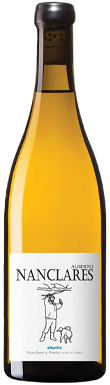
Alberto Nanclares and his partner Silvia Prieto are deeply attached to their vines and committed to minimal intervention and separate fermentations. Their wide range of...
2022
Nanclares y PrietoRías Baixas
Zarate, Albariño, Rías Baixas, Galicia, Spain, 2024
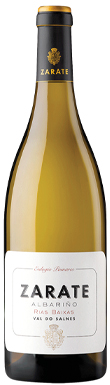
A perfect introduction to Albariño from Salnés in a beautiful vintage that resulted in full ripeness and excellent balance. Bodegas Zárate pioneered quality white wine...
2024
ZarateRías Baixas
Bodegas Terras Gauda, La Mar, Rías Baixas, Galicia, Spain, 2023
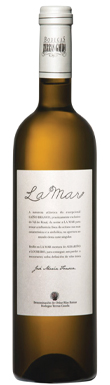
Late-ripening Caíño Blanco, which typically makes up 98% of this wine, is a rarity well worth trying. Here it offers notes of hay and white...
2023
Bodegas Terras GaudaRías Baixas
La Cana, Albariño, Rías Baixas, Galicia, Spain, 2024
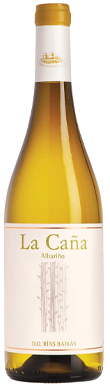
Wine importer turned winemaker Jorge Ordóñez’s flagship Rías Baixas white comes from pergola-trained vines in Salnés (85%), Condado (10%) and Ribeira do Ulla (5%), resulting...
2024
La CanaRías Baixas
La Val, Orballo Albariño, Rías Baixas, Galicia, Spain, 2024
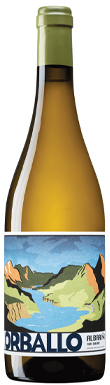
Following its acquisition of La Val, Rioja’s CVNE has quickly set out to explore Rías Baixas. This wine, sourced from a schist plot facing the...
2024
La ValRías Baixas
Pazo Torre Penelas, Blanco Granito Albariño, Rías Baixas, Galicia, Spain, 2023
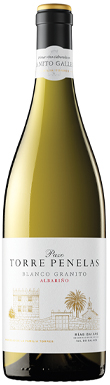
It may come as a surprise that Familia Torres, owner of the Pazo Torre Penelas estate, pioneered the ageing of Albariño in granitic vessels. I...
2023
Pazo Torre PenelasRías Baixas
Bodegas del Palacio de Fefiñanes, Albariño, Rías Baixas, Galicia, Spain, 2024
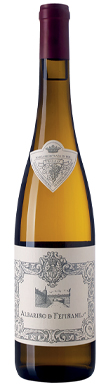
Albariño de Fefiñanes was first registered as a brand in 1928, and the original label and Rhine bottle have been preserved ever since. The grapes...
2024
Bodegas del Palacio de FefiñanesRías Baixas
Castro Martin, Sobre Lías Albariño, Rías Baixas, Galicia, Spain, 2022
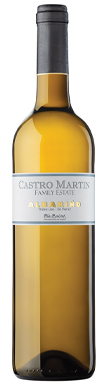
This excellent-value Albariño is easier to find abroad than in Spain: 65% is exported. It’s made from a selection of the Martín-Serantes family’s own vineyards...
2022
Castro MartinRías Baixas
Notas Frutales, Finca Garabelos Albariño, Rías Baixas, Galicia, Spain, 2023
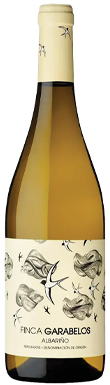
Located in Crecente, Notas Frutales de Albariño offers a good introduction to the riper character of Albariño from the Condado do Tea sub-zone. Aged for...
2023
Notas FrutalesRías Baixas
Bodegas Fulcro, Aliaxe Fabaiños, Rías Baixas, Galicia, Spain, 2022
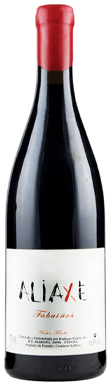
Produced in very small quantities, but well worth seeking out to experience the full potential of the Espadeiro variety. This fascinating grape can produce juicy,...
2022
Bodegas FulcroRías Baixas
Forjas del Salnes, Goliardo, Rías Baixas, Galicia, Spain, 2022
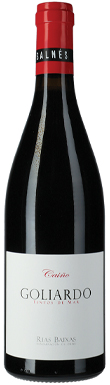
A blend of Caíño, Loureiro, Espadeiro and Sousón, the entry-level red from Forjas del Salnés is an excellent introduction to this tiny category in Rías...
2022
Forjas del SalnesRías Baixas
