

This content was produced in partnership with the Consorzio Tutela Vino Custoza.
How does the terroir influence the wines of Custoza...?
This content was produced in partnership with the Consorzio Tutela Vino Custoza.
A guide to Custoza terroir
Custoza white wine takes its name from the village of Custoza, the site of two Risorgimento battles, and part of the municipality of Sommacampagna in the province of Verona.
The DOC area lies between Verona and Lake Garda. Crossed by the River Tione, the area is bordered to the south west by the River Mincio, an emissary of Garda.
There are nine Custoza DOC municipalities:
- Lazise
- Pastrengo
- Bussolengo
- Peschiera
- Castelnuovo del Garda
- Sona
- Sommacampagna
- Valeggio sul Mincio
- Villafranca di Verona
The soils
The morainic amphitheatre that characterizes the production zone is marked by a closely-packed series of elongated hills with an altitude that ranges from 50 to 100 metres. These hills, created by deposits left by the glaciers that shaped nearby Lake Garda (the largest lake in Italy), are made up of a variety of mainly calcareous, gravelly, sandy and pebbly soils with some silt and clay but no rocky outcrops.
This morainic soil is what gives Custoza its characteristic salty and savoury note. The extreme diversification of the soils deriving from irregular glacial deposits is expressed in the fresh and vivacious nature of Custoza.
The climate
During the summer, the sun allows the grapes to ripen in a healthy climate, appeased by the influence of the lake. The breezes from Garda dry up any rain or dampness in the vineyards.
The area benefits from the close vicinity of the lake to the west while, lying at the gateway to the plain in the east, it is also influenced by a more continental climate. The conformation of the hilly slopes provides warmth during the day and an accumulation of cool air at night.
The temperature differences between day and night give constant acidity levels and allow the fragrances and characteristic aromas of the grapes to develop. This unique micro-climate, so well-suited for vine growing, is also ideal for the olives and cypresses that distinguish the territorial landscape. The morainic soil composition particularly contributes to a good germination for all the vine varieties.
Annual rainfall is between 750 and 800 millimetres and is more frequent in the autumn and spring. The lack of rain, sometimes for months at a time, during the vine’s vegetative period, obliges growers to irrigate in order to guarantee the best yield results.
Culturally the area has maintained its principal identity linked to its rural tradition with its own particular and authentic country-farming charm.
Three wines to try
Le Vigne di San Pietro “San Pietro” Custoza Superiore Doc 2015
Captivating on the nose with hints of jasmine and medicinal herbs. Salty and mineral notes on the palate; this is a wine with class and elegance.
UK importer: £28 Thorman Hunt and Co. Ltd., Wine Shippers, 4 Pratt Walk, Lambeth, London SE11 6AR
USA importer: None
Tamburino sardo “La Guglia” Custoza Superiore Doc 2015
A late harvest that can be recognised in the ample nose, well-layered with hints of ripe fruit and hazelnuts. The intense flavour, structure and expressive force is revealed on the palate.
UK and USA importer: Taste Plus International Co.Ltd
Menegotti “Elianto” Custoza Superiore Doc 2015
Full and complex on the nose. Spices (mainly saffron), a balsamic touch with a hint of dried fruit. Round, pleasant, agreeable to the taste, right up to its hazelnut finale.
USA importer (NY): $20 Enoclassica Selection price
UK importer: None
This content was produced in partnership with the Consorzio Tutela Vino Custoza.
Read a guide to Custoza vineyards and grape varieties
Promotion

CAMPAGNA FINANZIATA AI SENSI DEL REG. UE N. 1308/2013
CAMPAIGN FINANCED ACCORDING TO EU REG. N. 1308/2013

-
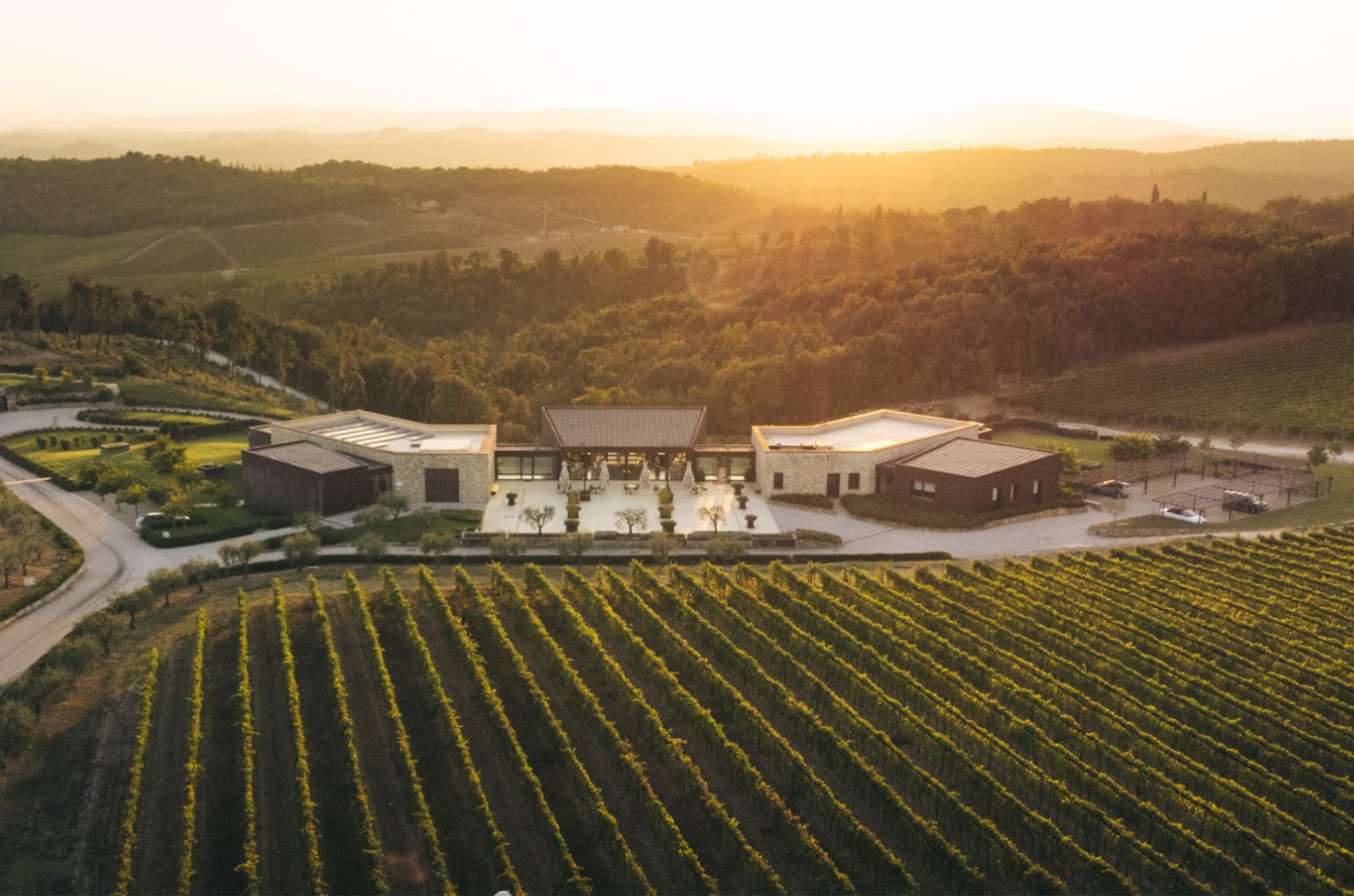 Vallepicciola: Tourism and winemaking in the Chianti hills
Sponsored Winemaking and luxury hospitality...
-
 Wine educators win 2026 Barca-Velha Golden Vines MW Scholarships
The Gérard Basset Foundation, Douro producer Casa Ferreirinha and Liquid Icons have named Christy Fuhrman and Loreto Pancorbo as the recipients of the 2026 Barca-Velha Golden Vines MW Scholarships.


-
Vallepicciola: Tourism and winemaking in the Chianti hills
Sponsored Winemaking and luxury hospitality...
-
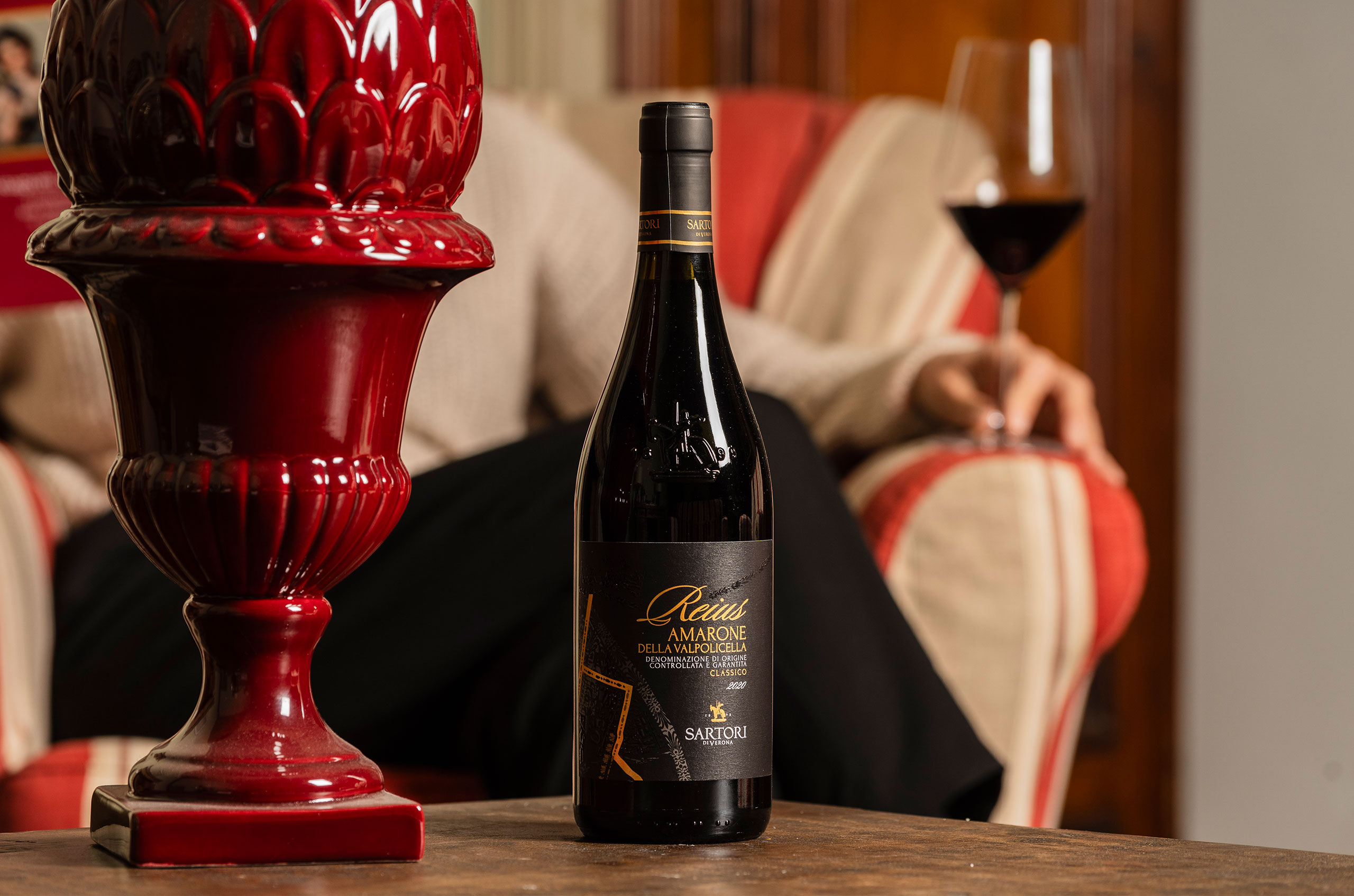 A standout voice in Valpolicella
Sponsored A key name for Valpolicella and Amarone...
-
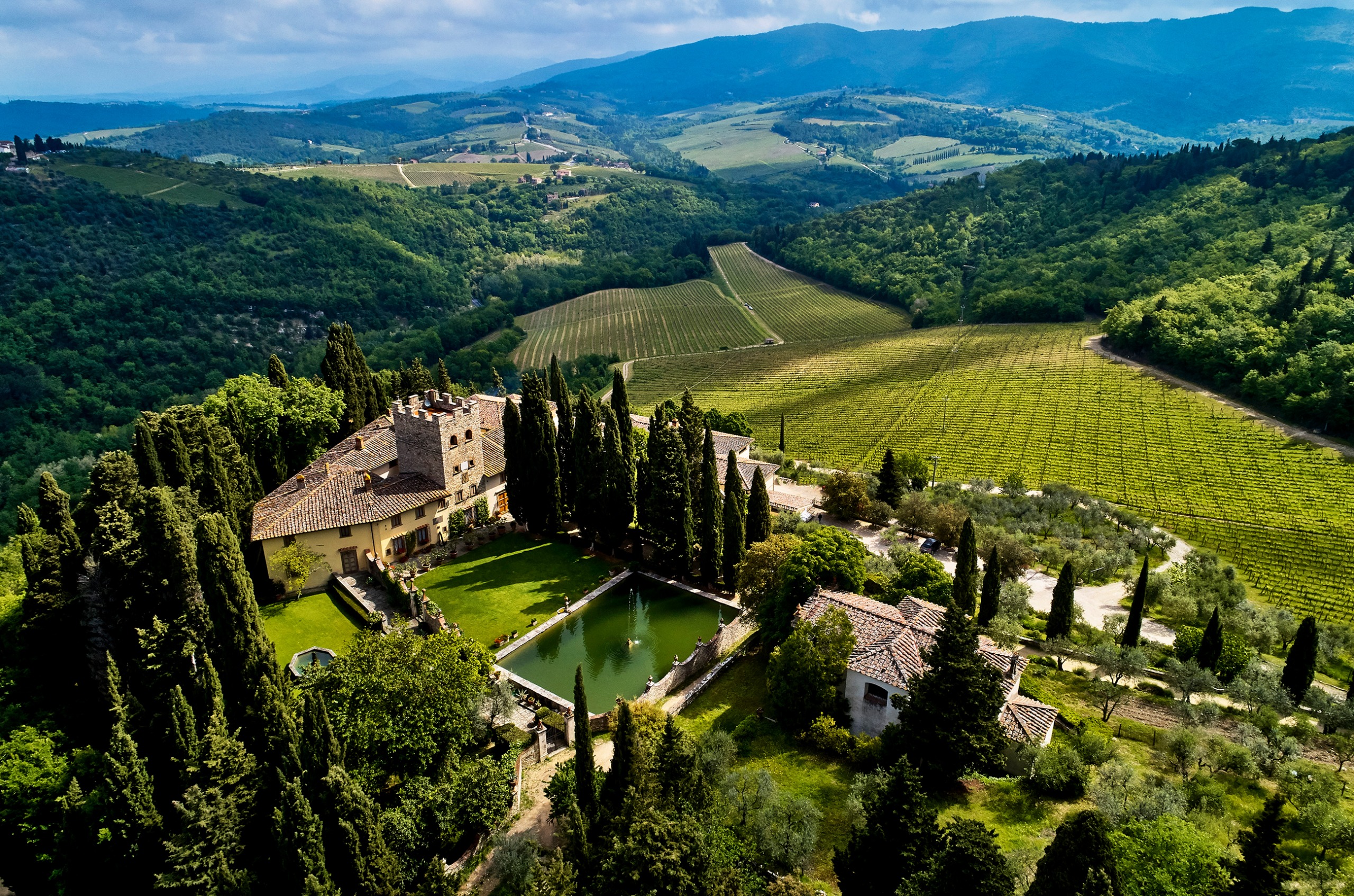 Discover the world of Castello di Verrazzano
Sponsored An ancient castle set amid sprawling vineyards...
-
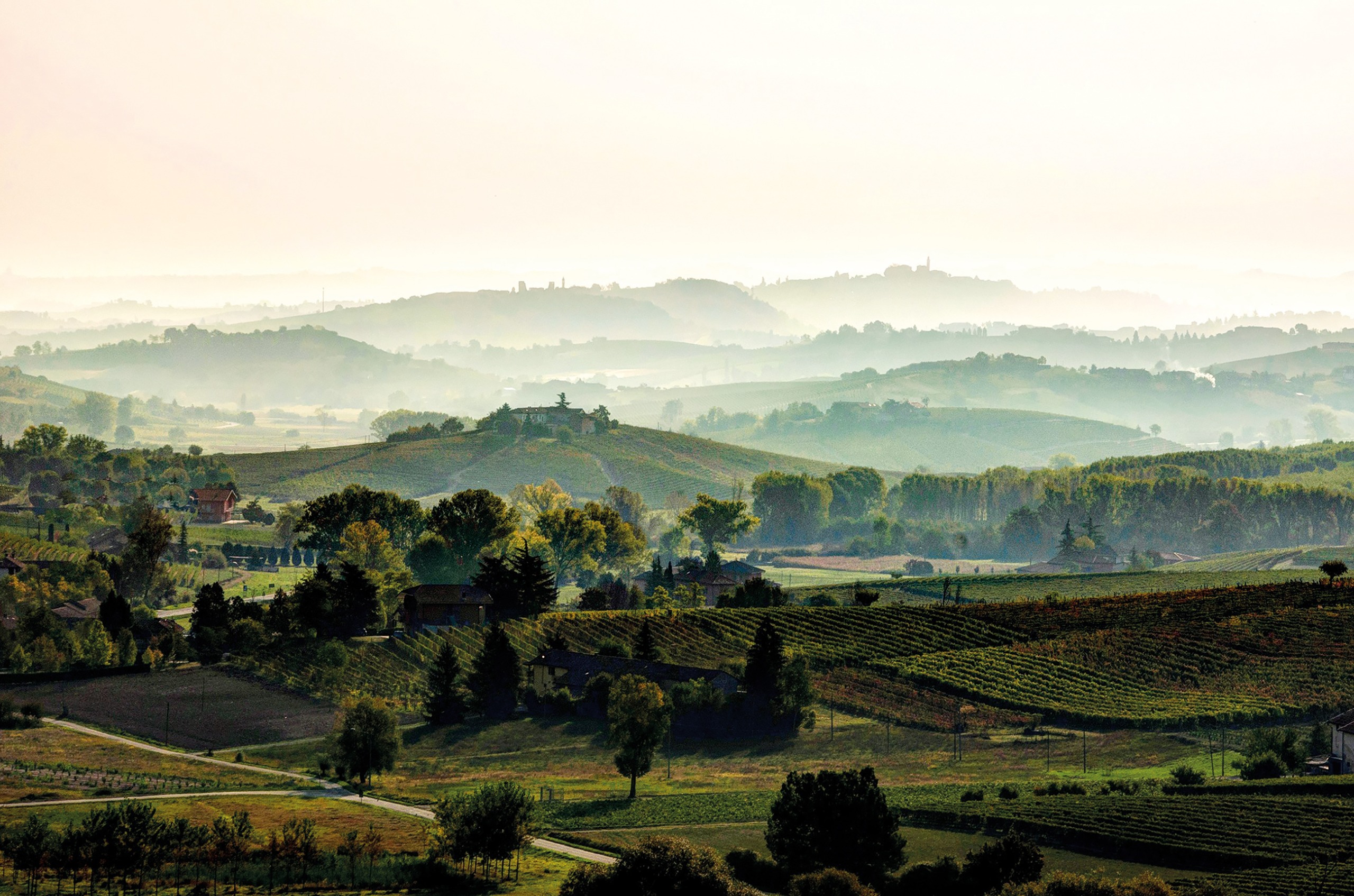 Barbera d'Asti DOCG: Tradition and modernity in Piedmont
Sponsored Many expressions of one variety...
-
 Sergio Mottura: Excellence in Tuscia
Sponsored A renowned figure in Lazio...
-
 Florio: Winning new fans while respecting Marsala’s history
Sponsored An important milestone in Marsala...
-
 Sensi Vini: The gateway to your Italian wine exploration
Sponsored Chianti and beyond...
-
 Celebrating European diversity
Sponsored Introducing the ‘Celebrate the Diversity’ project...


