

Elena Pacheco freely admits that a couple of decades ago, she and many of her young winemaking colleagues in Jumilla were tempted to replant their vineyards with fashionable French grape varieties. But those days are long gone. The 12m-long vine, suspended from the roof of her Viña Elena winery as an exhibit, is of course the native Monastrell, a grape variety that today covers almost three-quarters of the Jumilla vineyard.
Monastrell’s long vine roots are one reason why Jumilla’s growers revere it. They’re able to delve down into the region’s rocky, limestone soils to extract all the moisture the plant needs, even during Jumilla’s long, baking summers. This is no recent discovery: generations ago, farmers here devoted what water they had to their olive groves and almond trees, knowing that their vines could manage without. This ancestral knowledge is perhaps why in Jumilla, one of the driest areas of Spain, most vineyards are still dry-farmed.
Monastrell has a long drawn-out vine cycle. ‘This has the great advantage,’ says winemaker Valérie Durand, ‘of grapes ripening when the nights are cooler, thus preserving acidity and allowing complete phenolic ripeness.’

Despite its virtues, Monastrell can be tricky to grow. Its bunches are small and very compact, resulting sometimes in varying levels of berry ripeness on a single bunch, making careful sorting essential. The skins are thick, and can remain tough well into October. Good extractability of tannins is key, and so harvesting dates can be crucial.
Speaking to Jumilla’s producers, you sense regret that in the past not enough was done to promote their terroir and beloved variety. Monastrell was often bought by merchants to strengthen the colour or body of their blends, and growers didn’t always exploit the potential of the raw material, either in the vineyard or the cellars.
Fortunately, Jumilla’s new generation of producers has brought an exciting new impetus. Rustic Monastrell with prune notes has made way for wines vinified from dry-farmed vineyards that express pure red berry fruit aromatics (plums and black cherries), balance, flesh, abundant silky tannins, minerality, liquorice and a characteristic touch of bitterness in the finish that adds to the appeal.
Jumilla’s unoaked or lightly-oaked reds can be deliciously fruity and refreshing with surprising complexity and length on the palate. Judicious oak ageing is crucial at the higher end. As Pacheco points out: ‘Monastrell doesn’t need much oak. It ages better in larger capacity barrels or foudres.’
While it can excel as a monovarietal wine, Monastrell blends well with certain adapted varieties. Emblematic winery Juan Gil, situated at 700m altitude, combines a generous proportion of Cabernet Sauvignon, while Silvano Garcia, at 500m, opts for the youthful fruit character of Syrah. ‘Both Cabernet and Syrah are great dancing partners for Monastrell,’ says BSI’s Alfonso Hernandez, ‘but it’s as a soloist that it performs best.’
Unquestionably, choice of variety is driven by terroir rather than marketing. Monastrell-lovers can rest assured that those fashionable invaders of a generation ago will only ever play second fiddle in Jumilla.

Head to our main DOP Jumilla page to learn more

-
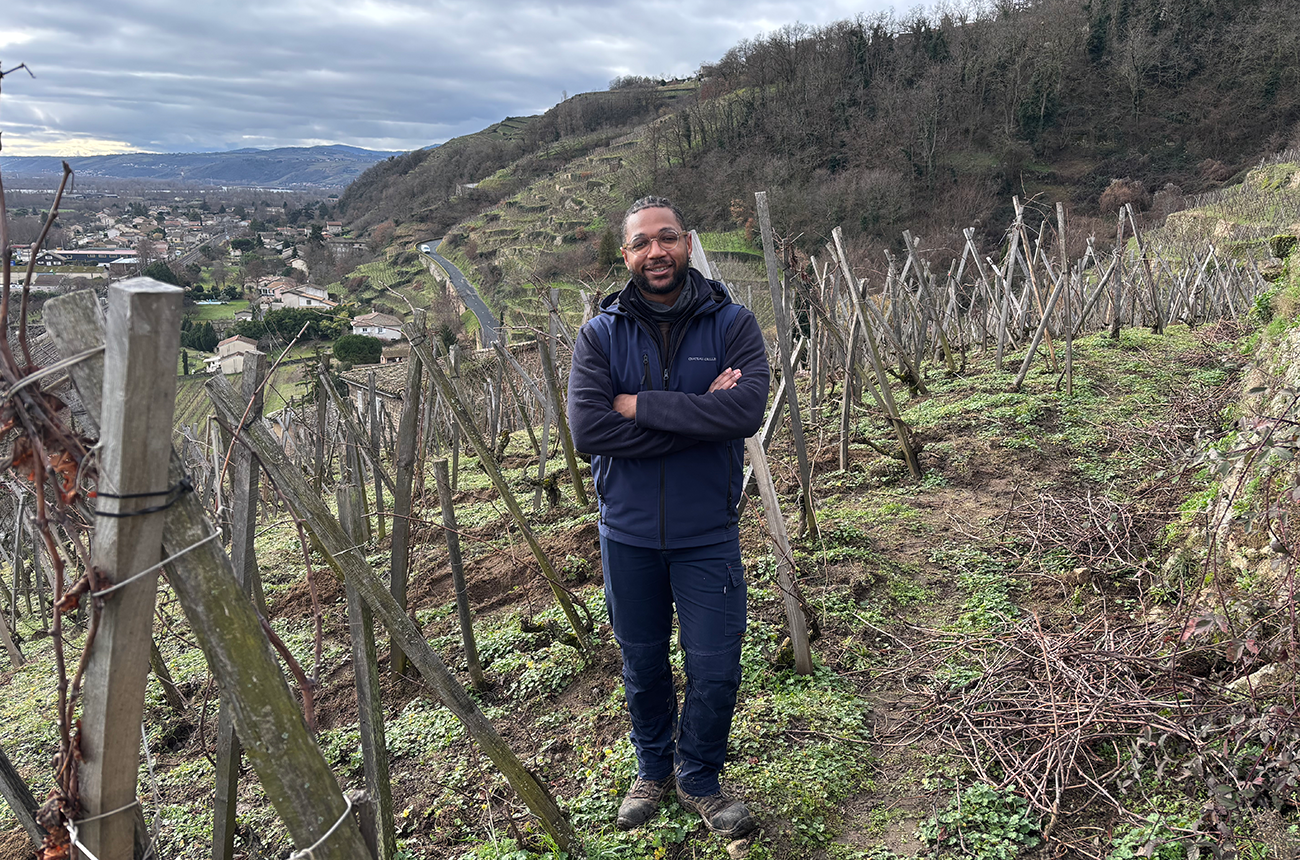 Meet the new technical manager of Château-Grillet on its 90th anniversary
One appellation, one estate, one grape variety, 3.5ha. Matt Walls checks in on this legendary Rhône white, 90 years after it gained appellation status.
-
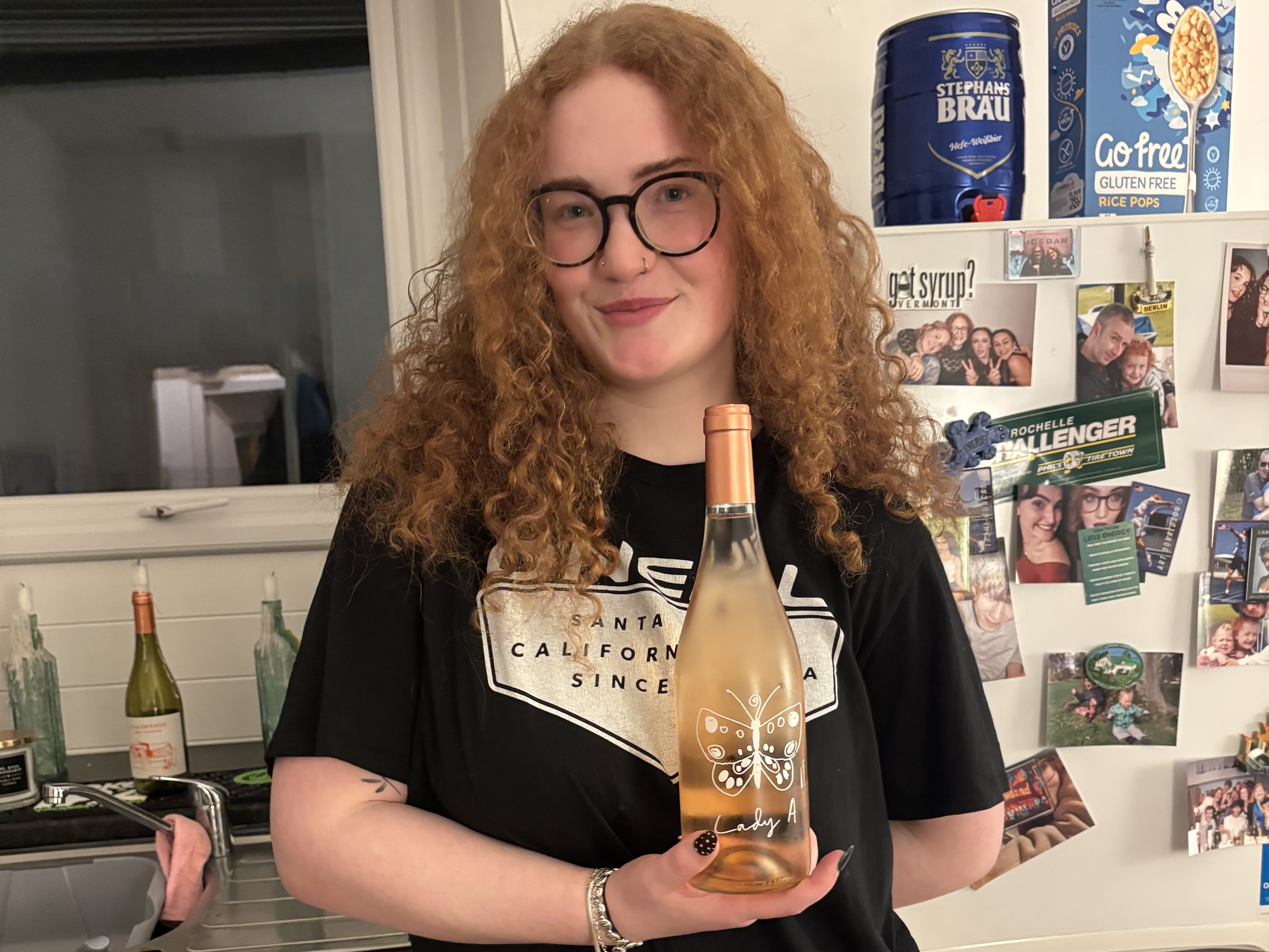 Gen Z Wine Challenge: Amelia, 21
In a new Decanter series, 18- to 29-year olds around the world give their honest opinion about a wine they've splashed out on – and if it was worth the cash.


-
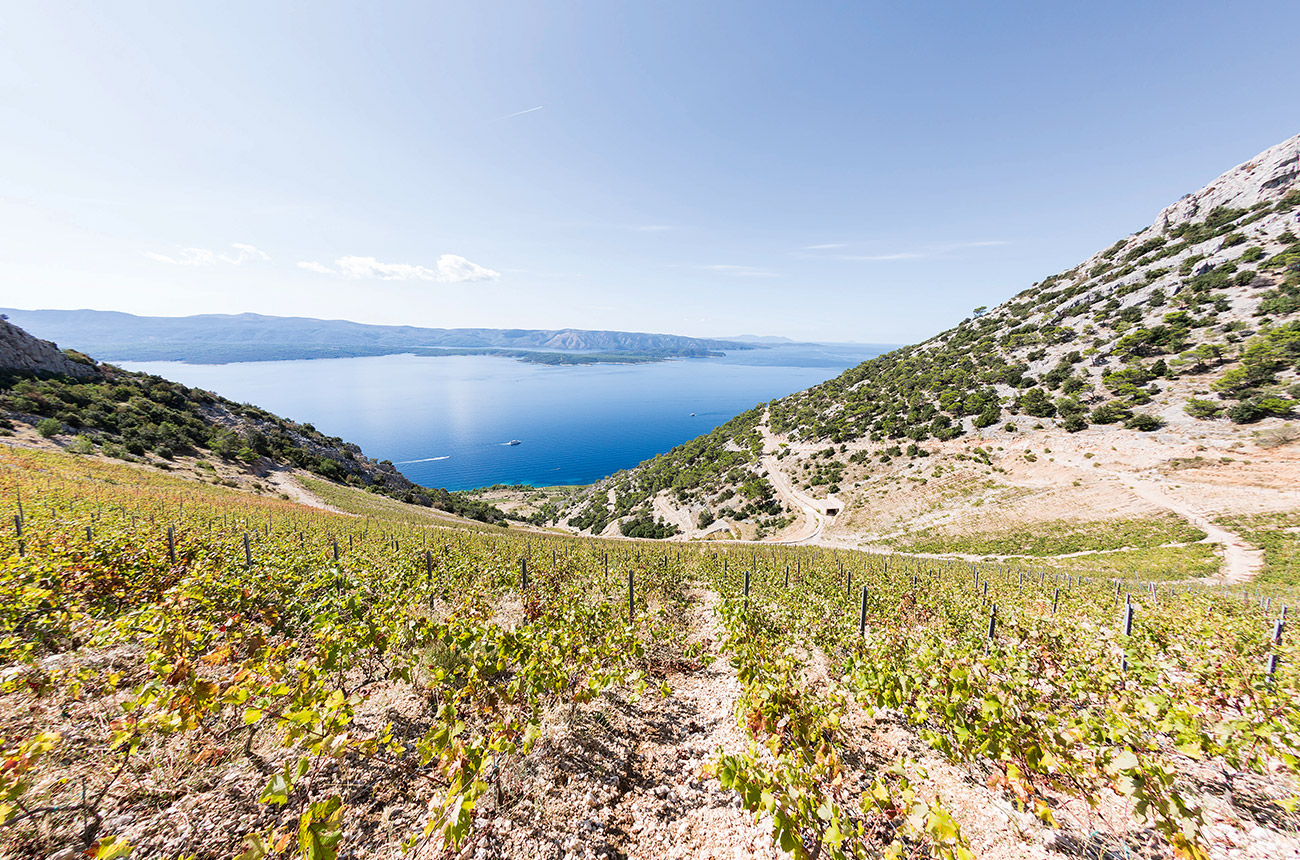 Dalmatia: The crimson coast
Sponsored Content Sun-kissed by the shores of the Adriatic, Dalmatia’s vineyards are home to bold and inviting red wines with plenty of potential.
-
 Azienda Agricola Cortese: Championing sustainability in the heart of Sicily
Sponsored Content Meet the winemakers using ancient techniques and sustainable practices to create fresh, modern interpretations of Sicilian varieties
-
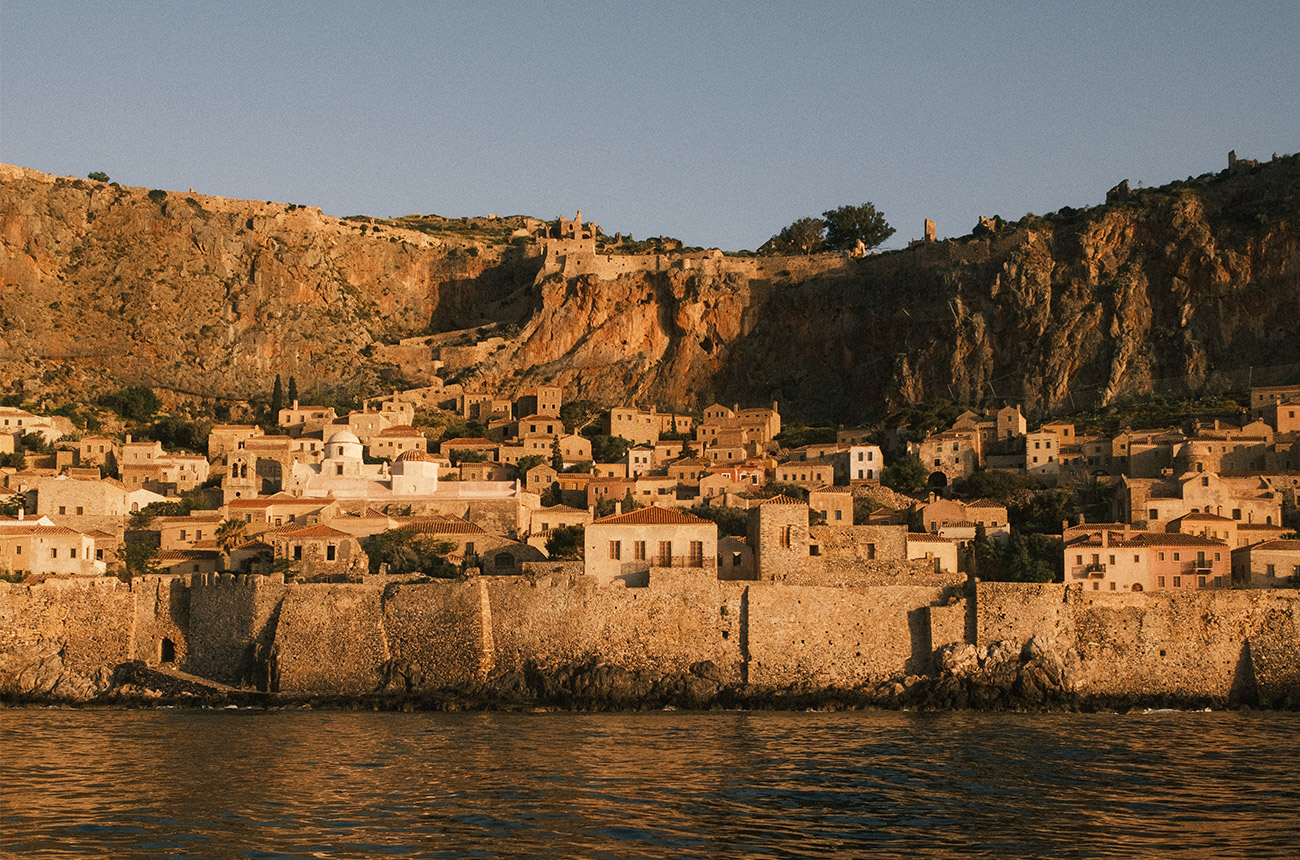 Monemvasia Winery – Tsimbidi: Bringing an ancient wine into the modern age
Sponsored Content George and Elli Tsimbidi’s winery not only revived one of history's most famous wines but is now breathing fresh life into other native Greek varieties.
-
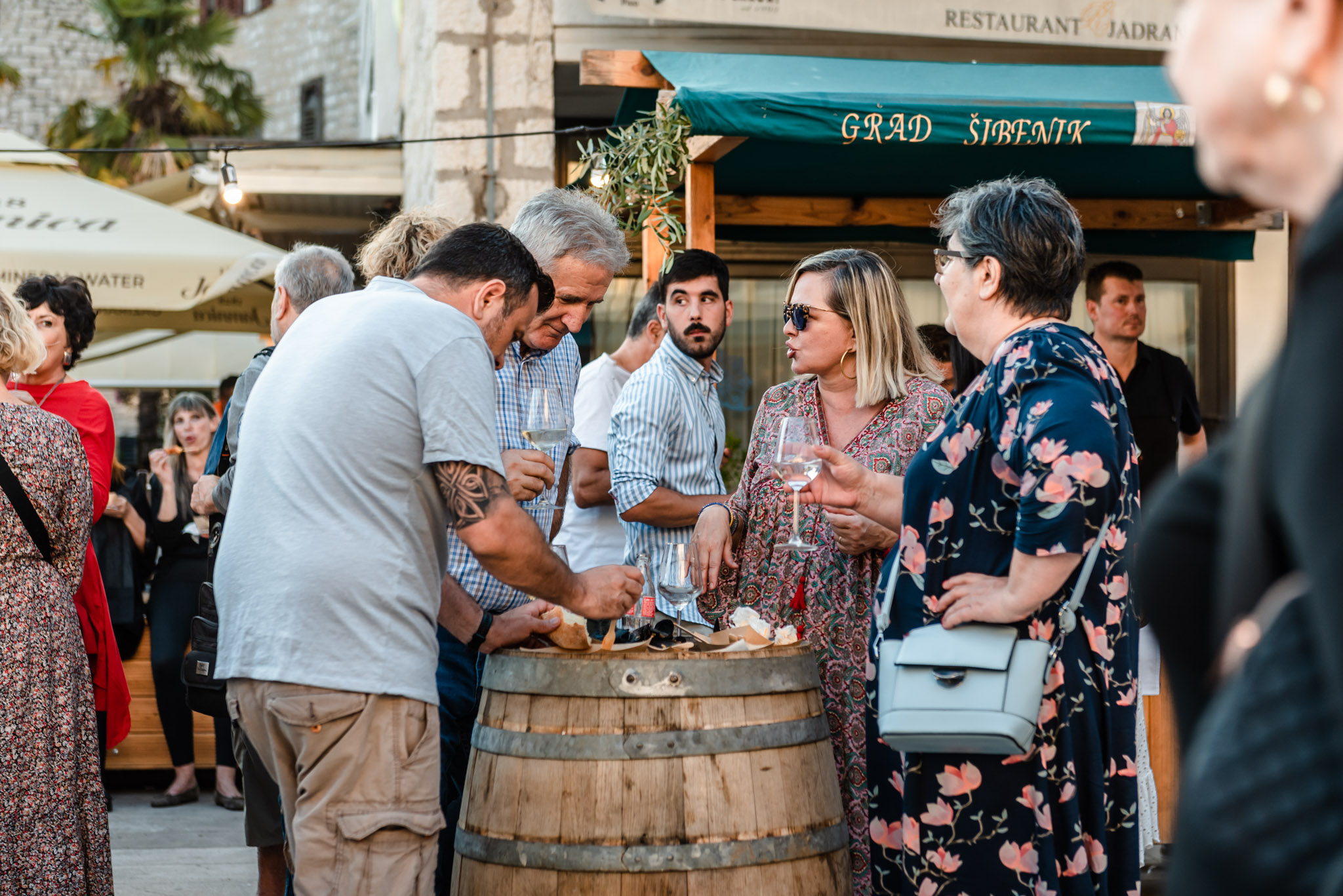 Marenda – A Dalmatian ritual
Sponsored Content What started as a work break has become a well-observed tradition in Dalmatia – one that pairs perfectly with local wine.
-
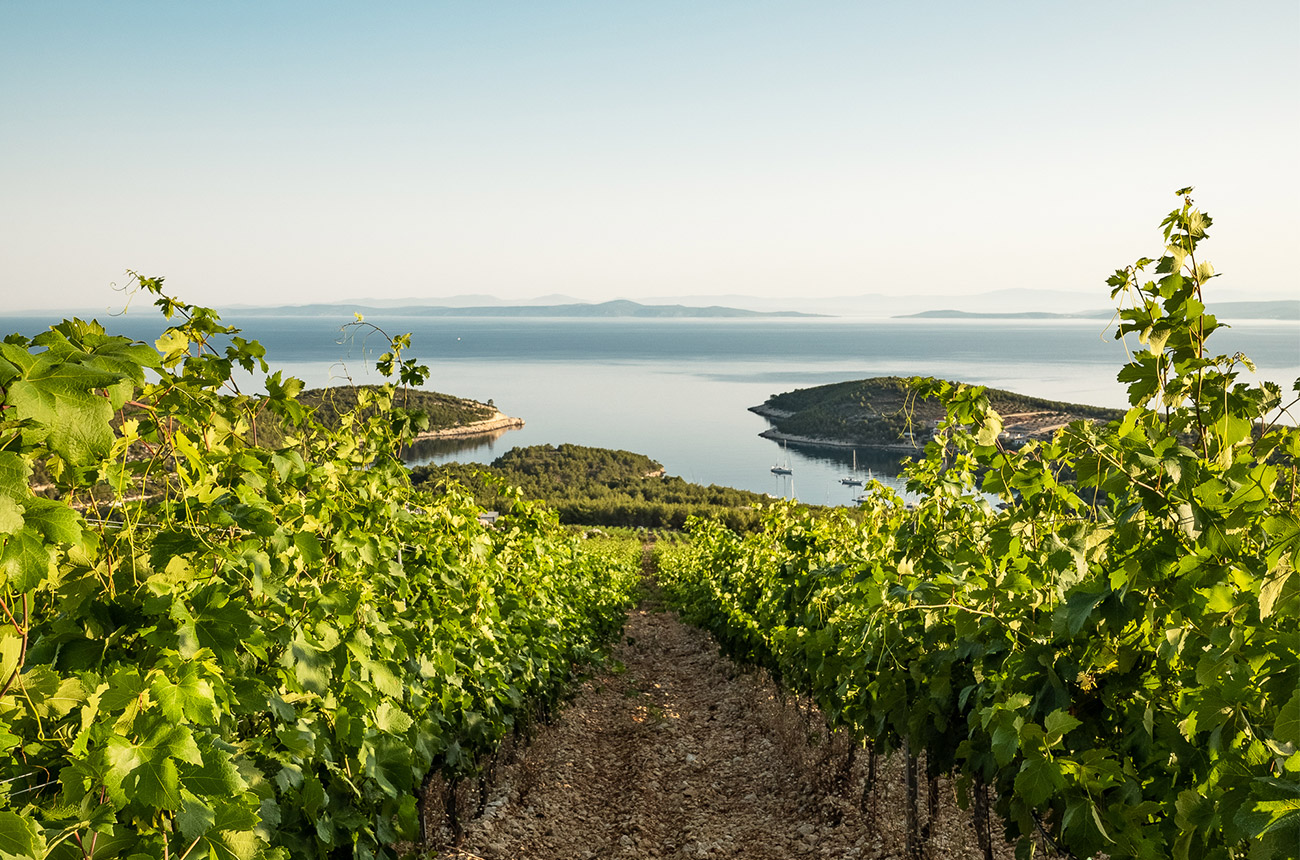 Dalmatia's hall of fame: DWWA winners
Sponsored Content Discover a selection of medal-winning Dalmatian wines from the Decanter World Wine Awards.
-
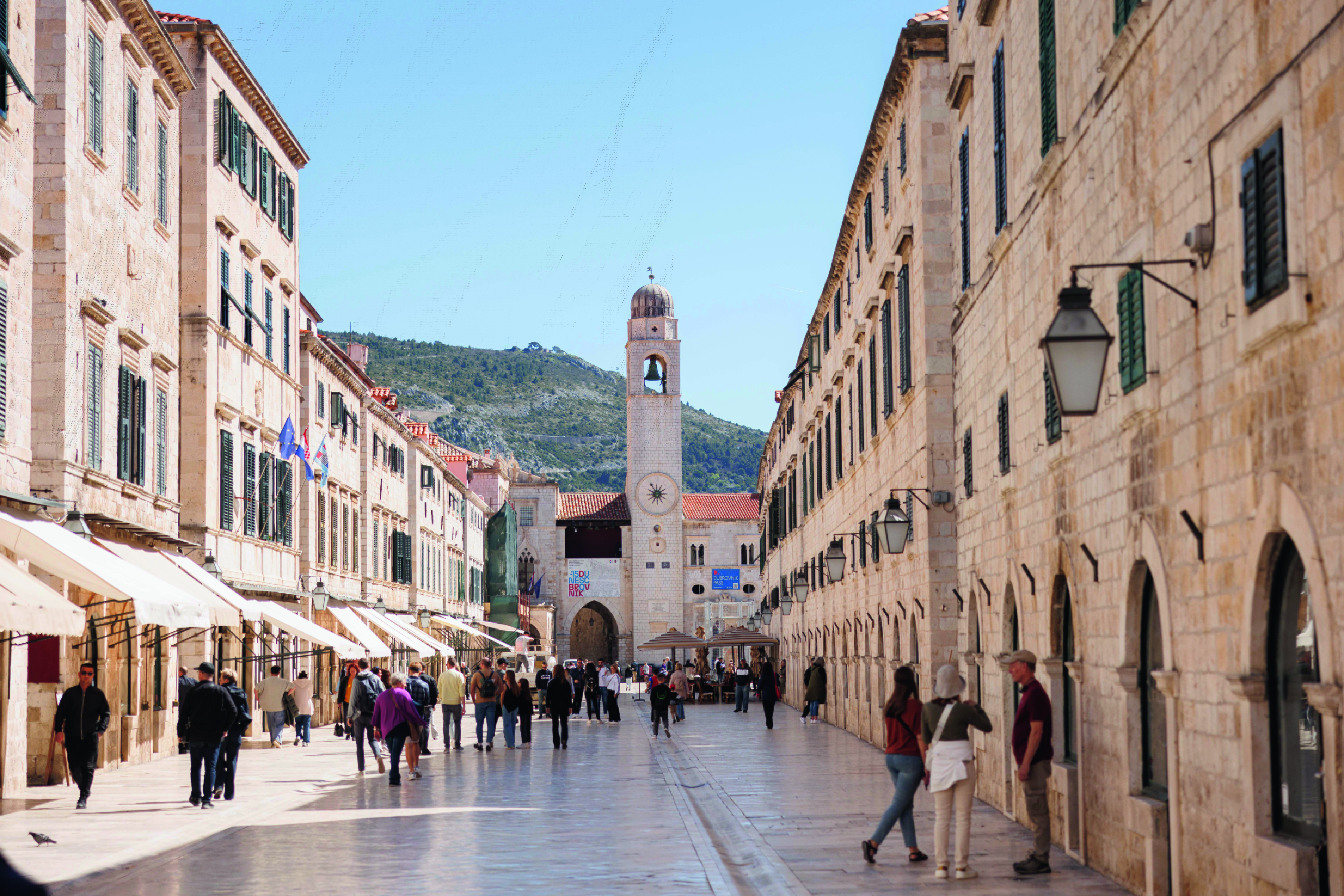 Pomalo: Dalmatia's answer to hustle culture
Sponsored Content A state of mind in Dalmatia, pomalo, which roughly translates as ‘take it easy’, sets the pace of life in this scenic region of Croatia.
-
 A Maldives paradise for wine lovers
Sponsored Content The unique wine culture at OZEN RESERVE BOLIFUSHI extends well beyond its carefully curated list with expert tastings, creative pairings and unexpected discoveries to make lasting holiday memories.
-
 Shaping the future of wine & spirits: What’s new at ProWein Düsseldorf?
Sponsored content Returning on 15 – 17 March in Düsseldorf – discover what's new at ProWein in 2026...


