Sponsor Content Created With

Marenda – A Dalmatian ritual
What started as a work break has become a well-observed tradition in Dalmatia – one that pairs perfectly with local wine.


Originally, marenda (from the Italian merenda) was a mid-morning snack consumed by labourers. Eventually it became a Dalmatian ritual. Usually a warm, satisfying but unpretentious meal, marenda brings together inexpensive local fare, wine, and a moment of friendly banter.
Nowadays, it’s served in Dalmatia’s homely konobe. A konoba traditionally referred to a stone cellar, where people kept wine, olive oil and cured meats – some have transformed into rustic family-run eateries. Today a konoba is used to refer to a taverna or restaurant that serves up marenda-style dishes. Below are a few of our favourite pairings:
Debit & Pidoće

Pidoće na buzaru – mussels tossed with olive oil, garlic, white wine, parsley & breadcrumbs.
Wine: A summery white from the Šibenik area, Debit is light-bodied and zesty, with flavours of citrus peel, green apple and Mediterranean herbs, and a slight saline edge that reflects the coastal soils.
Notable producers: Ante Sladić Vino, Baraka, Birin, Prgin, Sladić Marko, Ško Vina, Testament.
Marenda: Pairs perfectly with mussels (pidoće) na buzaru – tossed in a pan with olive oil and garlic, white wine and parsley, with breadcrumbs to thicken the sauce. Each June, Šibenik stages the Pidoća & Debit festival, showcasing this tasty combination.
Plavina & Srdele

Slane srdele – salted sardines.
Wine: Plavina (aka Plavka) is a light-to-medium-bodied red with soft tannins and lively acidity. Often compared to Pinot Noir, it shows notes of sour cherry, wild strawberry and dried herbs. Enjoy young and slightly chilled.
Notable producers: Ante Sladić Vino, Delmati, Gašpar, Glavić, Marko Sladić.
Marenda: Sardines (srdele), a staple of Dalmatian cuisine, are plentiful, affordable and highly nutritious. They can be prepared four ways: na gradele (grilled over smouldering embers); frigane (fried); slane (salted); or u marinadi (marinated in vinegar, garlic, bay leaf, onion and olive oil, with raisins for sweetness).
Crljenak Kaštelanski & Janjetina sbižima

Janjetina s bižima – a hearty lamb & green pea stew.
Wine: Crljenak Kaštelanski reds are rich, bold and fruity, with a smooth round texture, velvety tannins and good ageing potential.
Notable producers: Anton Kovačev, Dalmatian Ego, Kairos, Kastel Sikuli, Kotari, Kraljevski vinogradi, Krolo, Matela, Markus, Miljas, Rizman, Saints Hills, Stina, Vuina.
Marenda: Superb with a hearty lamb and green pea casserole (janjetina s bižima), stewed with onions and garlic, where sweetness balances richness.
Medal-winning Dalmatian white wines to try, from the last five editions of the Decanter World Wine Awards:

Ante Sladić Vino, Debit, Skradin 2022
95 pts
100% Debit. Second-generation organic family winery close to the Krka river. Focus on local grapes such as Debit, which got its name as the grape used to pay off debts. Delightful character: pure floral scents and ripe yellow fruit aromas. The palate has refreshing acidity and a powerful citrus flavour. Expertly crafted: uncomplicated but incredibly enjoyable. Alcohol 12%

Bora, Pošip, Posedarje 2019
95pts
100% Pošip. Father and son run this small winery in Posedarje, northern Dalmatia. Named for the bura, a strong coastal wind that keeps vines healthy – and wines like this expression of Pošip fresh and mineral. Very aromatic nose displaying lovely aromas of apricot, white peach, fresh flowers and honey. Mouthcoating with a soft, gentle palate and oily texture. Alc 13.9%

Fiolić, Maraština, Zadar 2020
95pts
100% Marastina. This Mediterranean grape boasts a long tradition in Dalmatia, here produced near Zadar by husbandand-wife Dario and Ana, who transformed their hobby into a winery in 2016. Hugely intense flavours of lemon compote, orange rind, toffee and pine ripple over the nose, cushioned by a toasted almond complexity and tremendous ginger-infused finish. Alc 13.3%

Kraljevski Vinogradi, Prestige Pošip, Petrčane 2019
95 pts
100% Pošip. Nine centuries of wine history revived from abandoned stony land near Zadar, replanted in 2011, with high density and largely indigenous grapes. Complexity from eight months in large Slavonian oak. Deep golden colour. The aroma has a lovely, layered richness and marries ripe tropical notes with Mediterranean fruits and some well-integrated oak. The palate is dry, with delicate florality, amazingly vibrant character and a long finish. Alc 14%

Vina Deak, Prestige Pošip, Komarna 2022
95 pts
100% Pošip. Gently oaked local white from a family winery in Komarna, Croatia’s youngest appellation, where the dramatic rocky slopes by the sea are all organic. Sublime lemon blossom, honeyed peach and apricot tart rapturously swaddled in gossamer, with a graceful acidity and inspiring saline grip that spirals towards the attractive melon finish. Alc 13.5%

Zoro Wines, Malvasija Dubrovačka, Konavle 2022
95pts
100% Malvasija Dubrovačka. Zoro Wines is an old family winery from 1841 in Konavle. This variety was rescued from three vines to 42ha today around Dubrovnik. A beautiful wine with stone fruit and floral aromas and an oily texture. Lime and peach flavours with a hint of stony minerality and refreshing acidity – marvellously successful. Alc 13%

Vislander, Bugava Antique, Vis 2022
92pts
100% Bugava. Wine families on Vis survived WWII thanks to swapping wine for food with British troops. Today this family winery specialises in local Vugava in all its forms. Smoky quince and savoury spice aromatics; palate of bitter lemon zest, peach, melon and herbal notes. Alc 13.5%

Katić Winery, Pošip, Lovreć 2022
90 pts
100% Pošip. Small young estate in Dalmatia’s hinterland near Imotski, specialising in local grapes. The more continental climate is great for refreshing whites showing a cooler dimension of Pošip. Fresh on the nose, showing scents of lemon balm, red apple and honeysuckle. Dry, with a pithy finish. Alc 13.5%

Radovanović, Grk, Korčula 2023
90 pts
100% Grk. One vineyard and one tank of this rare Korčula grape. Grk (meaning bitter) almost disappeared – female flowers make it tricky to grow. Now, however, the variety is being revived thanks to its amazing quality. Aromatic and inviting, with a nose of nutmeg, white pepper and lemon rind; palate of pineapple, mango and citrus. Alc 13.5%
Discover more about the Wines of Dalmatia
Connect on Facebook | Instagram | YouTube

First published as part of the Decanter supplement in March 2026.
Discover more:


-
 Best books on sake: Discover the story of Japan’s national drink
Great reads that will leave you thirsty for a glass...
-
 Italy for the cellar: A DWWA collection
Italy's vineyards have long captivated wine lovers and the results from Decanter World Wine Awards 2025 serve as a timely reminder of just how much excellence, and value, the country continues to deliver.

-
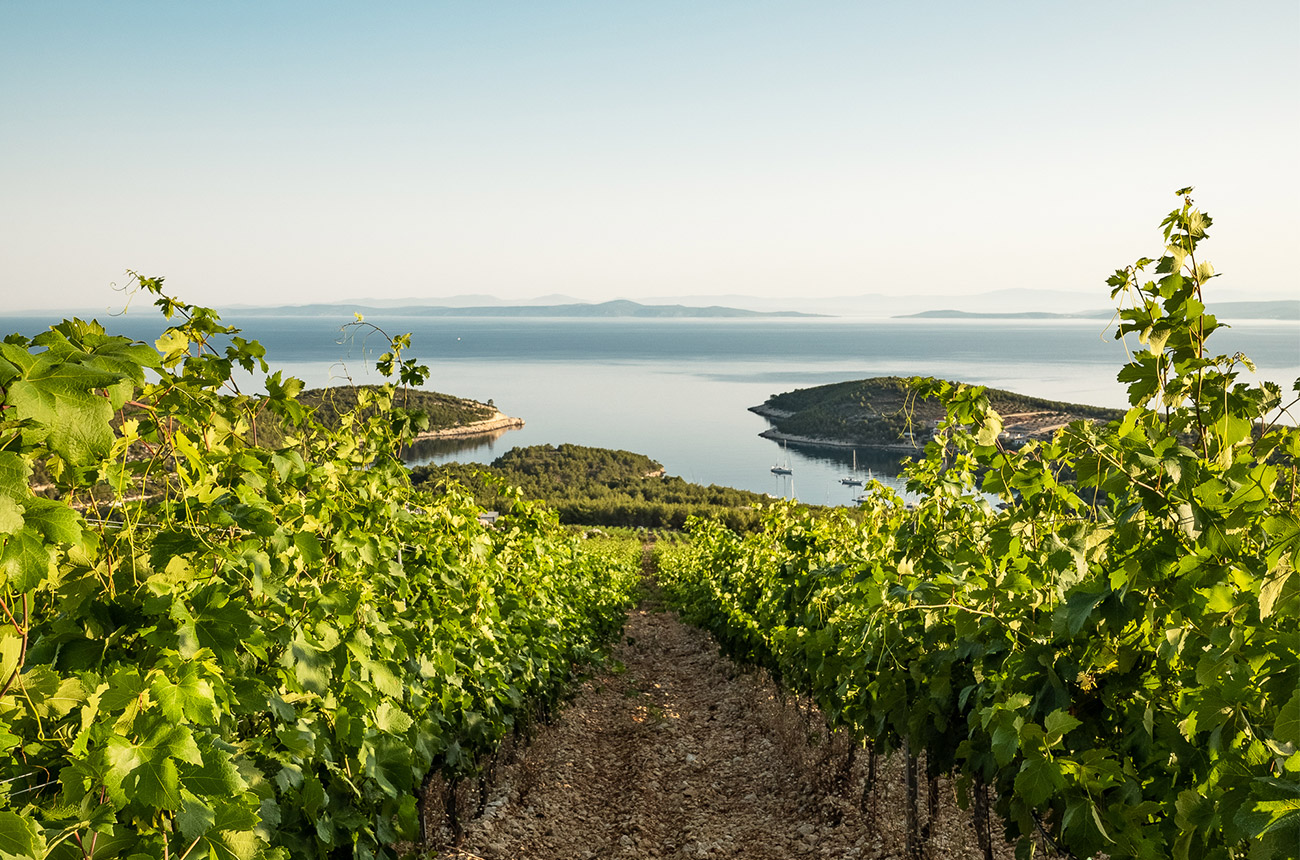 Dalmatia's hall of fame: DWWA winners
Sponsored Content Discover a selection of medal-winning Dalmatian wines from the Decanter World Wine Awards.
-
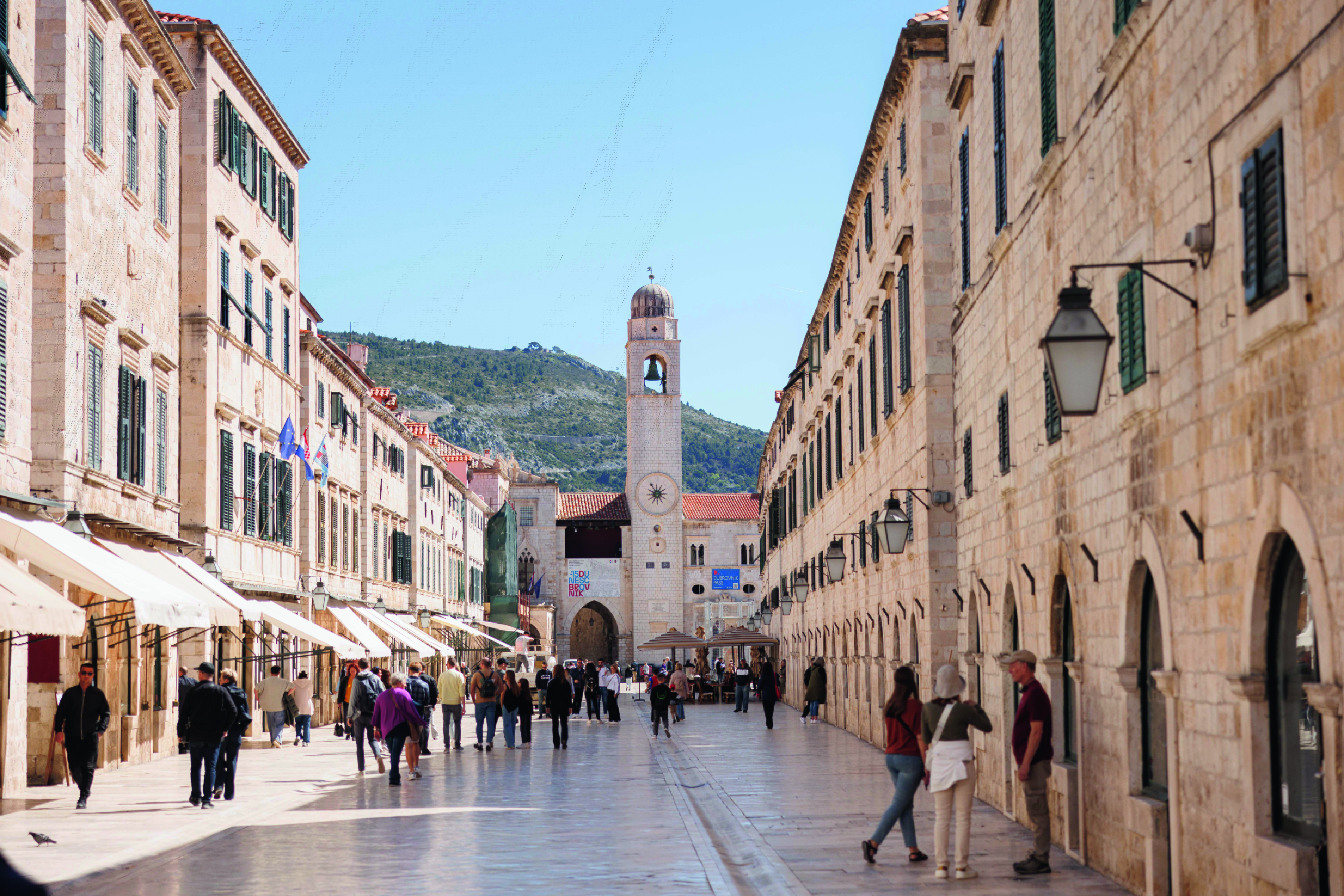 Pomalo: Dalmatia's answer to hustle culture
Sponsored Content A state of mind in Dalmatia, pomalo, which roughly translates as ‘take it easy’, sets the pace of life in this scenic region of Croatia.
-
 A Maldives paradise for wine lovers
The unique wine culture at OZEN RESERVE BOLIFUSHI extends well beyond its carefully curated list with expert tastings, creative pairings and unexpected discoveries to make lasting holiday memories.
-
 Shaping the future of wine & spirits: What’s new at ProWein Düsseldorf?
Sponsored content Returning on 15 – 17 March in Düsseldorf – discover what's new at ProWein in 2026...
-
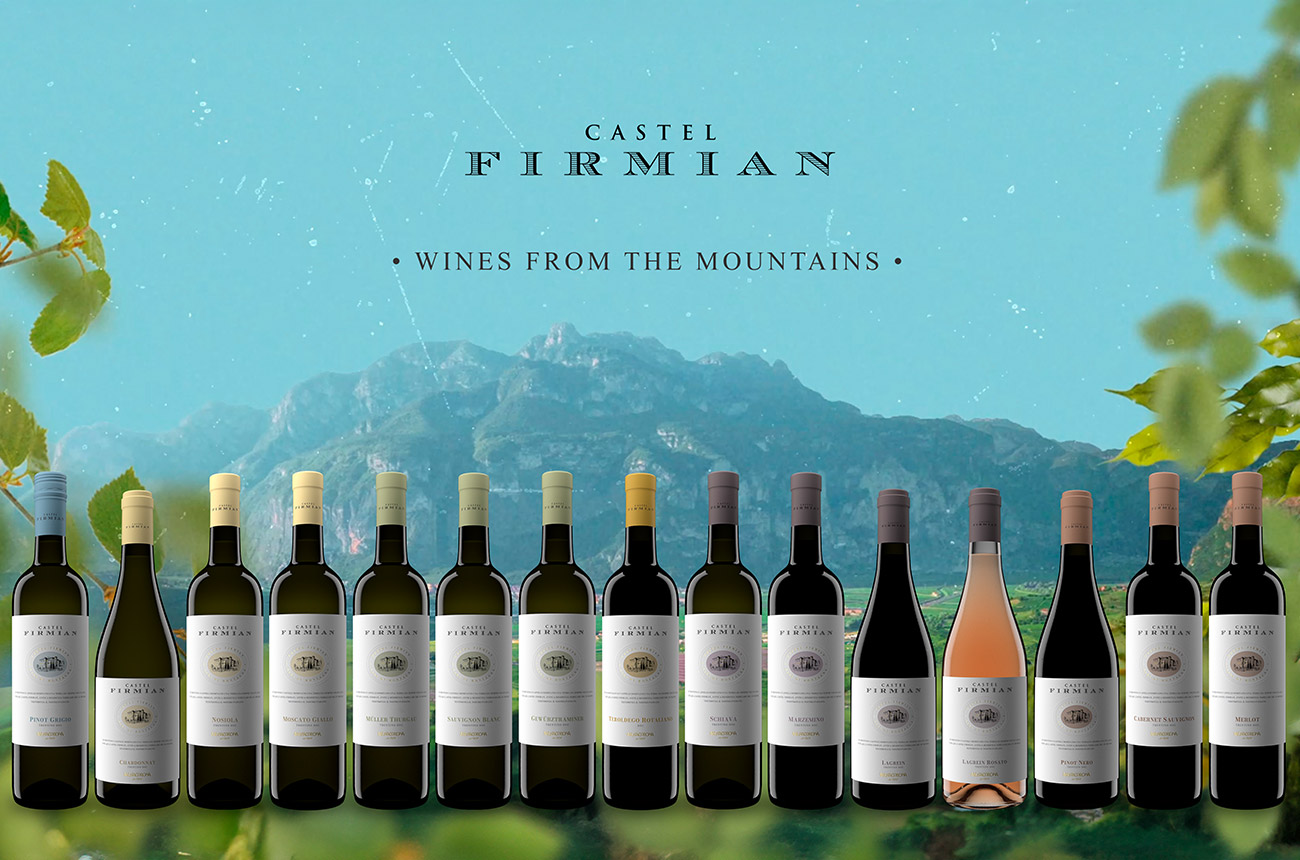 Castel Firmian presents a fresh new look with Wines from the Mountains
Sponsored Content The Trentino winery telling its story with a fresh rebrand...
-
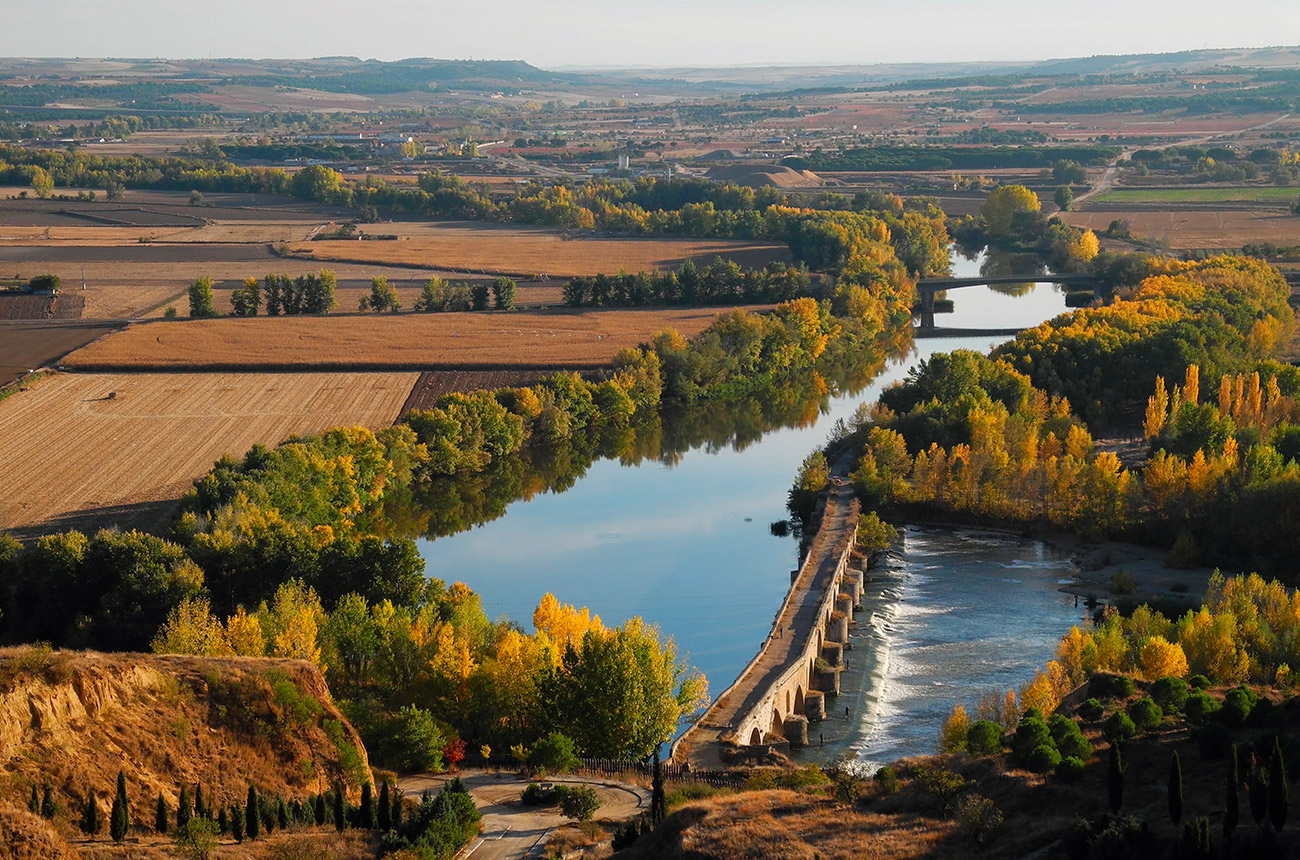 Toro: A tale of resilience, evolution and commitment
Sponsored Content This region’s past offers important clues on how to face present challenges...
-
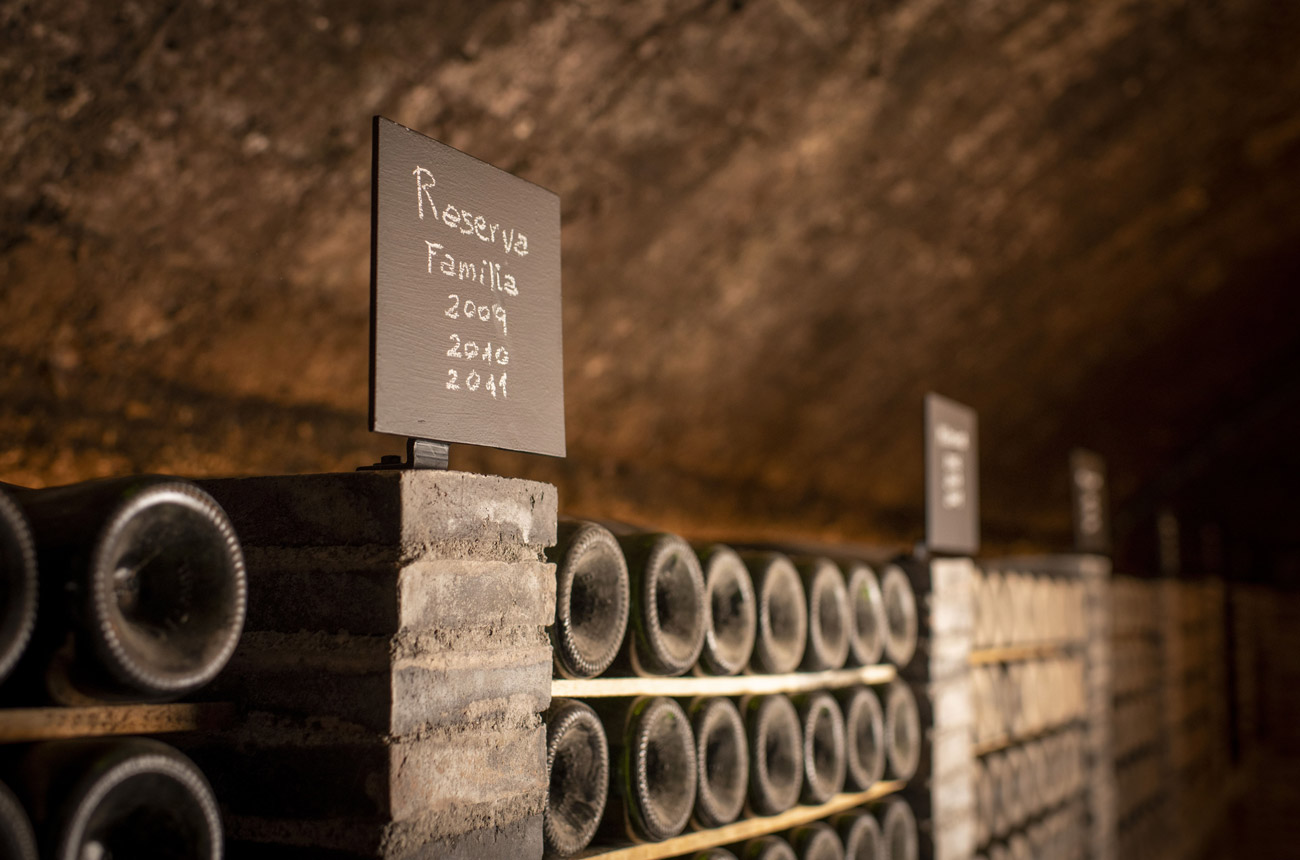 Juvé & Camps: Taking long-aged sparkling wines to new heights
Sponsored content Long-aged sparkling wines that express the craft of the winemakers...
-
 Plaimont: Building the future of Saint Mont
Sponsored content A 'super cooperative' leading on sustainability in the Pyrenean foothills...


