

This article is part of a sponsored Decanter guide produced in cooperation with the National Tourism Organization of Serbia, Association of Winemakers and Winegrowers of Serbia and Vino & Fino magazine.
In order, Serbia’s most planted wine grape varieties are Grašac, Merlot, Cabernet Sauvignon, Chardonnay, Riesling and Sauvignon Blanc.
These are mostly well known and need little explanation beyond the fact that Serbia produces excellent examples, so here we look at key local grapes with exciting potential…
Grašac

Pronounced ‘Gra schatz’. This is the historic Serbian name for the great central European grape Welschriesling (variously known as Graševina, Olaszrizling, Laški Rizling), the first written record of which was in the early 19th century.
It’s increasingly being adopted by modern producers to escape from its chequered past. Like Prokupac, it was used for volume, never-mind-the-quality production until recently, but with attention to low yields and good winemaking, it is making increasingly impressive wines in all styles from light and crisp to layered and complex.
It is the most planted grape in the country, appearing in just about every region, though Fruška Gora has arguably been at the forefront of its rehabilitation.
Expect notes of apple, lemon, poached pear, green melon, linden flower, peach and, with maturity, hints of honey.
Morava
Named for the Serbian river Morava, a relatively new grape developed in Serbia – officially a complex cross of ([Kunbarat x Traminer] x Bianca) x Rhein Riesling – that possesses useful cold- and disease-resistance genes.
It certainly looks promising, offering a little of the exotic fruitiness of its part-Traminer ancestry plus the crisp, fresh acidity of its other parent, Riesling.
It is still planted in a relatively small area but is producing good results as a classic dry white wine, mostly without oak, and also occasionally as an orange wine.
Smederevka
A widespread Balkan variety (named Dimyat in neighbouring Bulgaria) that was first described in 1855.
It is a late-ripening, non-aromatic grape that keeps good acidity and is a crossing of Heunisch Weiss – making it half-sibling to Chardonnay – and Riesling, which hints at some quality potential; its other parent is an Eastern European grape whose colourful Serbian name means ‘white goat udders’.
Creative winemakers are working hard to improve Smederevka’s reputation and it is great raw material for fresh sparkling wine, as well as some intriguing orange skin-contact versions.
Expect to find light, citrus characters with green herbs, honeydew melon and bright freshness.
Probus
A crossing of Kadarka and Cabernet Sauvignon, registered in 1983 – when researchers were seeking to improve local grapes by crossbreeding with international ones.
This is one of the most promising, with genuine potential for quality, and even more pigment than its Cabernet parent.
Not yet widely planted, it is on the increase as producers recognise its nobility and potential for richly coloured wines with generous berry and black cherry characters.
Prokupac
The once ugly duckling of Serbia’s high-volume wine past is turning into a graceful swan.
It’s an old variety that is very rarely encountered outside the country and has recently increased to 338ha in production in Serbia, with a further 170ha of young vines.
It is increasingly showing potential as a medium-bodied wine with real class. The secret is in low yields and careful winemaking, but it also needs a warm site because it ripens late, while stony soils reduce its naturally exuberant yields.
It’s usually drunk within two to four years of harvest, though can age for up to a decade if the fruit comes from old vines (there are century-old vines to be found).
Prokupac’s wines typically show black and red cherry with plum, spice and floral hints of violets and hibiscus. As it matures, overtones of coffee, tobacco and autumn leaves develop.
Prokupac is used to add a local note to blends, often with Cabernet Sauvignon, Merlot or Cabernet Franc – these can be among Serbia’s most exciting reds. Prokupac even has its own day of celebration: Prokupac Day on 14 October.
Related articles
Savour Serbia: 15 exciting wines to seek out
Around Serbia: key wine regions to know
Belgrade: A wine lover’s guide
Back to the main Serbia wines page


-
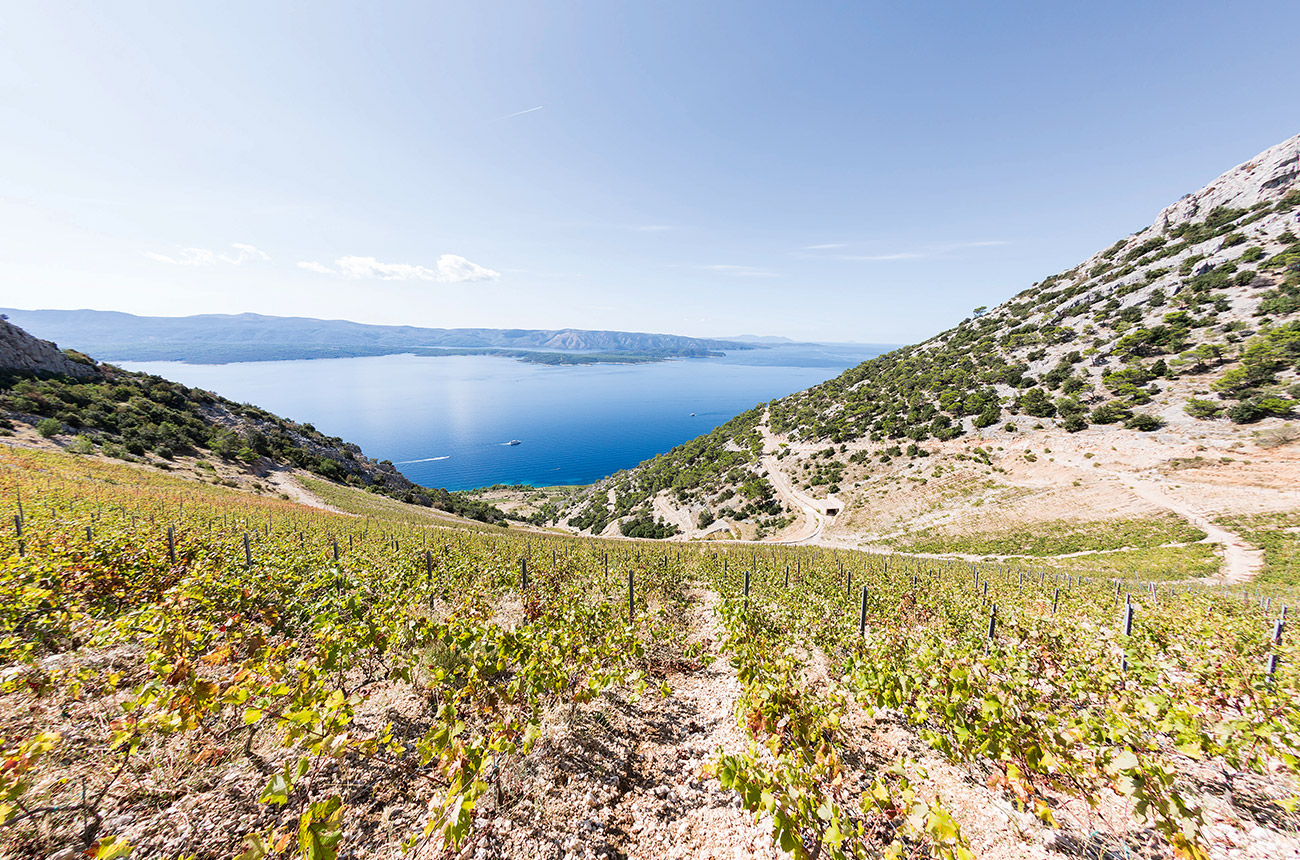 Dalmatia: The crimson coast
Sponsored Content Sun-kissed by the shores of the Adriatic, Dalmatia’s vineyards are home to bold and inviting red wines with plenty of potential.
-
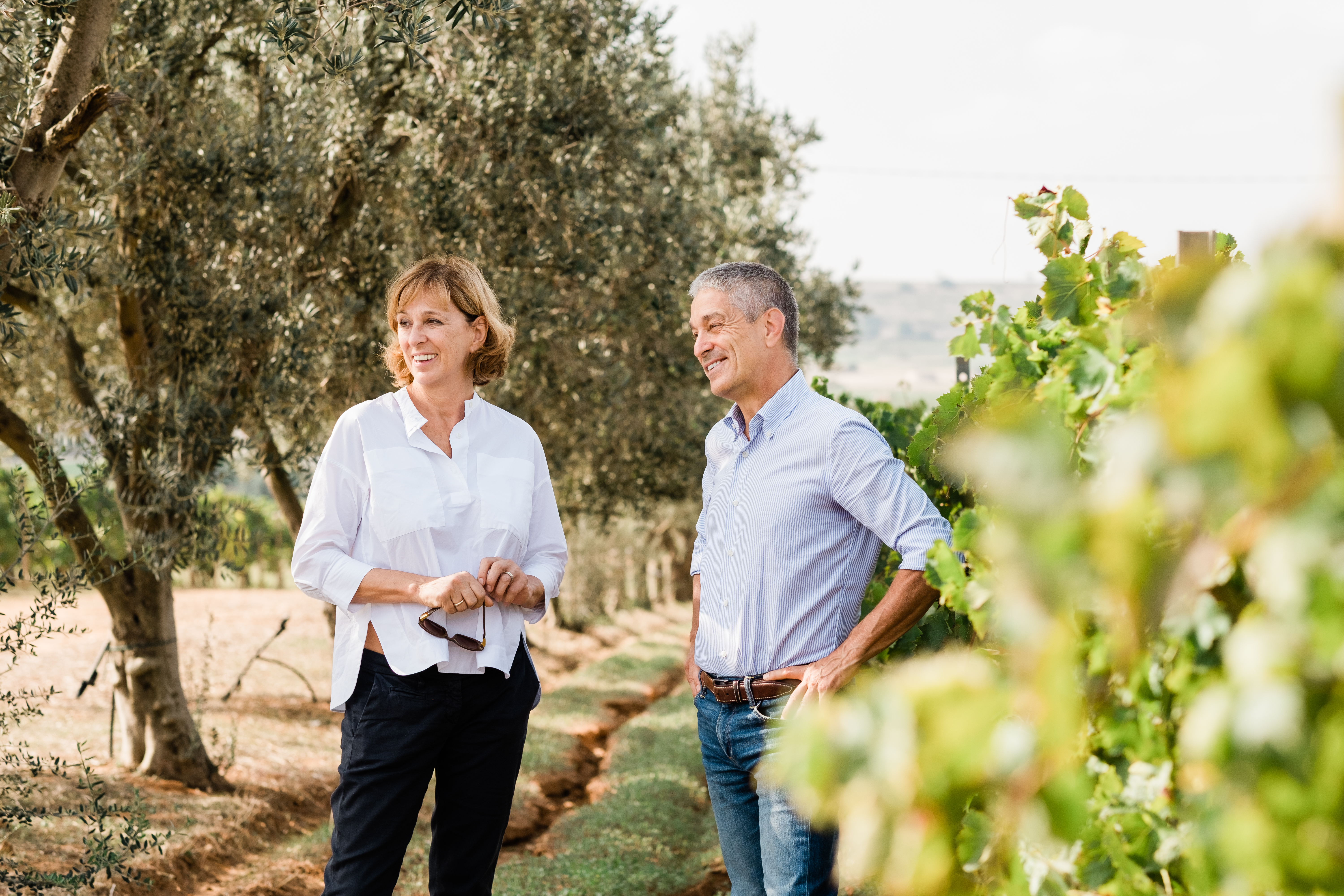 Azienda Agricola Cortese: Championing sustainability in the heart of Sicily
Sponsored Content Meet the winemakers using ancient techniques and sustainable practices to create fresh, modern interpretations of Sicilian varieties
-
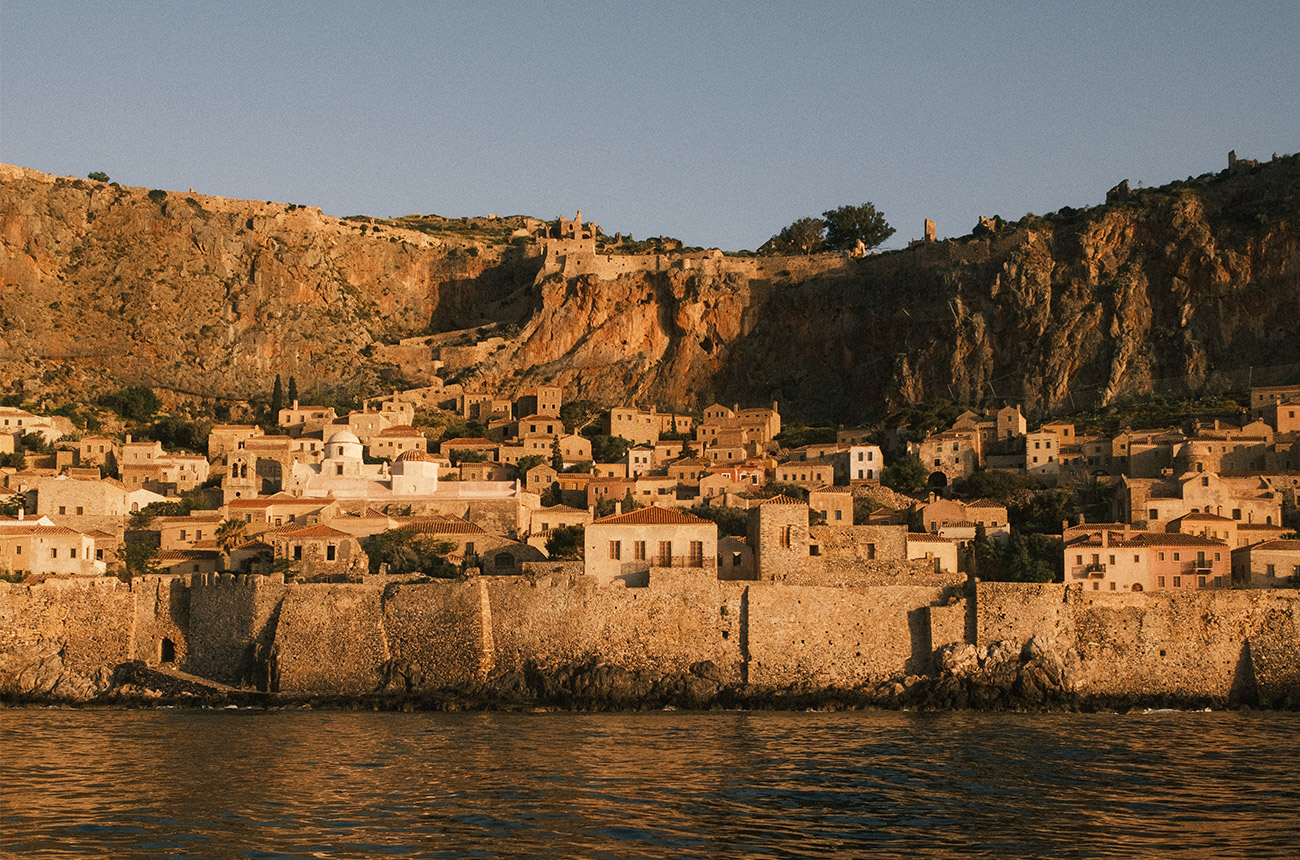 Monemvasia Winery – Tsimbidi: Bringing an ancient wine into the modern age
Sponsored Content George and Elli Tsimbidi’s winery not only revived one of history's most famous wines but is now breathing fresh life into other native Greek varieties.
-
 Marenda – A Dalmatian ritual
Sponsored Content What started as a work break has become a well-observed tradition in Dalmatia – one that pairs perfectly with local wine.
-
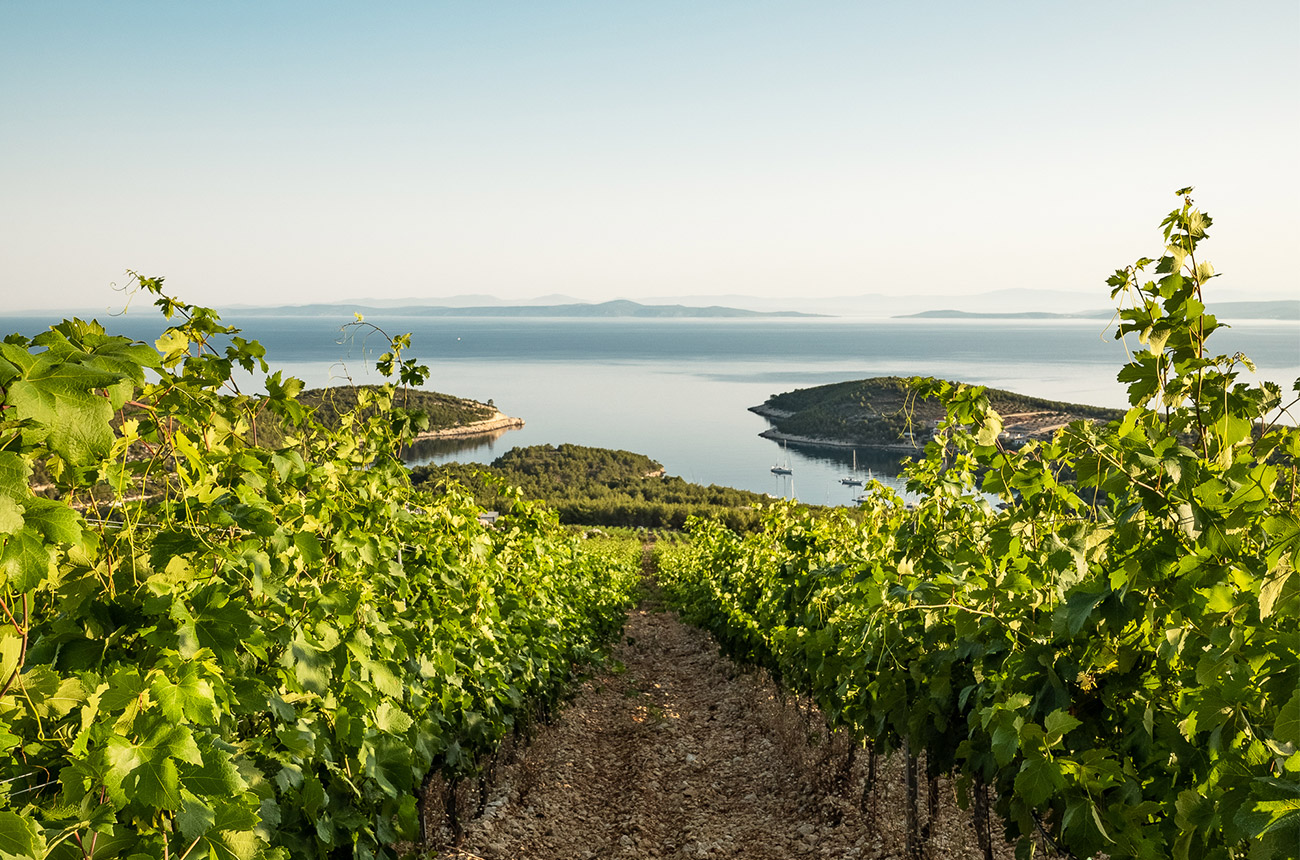 Dalmatia's hall of fame: DWWA winners
Sponsored Content Discover a selection of medal-winning Dalmatian wines from the Decanter World Wine Awards.
-
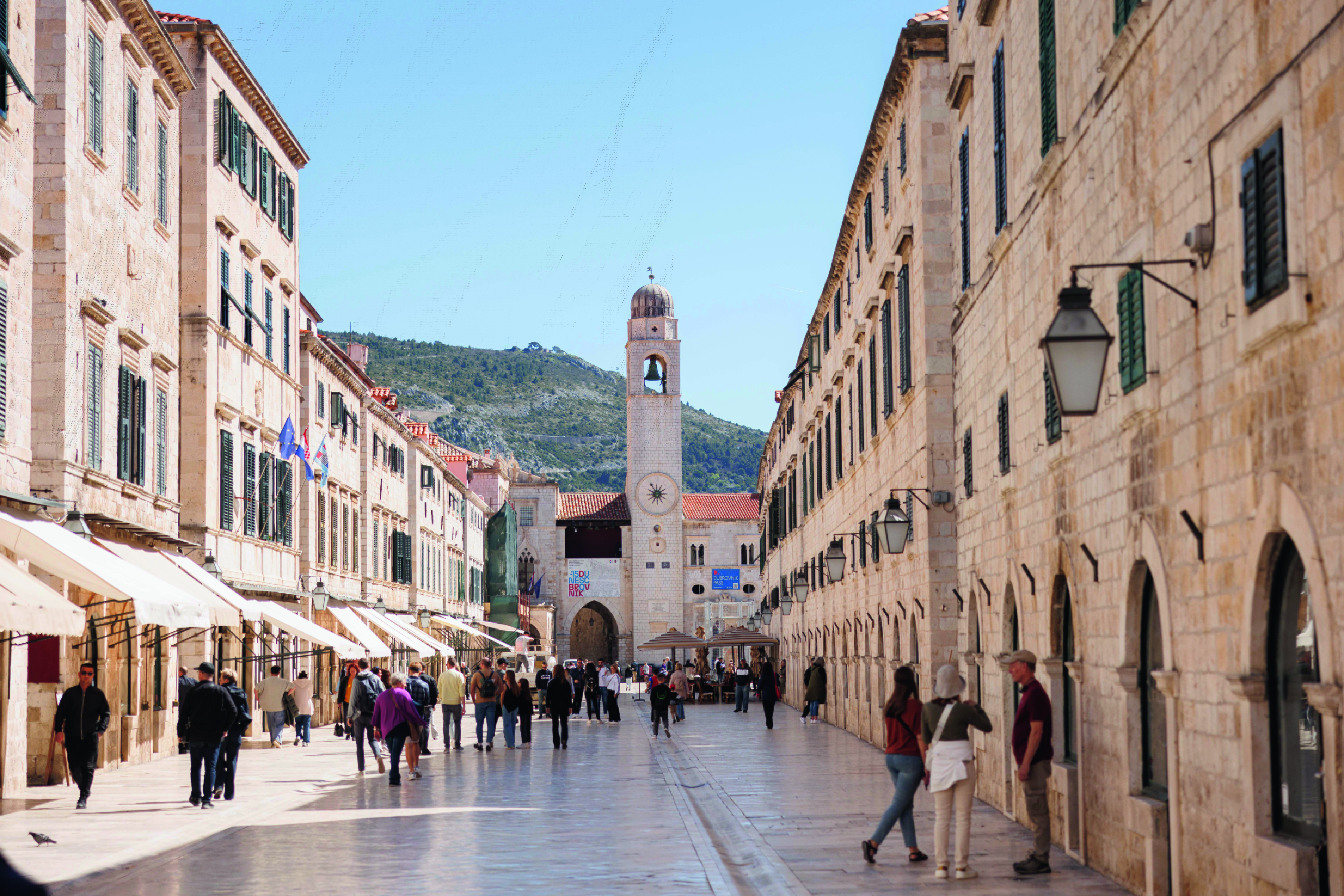 Pomalo: Dalmatia's answer to hustle culture
Sponsored Content A state of mind in Dalmatia, pomalo, which roughly translates as ‘take it easy’, sets the pace of life in this scenic region of Croatia.
-
 A Maldives paradise for wine lovers
Sponsored Content The unique wine culture at OZEN RESERVE BOLIFUSHI extends well beyond its carefully curated list with expert tastings, creative pairings and unexpected discoveries to make lasting holiday memories.
-
 Shaping the future of wine & spirits: What’s new at ProWein Düsseldorf?
Sponsored content Returning on 15 – 17 March in Düsseldorf – discover what's new at ProWein in 2026...


