

The rich palette of Balkan grapes that producers can draw from is the foundation for the region’s most exciting wines. As winemakers in Albania, North Macedonia and Serbia strive to create wines that speak of their terroir and heritage, international grapes are increasingly giving way to historic local varieties – which consumers can begin exploring by trying these six standout Balkan grapes.
Albania
Shesh i Bardhë
Taking its name from the hills west of Tirana, this white grape is at the heart of Albania’s wine industry. This ancient variety is largely grown in hilly vineyards, enjoying maritime influences from the Adriatic and Ionian seas. It offers floral aromatics with hints of peach, pear and orange blossom – crucially, always with zesty acidity.
Kallmet
Although it is not as widely planted as Shesh i Zi (Shesh i Bardhë’s red counterpart), Kallmet is showing greater promise, especially in the drier climate of Northern Albania. At its best here it produces medium to dark wines with red berry, rosehip and cranberry fruit, sometimes a touch of spice and supple, mineral, tannic structure.

North Macedonia
Temjanika
Everyone in the Balkans loves an aromatic white, and Temjanika has been adopted as a local favourite. It’s a permitted name for Muscat-type cultivars (Muscat Blanc à Petit Grains, Moscato Giallo and the indigenous Balkan Temjanika Bela). Its name comes from the word for incense, describing its inviting rosewater and spice aromas. Here it is usually vinified dry with refreshing, crisp acidity.
Vranec
This inky-dark grape is truly at home in North Macedonia, where it covers more than a third of all vineyards and loves the sunny, Mediterranean-meets-continental climate. It produces deep, bold and richly flavoured wines, but always retains fresh acidity for balance. When young, it offers bilberry and forest fruit with violet nuances, then plums, chocolate and tobacco with maturity.

Serbia
Grašac
A grape with a bright future. Quality-focused producers now use the historic Serbian name Grašac to leave behind its unexciting reputation as Italijanski Rizling (and elsewhere as Welschriesling). The best wines showcase pear, pineapple and lemon fruit, with subtle hints of acacia honey and green almond. It’s a versatile grape – capable of zesty, refreshing young wines, thrilling, layered, full-bodied whites and even lovely sweet wines.
Prokupac
Serbia’s flagship local red is an ancient, indigenous variety cultivated across the country. Central Serbia is its heartland, and, in the past, it was very much a high-volume, workhorse grape; now it is back in the spotlight thanks to its elegant, medium-bodied wines with red berry, cherry and bramble fruit, hints of herbs and spice, gentle acidity and fine-grained tannins.
Discover more about Wine Vision by Open Balkan
Connect onFacebook | Instagram | YouTube
Read more about the wines of the Balkans
Uncovering the treasures of the Balkans
Balkan winemaking at a glance


-
 Riesling wine quiz: Test your knowledge
Can you get a perfect score?...
-
 Why Irish whiskey loves sweet and fortified wine casks
Barrels used to age Marsala, Madeira and Sauternes have a special affinity with triple-distilled Irish whiskeys, thanks to a combination of history and distilling. This St Patrick’s Day, explore the sweeter side of drams from the Emerald Isle, with six great bottles to try.


-
 Marenda – A Dalmatian ritual
Sponsored Content What started as a work break has become a well-observed tradition in Dalmatia – one that pairs perfectly with local wine.
-
 Dalmatia's hall of fame: DWWA winners
Sponsored Content Discover a selection of medal-winning Dalmatian wines from the Decanter World Wine Awards.
-
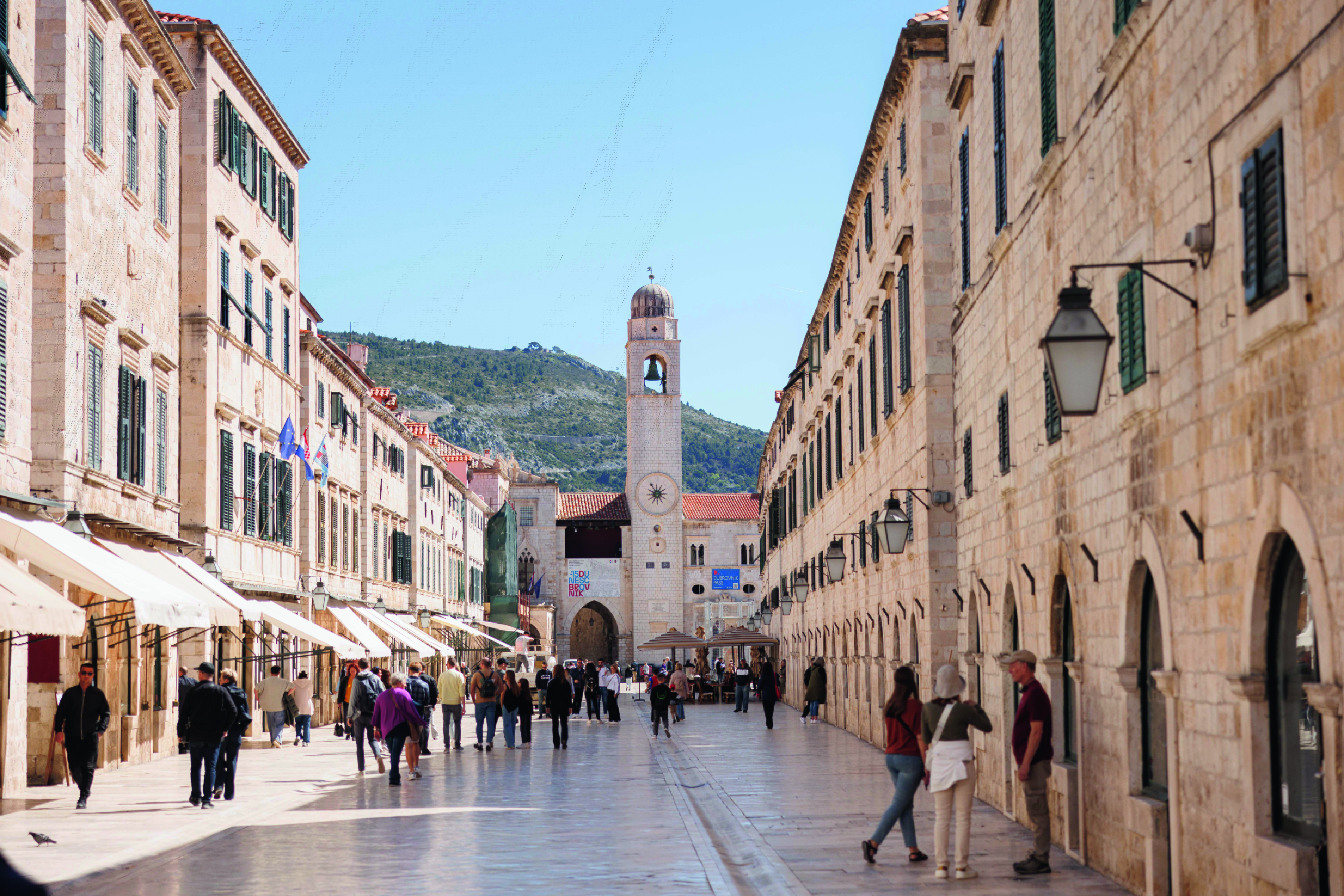 Pomalo: Dalmatia's answer to hustle culture
Sponsored Content A state of mind in Dalmatia, pomalo, which roughly translates as ‘take it easy’, sets the pace of life in this scenic region of Croatia.
-
 A Maldives paradise for wine lovers
The unique wine culture at OZEN RESERVE BOLIFUSHI extends well beyond its carefully curated list with expert tastings, creative pairings and unexpected discoveries to make lasting holiday memories.
-
 Shaping the future of wine & spirits: What’s new at ProWein Düsseldorf?
Sponsored content Returning on 15 – 17 March in Düsseldorf – discover what's new at ProWein in 2026...
-
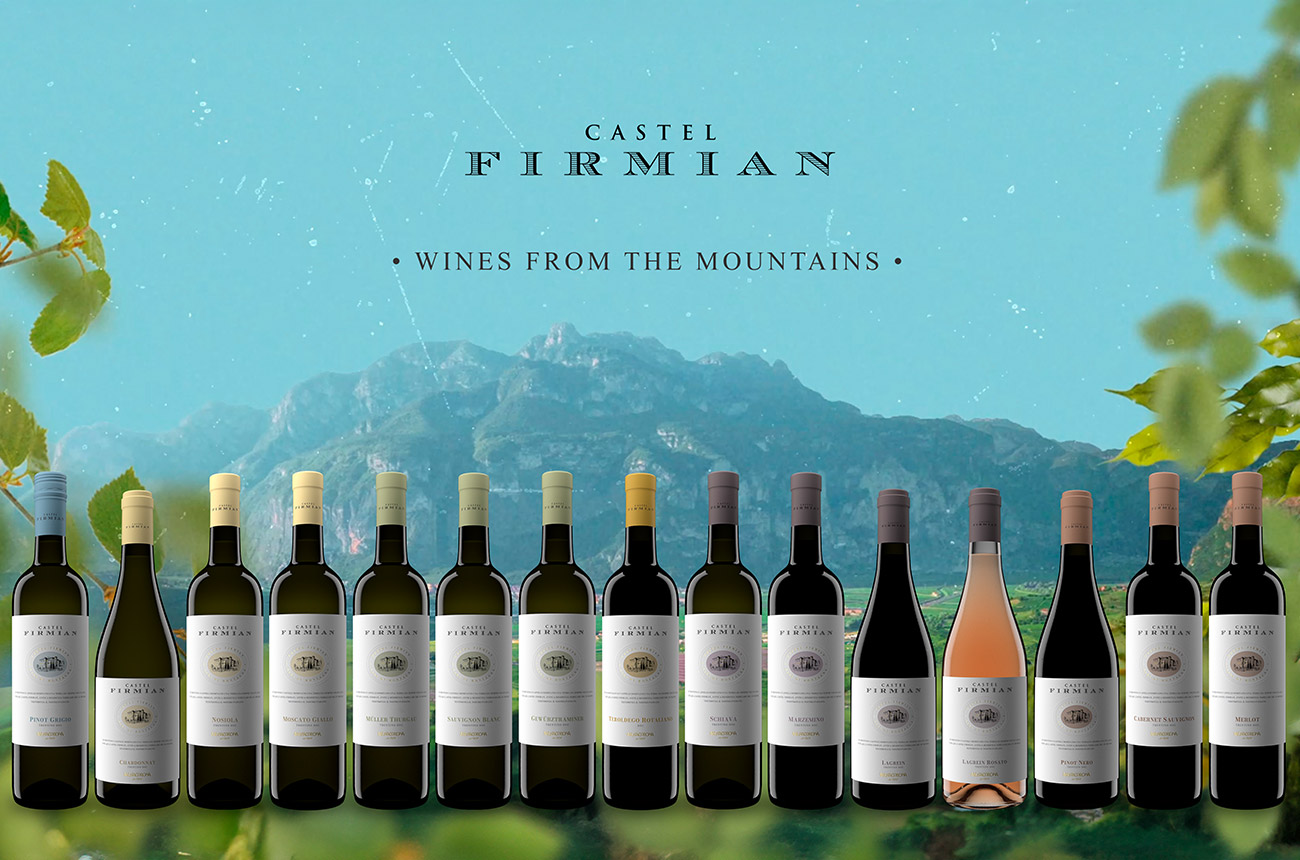 Castel Firmian presents a fresh new look with Wines from the Mountains
Sponsored Content The Trentino winery telling its story with a fresh rebrand...
-
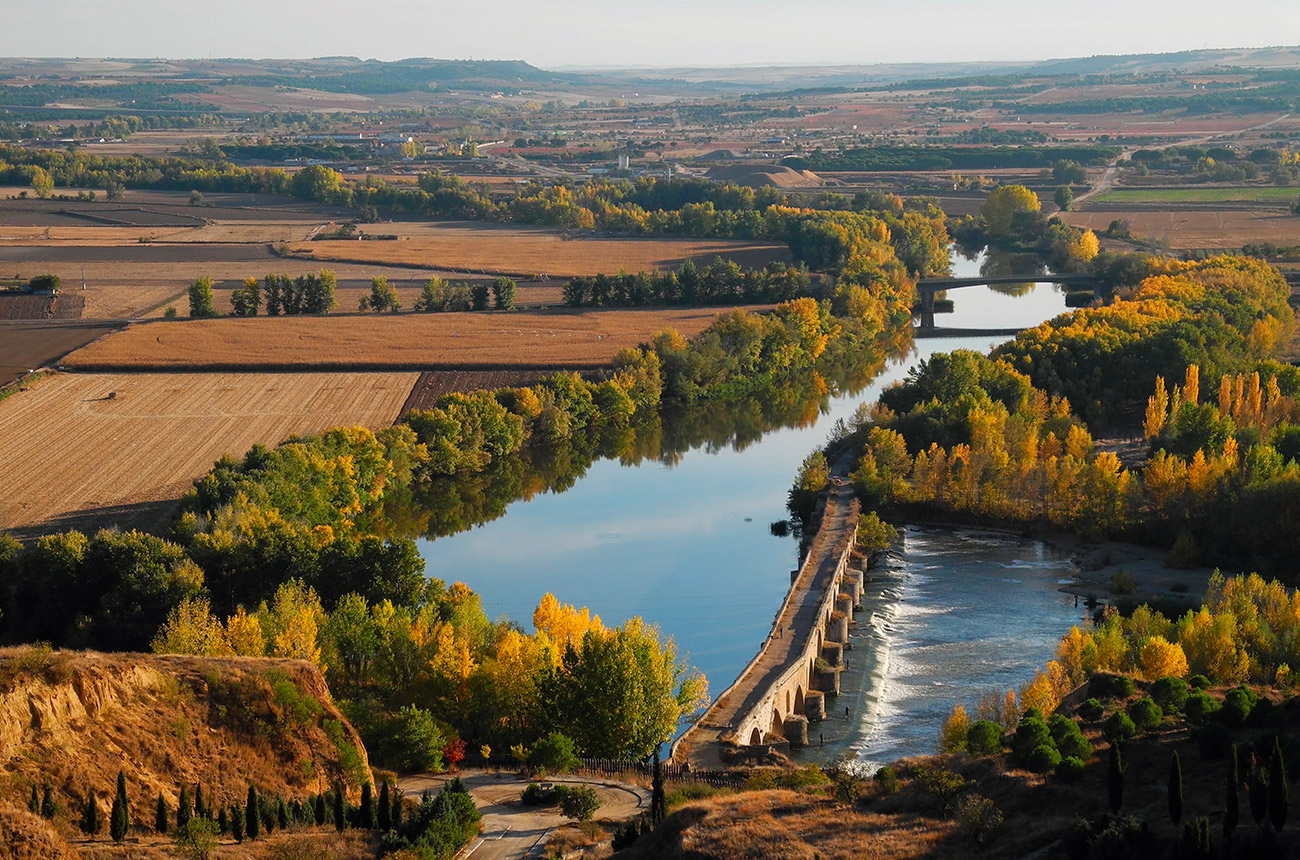 Toro: A tale of resilience, evolution and commitment
Sponsored Content This region’s past offers important clues on how to face present challenges...
-
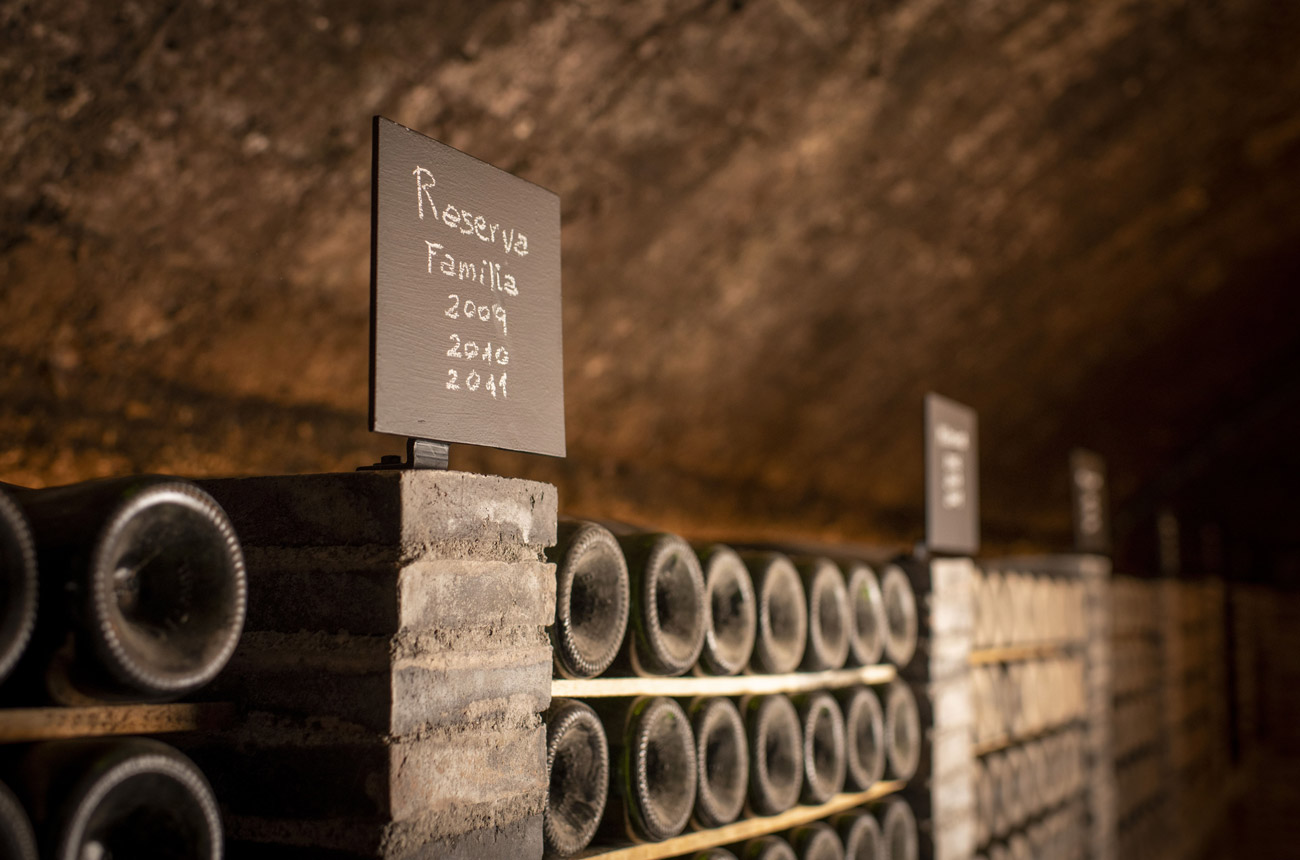 Juvé & Camps: Taking long-aged sparkling wines to new heights
Sponsored content Long-aged sparkling wines that express the craft of the winemakers...


