

The Istrian peninsula is almost an island – surrounded on three sides by the Adriatic, with its northern edge formed by the foothills of the Julian Alps. As well as Istria’s long history of winemaking and distinctive culture, its geology and climate give the region’s wines a unique point of difference.
The bedrock of the peninsula is karst, formed from carbonate rocks such as limestone and dolomite, and is full of caves, fissures and sinkholes (you can experience the landscape from below by visiting one of Istria’s caves). This fractured karst bedrock means vines can root deeply to find water, so even in the typical warm, dry summers, irrigation is rarely needed.

The region’s vastly different soils shape the diversity of Istrian wines.
The winemaker’s palette
Any visitor travelling across Istria soon notices its distinctively coloured topsoils. Rust-red, iron-rich terra rossa dominates in the south, west and along the coast, while the striking grey and white flysch soils are found in the hilly north and east. There are rare patches of loess and sand by the coast too. Each soil gives its own character to the wines produced here. The local Malvazija Istarska variety is particularly expressive, yielding structured wines on the clayey red soils and more fragrant, floral wines on the paler soils.
Further shades on the soil palette come from accumulations of humus, forming black and grey soils that bring fruitier notes. Teran too produces varied expressions depending on the soils, and particularly suits the grey and white soils around the charming hilltop town of Motovun – which is gaining a reputation as the grape’s ‘grand cru’.

Exploring Motovun’s old town: in July 2025 Vinistra organised a study trip for wine experts.
A complex climate
The other key part of Istria’s terroir is its climate. Winters are mild and summers are warm – Mediterranean influences from the Adriatic meet cool winds and night-time chill from the nearby Julian Alps. Three major winds blow constantly, keeping vines naturally healthy and disease-free: the Bura, a cold, northerly wind; the Maestral, a mild, onshore summer breeze; and the Jugo, a warm, wet wind from the south.
It’s a harmonious combination: ample summer sunshine brings fruit ripeness, while breezes and cool nights preserve acidity in the grapes. These conditions are ideal – not just for impressive wines, but also for visitors looking to enjoy Istria’s wonderful climate.
All photographs Vinistra/Merlo de Graia.
Discover more about Vinistra
Connect on
Facebook | Instagram | LinkedIn | YouTube

Read more about Istrian wines:
Istria: Identity you can taste
Decanter Winners’ Showcase 2025
Istria’s hall of fame
30 years of Vinistra: Where to now?

-
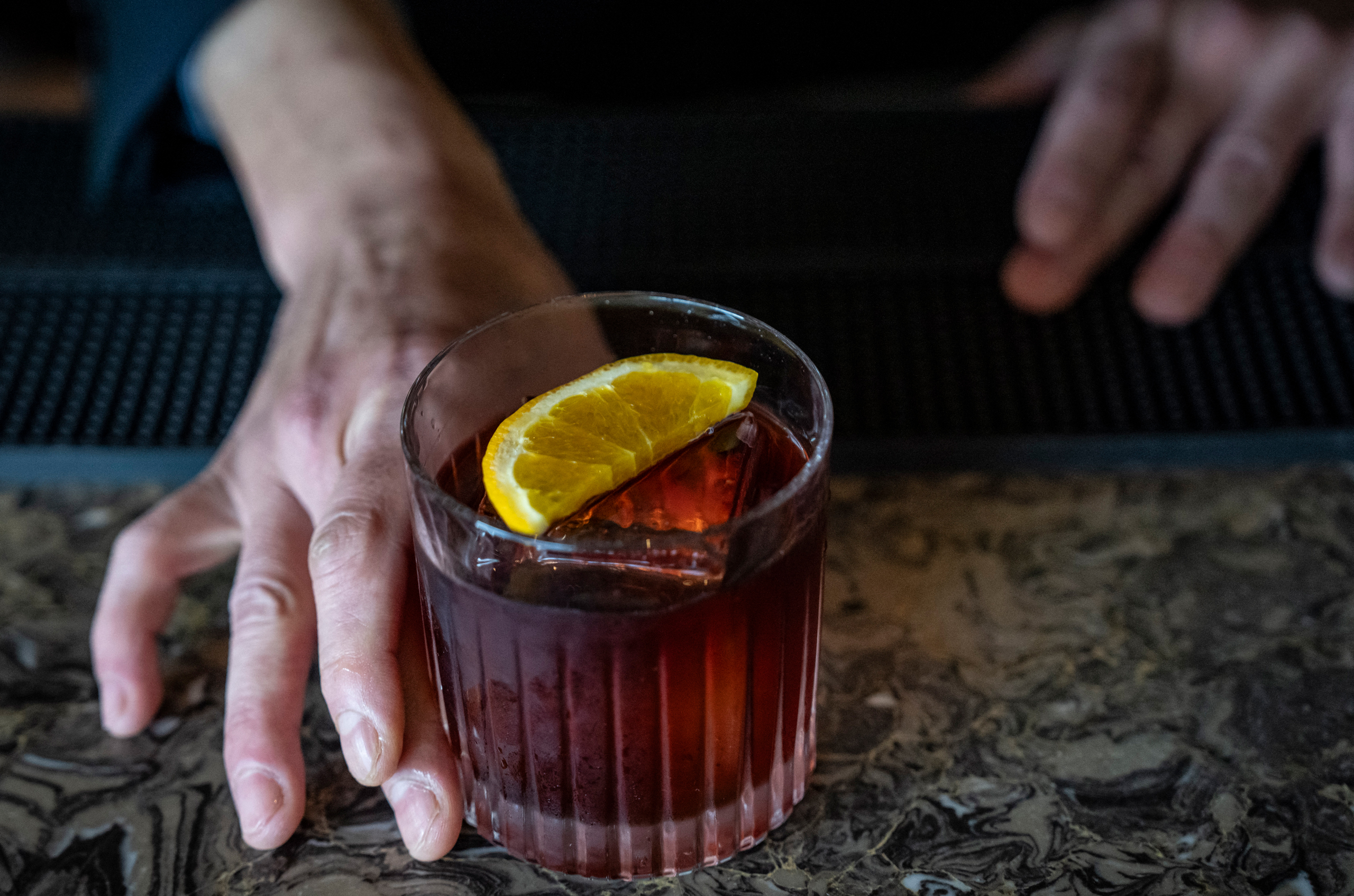 The beauty of balance: Get to know equal-parts cocktails
Mixing a drink in exactly equal measures is one of the easiest ways to make a cocktail. But what makes these even ratio drinks so delicious – and enduring? Alicia Miller speaks to top bartenders to find out, with recipes to try at home.
-
 Casa Real 2023: A South American icon
Sponsored A renowned Cabernet Sauvignon...


-
Casa Real 2023: A South American icon
Sponsored A renowned Cabernet Sauvignon...
-
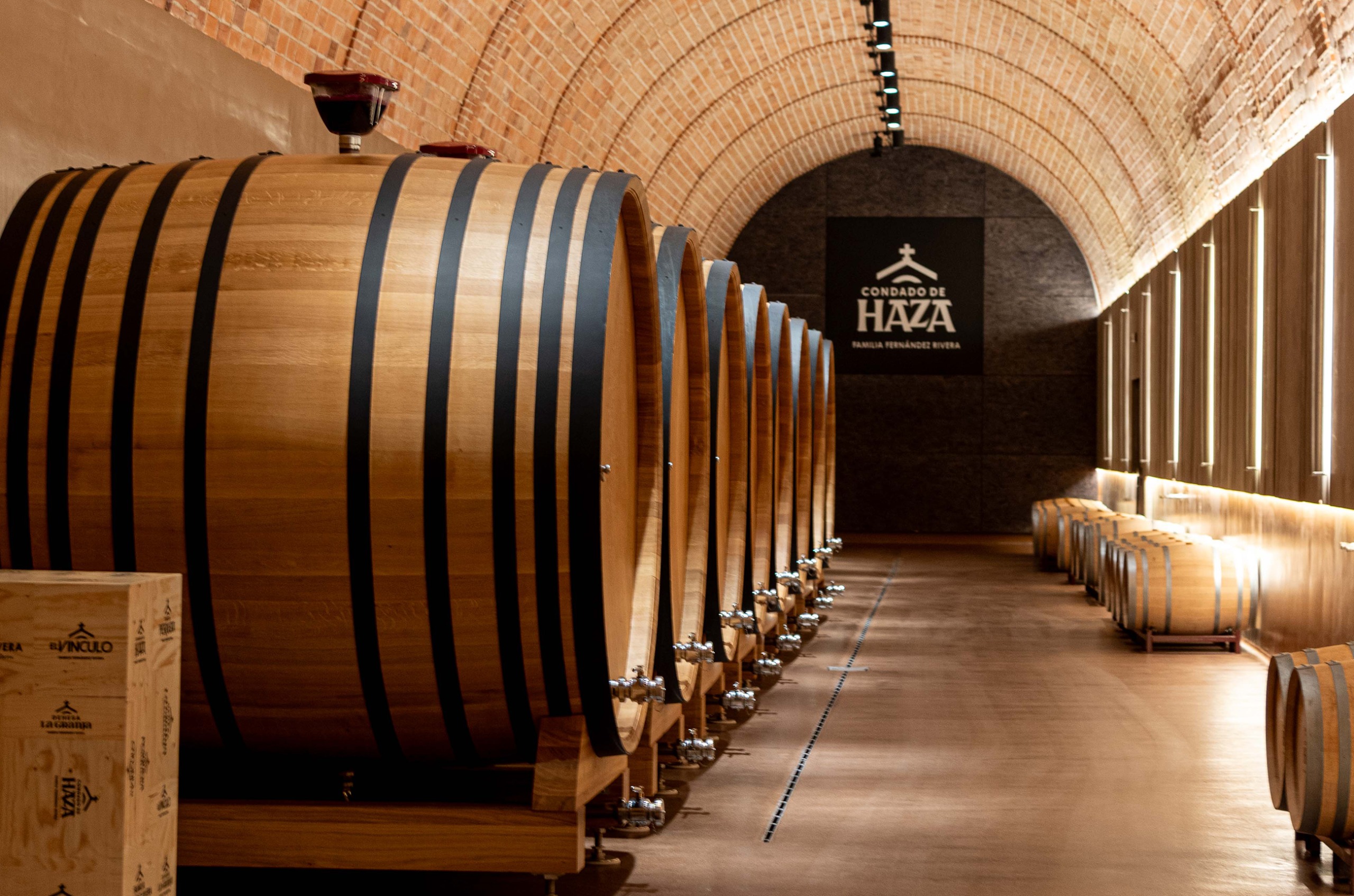 Critical acclaim for Condado de Haza
Sponsored A coveted medal...
-
 The life and soul of Istrian winemaking
Sponsored The region's flagship grapes...
-
 Bringing the spirit of Rioja to the UK
Sponsored Spain's leading wine region...
-
 Apartado: Elegant interpretations of the Uco Valley from Rutini Wines
Sponsored The essence of the Uco Valley...
-
 Award-winning wines from Austria
Sponsored Quality and diversity...
-
 Gen V: The new face of Istria
Sponsored Taking Istria into the future...
-
 Bordeaux: One region, many voices
Sponsored Bordeaux reds in all shades...


