

What makes Istrian wines so special? As well as producing elegant wines from international varieties, some of the region’s highest quality wines are made from indigenous grapes: Teran and Malvazija Istarska.
Teran – Istria’s lifeblood
Dark, intense, robust red variety Teran is the lifeblood of Istria. It’s an old grape, first mentioned in the 14th century and documented in Istria in 1641 by the Bishop of Novigrad.
Teran has long been important on the peninsula and covered 90% of Istrian vineyards by 1880. In the 20th century, the variety lost ground to Malvazija Istarska, and now covers just 227ha. The last two decades, however, have seen concerted efforts to rehabilitate the variety as a red flagship for the region.
Teran has a natural tendency to high acidity and rustic tannins. It can also produce generous yields, yet with a severely reduced crop and the right sites (especially around the hilltop town of Motovun) it makes wonderful wines. These are dark and bold, with juicy bramble and raspberry fruit, firm but elegant tannins – think Syrah meets Nebbiolo – and amazing potential for ageing.
It therefore comes as no surprise that three out of Istria’s four Gold medals at this year’s Decanter World Wine Awards were produced from Teran.

Malvazija Istarska grapes.
Malvazija Istarska – The soul of Istria
There are many grapes called ‘Malvasia’ in the world, closely linked to the story of the historic wine trade around the Mediterranean. The most successful of these have gained names linked to the places where they grow best, and one of these is Malvazija Istarska.
This white grape is not related to any other Malvasia and is probably Istrian in origin. Here, modern, high-quality expressions of this variety have only been produced for about three decades, but it is now Croatia’s second-most important grape, grown on 1509ha, almost exclusively in Istria.
With its floral aromatics, young, fresh Malvazija Istarska wines offer delicious summer drinking. The variety has also shown itself to be extremely versatile, and is well suited to acacia wood. Look out for fine sparkling examples, lusciously sweet passito, and intriguing orange expressions.
Exciting new single-vineyard selections are allowing the variety to express a true sense of place. It was Croatia’s most successful grape at DWWA 2026, with two Malvazija Istarska wines awarded Platinum medals for Istria.
You can find out for yourself what makes these varieties so exciting at this year’s Decanter Fine Wine Encounter London, on 6–7 November.
- 6–7 November 2026: Decanter Fine Wine Encounter – Featuring wines from Istria – The Landmark Hotel, London
- 8 February 2027: En Primeur – Launch of the new vintage of Malvazija Istarska – Hotel Esplanade, Zagreb
- 15–17 February 2027: Wine Paris – Featuring wines from Istria – Paris Expo, Porte de Versailles, Paris
- 5–9 April 2027: World of Malvasia competition and Vinistra Wine & Spirits Awards – Poreč, Istria
- 7–9 May 2027: Vinistra wine fair – International wine and winemaking fair – Poreč, Istria
- July 2027: Decanter Winners Showcase by Vinistra – Istria
Learn more about the wines of Istria
Connect on Facebook | Instagram | LinkedIn | Youtube

Discover more:


-
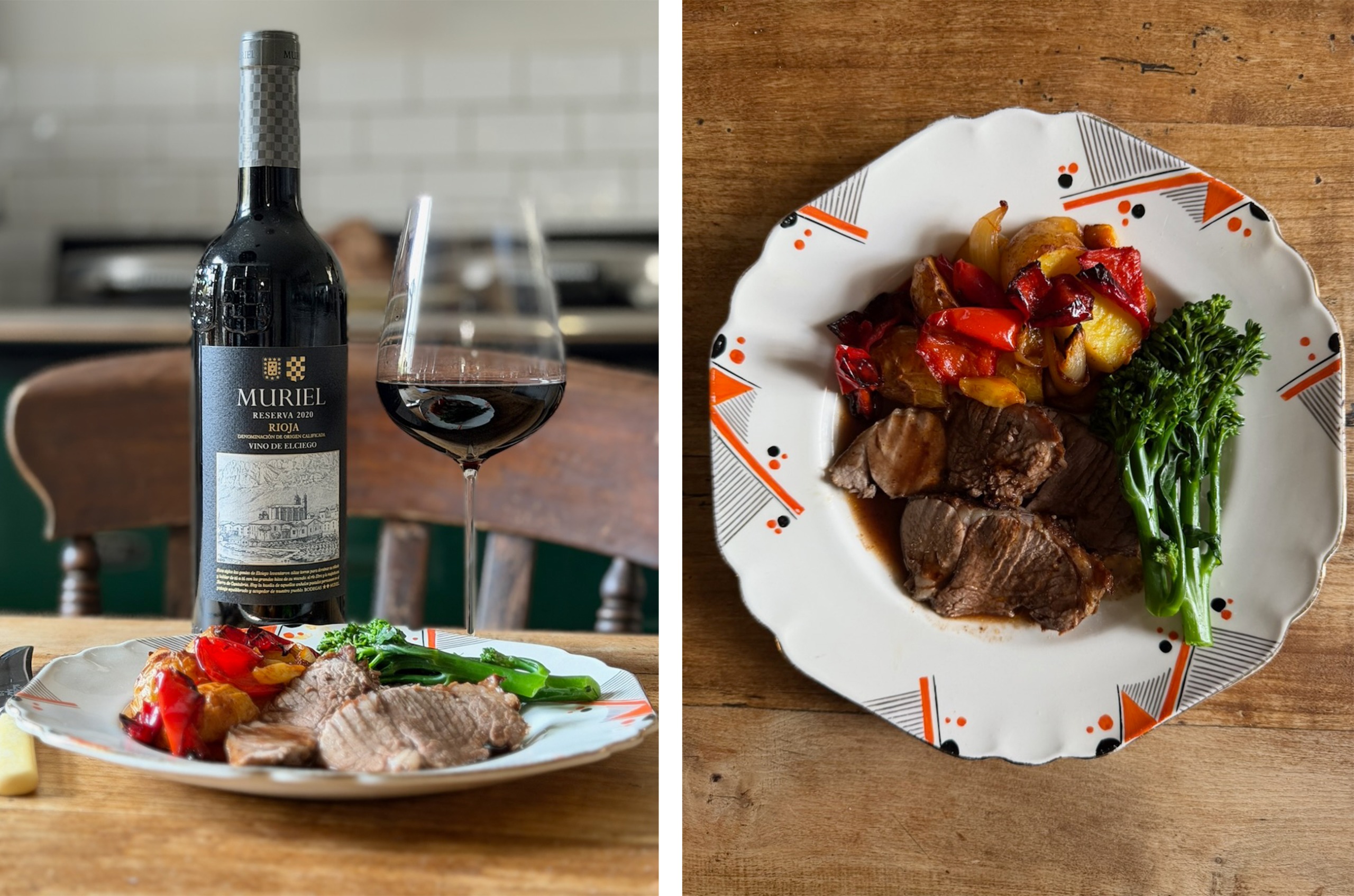 Bodegas Muriel: A food and wine match made in heaven
Sponsored Delicious Spanish-style roast lamb....
-
 Top five things to do in Uruguay
Sponsored A distinct flavour and experience...
-
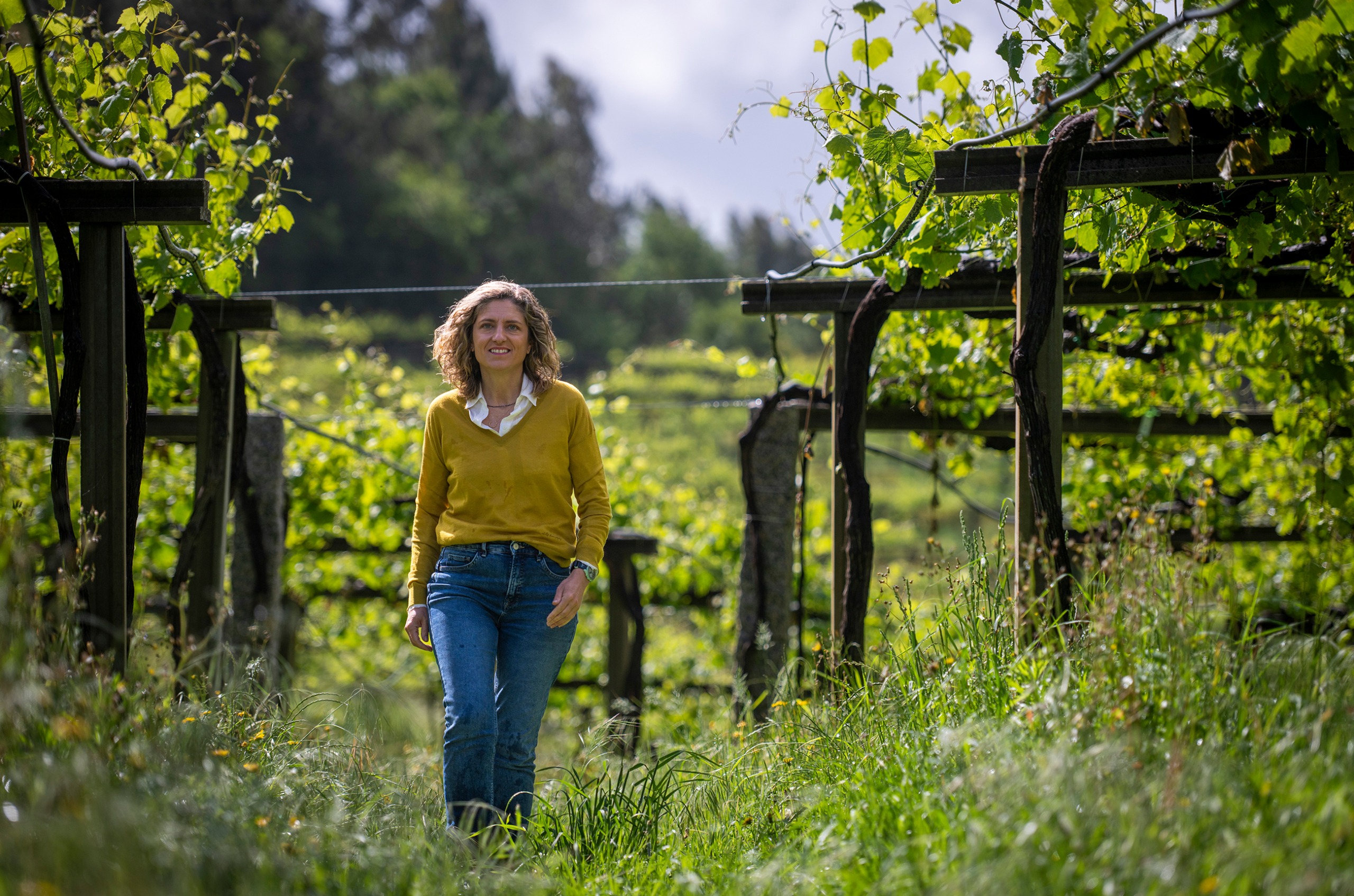 Mar de Frades: Experts in Atlantic Albariño
Sponsored Harnessing site expression in Rías Baixas...
-
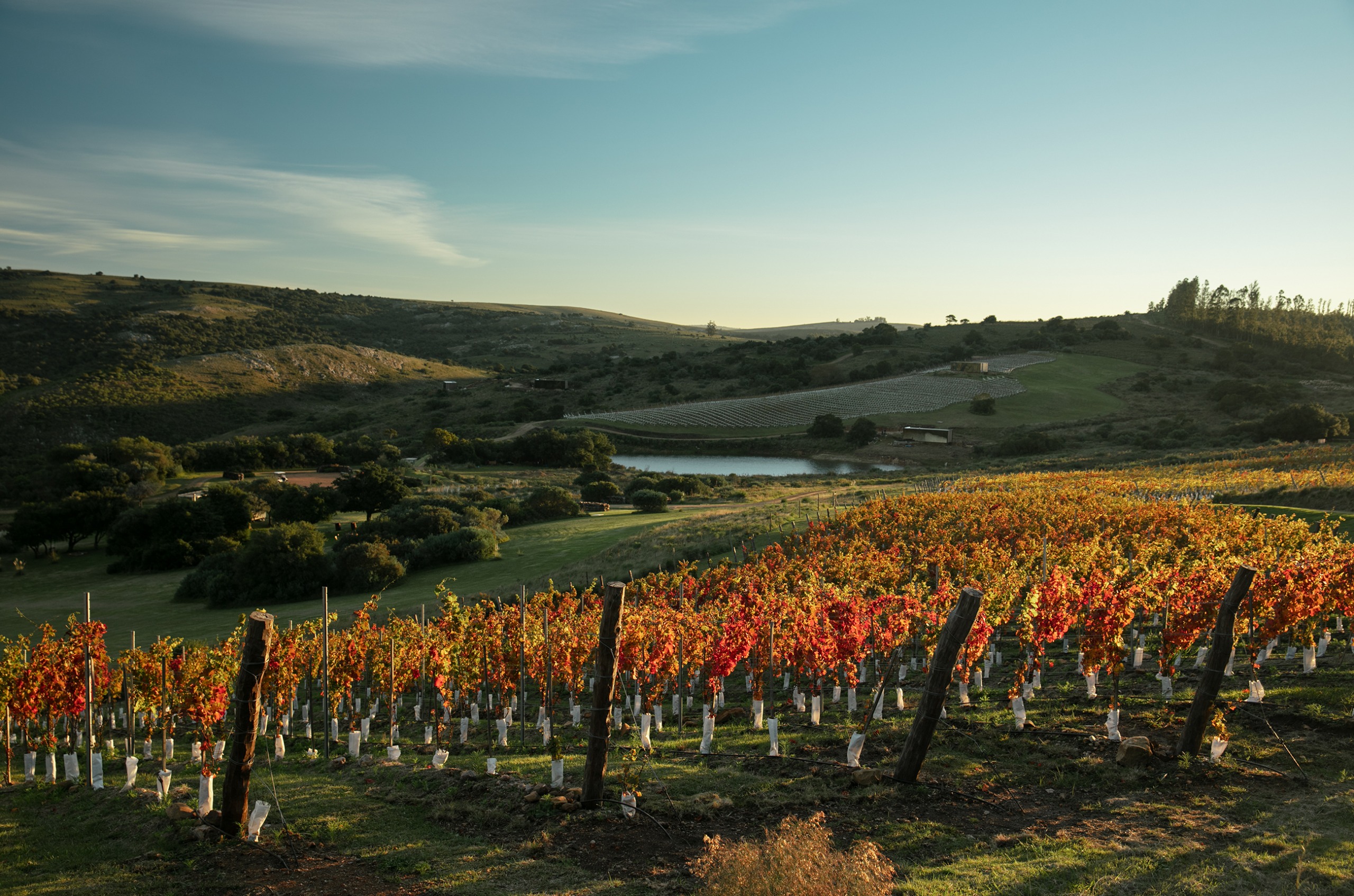 Uruguay: An evolving viticultural identity
Sponsored Key varieties and distinctive styles...
-
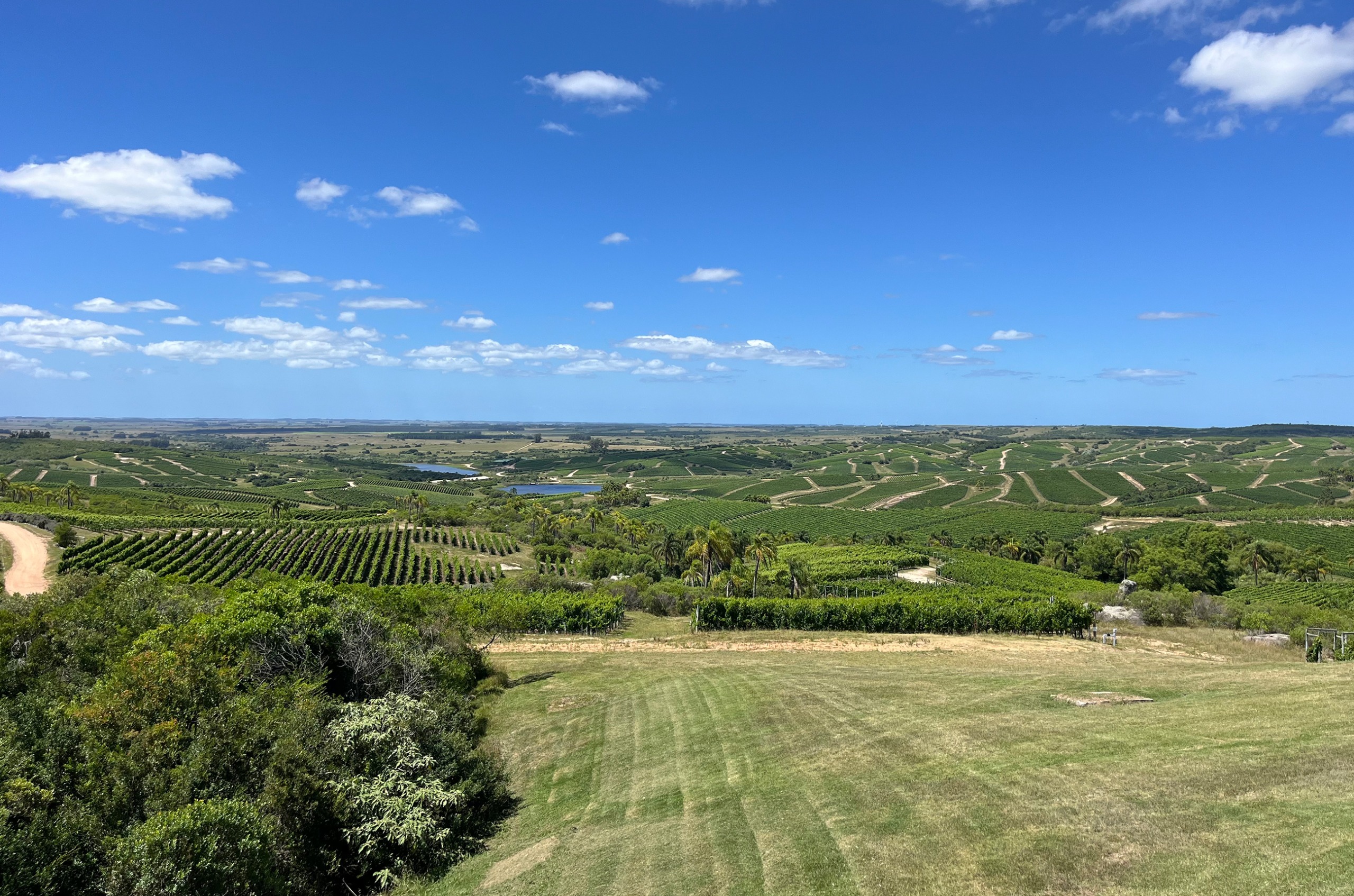 The wine regions of Uruguay
Sponsored Small but diverse...
-
 Ruggeri: Valdobbiadene Prosecco Superiore DOCG that’s made to last
Sponsored From the Cartizze hills...
-
 Uruguay: A country guided by possibility
Sponsored Embracing self-discovery...
-
 Vallepicciola: Tourism and winemaking in the Chianti hills
Sponsored Winemaking and luxury hospitality...


